Assignment of Contract in Real Estate: What It Is and How to Profit


If you want to control a property without buying it and then sell that right to another investor for a fee, you need to understand the assignment of contract in real estate. It's the legal mechanism that makes wholesaling possible, and getting it right is the difference between a smooth closing and a lawsuit.
Key Takeaways
- An assignment of contract transfers your rights as a buyer to another party, allowing you to profit from the spread between your contract price and the end buyer's price.
- You never need to use your own money to close—you assign the contract before the closing date and collect an assignment fee.
- The assignment must comply with the original purchase agreement; some contracts prohibit assignment or require seller consent.
- Wholesalers typically use a double-close or direct assignment; each has different legal and tax implications.
- Current market conditions (median home price $403,200, 30-year mortgage rate 6.43%) make assignment deals attractive for cash-strapped investors.
What Is an Assignment of Contract in Real Estate?
An assignment of contract in real estate is a legal transfer of the rights and obligations of a buyer under a purchase agreement to a third party. The original buyer (assignor) steps into the role of middleman, and the new buyer (assignee) takes over the contract and closes the deal.
In wholesaling, you sign a purchase agreement with a seller at a below-market price, then assign that contract to an end buyer for a higher price. You never actually buy the property—you sell your position in the contract. The difference between your contract price and the end buyer's price is your assignment fee (also called a wholesale fee).
How Does an Assignment of Contract Work?
An assignment of contract works through a three-party transaction: you (the wholesaler), the original seller, and the end buyer. Here's the step-by-step process.
Step 1: Find a Motivated Seller and Negotiate a Purchase Agreement
You identify a property where the seller needs to sell quickly—perhaps due to foreclosure, divorce, or relocation. You negotiate a price below market value and sign a standard purchase and sale agreement. Crucially, the contract must either allow assignment or remain silent on it. If it prohibits assignment, you'll need the seller's written consent.
Step 2: Include an Assignment Clause
Your purchase agreement should include a clause that explicitly permits you to assign the contract to another buyer. A typical clause reads: "Buyer reserves the right to assign this contract to any person or entity without the consent of the Seller." Some contracts require seller notification but not approval.
Step 3: Market the Contract to End Buyers
Once you have the property under contract, you market it to your list of cash buyers, rehabbers, or landlords. You disclose that you are assigning the contract and that the end buyer will be the one closing with the seller. You can use tools like PropStream or GoHighLevel to manage leads and automate follow-ups.
Step 4: Execute the Assignment Agreement
When you find a buyer, you sign an assignment of contract agreement with them. This document transfers all your rights under the original purchase agreement to the assignee. The assignment agreement will state:
- The original contract price
- The assignment fee (your profit)
- The new purchase price (original price + assignment fee)
- The closing date (usually the same as the original contract)
Step 5: Close the Deal
At closing, the end buyer brings the funds and purchases the property directly from the seller. The seller receives the original contract price, and the end buyer pays the difference (your assignment fee) to you. This can happen in one of two ways:
- Direct assignment: The end buyer pays you the assignment fee directly, and you receive a 1099 for that income.
- Double close: You buy the property from the seller and immediately resell it to the end buyer. This requires transactional funding but keeps your fee confidential.
Why Use an Assignment of Contract? The Wholesaler's Advantage
The biggest reason to use an assignment of contract is that you don't need money to close. You control the property without ever taking out a loan or putting up cash. Here's why that matters in today's market.
No Capital Required
With the median home price at $403,200 (as of January 2026), most wholesalers don't have that kind of cash sitting around. An assignment lets you profit from the spread without ever owning the property. You only need a small earnest money deposit (often refundable) and the ability to find a buyer.
Speed and Leverage
You can tie up a property with a simple contract and then flip it to a cash buyer in days. The median days on market as of June 2026 is 53 days, but as a wholesaler, you can often assign a contract in 2–4 weeks. That speed gives you leverage over traditional buyers who need financing.
Limited Risk
If you can't find a buyer, you can walk away from the deal (provided your contract has a contingency clause). Your only loss is the time you invested and possibly a small earnest money deposit. Compare that to buying a property outright, where you'd be on the hook for the mortgage, taxes, and insurance.
Assignment of Contract vs. Double Close: Which Should You Use?
Both methods achieve the same end—you profit from a spread—but they differ in structure, privacy, and cost.
| Aspect | Assignment of Contract | Double Close |
|---|---|---|
| Funding needed | None (no purchase) | Transactional funding required |
| Profit visibility | End buyer sees your fee | Fee is hidden (seller sees only original price) |
| Closing costs | One closing (buyer to seller) | Two closings (you buy, then resell) |
| Legal complexity | Simple assignment agreement | Two separate purchase agreements |
| Tax reporting | You receive 1099 for assignment fee | You report both buy and sell (may show higher volume) |
| Seller consent | May be required if contract prohibits assignment | Seller always knows you're the buyer |
When to assign: Use a direct assignment when the end buyer is okay with your fee being visible and you want to keep costs low. Most wholesalers start here.
When to double close: Use a double close when you want to keep your profit confidential from the seller or end buyer. This is common when working with large spreads or institutional buyers.
Is Assignment of Contract Legal in All States?
Assignment of contract is legal in all 50 states, but specific regulations vary. Some states require a real estate license to wholesale properties, while others allow unlicensed wholesalers as long as they don't market themselves as agents.
States with Licensing Requirements
Several states have clarified that wholesaling without a license is illegal if you are acting as a real estate broker. Examples include:
- Florida: The Florida Real Estate Commission has ruled that wholesaling without a license can be considered brokerage activity. You must disclose your status and may need a license if you market the property.
- Texas: The Texas Real Estate Commission allows wholesaling but requires that you not represent yourself as an agent. You must also comply with the Texas Deceptive Trade Practices Act.
- California: The California Department of Real Estate has taken action against unlicensed wholesalers who advertise properties they don't own. Assigning a contract is generally allowed, but marketing the property as "for sale" may trigger licensing requirements.
Always consult a local real estate attorney before starting. The laws change frequently, and what works in one state may land you in trouble in another.
How to Write an Assignment of Contract Agreement
Your assignment agreement should be a separate document from the original purchase agreement. Here are the key components:
- Parties: Identify the assignor (you), the assignee (end buyer), and the original seller.
- Original contract: Reference the original purchase agreement by date and property address.
- Assignment fee: State the fee the assignee will pay you. This is often due at closing or upon execution.
- Representations and warranties: You warrant that the original contract is valid and that you have the right to assign it.
- Indemnification: The assignee agrees to perform under the original contract and indemnify you if they default.
- Signatures: All parties (or at least you and the assignee) must sign. Some states require the seller's acknowledgment.
You can find templates online, but never use a generic template without a lawyer reviewing it. A poorly drafted assignment can void the original contract or expose you to liability.
Common Mistakes in Assignment of Contract Deals
1. Failing to Check the Original Contract
The biggest mistake is assuming you can assign any contract. Many standard purchase agreements (like the California Residential Purchase Agreement) have a clause that prohibits assignment without the seller's written consent. If you assign anyway, you breach the contract, and the seller can cancel.
2. Not Disclosing Your Role
Some wholesalers try to hide that they are assigning the contract. This can backfire if the end buyer or seller feels misled. Transparency is key. Tell the seller upfront that you may assign the contract, and tell the end buyer that you are the assignor.
3. Overpricing the Assignment Fee
If your assignment fee is too high, the end buyer may not be able to get financing (if they use a loan) or may walk away. A typical wholesale fee is $5,000–$20,000 depending on the deal size and market. With a median home price of $403,200, a fee of $10,000–$15,000 is common.
4. Ignoring Tax Implications
Your assignment fee is ordinary income, not capital gains. You'll receive a 1099-NEC or 1099-MISC from the title company or the end buyer. You must report it on your tax return. Many wholesalers forget to set aside money for taxes and get hit with a big bill in April.
Current Market Conditions Favoring Assignment Deals
Let's look at the numbers. The 30-year fixed mortgage rate has been hovering around 6.43% (as of July 2, 2026). That's high enough to push many traditional buyers out of the market, but it creates opportunities for cash buyers and wholesalers.
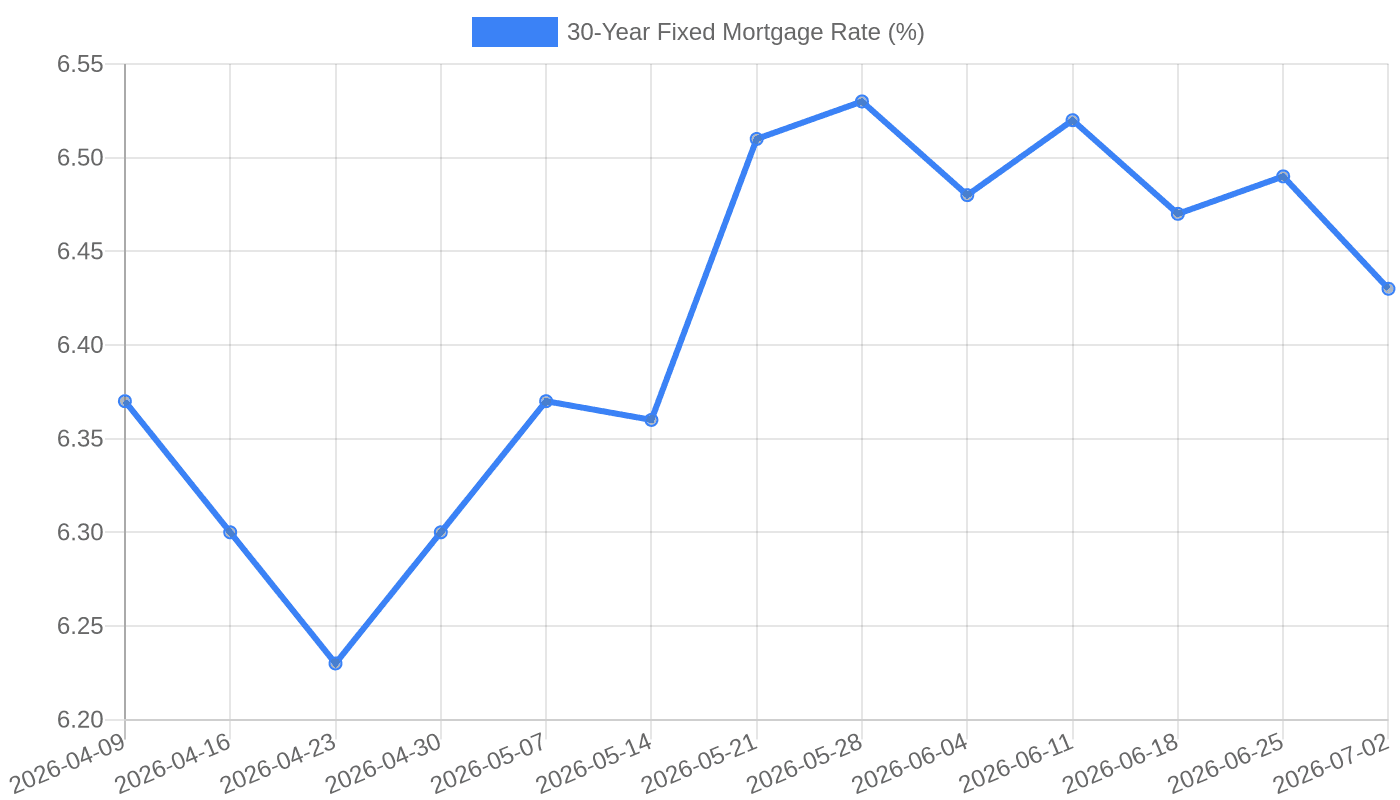
As rates rose from 6.23% in late April to 6.53% in late May, the number of traditional buyers shrank. That means more motivated sellers who can't wait for a conventional buyer. Wholesalers can step in with cash buyers and assign contracts quickly.
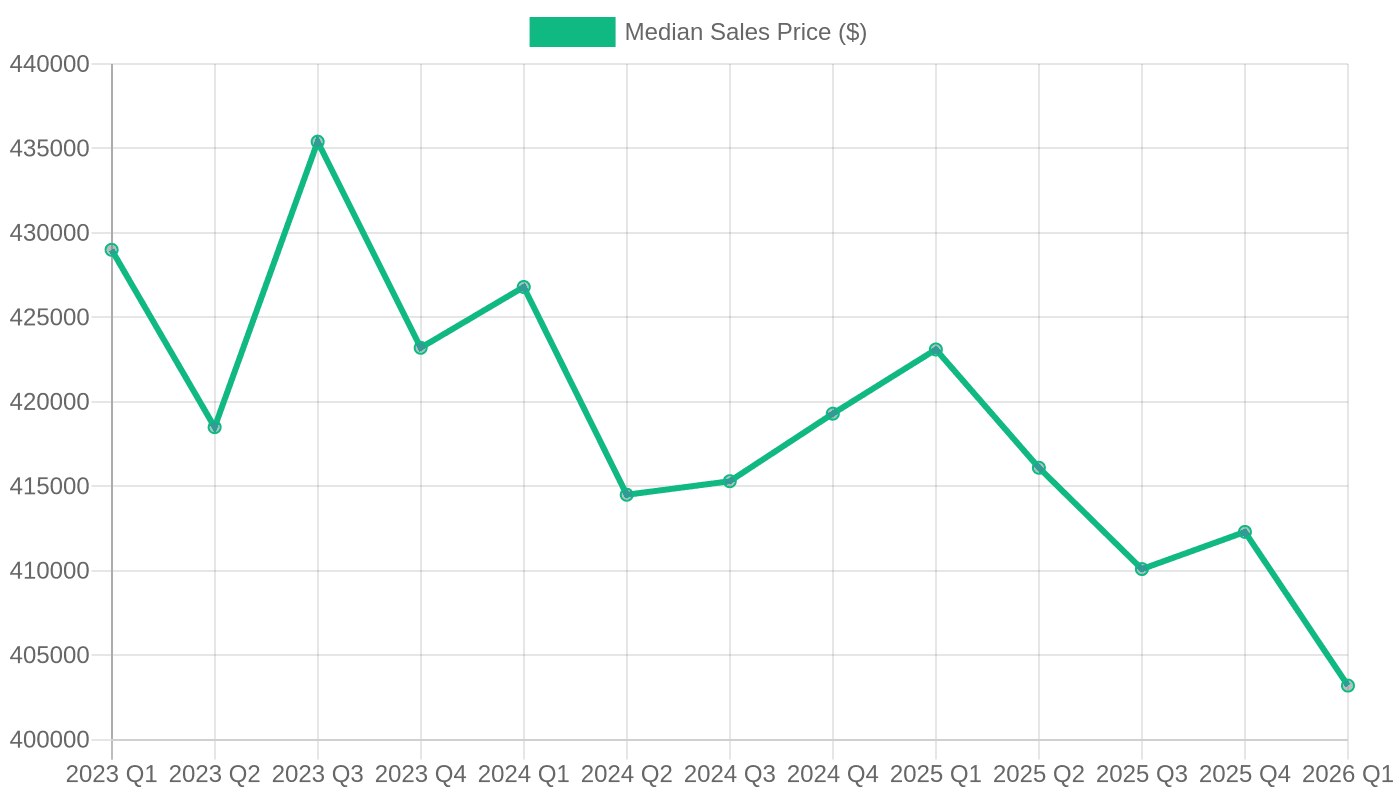
Meanwhile, the median sales price has been declining from its peak of $435,400 in July 2023 to $403,200 in January 2026. That's a drop of about 7.4%. Sellers who bought at the top may be underwater or anxious to sell before prices fall further.
Days on market have also increased. In June 2025, the median was 53 days. By January 2026, it had risen to 78 days. That means properties are sitting longer, and sellers are more motivated to accept a quick, cash offer from a wholesaler.
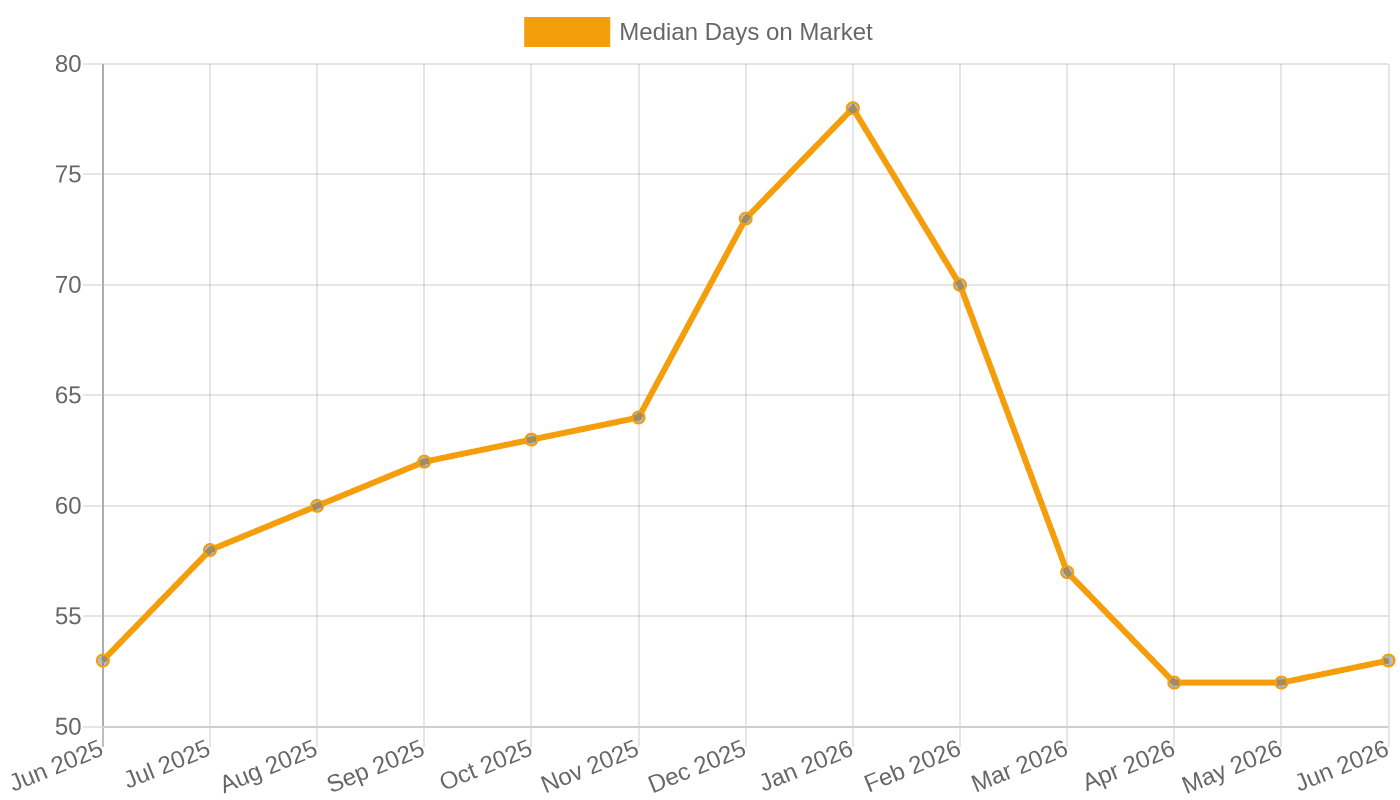
These three trends—high rates, falling prices, and longer days on market—create a perfect environment for assignment deals. Sellers want speed, and wholesalers can provide it.
Best Tools for Assignment of Contract Wholesalers
To succeed with assignment deals, you need the right software. The Wholesale REI directory tracks 63 tools across 9 categories. Here are the top picks for assignment-focused wholesalers:
| Tool | Category | Best For |
|---|---|---|
| GoHighLevel | CRM & Marketing | Automating follow-ups with leads and buyers |
| PropStream | Property Data & Analytics | Finding motivated sellers and analyzing deals |
| ATTOM Data | Property Data & Analytics | Nationwide property data and ownership details |
| CallTools | Dialing & Communication | Power dialing to contact sellers fast |
| Launch Control | Dialing & Communication | Predictive dialer for high-volume cold calling |
| Rezzie | CRM & Marketing | All-in-one platform for wholesalers |
These tools help you find deals, manage leads, and close assignments faster. For example, you can use PropStream to find distressed properties, then use GoHighLevel to automate your buyer list outreach.
How to Find End Buyers for Your Assigned Contracts
You can't assign a contract if you don't have a buyer. Here's how to build a buyer list:
- Network with local real estate investors: Attend REIA meetings, join Facebook groups, and connect with cash buyers.
- Use your CRM: Tools like GoHighLevel let you segment buyers by criteria (e.g., price range, zip code).
- Post on deal-sharing platforms: Sites like BiggerPockets or local wholesale Facebook groups allow you to post your deals.
- Build a website: Create a simple landing page where buyers can see your current inventory.
- Partner with a real estate agent: Some agents have buyer clients looking for off-market deals.
The Bottom Line
Assignment of contract is the backbone of real estate wholesaling. It lets you profit from real estate without using your own money, closing on a property, or taking on traditional risk. But it requires careful contract drafting, transparency with all parties, and an understanding of your state's laws. With current market conditions—high rates, falling prices, and longer days on market—the opportunity to assign contracts has never been better. To practice your pitch and refine your negotiation skills, try our free AI Cold Call Trainer—it's a realistic way to prepare before you pick up the phone. Then compare the tools in our directory to find the right CRM and data provider for your assignment business.
Frequently Asked Questions
What is an assignment of contract in real estate?
An assignment of contract in real estate is a legal transfer of a buyer's rights and obligations under a purchase agreement to a third party. The original buyer (assignor) profits by selling their position to an end buyer (assignee) for a fee.
Do I need a real estate license to assign a contract?
It depends on your state. Some states require a license if you market the property or act as a broker. Others allow unlicensed wholesaling as long as you don't represent yourself as an agent. Always consult a local real estate attorney.
What is the difference between an assignment and a double close?
In an assignment, you transfer your contract rights to the end buyer, who closes with the seller. In a double close, you buy the property from the seller and then immediately resell it to the end buyer. A double close hides your profit but requires transactional funding.
How much money can I make from an assignment of contract?
Typical assignment fees range from $5,000 to $20,000 per deal, depending on the property's value and market conditions. With a median home price of $403,200, a fee of $10,000–$15,000 is common.
Can any purchase agreement be assigned?
No. The original purchase agreement must either allow assignment or be silent on the issue. If the contract prohibits assignment, you need the seller's written consent to assign.
What happens if I can't find a buyer for my assigned contract?
If your contract includes a contingency clause (e.g., 'subject to finding a buyer'), you can walk away without penalty. Otherwise, you may be obligated to close or forfeit your earnest money deposit.
Sources
- 30-Year Fixed Mortgage Rate (as of 2026-07-02) — FRED (Federal Reserve Bank of St. Louis)
- Median Sales Price of Houses Sold (as of 2026-01-01) — FRED (Federal Reserve Bank of St. Louis)
- Median Days on Market (as of 2026-06-01) — FRED (Federal Reserve Bank of St. Louis)
- Software tools tracked in the Wholesale REI directory — Wholesale REI directory
- Tool categories in the Wholesale REI directory — Wholesale REI directory
This article was researched and drafted with AI assistance, then reviewed and edited by Mark Anthony. Every statistic is sourced and cited. It's for informational purposes only and is not financial or legal advice. Read our editorial policy.