Assignment of Contract Real Estate Example: A Step-by-Step Walkthrough


You found a motivated seller, you got the property under contract, and now you need to hand that contract to a cash buyer and keep the difference. That's an assignment of contract — and the fastest way to understand it is to walk through a real example with real numbers.
So let's do exactly that. Below is a complete assignment of contract real estate example, from the first phone call to the wire hitting your account. You'll see the exact figures, the paperwork, and the one mistake that kills most beginner deals.
Key Takeaways
- In the example below, you lock up a house at $180,000, assign it for $195,000, and keep a $15,000 assignment fee — without ever owning the property.
- You never take title, so you skip closing costs, holding costs, and repairs on the front end.
- Your profit is the spread between your contract price and your buyer's price, minus any earnest money you put up.
- The whole deal lives or dies on one clause: the assignment clause in your purchase agreement.
- Nationally, the median home sold for $410,700 as of April 2026, and homes sat on the market a median of 60 days as of August 2026 — context that shapes how fast you need to move.
What is an assignment of contract in real estate?
An assignment of contract is when you transfer your rights in a purchase agreement to another buyer — usually for a fee — instead of closing on the property yourself.
You become the assignor. Your cash buyer becomes the assignee. The seller stays in the deal, but now your buyer is the one who actually closes and takes title.
You're not selling the house. You're selling your position in the contract. That's the whole idea, and it's why wholesalers can profit without a mortgage, a down payment, or a rehab crew.
The three parties in every assignment
- The seller — the motivated owner who signed your purchase agreement.
- You (the wholesaler) — the assignor who controls the contract.
- The end buyer — the assignee, usually a flipper or landlord, who closes and pays your fee.
Why wholesalers use assignments
Assignments let you get paid for finding and negotiating a deal rather than funding it. You put in time and hustle, not capital. For a newer investor, that's the lowest-risk way into the business.
Assignment of contract real estate example: the full walkthrough
Here's the example we'll follow the whole way through. Read it once, then we'll break down each step.
The setup
- Property: 3-bed, 2-bath single-family home, dated but livable.
- Seller's situation: inherited the house, lives two states away, wants it gone.
- Your contract price: $180,000.
- Your earnest money: $500.
- Your end buyer's price: $195,000.
- Your assignment fee: $15,000.
Step 1: You get the property under contract
You agree to buy the house for $180,000 and sign a purchase agreement with an assignment clause built in. You put down $500 in earnest money.
That $500 is your only real cash at risk. Everything after this is about finding a buyer before your closing date.
Step 2: You find a cash buyer
You market the deal to your list of flippers and landlords. One of them runs the numbers, likes the spread, and agrees to pay $195,000.
Step 3: You sign the assignment agreement
You and your buyer sign a one-page assignment agreement. It states the purchase price of $195,000, your $15,000 assignment fee, and the closing date.
Step 4: You notify the seller
You send the seller a Notice of Assignment so they know a new buyer is stepping into your shoes. The seller still gets their full $180,000 — nothing changes for them.
Step 5: Everyone closes
The title company handles the closing. The buyer wires $195,000. The seller receives $180,000. You receive $15,000, minus your $500 earnest money credit, for a net of $14,500.
That's it. No mortgage. No repairs. No holding costs.
The numbers side by side
Here's the same deal laid out so you can see where every dollar goes.
| Line item | Amount |
|---|---|
| Seller's contract price | $180,000 |
| End buyer's purchase price | $195,000 |
| Gross assignment fee | $15,000 |
| Earnest money you put up | $500 |
| Net assignment fee | $14,500 |
| Closing costs you pay | $0 (buyer covers) |
| Repairs you pay | $0 |
| Holding costs you pay | $0 |
Notice the bottom three rows. That's the entire appeal of an assignment — you're not on the hook for the expensive parts.
Why the national market matters to your assignment
Your assignment fee doesn't exist in a vacuum. It lives inside a market where prices, rates, and days on market decide how fast your buyer can flip.
The median sales price of houses sold in the U.S. was $410,700 as of April 2026. If your contract is at $180,000, you're buying well under the national median — which is exactly where the spread comes from.
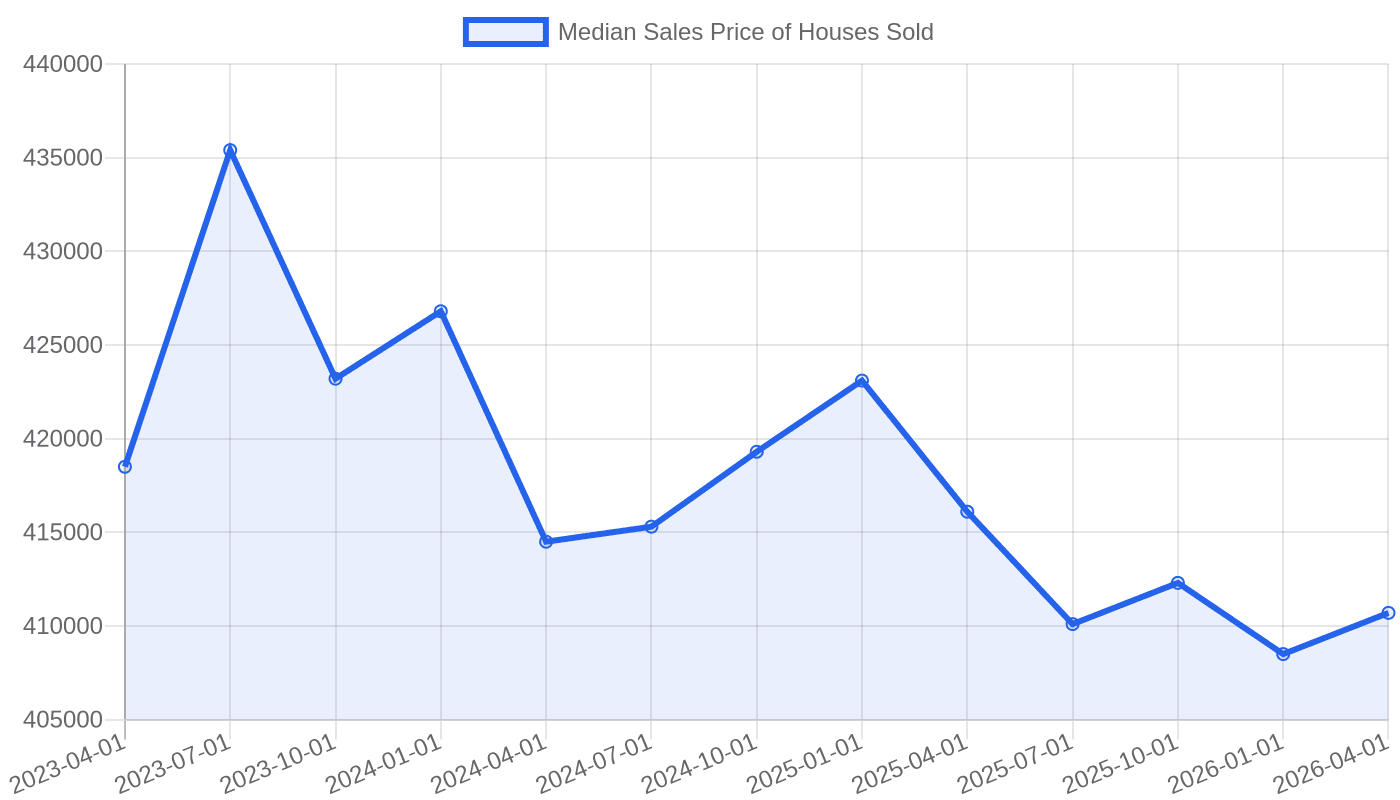
That series has drifted in a fairly tight band, from $418,500 in April 2023 down to $410,700 in April 2026. For a wholesaler, a flat-to-soft median is good news: it means buyers are pickier, and a genuinely discounted contract stands out.
Mortgage rates shape your buyer's appetite
The 30-year fixed mortgage rate sat at 6.95% as of September 17, 2026, up from 6.49% in late June 2026.
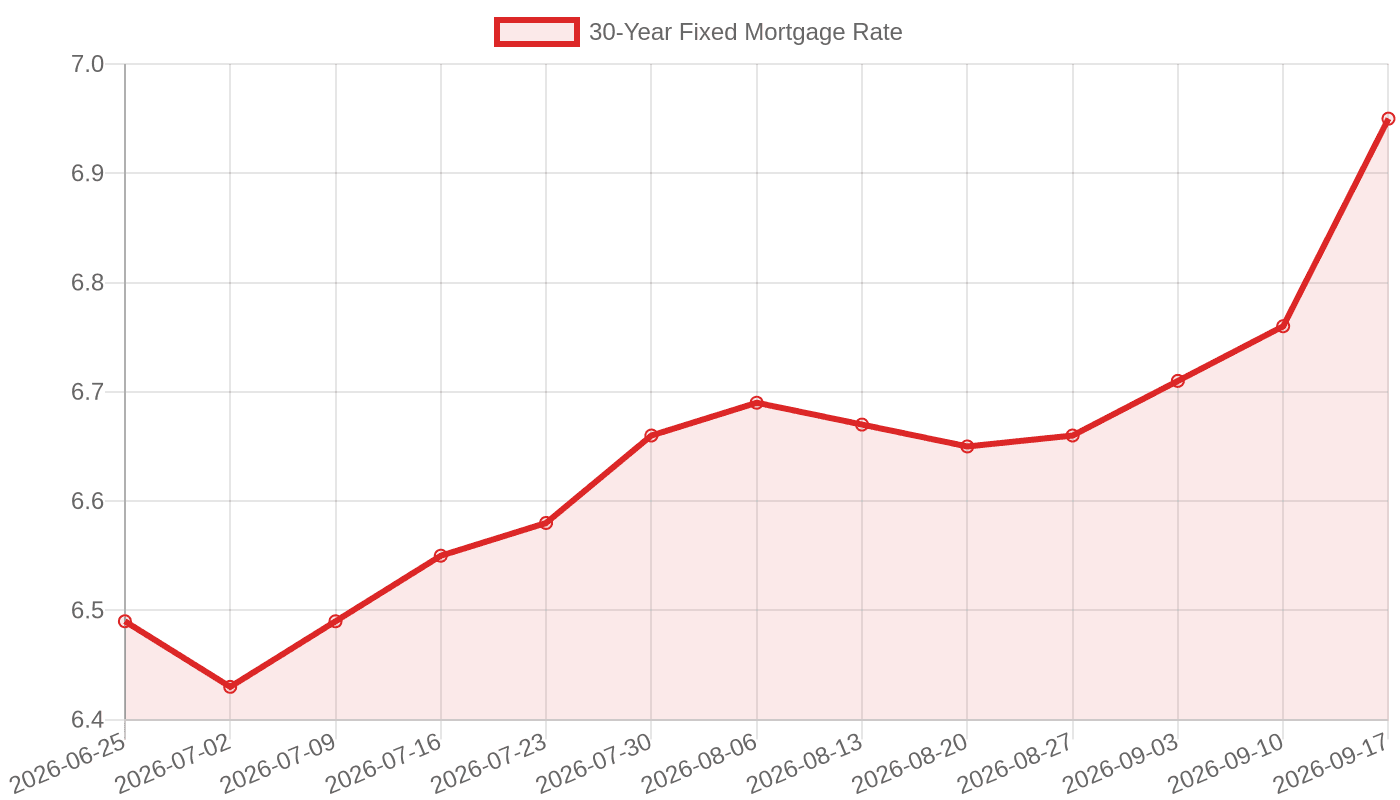
When rates climb, your end buyer's carrying cost climbs with them. That's why cash buyers — who often use hard money or their own funds — care so much about getting in below market. Your job is to hand them a number that still works when money is expensive.
Days on market tell you how fast to move
Median days on market was 60 as of August 2026. It had spiked to 78 in January 2026 before cooling back down.
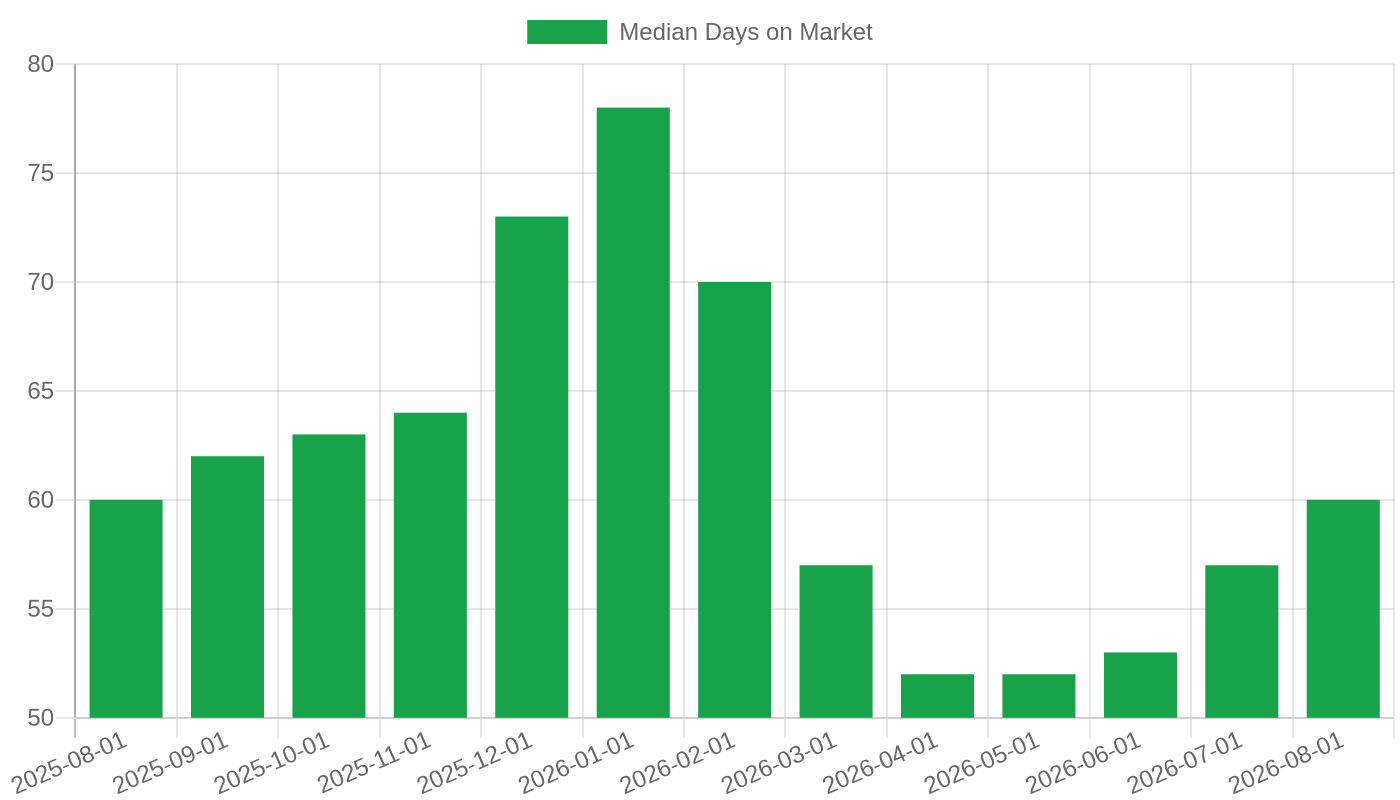
A 60-day median means your buyer may need two months to resell. Build that into your timeline, and don't set a closing date so tight that your buyer can't line up financing.
What paperwork does an assignment of contract require?
An assignment needs three core documents: the original purchase agreement (with an assignment clause), the assignment agreement itself, and a notice of assignment to the seller.
Miss any one of these and you can stall your closing — or worse, get sued.
The purchase agreement
This is the contract you sign with the seller. The critical piece is the assignment clause, which gives you the right to assign your interest to someone else.
The assignment agreement
This is the contract between you and your end buyer. It spells out the purchase price, your assignment fee, and the closing date.
The notice of assignment
This tells the seller that you've handed your rights to a new buyer. It protects everyone and keeps the title company clear on who's closing.
How much can you make on an assignment?
There's no fixed number, but most assignment fees land in the $5,000 to $20,000 range depending on the spread and the market. In our example, the fee was $15,000.
Your fee is simply the gap between what the seller agreed to and what your buyer will pay. Widen that gap by negotiating a lower contract price — not by overcharging your buyer.
What eats into your fee
- Earnest money you put up (in our example, $500).
- Marketing costs to find a buyer.
- Any renegotiation if the buyer's inspection turns up problems.
Keep those small and your net stays close to your gross.
Common mistakes that kill assignment deals
Most failed assignments trace back to a missing assignment clause or a seller who was never told what was happening. Both are avoidable.
No assignment clause
If your purchase agreement doesn't allow assignment, you can't legally hand the deal off. Always confirm the clause is there before you sign.
Skipping the notice to the seller
Sellers get nervous when a stranger shows up at closing. A simple notice of assignment keeps everyone calm and keeps the deal on track.
Pricing your buyer out
Your buyer needs room to profit too. If you squeeze the spread too hard, they walk — and you're stuck closing on a house you didn't want.
Forgetting your closing timeline
With a median of 60 days on market, your buyer needs breathing room. Set a closing date that gives them time to line up funds.
How software makes assignments easier
Software won't find the deal for you, but it removes the busywork that slows you down — comping, skip tracing, follow-up, and contract tracking.
Our directory tracks 65 tools across 9 categories built for wholesalers. That's a lot of options, so here's how to think about where software actually helps.
Deal analysis and comps
Tools like PropStream and ATTOM Data give you the comps and property data you need to price a contract correctly. Get this wrong and your spread disappears.
Lead generation and follow-up
A CRM like GoHighLevel keeps your seller and buyer conversations from falling through the cracks. In wholesaling, follow-up is the business.
Contract and pipeline tracking
Launch Control and similar tools help you track contracts, deadlines, and assignments so nothing slips past its closing date.
The Bottom Line
An assignment of contract lets you profit from a deal without owning the property — in our example, $15,000 for putting a seller and a cash buyer together. The whole thing hinges on an assignment clause, a clean assignment agreement, and a notice to the seller. Your next step: browse the wholesaling tools in our directory and pick one that handles the comping and follow-up so you can focus on finding the next deal.
Frequently Asked Questions
How much can you make on an assignment of contract?
In the example in this post, the wholesaler kept a $15,000 assignment fee on a $180,000 contract assigned for $195,000. Most fees land somewhere in the $5,000 to $20,000 range depending on the spread and the market.
Do you need a real estate license to assign a contract?
In most states you don't need a license to assign your own contract, because you're selling your interest in a contract rather than brokering someone else's property. Rules vary by state, so confirm with a local real estate attorney before you start.
What happens if the seller won't allow assignment?
If your purchase agreement has no assignment clause, you can't legally hand the deal to another buyer. You'd either need to renegotiate the clause or close on the property yourself.
Does the seller get less money in an assignment?
No. The seller still receives the full price they agreed to — $180,000 in our example. Your assignment fee comes out of the end buyer's higher purchase price, not the seller's proceeds.
How long does an assignment take to close?
It depends on your buyer's funding, but with a median of 60 days on market nationally as of August 2026, it's smart to give your end buyer enough time to line up cash or financing before the closing date.
What documents do you need for an assignment of contract?
You need three: the original purchase agreement with an assignment clause, the assignment agreement between you and your end buyer, and a notice of assignment sent to the seller.
Sources
- Software tools tracked in the Wholesale REI directory — Wholesale REI directory
- Tool categories in the Wholesale REI directory — Wholesale REI directory
- Median Sales Price of Houses Sold (as of 2026-04-01) — FRED (Federal Reserve Bank of St. Louis)
- 30-Year Fixed Mortgage Rate (as of 2026-09-17) — FRED (Federal Reserve Bank of St. Louis)
- Median Days on Market (as of 2026-08-01) — FRED (Federal Reserve Bank of St. Louis)
This article was researched and drafted with AI assistance, then reviewed and edited by Mark Anthony. Every statistic is sourced and cited. It's for informational purposes only and is not financial or legal advice. Read our editorial policy.