Assignment of Contract Real Estate Meaning: How Wholesalers Get Paid Without Owning the House


You found a motivated seller, got the property under contract, and now you need to get paid — without ever buying the house. That is exactly what an assignment of contract lets you do.
Key Takeaways
- An assignment of contract means you sell your right to buy a property to another buyer before your own closing date.
- You never take title. You get paid an assignment fee — the gap between your contract price and what your end buyer pays.
- The Wholesale REI directory tracks 65 software tools across 9 categories that wholesalers use to find deals and manage contracts.
- Market context matters: the median U.S. home sold for $410,700 (as of 2026-04-01) and the 30-year fixed mortgage rate sat at 6.76% (as of 2026-09-10).
- Assignment works best when your purchase contract includes a clear assignment clause and you disclose the fee to your buyer.
What is assignment of contract real estate meaning?
Assignment of contract in real estate means transferring your rights and obligations under a purchase agreement to another party — usually another investor — before the deal closes. You step out of the buyer's seat and your assignee steps in.
Here is the simple version. You sign a contract to buy a house at $180,000. Before closing, you find another investor who will pay $195,000 for that same contract. You assign your contract to them and collect the $15,000 difference as your assignment fee.
You never own the property. You never get a mortgage. You never swing a hammer. You just control the contract and get paid for it.
This is the engine behind most real estate wholesaling. The wholesaler is really a contract trader, not a landlord or a flipper.
The three parties in every assignment
- The seller — the homeowner who agreed to sell at your price.
- You (the assignor) — the wholesaler who holds the purchase contract.
- The end buyer (the assignee) — the investor who takes over your contract and closes.
Everyone has to win. The seller gets the price they agreed to. You get your fee. The end buyer gets a deal that still works for their numbers.
Assignment vs. double closing
A double closing (also called a simultaneous close) is different. With a double close, you actually buy the property and then immediately resell it to your end buyer — two separate transactions, two sets of closing costs.
Assignment is one transaction. You just hand over the contract. That is why assignment is usually cheaper and faster for wholesalers.
How does an assignment of contract actually work?
An assignment of contract works in five steps: get the property under contract, find an end buyer, sign an assignment agreement, collect your fee, and let the buyer close. The key is that your original purchase contract must allow assignment.
Here is the step-by-step.
Step 1: Get the property under contract
You negotiate a purchase price with the seller and sign a purchase and sale agreement. This contract is your asset. Without it, you have nothing to assign.
Step 2: Make sure the contract is assignable
Look for an assignment clause — language that says you may assign the contract or sell your equitable interest. If it is not there, ask the seller to add it. Many sellers will agree if you explain it simply.
Some contracts say "and/or assigns" next to the buyer's name. That phrase is your green light.
Step 3: Find your end buyer
This is the marketing part. You post the deal to your cash buyer list, run direct mail, or use a deal-finding platform. Your job is to find an investor who will pay more than your contract price.
Step 4: Sign the assignment agreement
You and the end buyer sign a short assignment contract. It states the original purchase price, the assignment fee, and the closing date. The end buyer usually deposits earnest money.
Step 5: Collect your fee at closing
The title company or closing attorney pays you your assignment fee out of the closing funds. You get a check. The end buyer gets the deed.
A quick numbers example
Say you lock up a house at $180,000. Your end buyer agrees to pay $195,000. Your assignment fee is $15,000, minus any marketing costs and closing fees on the assignment side.
That is the whole model. Control the contract, sell the contract, get paid.
Why is assignment of contract popular right now?
Assignment is popular because it needs almost no capital and it works in a slow market. When homes sit on the market longer, sellers get flexible — and wholesalers get more contracts to assign.
The data backs this up. The median U.S. home spent 60 days on the market as of 2026-08-01, up from a low of 52 days in April and May of 2026.
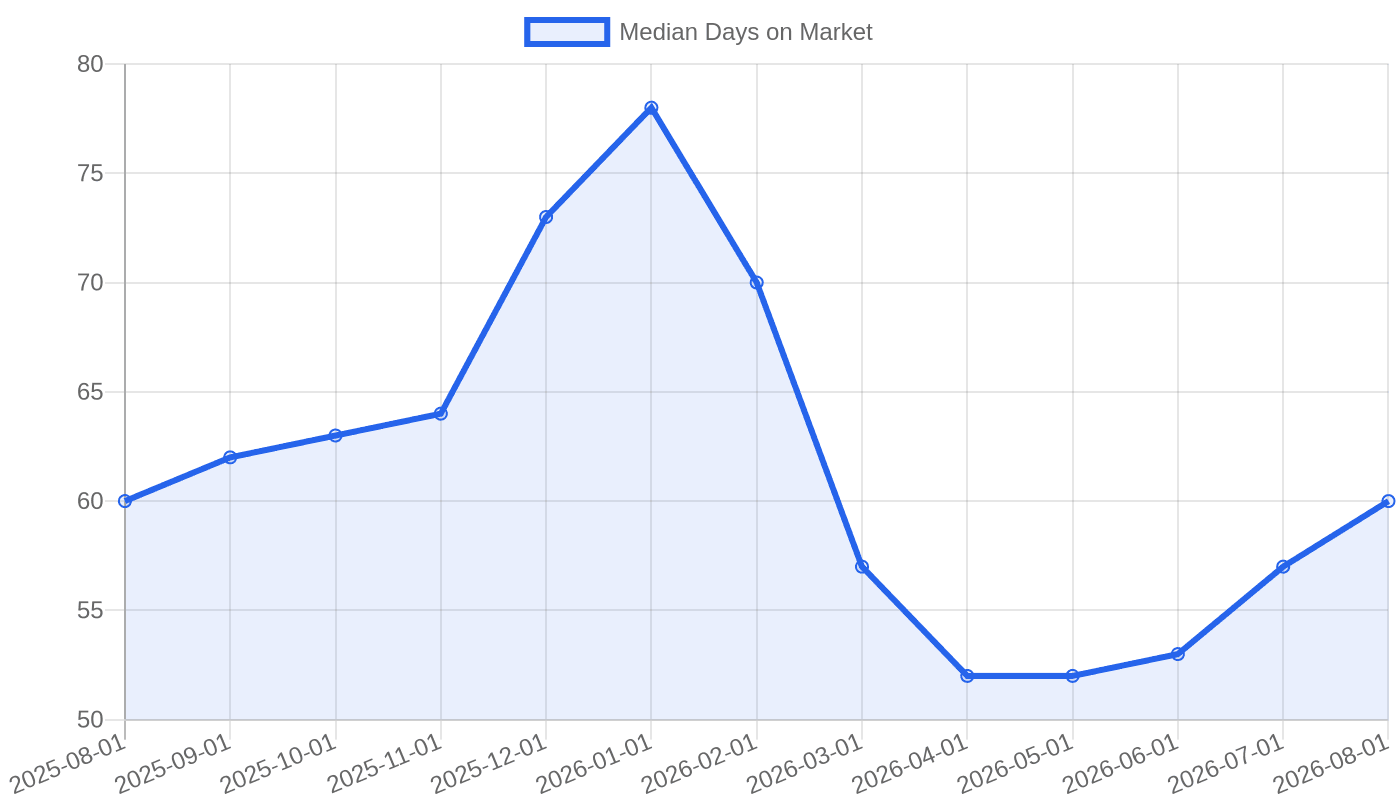
Longer days on market means more sellers who are tired of waiting. Those sellers are more open to a fast cash offer — which is exactly what you bring to the table.
At the same time, the median sales price of houses sold was $410,700 as of 2026-04-01. Prices have cooled from the 2023 peak of $435,400, but they are still high enough that end buyers need a discount to make their numbers work.
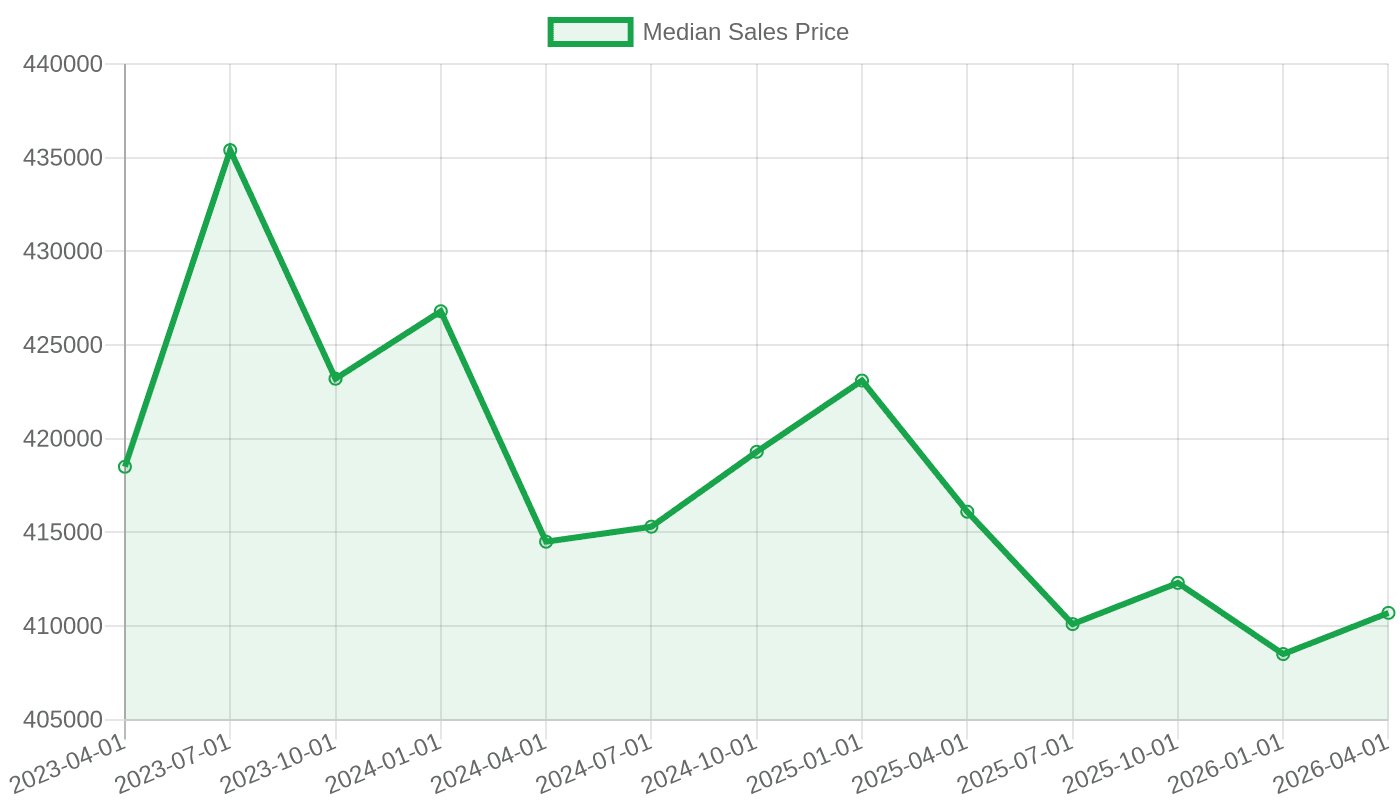
That gap between retail price and investor price is where your assignment fee lives.
Financing costs push buyers toward creative deals
The 30-year fixed mortgage rate was 6.76% as of 2026-09-10, up from 6.47% in mid-June 2026.
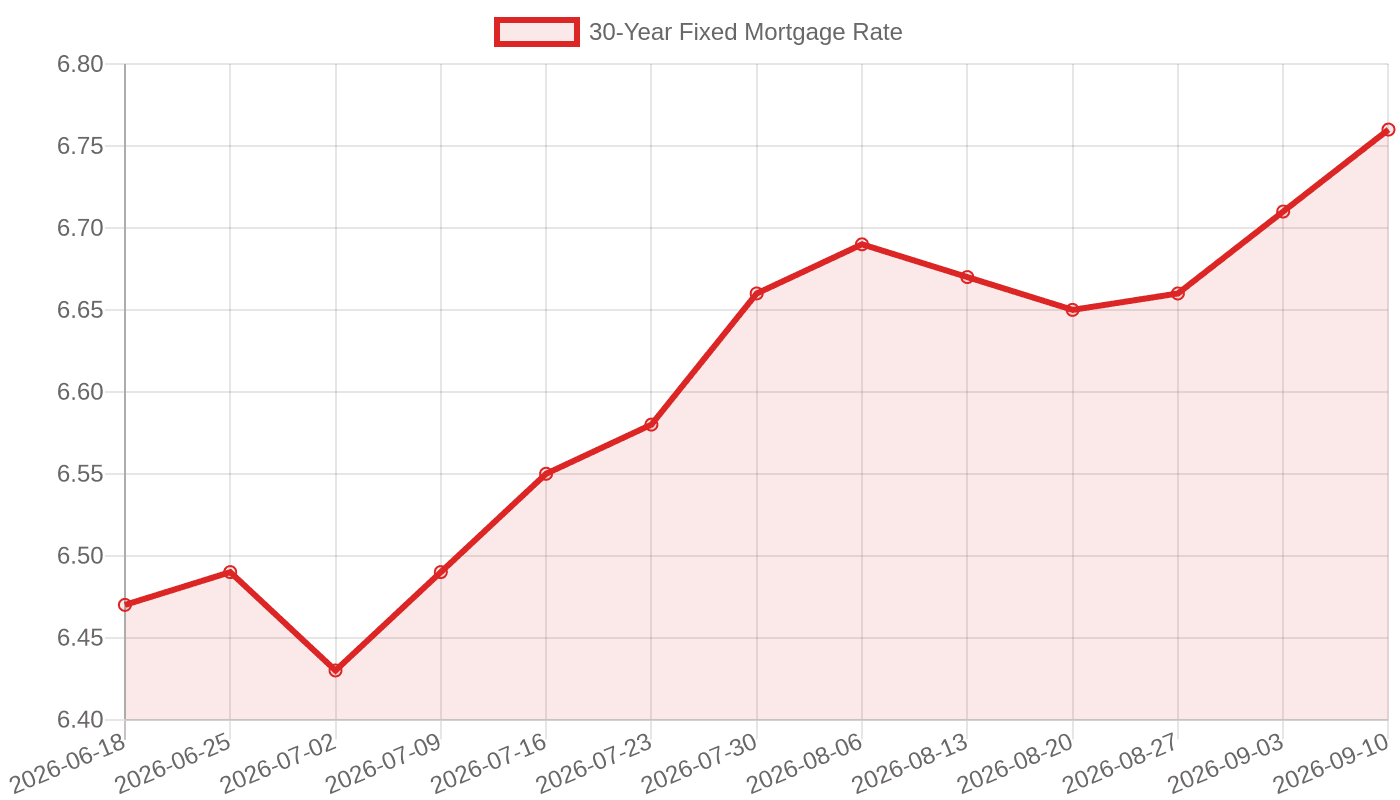
When borrowing is expensive, retail buyers slow down. Investors who pay cash or use private money become more important. That is your customer base.
What does an assignment fee look like — and how much can you make?
An assignment fee is the difference between your contract price and the price your end buyer pays. There is no fixed amount. Fees commonly land in the $5,000 to $20,000 range on typical single-family deals, but they can be smaller or much larger depending on the spread.
Your fee is not set by a rule. It is set by the deal. If you negotiate a great contract price and your end buyer still has room to profit, you can charge more.
What affects your fee size
- The spread — how far below market you locked the property.
- The end buyer's numbers — they need their own margin after repairs.
- Your marketing reach — more buyers means more competition for your contract.
- The property's condition — heavy rehab deals need bigger discounts.
Where your fee comes from at closing
At closing, the title company handles the money. The end buyer's funds pay the seller's price, cover closing costs, and pay your assignment fee. You get a check or a wire.
You do not need to bring cash to the table. That is the beauty of assignment.
Is assignment of contract legal?
Yes, assignment of contract is legal in most U.S. states when it is done with disclosure and a proper written agreement. The trouble starts when wholesalers hide the fee or market a property they do not own without permission.
A few states have added rules. Some require a real estate license for certain marketing activities. Some require specific disclosures. A few have cracked down on "phantom" wholesaling where the contract is never really assignable.
How to stay on the right side of the line
- Disclose your fee. Tell the seller and the end buyer what you are making.
- Get it in writing. Use a clear assignment agreement.
- Use a title company or attorney. Let a professional handle the closing.
- Know your state rules. Check with a local real estate attorney before your first deal.
- Do not market a property you do not control. Only advertise deals you have under contract.
When you do it cleanly, assignment is a normal, accepted part of real estate investing.
What tools help wholesalers find and assign contracts?
The Wholesale REI directory tracks 65 software tools across 9 categories — from lead generation to CRM to data and skip tracing. The right stack makes finding assignable deals much faster.
Here is how the main tool types fit into the assignment workflow.
| Tool type | What it does | Where it fits in assignment |
|---|---|---|
| Lead generation | Finds motivated sellers | Fills your pipeline of potential contracts |
| Property data | Shows comps, equity, and owner info | Helps you price offers accurately |
| CRM | Tracks leads and follow-ups | Keeps sellers and buyers organized |
| Dialers | Automates outbound calls | Speeds up seller and buyer outreach |
| Contract/transaction tools | Manages documents and closings | Keeps assignment paperwork clean |
Why data tools matter for your spread
Your assignment fee depends on knowing the real numbers. If you misjudge repairs or market value, your end buyer walks — and your contract dies.
Property data tools help you estimate value, spot equity, and check owner details. That is how you make offers that leave room for your fee and your buyer's profit.
Why a CRM keeps deals from slipping
Most wholesalers juggle dozens of leads at once. A CRM keeps every seller and buyer in one place so nothing falls through the cracks. Follow-up is where contracts get signed.
What are the biggest risks of assigning a contract?
Assignment is low-risk compared to flipping, but it is not risk-free. The biggest dangers are an unassignable contract, a buyer who backs out, and legal missteps around disclosure.
Risk 1: Your contract is not assignable
If the purchase agreement bans assignment, you cannot legally hand it off. Always check the clause before you sign.
Risk 2: Your end buyer walks
Buyers get cold feet. If yours disappears, you either find a new buyer fast or you risk losing your earnest money and the deal.
Risk 3: You underprice your fee
New wholesalers often leave money on the table by charging too little. Know your market spread before you quote a fee.
Risk 4: Legal and licensing issues
Marketing a property you do not own, or hiding your fee, can create real legal problems. Disclose everything and follow your state's rules.
How to reduce each risk
- Add an assignment clause to every contract.
- Build a deep cash buyer list so you always have backups.
- Study recent comps before setting your fee.
- Work with a real estate attorney in your state.
Assignment of contract vs. wholesaling: what is the difference?
Wholesaling is the business strategy. Assignment of contract is the main tool that makes it work. You can wholesale without assigning — for example, by double closing — but assignment is the most common method.
Think of it this way: wholesaling is what you do. Assignment is how you get paid for it.
Other exit strategies for a wholesaler
- Double closing — buy and resell in two transactions.
- Novation — renegotiate the contract with the seller and resell.
- Fix and flip — buy, repair, and sell for retail.
- Buy and hold — keep the property as a rental.
Assignment is usually the fastest and cheapest of these. That is why it is the go-to for beginners.
How do you write a simple assignment agreement?
A simple assignment agreement names the parties, describes the original contract, states the assignment fee, and sets the closing date. Keep it short and clear, and have a title company or attorney review it.
What to include
- The assignor (you) and assignee (your buyer).
- A reference to the original purchase contract and its date.
- The assignment fee amount.
- The closing date and location.
- Signatures from both parties.
What to avoid
- Vague fee language.
- Missing closing dates.
- No reference to the original contract.
- Skipping legal review in a new state.
A clean agreement protects everyone and makes closing day boring — which is exactly what you want.
The Bottom Line
Assignment of contract means you sell your right to buy a property, not the property itself, and you get paid a fee for controlling the deal. It is the fastest, cheapest way for a wholesaler to profit without owning anything. Your next step: compare the deal-finding and CRM tools in the directory so you can source more assignable contracts and keep your buyers organized. If you want to sharpen the seller conversations that start every assignment, try our free AI Cold Call Trainer — practice a few calls against a realistic AI seller before you dial a real one.
Frequently Asked Questions
What does assignment of contract mean in real estate?
It means you transfer your right to buy a property under a purchase agreement to another buyer before closing. You never take title — you collect an assignment fee for handing off the contract.
How much can you make on an assignment of contract?
There is no fixed amount. Your fee is the gap between your contract price and what your end buyer pays, and it depends on the spread you negotiate and your buyer's numbers.
Is assignment of contract legal?
Yes, in most U.S. states when you disclose your fee and use a written assignment agreement. Some states have extra rules, so check with a local real estate attorney before your first deal.
What is the difference between assignment and a double closing?
Assignment is one transaction where you hand off the contract. A double closing is two transactions where you actually buy the property and immediately resell it, which usually costs more.
How do I make my purchase contract assignable?
Include an assignment clause that lets you assign the contract or sell your equitable interest. Many investors also write "and/or assigns" next to the buyer's name.
Why is assignment popular when the market is slow?
When homes sit longer — the median was 60 days on market as of 2026-08-01 — sellers get more flexible, and that creates more contracts for wholesalers to assign.
Sources
- Software tools tracked in the Wholesale REI directory — Wholesale REI directory
- Tool categories in the Wholesale REI directory — Wholesale REI directory
- 30-Year Fixed Mortgage Rate (as of 2026-09-10) — FRED (Federal Reserve Bank of St. Louis)
- Median Sales Price of Houses Sold (as of 2026-04-01) — FRED (Federal Reserve Bank of St. Louis)
- Median Days on Market (as of 2026-08-01) — FRED (Federal Reserve Bank of St. Louis)
This article was researched and drafted with AI assistance, then reviewed and edited by Mark Anthony. Every statistic is sourced and cited. It's for informational purposes only and is not financial or legal advice. Read our editorial policy.