Assignment of Contract Real Estate PDF: What to Look For


You've got a motivated seller ready to sign — but the assignment contract PDF in your inbox could make or break your fee. One missing clause and you're stuck with a deal you can't sell, or worse, a legal headache that eats your profit.
Key Takeaways
- An assignment of contract PDF transfers your purchase rights to a cash buyer — but only if it includes the assignment clause, fee amount, and closing timeline.
- Always verify the original purchase contract allows assignment; some contracts prohibit it or require seller consent.
- The assignment fee should be clearly stated as a separate line item, not buried in the purchase price.
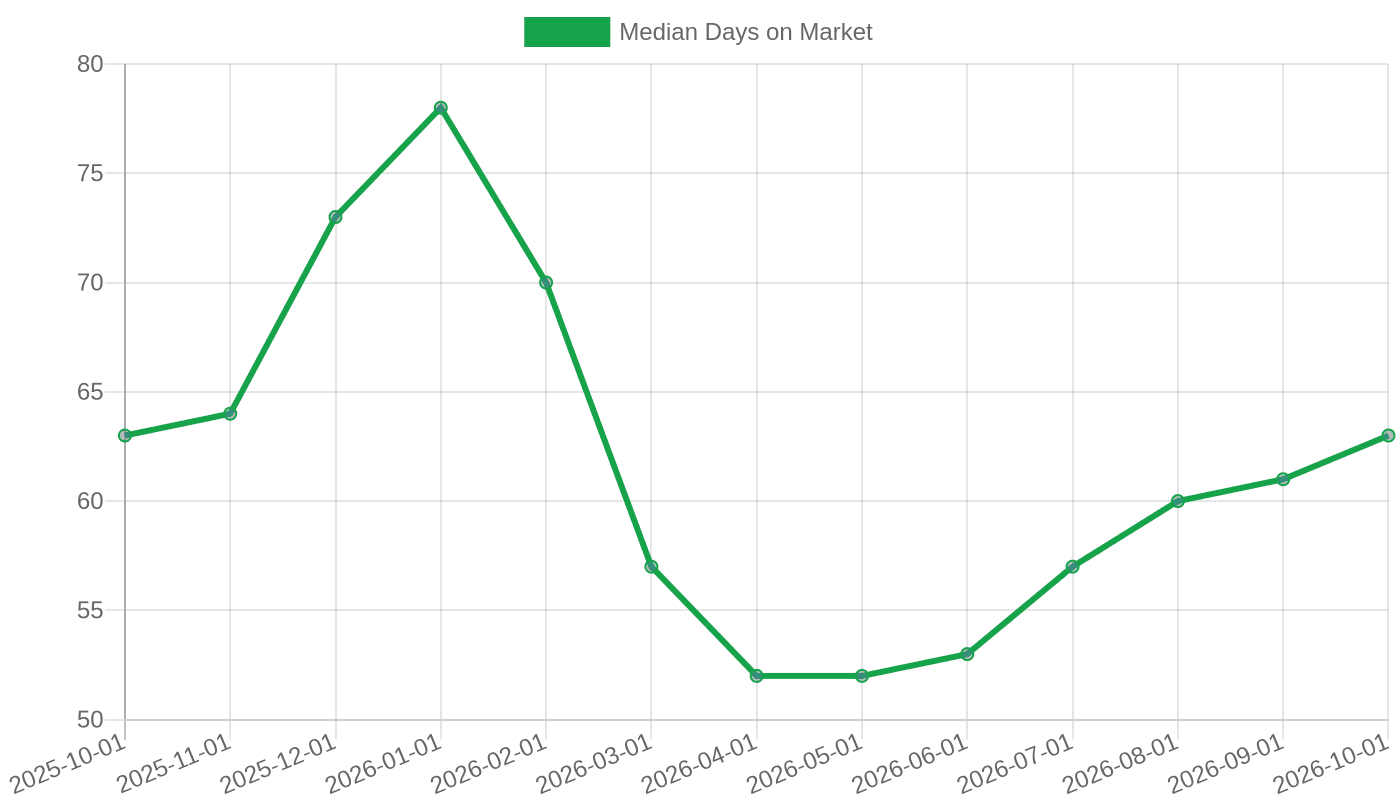
- Check the closing date and contingency deadlines — a 63-day median days on market (as of Oct 2026) means buyers are pickier, so your timeline must be realistic.
- Use a checklist: assignability, fee disclosure, buyer obligations, default clauses, and signature blocks.
What Is an Assignment of Contract in Real Estate?
An assignment of contract is a legal document that transfers your rights and obligations under a purchase agreement to another buyer — typically a cash investor — in exchange for an assignment fee. You're not selling the property; you're selling your position in the contract.
In wholesale real estate, you sign a purchase contract with a seller, then assign that contract to an end buyer for a fee. The PDF you're reviewing is the assignment agreement itself. It should clearly identify the original contract, the parties, the fee, and the terms of transfer.
Think of it this way: the original purchase contract is the asset, and the assignment PDF is the bill of sale that transfers that asset. If the bill of sale is sloppy, the asset becomes hard to transfer — and hard to get paid for.
Why the PDF Matters
A poorly drafted assignment PDF can be unenforceable. Courts look for specific elements: offer, acceptance, consideration, and mutual assent. If your PDF is missing key terms — like the exact fee or the closing date — you may not be able to collect.
"Consideration" is the legal term for what each side gives up. In your assignment, the consideration is your transfer of contract rights in exchange for the buyer's fee payment and promise to perform. If the PDF doesn't spell out both sides of that exchange, a judge has little to enforce.
Also, some states require specific disclosures or licensing for assignment transactions. A solid PDF includes those disclosures. If you're working with a title company or attorney, they'll often provide a template, but you still need to read it.
Reading it means more than skimming for your name. Walk through each clause and ask: "If this deal goes sideways, does this sentence protect me or expose me?" If you can't answer, that's your cue to call your attorney before signing.
What Should Every Assignment of Contract PDF Include?
Every assignment PDF should include the original contract date, the names of all parties, the assignment fee, the closing date, and a clear statement that the assignor transfers all rights. Without these, the document is weak.
Here's a checklist of essential elements:
- Identification of the original purchase contract — date, property address, and parties.
- Assignor and assignee names — you (the wholesaler) and the end buyer.
- Assignment fee — the exact dollar amount you're charging.
- Closing date and location — where and when the deal closes.
- Transfer of rights — language that clearly assigns your interest.
- Buyer's obligations — the assignee must perform under the original contract.
- Default clause — what happens if the buyer backs out.
- Signature blocks — for both parties, and sometimes the seller.
If any of these are missing, don't sign. Ask for a revised PDF.
The Assignment Clause in the Original Contract
Before you even get to the assignment PDF, check the original purchase contract. Does it allow assignment? Some contracts include a clause that says "buyer may not assign this contract without seller's written consent." If that's the case, you need to get consent — or walk away.
A clean assignment clause says something like: "Buyer reserves the right to assign this contract." If it's not there, you're exposed.
Here's the practical workflow: pull up the original purchase contract, search the document for the words "assign" and "assignable," and read the surrounding paragraph in full. Note whether assignment is (a) freely permitted, (b) permitted only with written seller consent, or (c) prohibited outright. If it's (b), draft a short written consent addendum for the seller to sign at the same time as the purchase contract — not later. Getting consent after you've already found a buyer puts you in a weak negotiating position.
Anatomy of a Strong Transfer-of-Rights Clause
The transfer-of-rights language is the engine of the whole document. A strong clause does three things at once: it names the original contract precisely, it assigns "all of Assignor's right, title, and interest" under that contract, and it makes clear the assignee steps into the assignor's shoes — assuming the same obligations the assignor had. Vague language like "Assignor hereby assigns the contract" without identifying the contract by date and property leaves room for dispute about what, exactly, was transferred.
Matching the PDF to the Original Contract
The assignment PDF is a companion document, not a standalone one. Every fact in it — property address, legal description, purchase price, earnest money amount, closing date — should mirror the original purchase contract exactly. Before signing, lay the two documents side by side and compare line by line. A mismatch between the two is one of the most common reasons title companies kick a file back, and every kick-back costs you days on a clock that's already tight.
How Do You Spot Red Flags in an Assignment Contract PDF?
Red flags include missing fee disclosures, vague closing dates, no default clause, and language that prohibits assignment. Any one of these can kill your deal.
Here are the most common red flags and what they mean:
- No assignment fee stated — if the fee isn't in the PDF, you may not be able to enforce payment.
- Blurred lines between purchase price and fee — the fee should be separate from the purchase price. If it's lumped in, you could be accused of hiding it from the seller.
- No closing date — open-ended timelines invite delays and disputes.
- No default clause — if the buyer walks, you have no recourse.
- Missing seller signature — some states require the seller to acknowledge the assignment.
- Incorrect property description — a typo in the address or legal description can void the contract.
The Fee Disclosure Trap
Some wholesalers try to hide their assignment fee from the seller. That's a mistake. In many states, you must disclose the fee. If the seller later finds out, they could sue for fraud. Always state the fee clearly in the PDF and in your communications with the seller.
Beyond the legal exposure, hidden fees poison the relationship you'll need at the closing table. Sellers who feel deceived become uncooperative — they miss signing appointments, dispute the closing statement, or threaten to cancel the purchase contract entirely. A disclosed fee that the seller agreed to is a fee you can actually collect. An undisclosed one is a lawsuit waiting for a trigger.
Reading the Default Clause Like a Negotiator
Most people skim the default clause. Don't. Ask three questions of every default provision: What counts as a default? What notice must be given before a default is declared? And what's the remedy — forfeiture of earnest money, specific performance, or damages? A default clause that lets the buyer walk for any reason with earnest money returned gives you zero protection. You want language tying the buyer's earnest money to performance, with a clear cure period and a defined remedy if the buyer fails to close.
Blank Fields and "To Be Determined" Language
Never sign a PDF with blank fields — not the fee, not the closing date, not the property description. A blank is an invitation for someone else to fill it in later, and "to be determined" language is functionally the same as a blank. If a term genuinely isn't settled yet, that's a signal the deal isn't ready for an assignment PDF. Finish the negotiation first, then paper it.
How Does the Current Market Affect Your Assignment Deal?
Higher mortgage rates and slower home sales make it harder to assign contracts — buyers are more cautious, and deals take longer to close. As of November 19, 2026, the 30-year fixed mortgage rate was 7.28%, up from 6.66% in late August. That's a sharp jump in just a few months.
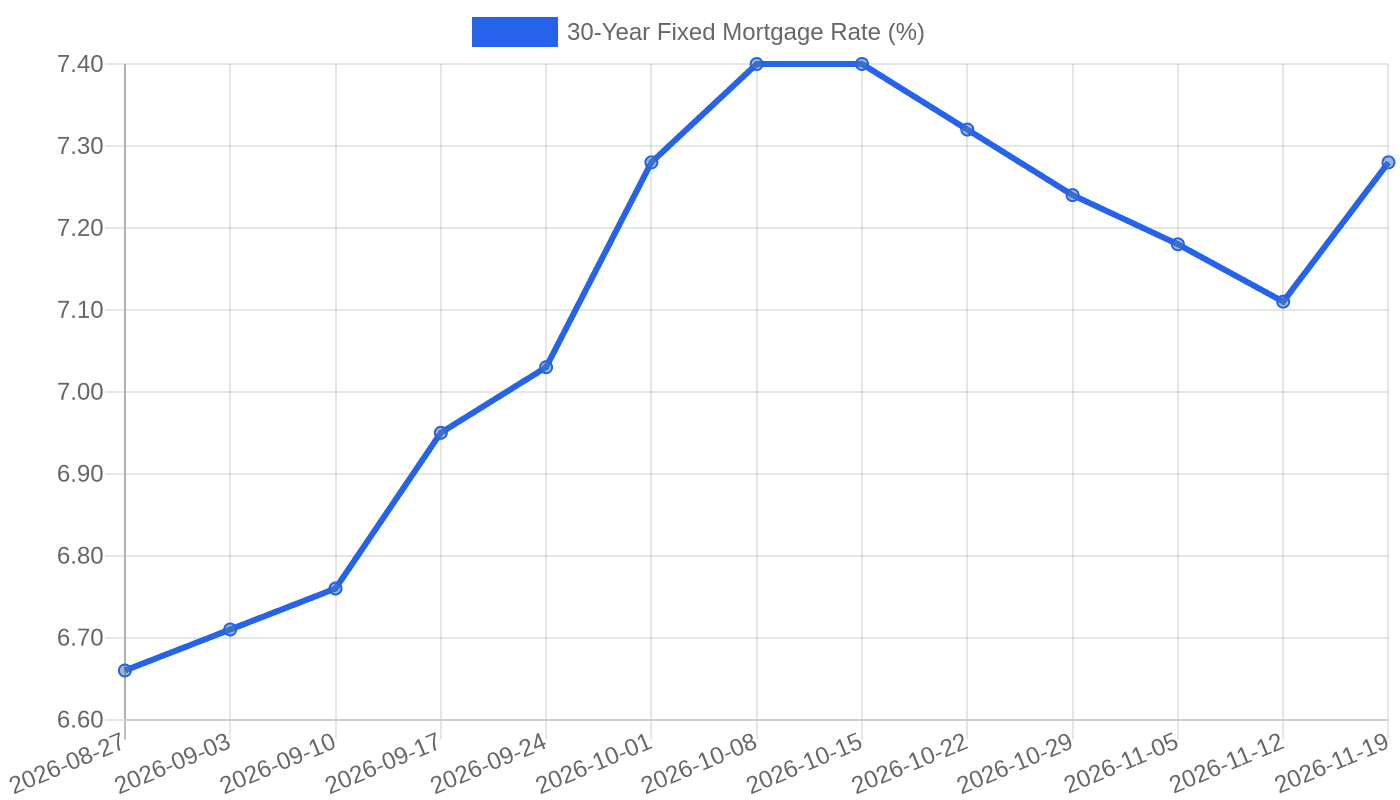
When rates rise, fewer buyers qualify for financing. That means your pool of end buyers shrinks. Cash buyers are less rate-sensitive, but they're also more selective. They want deeper discounts.
Median days on market was 63 days as of October 2026 — up from 52 days in April 2026. Homes are sitting longer, which means your assignment timeline needs to account for slower sales.
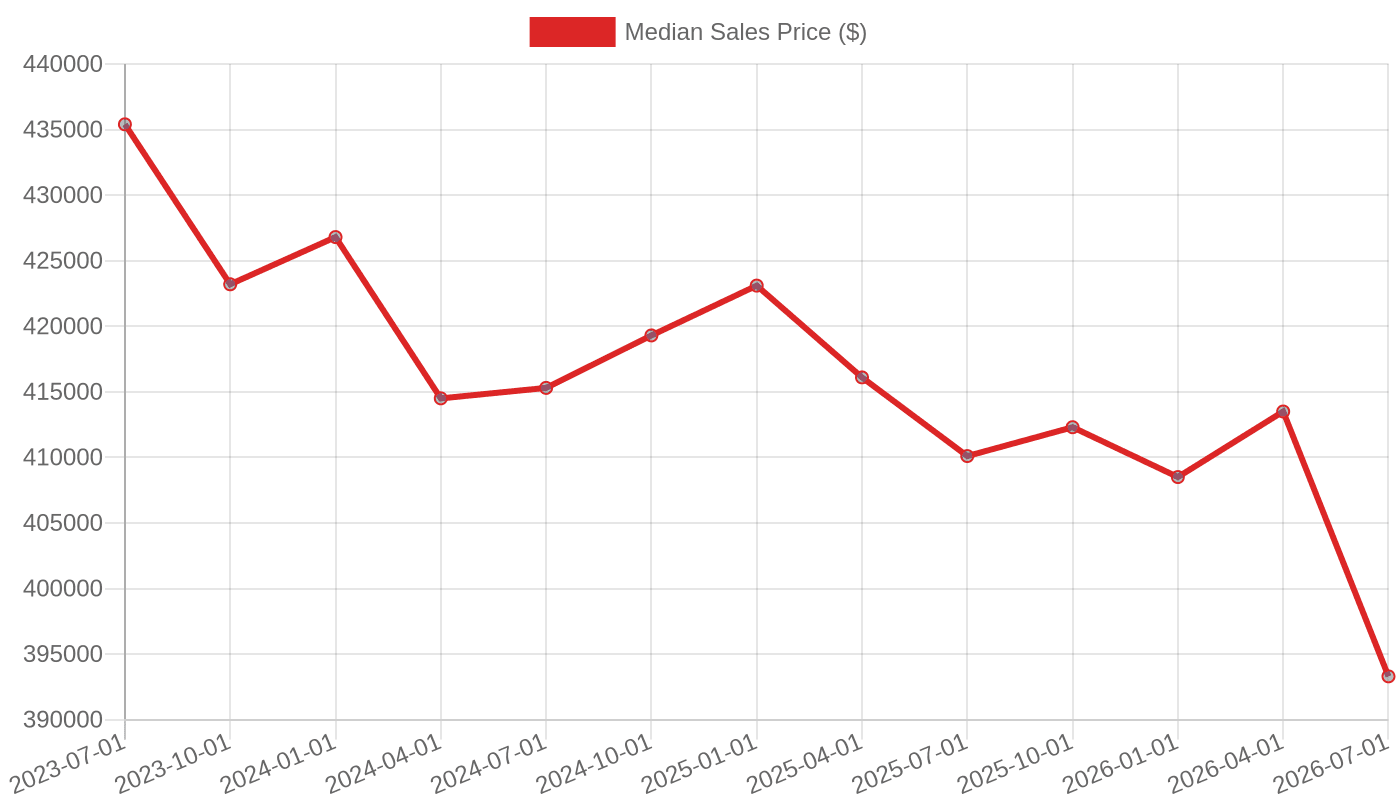
The median sales price of houses sold was $393,300 as of July 2026, down from $435,400 in July 2023. Prices are softening, so your assignment fee needs to reflect current values, not last year's comps.
What This Means for Your PDF
Your assignment PDF should include a realistic closing date — typically 30 to 45 days, but in slower markets, consider 60 days. Also, include a contingency that allows the buyer to extend if financing falls through. And make sure your fee is based on current market comps, not outdated numbers.
Building a Rate-Aware Buyer List
In a higher-rate environment, your buyer list is your lifeline. Segment it deliberately: cash buyers who can close without financing, hard money buyers whose cost of capital you understand, and financed buyers who are most exposed to rate moves. When you send out a deal, lead with your cash buyers and give financed buyers a realistic picture of the closing timeline. A buyer who knows the timeline up front is far less likely to re-trade your fee at the closing table.
Pricing Your Fee Against Current Comps
Run fresh comps for every deal — sold properties within the last few months, adjusted for condition and distance. Then work backward: end-buyer resale value, minus their rehab costs, minus their target profit margin, minus your assignment fee, equals the maximum you can offer the seller. If that number doesn't work with today's softened prices, the deal doesn't work — no matter how motivated the seller seems.
What Are the Different Types of Assignment Contracts?
There are two main types: the straight assignment and the double closing. A straight assignment transfers the contract directly to the end buyer. A double closing involves two separate transactions — you buy the property, then sell it to the end buyer.
Most wholesalers use straight assignments because they require less cash. But double closings can be useful if the seller doesn't want the buyer to know your fee, or if the lender requires it.
| Feature | Straight Assignment | Double Closing |
|---|---|---|
| Cash needed | Low (just earnest money) | Higher (full purchase price) |
| Fee disclosure | Visible to all parties | Can be hidden from seller |
| Timeline | Faster | Slower (two closings) |
| Risk | Buyer could back out | You own the property briefly |
| Best for | Cash buyers, simple deals | Lenders, privacy concerns |
If you're using a straight assignment, your PDF must clearly state the fee. If you're doing a double closing, you'll need two sets of documents — but the assignment PDF is still part of the package.
Choosing Between the Two
The decision usually comes down to three factors: cash on hand, the seller's expectations, and the end buyer's funding. If you have limited capital and a cash buyer lined up, a straight assignment is the cleaner path. If the end buyer is using a lender that won't allow an assignment, or the seller has made clear they don't want a middleman visible in the transaction, a double closing solves the problem — at the cost of more cash and more time. Decide before you draft documents, because the paperwork package differs substantially.
How Do You Review an Assignment PDF Step by Step?
Reviewing an assignment PDF takes about 15 minutes if you follow a system. Here's a step-by-step process:
- Check the parties — are your name and the buyer's name correct? Is the seller's name correct?
- Verify the property description — address, legal description, and parcel number should match the original contract.
- Confirm the assignment fee — is it stated clearly and separately from the purchase price?
- Review the closing date — is it realistic given current market conditions?
- Look for a default clause — what happens if the buyer doesn't close?
- Check for seller consent — if required in your state, is it included?
- Ensure signature blocks — are there lines for all parties?
- Scan for any blank fields — never sign a PDF with blanks.
Use a Checklist
Create a one-page checklist and use it every time. This reduces errors and speeds up your review. You can also use software tools to automate some of this — the Wholesale REI directory tracks 65 software tools across 9 categories, including contract management and e-signature tools.
A 15-Minute Review Routine That Actually Works
The trick to a fast, reliable review is doing the steps in the same order every time. Start with the two documents side by side and verify identity facts first — parties, property, contract date. Then move to money terms — fee, purchase price, earnest money. Then timing — closing date and any contingencies. Finish with enforcement terms — default clause, signature blocks, blanks. Reading in this order means you catch the deal-killers before you get lost in boilerplate. When you find an issue, write it down immediately rather than trusting your memory; a short list of requested changes is far more persuasive to the other side than a vague "please revise."
What Legal Risks Should You Watch For?
Legal risks include unenforceable contracts, fraud claims, and licensing violations. If your assignment PDF is missing key terms, a court may not enforce it. If you hide fees, you could face fraud charges. And if you're assigning contracts without a real estate license in a state that requires one, you could be fined.
Some states, like Illinois and Oklahoma, have specific rules for wholesalers. Always consult a local real estate attorney before using a new assignment template.
Unenforceable Contracts
A contract is unenforceable if it lacks essential terms. For an assignment, those terms include the parties, the property, the fee, and the closing date. If any are missing, the contract may be void.
Fraud and Misrepresentation
Hiding your fee from the seller can be considered fraud. Always disclose. Even if your state doesn't require it, transparency builds trust and reduces risk.
Licensing Issues
Some states consider wholesaling a form of real estate brokerage, which requires a license. If you're assigning multiple contracts per year, check your state's laws. A real estate attorney can tell you if you need a license.
Building Your Legal Safety Net
The cheapest legal protection is a one-time investment: have a local real estate attorney review your assignment template once, in writing, and give you a short memo on your state's rules for assignment, disclosure, and licensing. Keep that memo on file. Then, for each deal, you're only checking whether the deal fits the template — not relearning the law from scratch. When you expand into a new state, repeat the process there before you sign anything.
How Can Technology Help You Manage Assignment Contracts?
Technology can streamline contract review, e-signatures, and buyer outreach. Tools like e-signature platforms, CRM systems, and contract templates can save time and reduce errors.
For example, you can use a CRM to track all your contracts and deadlines. You can use e-signature software to get signatures faster. And you can use templates to ensure every PDF includes the right clauses.
The Wholesale REI directory lists tools like GoHighLevel for CRM, PropStream for property data, and ATTOM Data for market analytics. These can help you evaluate deals and manage your pipeline.
Automating the Review Process
Some tools offer contract review features that flag missing clauses. While not a substitute for an attorney, they can catch obvious errors. If you're doing high volume, consider using a contract management tool.
A Simple Tech Stack for Contract Management
You don't need a dozen subscriptions. A workable stack is three layers: a CRM to track every deal and deadline (so nothing slips when you're juggling multiple contracts), an e-signature tool so signatures happen in hours instead of days, and a secure cloud folder with a consistent naming convention — property address, contract type, date — so the right PDF is always findable. The deadline tracking matters most: your assignment PDF's closing date is only useful if you actually know when it is.
What Should You Do If the Assignment PDF Is Missing Key Terms?
If the PDF is missing key terms, don't sign it. Ask for a revised version. If the other party won't revise, walk away. A bad contract is worse than no contract.
Common missing terms include the assignment fee, closing date, and default clause. Sometimes the property description is wrong. Always insist on a complete, accurate PDF.
Negotiating Changes
If you're the one drafting the PDF, include all essential terms from the start. If you're reviewing someone else's PDF, don't be afraid to ask for changes. Most buyers and sellers expect negotiation.
How to Ask for Revisions Without Killing the Deal
Frame revision requests around shared interests, not distrust. Instead of "this contract doesn't protect me," say "let's add the closing date and default terms so we both know exactly what happens if timelines shift." Send your requested changes as a short, numbered list referencing specific sections — it reads as professional, not adversarial, and it makes the other side's job easy. If a buyer refuses to put the fee and closing date in writing, treat that refusal as information about how the closing will go.
How Do You Create a Solid Assignment Contract PDF?
Start with a template from a reputable source — your attorney, a title company, or a real estate investing association. Then customize it for each deal. Include all essential terms, and have an attorney review it if you're new.
Use e-signature software to get signatures quickly. Store the final PDF in a secure folder. And keep a copy for your records.
Template vs. Custom
Templates are fine for standard deals. But if you're dealing with unusual terms — like a double closing or seller financing — have an attorney draft a custom contract.
A Pre-Send Quality Check
Before any assignment PDF goes out, run a final pass: confirm every bracketed placeholder has been replaced, every dollar figure matches the deal terms, the closing date aligns with the original contract, and the signature blocks include every required party. Then send it with a short cover note summarizing the key terms — fee, closing date, and what happens next. That cover note creates a written record of the deal terms that reinforces the PDF itself.
The Bottom Line
The assignment of contract PDF is your protection — it's the document that ensures you get paid. Review it carefully, use a checklist, and don't skip the legal review. When you're ready to find tools that help you manage contracts, marketing, and buyer outreach, compare the top options in the Wholesale REI directory. And if you want to practice your negotiation skills before your next seller call, try our free AI Cold Call Trainer — it's free and takes no signup to start.
Frequently Asked Questions
What is an assignment of contract in real estate?
An assignment of contract is a legal document that transfers your rights and obligations under a purchase agreement to another buyer, typically in exchange for an assignment fee. You're selling your position in the contract, not the property itself.
What should I look for in an assignment contract PDF?
Check for the original contract details, parties' names, assignment fee, closing date, transfer of rights, buyer obligations, default clause, and signature blocks. Also verify that the original purchase contract allows assignment.
Can I assign a contract without seller consent?
It depends on the original purchase contract. Some contracts prohibit assignment without seller consent. Always check the contract language and, if required, get written consent from the seller before assigning.
How much should I charge as an assignment fee?
There's no set amount. Your fee should reflect the value you bring and current market conditions. With median home prices at $393,300 as of July 2026, typical fees range from $5,000 to $20,000, but it varies by deal.
What happens if the buyer backs out of an assignment?
If your assignment PDF includes a default clause, you may be able to keep the earnest money or pursue other remedies. Without a default clause, you have little recourse. Always include one.
Do I need a real estate license to assign contracts?
Not necessarily, but some states consider wholesaling a form of brokerage. Check your state's laws and consult a real estate attorney to ensure compliance.
Sources
- 30-Year Fixed Mortgage Rate — FRED (Federal Reserve Bank of St. Louis)
- Median Days on Market — FRED (Federal Reserve Bank of St. Louis)
- Median Sales Price of Houses Sold — FRED (Federal Reserve Bank of St. Louis)
- Software tools tracked in the Wholesale REI directory — Wholesale REI directory
- Tool categories in the Wholesale REI directory — Wholesale REI directory
This article was researched and drafted with AI assistance, then reviewed and edited by Mark Anthony. Every statistic is sourced and cited. It's for informational purposes only and is not financial or legal advice. Read our editorial policy.