Atlanta June 2026: 3 Distressed Pockets for Wholesalers


If you're wholesaling in Atlanta right now, you've probably noticed the market is shifting. Deals that used to fly off the market in a week are sitting longer, and sellers are getting more realistic about price. That's actually good news for you — as a wholesaler, your edge is speed and creativity, and a market that's cooling slightly gives you room to work.
The days of bidding wars and 24-hour escrows are fading. Instead, you're seeing sellers who are willing to negotiate, properties that need a creative solution, and less competition from retail buyers who are priced out by high mortgage rates. This is the environment where wholesaling thrives — but only if you adapt your strategy.
Key Takeaways
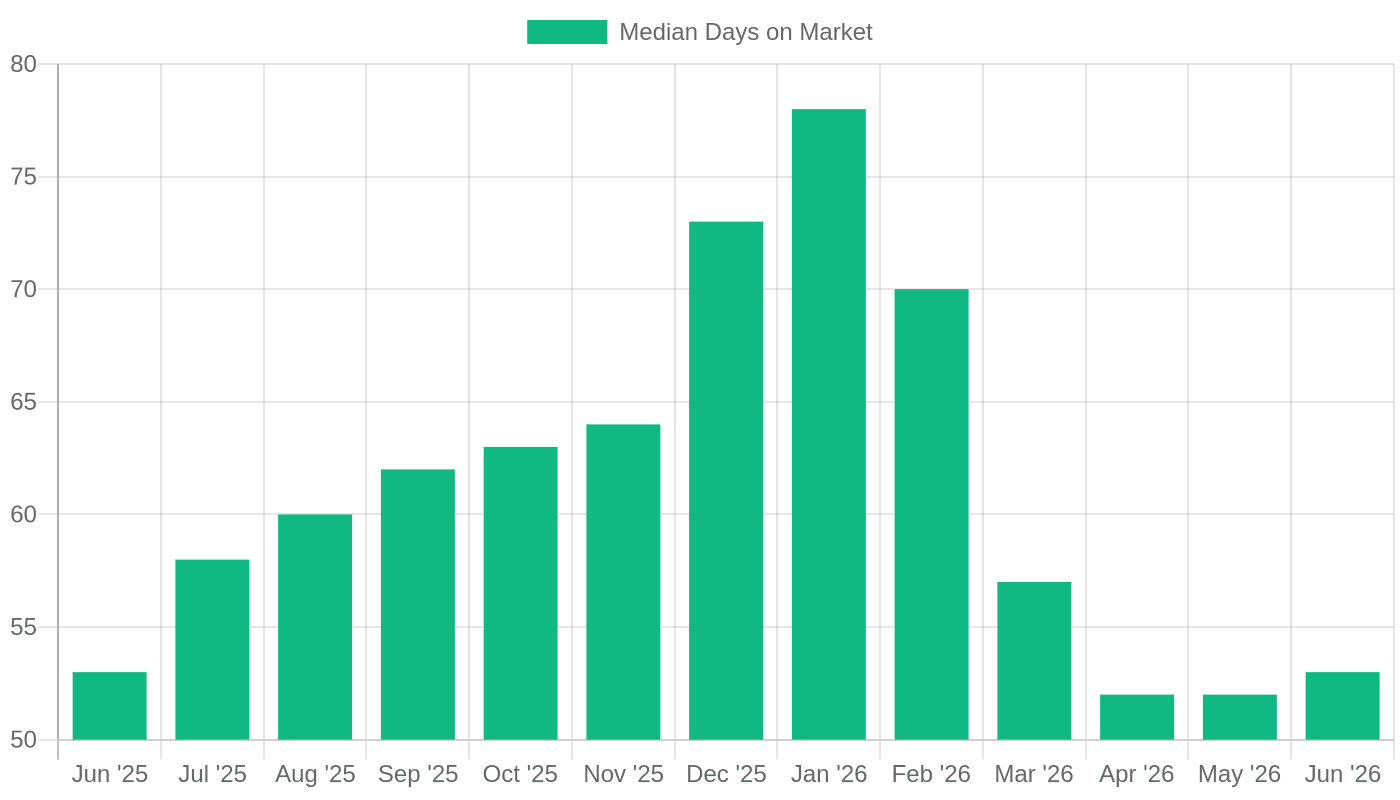
- Median days on market in Atlanta hit 53 days in June 2026 — up from 52 in April and May, but still well below the national average of 73 in December 2025. This means sellers are more patient but also more open to negotiation after 30+ days of sitting.
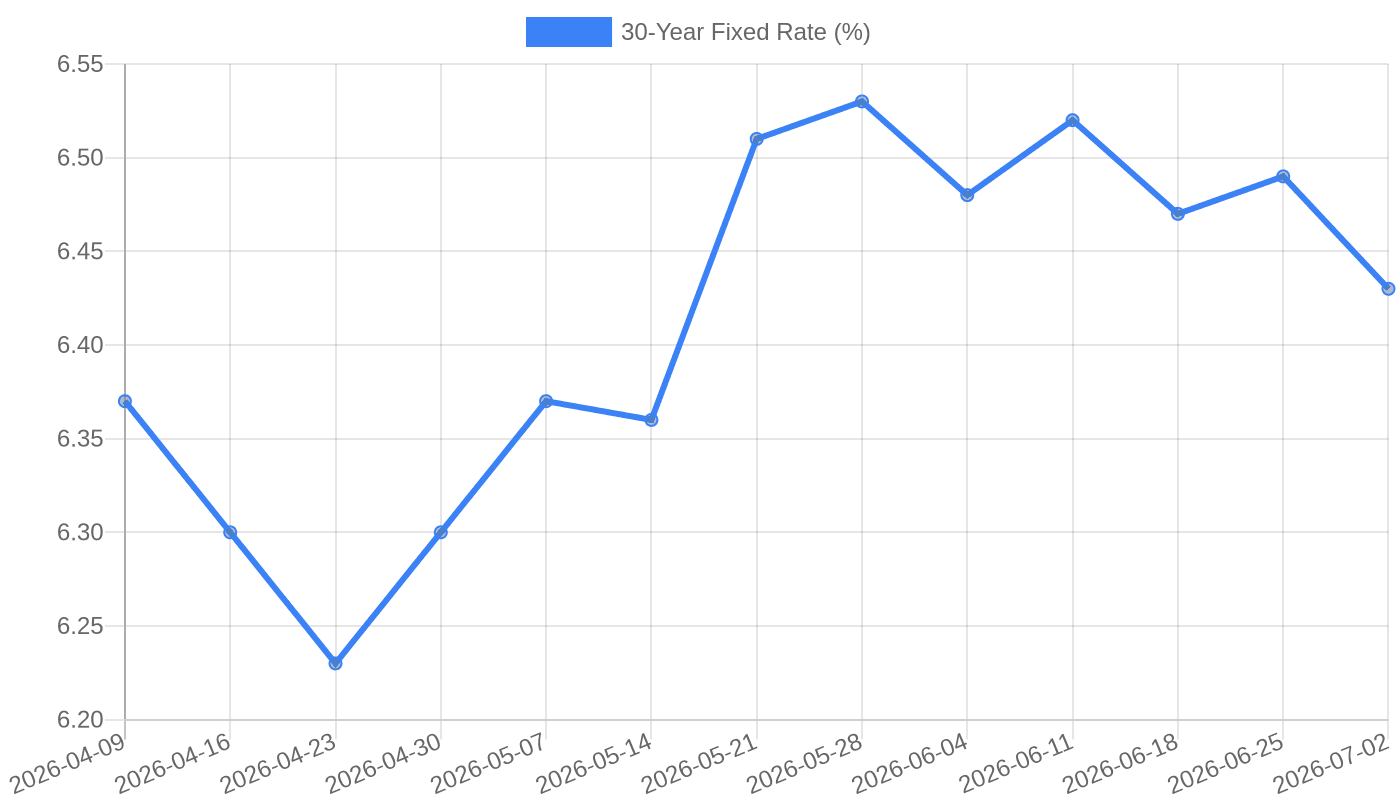
- National 30-year fixed mortgage rates hovered around 6.43% in early July 2026, keeping some buyers on the sidelines and increasing motivated seller inventory. Every 0.25% rate increase pushes thousands of potential buyers out of the market.
- National median home price fell to $403,200 in January 2026, down from $423,100 a year earlier — a 4.7% decline that signals softening. While Atlanta hasn't seen a drop of that magnitude, the psychological impact on sellers is real.
- Wholesalers should target sellers who bought or refinanced at low rates and now need to sell — these are your best motivated leads. A seller with a 2.75% mortgage who needs to relocate is far more motivated than one who bought in 2020 with 30% equity.
- Use tools like PropStream and CallTools to find distressed properties and automate your outreach — speed wins in any market. Manual prospecting is dead; automation is the only way to scale.
What Is the Atlanta Real Estate Market Doing in June 2026?
The Atlanta real estate market in June 2026 is best described as cooling but not cold. Homes are taking a bit longer to sell, but prices are still high and demand remains solid. For wholesalers, this means more motivated sellers and less competition from retail buyers — a sweet spot if you know where to look.
Key National Context
Nationally, the median sales price of houses sold fell to $403,200 in January 2026, according to FRED data. That's down from $423,100 in January 2025 — a 4.7% drop. Meanwhile, the 30-year fixed mortgage rate averaged 6.43% as of July 2, 2026, after peaking at 6.53% in late May.
What This Means for Your Deals
The national price decline creates a ripple effect. Even if Atlanta prices haven't dropped 4.7%, sellers see the headlines. When you sit across from a motivated seller and say, "National prices are falling, and your home has been on the market for 45 days," that's a powerful negotiating point. Use this data in your scripts.
Atlanta vs. National Days on Market
Nationally, median days on market peaked at 78 days in January 2026, then dropped to 53 by June 2026. Atlanta mirrors this trend, with homes sitting about 53 days in June. That's a big shift from the pandemic frenzy when homes sold in under 30 days. For wholesalers, this means sellers are more willing to negotiate on price and terms.
The 53-Day Reality Check
Here's what 53 days on market means for your prospecting:
- Days 1-14: Seller is optimistic, expecting multiple offers. Don't waste time here unless the property is distressed.
- Days 15-30: Seller starts to worry. Price reductions begin. This is when you start tracking the property.
- Days 31-45: Seller is frustrated. They've had showings but no offers. This is your sweet spot for initial contact.
- Days 46-60: Seller is desperate. They're considering price drops, rent-to-own, or creative solutions. This is where you close deals.
Why Is the Atlanta Market Shifting Now?
Three main forces are at play: mortgage rates, affordability, and seasonal patterns. Let's break each down.
Mortgage Rates Are Still High
Rates above 6% keep many potential buyers on the sidelines. The 30-year fixed rate has been bouncing between 6.23% and 6.53% since April 2026. When rates rise, monthly payments go up, and some buyers simply can't qualify. That reduces demand, which means homes sit longer.
How to Use This in Your Marketing
When you talk to sellers, frame the rate environment as an opportunity for them. Say something like: "With rates at 6.4%, most buyers can't afford a full-price offer. But I work with cash buyers who can close in 14 days, no financing contingencies. That means you avoid the risk of a deal falling through because of a loan denial."
National Home Prices Are Falling
The national median home price dropped from $423,100 in January 2025 to $403,200 in January 2026. While Atlanta prices haven't fallen as sharply, the national trend creates a psychological effect — sellers see headlines about price drops and become more flexible.
The Psychology of Price Drops
Sellers anchor to the peak. If their neighbor sold for $350,000 in 2024, they want $350,000. But when you show them that national prices are down 4.7% and their home has been on the market for 53 days, you're helping them reset their expectations. Use the FRED data as a third-party authority.
Seasonal Slowdown
Spring 2026 saw a surge in listings, and by June, inventory is higher than it was a year ago. More supply + steady demand = longer days on market. That's exactly the environment where wholesalers thrive.
The Seasonal Playbook
- Spring (March-May): High inventory, high competition. Focus on off-market deals.
- Summer (June-August): Peak inventory, motivated sellers from spring that didn't sell. Best time for lowball offers.
- Fall (September-November): Inventory drops, but sellers who are still on market are desperate. Target expired listings.
- Winter (December-February): Lowest inventory, but highest motivation. Divorce, job loss, and tax season create urgency.
How Wholesalers Can Profit in the June 2026 Atlanta Market
Your strategy needs to adapt to a market where homes sit for 53 days instead of 20. Here's how to find and close deals.
1. Target Motivated Sellers
Look for sellers who:
- Bought or refinanced at historically low rates (2-4%) and now need to sell due to job relocation, divorce, or financial distress.
- Have properties that have been on the market for 60+ days — they're getting desperate.
- Own homes with deferred maintenance or code violations — retail buyers won't touch them.
How to Find These Sellers
Use PropStream to filter for:
- Absentee owners: Out-of-state landlords are often motivated to sell.
- Pre-foreclosures: Public records show when a lender has filed a notice of default.
- Tax delinquencies: Owners who haven't paid taxes in 2+ years are usually cash-strapped.
- High equity + long ownership: Someone who bought in 1990 for $80,000 and now owns a $400,000 home free and clear is a prime candidate for a cash-out sale.
2. Use Data Tools to Find Leads
You can't knock every door. Use software to find distressed properties. The Wholesale REI directory tracks 63 tools across 9 categories to help you. Here are a few to consider:
| Tool | Best For | Key Feature |
|---|---|---|
| PropStream | Finding off-market deals | Nationwide property data with filters for equity, liens, and owner occupancy |
| CallTools | Outbound calling automation | Power dialer with local presence and voicemail drop |
| Launch Control | Lead management | Automated SMS and email follow-up sequences |
How to Build a Daily Workflow
- Morning (8-9 AM): Run PropStream filters for your target ZIP codes. Export 200-500 leads.
- Morning (9-10 AM): Skip trace those leads using a service like Batch Skip Tracing or Lead Sherpa.
- Midday (10 AM-12 PM): Upload to CallTools and dial. Aim for 100-150 calls per day.
- Afternoon (12-2 PM): Follow up with SMS and email sequences via Launch Control or GoHighLevel.
- Late Afternoon (2-4 PM): Drive for dollars in target neighborhoods. Look for overgrown lawns, boarded windows, and code violations.
3. Price Your Assignments Realistically
In a slower market, your assignment fee can't be as aggressive. Aim for $10,000-$20,000 per deal instead of $30,000+. The key is volume — more deals at lower margins still add up.
The Math on Volume
- Scenario A: 1 deal at $30,000 assignment fee = $30,000 total
- Scenario B: 3 deals at $15,000 assignment fee = $45,000 total
In a market with more motivated sellers, Scenario B is achievable. Focus on closing 2-3 deals per month at lower fees rather than waiting for the perfect $30,000 deal.
4. Build a Buyer's List Now
When you find a deal, you need a buyer ready to close. Use your CRM to segment investors who buy in specific price ranges and zip codes. Reach out weekly with new deals.
How to Grow Your Buyer List
- Join local REIA groups: Atlanta has several active real estate investor associations. Attend meetings and collect business cards.
- Use Facebook groups: Join "Atlanta Real Estate Investors" and "Georgia Wholesalers" groups. Post your deals with photos and ARV analysis.
- Network with hard money lenders: They often have lists of investors looking for deals. Offer to send them your best properties first.
- Create a deal alert system: Use a tool like Mailchimp or GoHighLevel to send a weekly "Deal of the Week" email to your buyer list.
What Are the Best Tools for Atlanta Wholesalers in June 2026?
You need tools that help you find leads, skip trace, dial, and manage deals. Here are the top picks from the Wholesale REI directory.
PropStream
PropStream gives you access to property data, including owner name, mailing address, estimated equity, lien amounts, and more. You can filter for absentee owners, pre-foreclosures, and tax delinquencies — all gold for wholesalers.
PropStream Power Filters for Atlanta
- Equity filter: Set minimum equity to 50% to find sellers with room to negotiate.
- Owner occupancy: Filter for "Absentee Owner" to find landlords who might want to cash out.
- Days on market: Filter for properties listed 30+ days on the MLS (use their MLS integration).
- Tax delinquency: Filter for 2+ years unpaid taxes.
CallTools
CallTools is a power dialer that automates outbound calls. You can upload a list of leads, and it will dial them one by one, skipping busy signals and voicemails. It also records calls for training and compliance.
CallTools Best Practices
- Use local presence: Set your caller ID to an Atlanta area code (404, 678, 770). Answer rates are 30% higher with local numbers.
- Voicemail drop: Record a professional voicemail that includes your name, company, and a callback number. Don't pitch the deal in the voicemail — just ask them to call you back.
- Call recording: Review your calls weekly. Identify what objections you're hearing and refine your script.
GoHighLevel
GoHighLevel is an all-in-one CRM and marketing platform. You can manage leads, send automated SMS and email sequences, and even run Facebook ads. It's perfect for wholesalers who want to systematize their outreach.
GoHighLevel Automation Sequence for Motivated Sellers
- Day 1: Initial SMS: "Hi [Name], this is [Your Name] with [Company]. I'm looking to buy a property in [Neighborhood]. Do you know anyone thinking of selling?"
- Day 3: Follow-up call (manual, via CallTools)
- Day 5: Email: "Quick question about [Address]..."
- Day 7: SMS: "Still interested in buying in your area. Have you thought about selling?"
- Day 14: Final SMS: "Last chance — I'm closing out my buying list this week."
Attom Data
Attom Data provides property data, tax records, and foreclosure data. It's a great source for finding pre-foreclosure leads and assessing property value.
Launch Control
Launch Control is a lead management system specifically for real estate investors. It automates follow-up via SMS and email, so you never lose a lead.
Rezzie
Rezzie is a newer tool that helps wholesalers find deals using AI. It analyzes public records to identify motivated sellers.
How to Analyze a Deal in the Current Market
Your numbers need to be tight. Here's a step-by-step process.
Step 1: Determine ARV (After Repair Value)
Use PropStream or Attom Data to find comparable sales in the area. Adjust for square footage, condition, and location. Be conservative — in a cooling market, ARVs may be flat or declining.
How to Find Comps Like a Pro
- Use 3-5 comps: Don't rely on one sale. Look for 3-5 properties sold in the last 90 days within 0.5 miles.
- Adjust for differences: If your subject property is 1,500 sq ft and the comp is 1,800 sq ft, subtract $30-$50 per sq ft from the comp's sale price.
- Check condition: If the comp was renovated and your subject needs work, subtract 10-15% for condition.
- Consider market trend: In a declining market, reduce your ARV by 2-3% to account for future price drops.
Step 2: Estimate Repair Costs
Walk the property or use a virtual estimate tool. Add a 20% contingency for surprises.
Common Atlanta Repair Costs (June 2026)
| Repair | Cost Range | Notes |
|---|---|---|
| New roof (1,500 sq ft) | $7,000-$10,000 | Add $2,000 for tear-off |
| HVAC replacement | $4,000-$6,000 | More for multi-story homes |
| Kitchen remodel (mid-grade) | $15,000-$25,000 | Includes cabinets, countertops, appliances |
| Bathroom remodel | $7,000-$12,000 | Per bathroom |
| Flooring (1,200 sq ft) | $4,000-$7,000 | LVP or tile |
| Paint (interior) | $2,000-$4,000 | Includes labor and materials |
| Contingency (20%) | Add 20% to total | Always include this |
Step 3: Calculate Maximum Allowable Offer (MAO)
Use the formula:
MAO = ARV × 0.70 - Repairs - Assignment Fee
For example, if ARV is $300,000, repairs are $40,000, and you want a $15,000 assignment fee:
MAO = $300,000 × 0.70 - $40,000 - $15,000 = $155,000
Real-World Example: Atlanta Bungalow
- ARV: $280,000 (based on 3 comps in Kirkwood)
- Repairs: $35,000 (new roof, HVAC, flooring, paint)
- Assignment fee: $15,000
- MAO: $280,000 × 0.70 - $35,000 - $15,000 = $146,000
Your offer to the seller: $146,000. Your buyer will pay $280,000 after repairs, making a gross profit of $84,000 (before their carrying costs).
Step 4: Make Your Offer
Present your offer to the seller with a clear explanation of how you can close quickly. Emphasize that you're a cash buyer (or have a cash buyer lined up) and can close in 14-21 days.
The Script
"Hi [Seller Name], I've analyzed your property at [Address]. Based on comparable sales, the after-repair value is around $280,000. With the repairs needed — the roof, HVAC, and some interior work — plus my costs to acquire and hold the property, I can offer you $146,000 cash, closing in 14 days. No repairs, no cleaning, no realtor commissions. You walk away with cash in hand."
What Are the Risks for Wholesalers in June 2026?
Every market has risks. Here are the ones to watch.
Buyer Fall-Through
If your end buyer backs out, you could be stuck with the contract. Mitigate this by having a backup buyer list and using non-refundable earnest money.
How to Protect Yourself
- Get a non-refundable deposit: Ask your buyer for $1,000-$5,000 non-refundable earnest money. If they back out, you keep the deposit.
- Maintain a backup buyer list: Have 3-5 buyers who are interested in the property type and price range. If Buyer A falls through, call Buyer B immediately.
- Use an assignment clause: Your contract with the seller should explicitly allow assignment. Georgia law permits this, but your contract must state it clearly.
Overpaying for Deals
In a cooling market, prices can drop faster than you expect. Always leave room in your MAO for price declines.
The 5% Rule
In a declining market, reduce your ARV by 5% from your initial estimate. If you think ARV is $300,000, use $285,000 in your MAO calculation. This gives you a buffer if prices drop while you're under contract.
Regulatory Scrutiny
Wholesaling is legal in Georgia, but you must follow the rules. Disclose your assignment, don't market properties you don't have under contract, and work with a real estate attorney.
Georgia Wholesaling Rules
- Disclose your assignment: When you assign the contract, the seller must know you're assigning it. Include this in your contract.
- Don't market properties you don't control: You cannot advertise a property for sale unless you have a valid contract on it.
- Work with an attorney: Have a real estate attorney review your contracts. Georgia's laws are favorable to wholesalers, but one mistake can cost you.
The Bottom Line
The Atlanta real estate market in June 2026 is a wholesaler's market — if you adapt. Homes are sitting longer, sellers are more motivated, and competition from retail buyers is easing. Use data tools to find distressed properties, automate your outreach, and price your deals realistically. The key is speed and volume. Before you make your next offer, practice your pitch with our free AI Cold Call Trainer — it takes no signup and helps you refine your script in minutes. Then get out there and find your next deal.
Frequently Asked Questions
Is the Atlanta real estate market good for wholesalers in June 2026?
Yes, the market is favorable for wholesalers because homes are sitting longer (53 days on market) and sellers are more motivated. High mortgage rates (around 6.43%) reduce competition from retail buyers, giving wholesalers more room to negotiate and assign deals.
What are the best tools for wholesaling in Atlanta?
Top tools include PropStream for finding off-market deals, CallTools for automated dialing, and GoHighLevel for CRM and marketing. The Wholesale REI directory lists 63 tools across 9 categories to help you find leads, skip trace, and manage deals.
How do I find motivated sellers in Atlanta right now?
Target sellers who bought or refinanced at low rates and now need to sell due to life changes. Use data tools like PropStream to filter for absentee owners, pre-foreclosures, and tax delinquencies. Also look for properties that have been on the market for 60+ days.
What is the average days on market in Atlanta?
In June 2026, the national median days on market was 53 days. Atlanta mirrors this trend, with homes sitting about 53 days before selling. This is up from the pandemic low of under 30 days, giving wholesalers more time to negotiate.
How do mortgage rates affect wholesaling?
High mortgage rates (around 6.43% as of July 2026) reduce the number of qualified buyers, which means homes sit longer and sellers become more motivated. This creates more opportunities for wholesalers to find deals and assign contracts to cash buyers.
What is the maximum allowable offer (MAO) formula for wholesalers?
The MAO formula is: ARV × 0.70 - Repairs - Assignment Fee. For example, if ARV is $300,000, repairs are $40,000, and you want a $15,000 fee, your MAO is $155,000. Always be conservative with ARV in a cooling market.
Sources
- Software tools tracked in the Wholesale REI directory — Wholesale REI directory
- Tool categories in the Wholesale REI directory — Wholesale REI directory
- 30-Year Fixed Mortgage Rate (as of 2026-07-02) — FRED (Federal Reserve Bank of St. Louis)
- Median Sales Price of Houses Sold (as of 2026-01-01) — FRED (Federal Reserve Bank of St. Louis)
- Median Days on Market (as of 2026-06-01) — FRED (Federal Reserve Bank of St. Louis)
This article was researched and drafted with AI assistance, then reviewed and edited by Mark Anthony. Every statistic is sourced and cited. It's for informational purposes only and is not financial or legal advice. Read our editorial policy.