Best Sources for a Real Estate Cash Buyers List (Guide)


You don't need more leads — you need a real estate cash buyers list that actually closes. Most wholesalers waste weeks chasing names that never buy, while the real money sits in county records and a handful of data tools.
Key Takeaways
- The best cash buyers list comes from county recorder data (cash purchases) and list‑building software like PropStream, not from random Facebook groups.
- A cash buyer is defined by proof of a recent cash purchase, not by what they say on the phone.
- With the 30‑year fixed mortgage rate at 7.4% (as of October 15, 2026), cash buyers have a bigger advantage than ever — and more competition for deals.
- The median home sold for $410,700 in Q2 2026, so your buyer list must be segmented by price point and property type.
- The Wholesale REI directory tracks 65 tools across 9 categories — use it to compare list‑building and skip‑tracing software before you spend a dime.
What is a real estate cash buyers list?
A real estate cash buyers list is a database of investors who have recently purchased property without a mortgage — typically landlords, fix‑and‑flippers, and hedge funds. The key word is recently. A list of people who say they pay cash is worthless; a list of people who proved it at the county recorder's office is gold.
Why cash buyers matter more in a high‑rate market
When mortgage rates climb, financed buyers drop out. The 30‑year fixed rate rose from 6.58% on July 23, 2026 to 7.4% by October 15, 2026 — a sharp move in under three months.
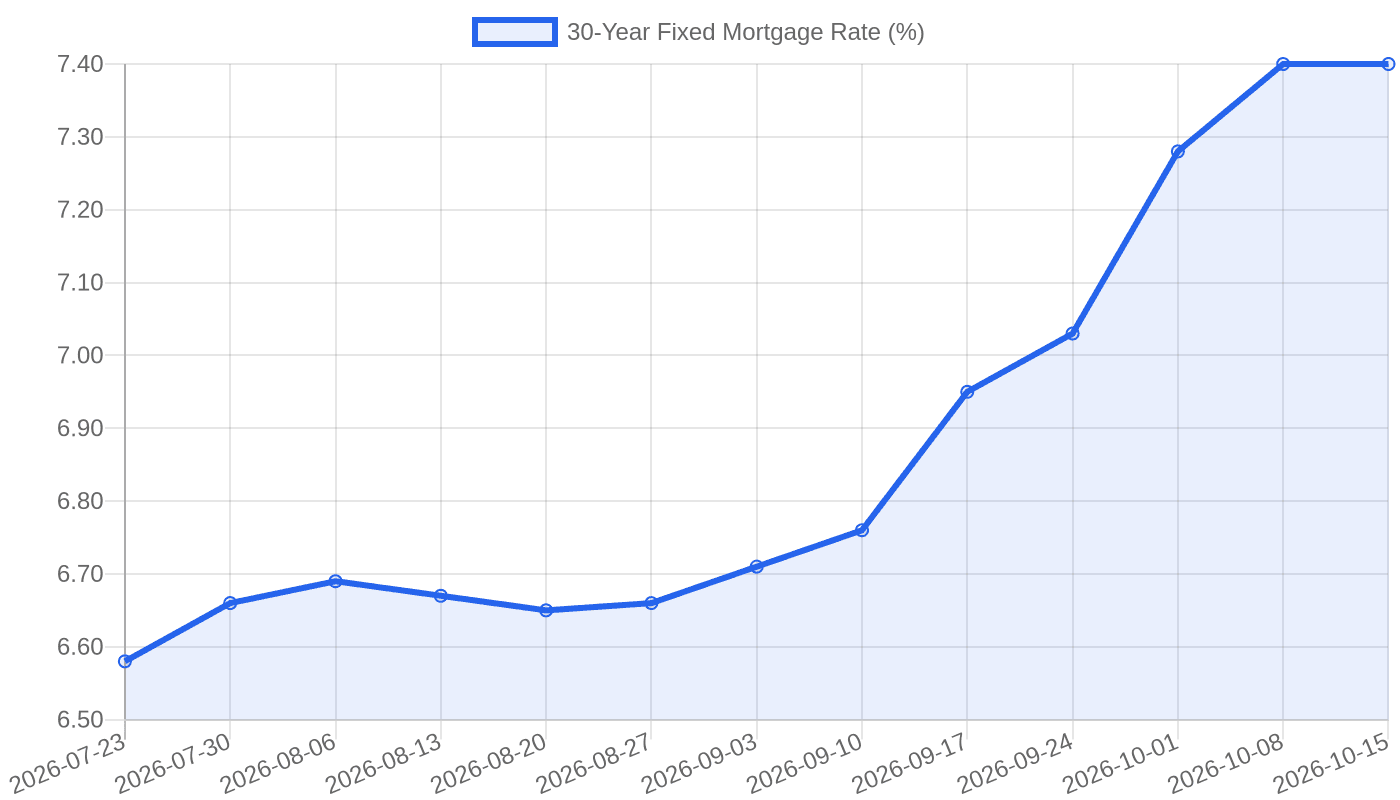
That jump pushes retail buyers to the sidelines and leaves cash buyers with less competition. It also means your list needs to be current — buyers who were active at 6.5% may be sitting out at 7.4%.
Where can you find a real estate cash buyers list?
The best sources fall into two buckets: public records (free but labor‑intensive) and paid data tools (fast but require a subscription). Most successful wholesalers combine both.
1. County recorder and assessor records (the gold standard)
County records show every recorded deed — including whether the buyer paid cash. Look for deeds with no mortgage referenced and a transfer date in the last 12–24 months. This is the most reliable source because it's proof, not a promise.
How to pull it:
- Go to your county recorder's online search portal.
- Filter by transfer date (last 12 months) and document type (deed).
- Cross‑reference with mortgage records — if no mortgage was recorded, it's likely a cash purchase.
- Pull the buyer's mailing address from the deed and skip‑trace it.
Pros: Free, accurate, legally defensible. Cons: Time‑consuming, varies by county, no phone numbers.
2. List‑building software (PropStream, ATTOM, and similar)
Software like PropStream and ATTOM Data lets you filter for cash purchases, absentee owners, and high‑equity properties in minutes. You can export a list of recent cash buyers by ZIP code, price range, and property type.
What to filter for:
- Purchase method: cash
- Sale date: last 6–12 months
- Owner type: absentee or investor
- Property type: single‑family, 2–4 units, or whatever you wholesale
This is the fastest way to build a real estate cash buyers list at scale. The trade‑off is cost — most tools run $50–$150/month.
3. MLS sold data (if you have agent access)
If you're a licensed agent or have a partner who is, the MLS shows cash sales with buyer agent info. You can filter by financing type: cash and export the buyer's agent — then call the agent to reach the buyer.
Pros: Accurate and local. Cons: Requires license or partnership; agents may not share buyer info.
4. Tax delinquent and probate lists (indirect but powerful)
These lists don't identify cash buyers directly, but they surface motivated sellers — and the buyers who consistently show up for those deals are your cash buyers. Track who buys probate and tax‑delinquent properties in your farm area.
5. Local real estate investor associations (REIAs)
REIAs are rooms full of cash buyers. Attend monthly meetings, collect business cards, and ask one question: "What did you buy last month?" The ones with specific answers are your list.
6. Facebook groups and BiggerPockets (low signal, high noise)
These can work for networking, but they're not a list. Treat them as a supplement, not a source. Anyone can claim to be a cash buyer in a Facebook group.
7. Direct response and inbound (the long game)
Run Google Ads or direct mail targeting "we buy houses" keywords, then add every responder who proves they can close to your list. This is slow but builds a proprietary list no competitor has.
How do you verify a cash buyer before you waste time?
You verify a cash buyer by checking public records for a recent cash purchase — not by trusting their word. Ask for proof of funds, but also do your own homework.
The 3‑step verification process
- Pull the deed. Search the county recorder for the buyer's name. Did they actually buy with cash? When?
- Check for repeat purchases. One cash purchase could be a fluke. Three in the last year means they're active.
- Ask for proof of funds. A real cash buyer can produce a bank statement or letter from their bank within 24 hours.
Red flags to watch for
- They ask you for proof of funds first.
- They can't name a single property they've bought.
- They want to "assign" your contract to someone else (that's a wholesaler, not a buyer).
- They pressure you to lower your price before they've even seen the property.
What should a good cash buyers list include?
A good cash buyers list includes contact info, buying criteria, proof of past purchases, and proof of funds. If any of those are missing, it's a lead, not a buyer.
The minimum data fields
- Name and entity (LLC name matters — many buyers purchase through entities)
- Phone and email (skip‑traced and verified)
- Mailing address (for direct mail)
- Buying criteria (price range, property type, area)
- Last cash purchase date and address
- Proof of funds status (verified or unverified)
Why segmentation matters
Not every cash buyer wants your deal. A buyer who flips $150,000 houses won't touch a $400,000 property. The median home sold for $410,700 in Q2 2026, so if you're wholesaling in that range, you need buyers with $400K+ in cash or credit lines.
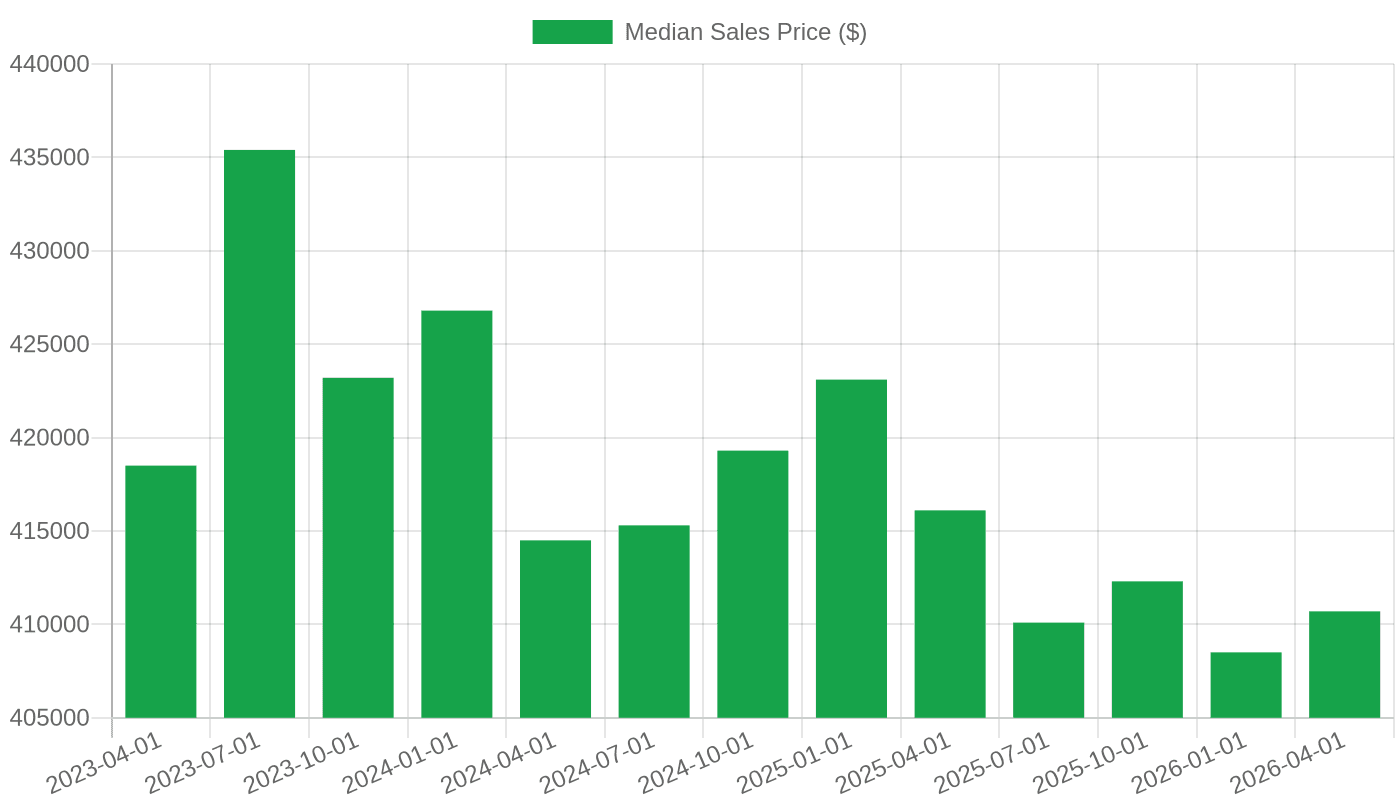
Segment your list by price point, property type, and neighborhood. Then match each deal to the right buyers before you blast an email.
How do you build a cash buyers list step by step?
You build a cash buyers list by starting with county records, layering in software, and verifying every name. Here's the exact process.
Step 1: Pick your farm area
Choose 3–5 ZIP codes where you want to wholesale. Don't boil the ocean.
Step 2: Pull cash purchases from the last 12 months
Use the county recorder or a tool like PropStream. Export every deed with no mortgage.
Step 3: Skip‑trace and enrich
Use a skip‑tracing tool to get phone numbers and emails. The Wholesale REI directory lists 65 tools across 9 categories, including skip‑tracing and list‑building software — compare them before you buy.
Step 4: Verify and score
Score each buyer on a 1–5 scale based on:
- Number of cash purchases in the last year
- Price range match
- Property type match
- Proof of funds
Step 5: Contact and qualify
Call or text the top‑scored buyers. Ask: "What are you buying right now?" If they can't answer specifically, drop them.
Step 6: Keep the list fresh
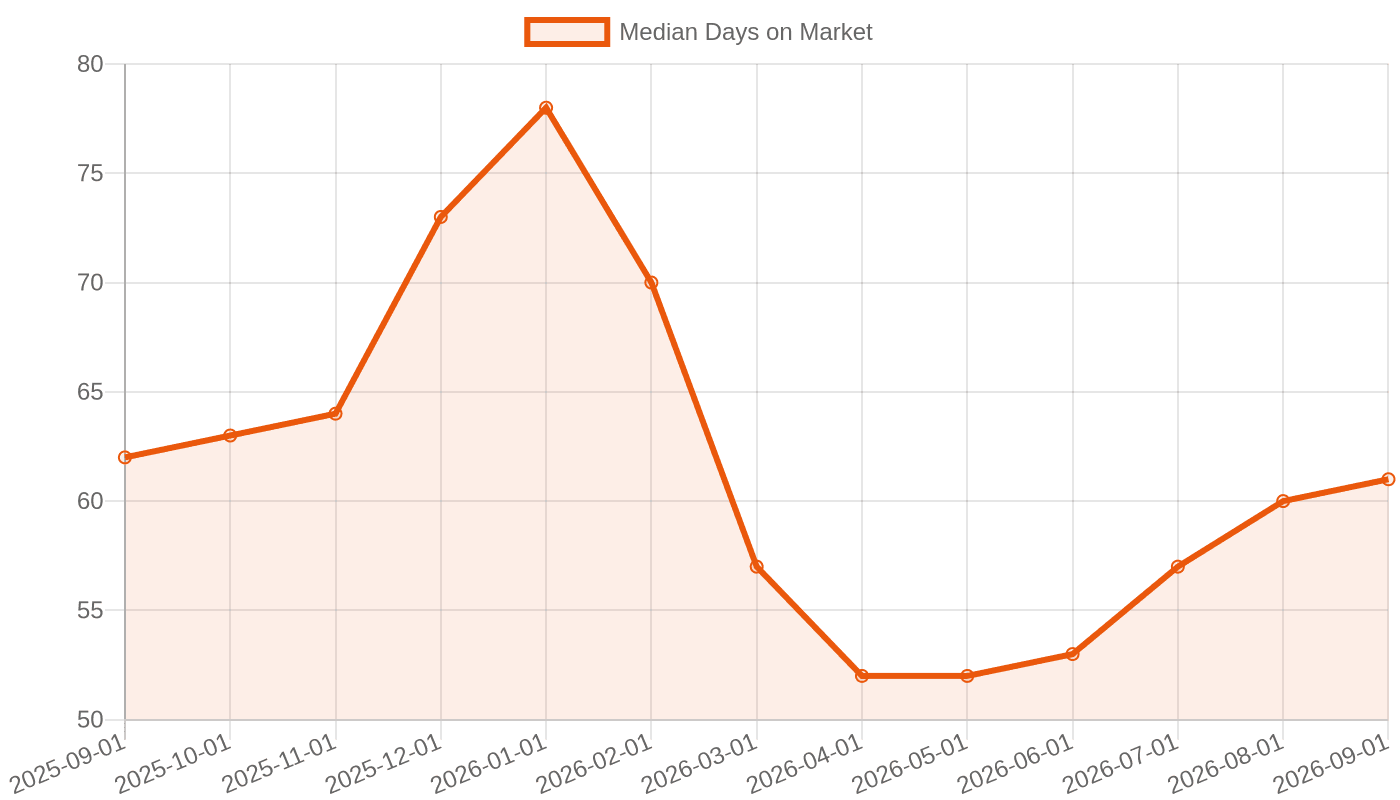
Cash buyers go dormant. Re‑pull county records every quarter and re‑verify your top 50 buyers monthly. The market shifts fast — the median days on market moved from 78 days in January 2026 to 61 days in September 2026, meaning homes are selling faster and buyer activity is changing.
What are the best tools for building a cash buyers list?
The best tools combine property data, skip tracing, and CRM in one place. Here's how the top options compare.
| Tool | Best for | Key feature | Typical price |
|---|---|---|---|
| PropStream | List building | Cash buyer filters, skip tracing | $99/mo |
| ATTOM Data | Property data | Nationwide deed and mortgage records | Custom |
| GoHighLevel | CRM and follow‑up | Automates buyer outreach | $97/mo |
| CallTools | Cold calling | Power dialer for buyer qualification | $95/mo |
| Launch Control | Direct mail | Postcard campaigns to cash buyers | Custom |
| Televista Lead Generation | Lead gen | Targeted cash buyer leads | Custom |
PropStream is the most popular starting point for wholesalers because it lets you filter for cash purchases and export a list in minutes. ATTOM Data is the gold standard for deed and mortgage records if you need nationwide coverage. GoHighLevel handles the follow‑up once you have the list.
You can compare all of these in the Wholesale REI directory — 65 tools across 9 categories, so you can find the right fit without guessing.
How do you reach cash buyers without burning your list?
You reach cash buyers by leading with the deal, not the pitch. Cash buyers get dozens of emails a day. The ones who get responses send specific numbers and photos in the first message.
The 3‑line deal email that works
- Address and price. "123 Main St — $185,000, ARV $260,000."
- The numbers. "Repairs: $30,000. Your profit: $45,000."
- The ask. "Can you close in 14 days? Reply YES and I'll send photos."
Follow‑up cadence
- Day 1: Email with deal details
- Day 2: Text with a photo
- Day 4: Call
- Day 7: Final email — "Still available?"
Most wholesalers quit after one email. The money is in the follow‑up.
The Bottom Line
A real estate cash buyers list is only as good as its proof — county records, verified purchases, and proof of funds. Start with your county recorder, layer in a tool like PropStream, and verify every buyer before you send a deal. Then compare list‑building and skip‑tracing tools in the Wholesale REI directory to find the right stack for your market.
Frequently Asked Questions
What is a real estate cash buyers list?
A real estate cash buyers list is a database of investors who have recently bought property without a mortgage. The best lists are built from county recorder data and verified with proof of funds, not from social media groups.
Where can I find cash buyers for free?
County recorder and assessor records are the best free source. Search for deeds recorded in the last 12 months with no mortgage referenced — those are likely cash purchases. You can then skip‑trace the buyer's mailing address.
How do I verify a cash buyer?
Check the county recorder for a recent cash purchase in the buyer's name, confirm they've bought more than once, and ask for proof of funds. A real cash buyer can produce a bank statement or letter within 24 hours.
What should a cash buyers list include?
At minimum: name and entity, phone and email, mailing address, buying criteria, last cash purchase date and address, and proof‑of‑funds status. Segment by price point and property type so you match deals to the right buyers.
Why are cash buyers important when mortgage rates are high?
High rates push financed buyers out of the market, leaving cash buyers with less competition. With the 30‑year fixed rate at 7.4% as of October 15, 2026, a verified cash buyers list is more valuable than ever.
How often should I update my cash buyers list?
Re‑pull county records every quarter and re‑verify your top 50 buyers monthly. Buyer activity changes fast — median days on market moved from 78 days in January 2026 to 61 days in September 2026.
Sources
- Software tools tracked in the Wholesale REI directory — Wholesale REI directory
- Tool categories in the Wholesale REI directory — Wholesale REI directory
- 30-Year Fixed Mortgage Rate (as of 2026-10-15) — FRED (Federal Reserve Bank of St. Louis)
- Median Sales Price of Houses Sold (as of 2026-04-01) — FRED (Federal Reserve Bank of St. Louis)
- Median Days on Market (as of 2026-09-01) — FRED (Federal Reserve Bank of St. Louis)
This article was researched and drafted with AI assistance, then reviewed and edited by Mark Anthony. Every statistic is sourced and cited. It's for informational purposes only and is not financial or legal advice. Read our editorial policy.