Driving for Dollars: A Step-by-Step Guide for Real Estate Wholesalers

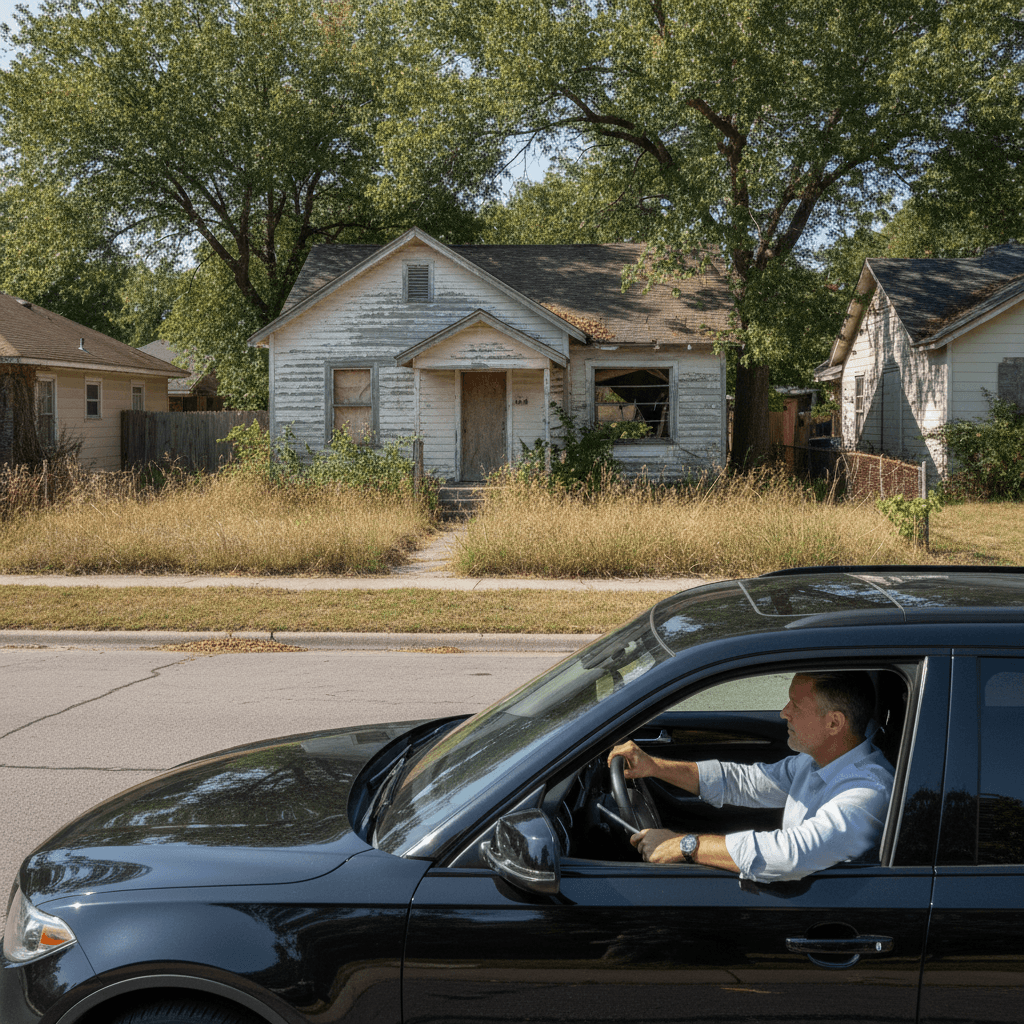
If you're a real estate wholesaler, you know the hardest part of the business is finding deals. Driving for dollars is the most reliable, low-cost way to find motivated sellers before your competitors do. This guide walks you through every step — from mapping your farm area to closing your first off-market deal.
Key Takeaways
- Driving for dollars is the practice of physically canvassing neighborhoods to find distressed properties, then contacting the owners to negotiate a wholesale deal.
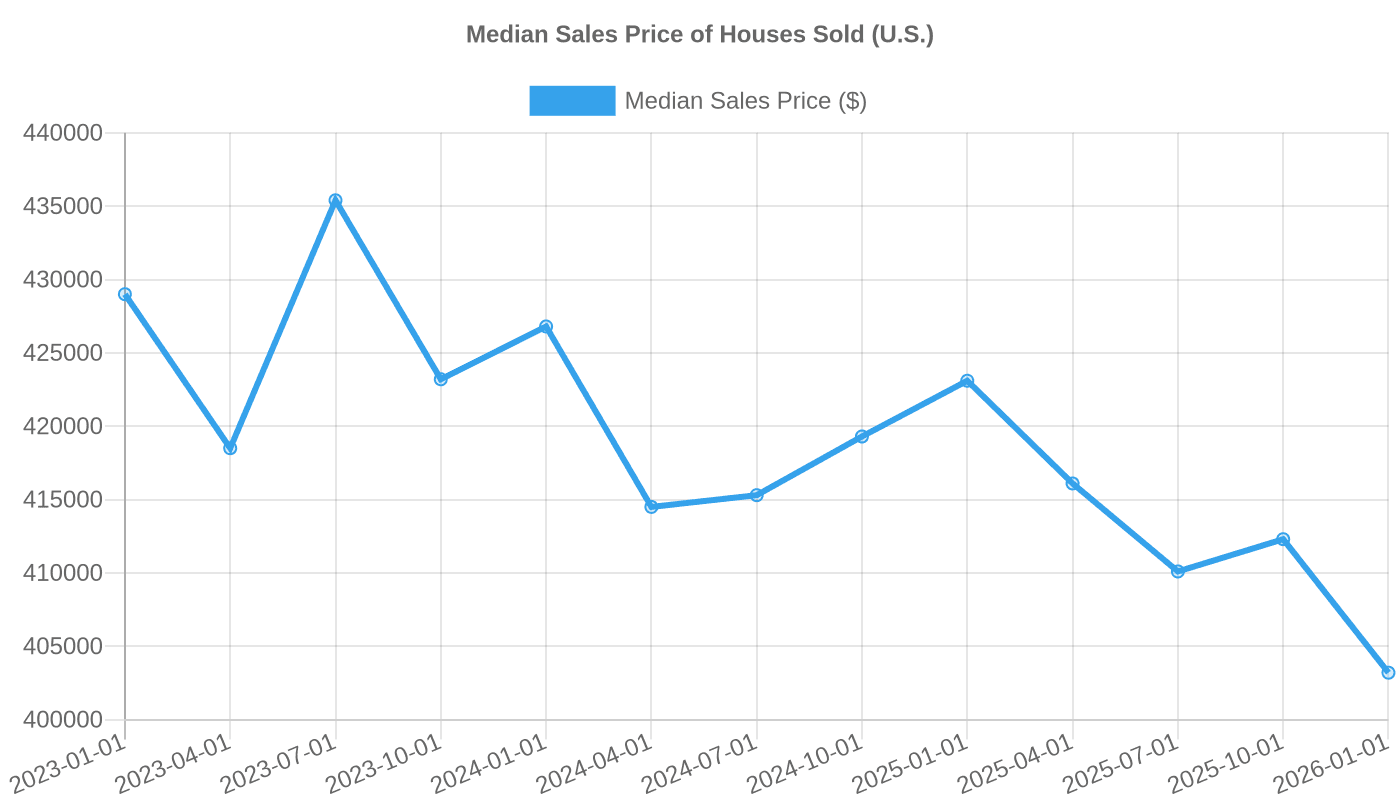
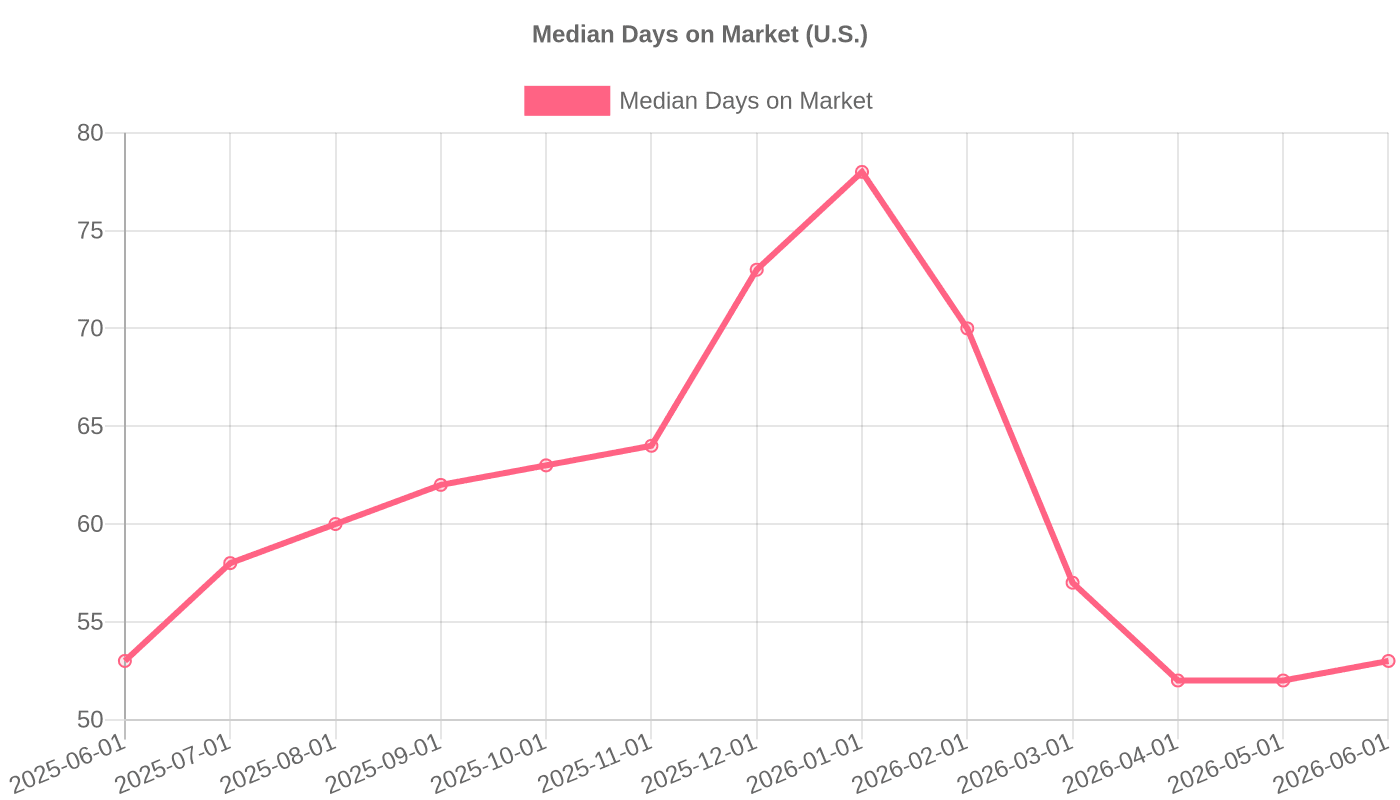
- Current market conditions favor motivated sellers: the median sales price of houses sold in the U.S. was $403,200 as of January 2026, and median days on market hit 53 days in June 2026 — up from 52 in May.
- Tools like PropStream and GoHighLevel can automate skip tracing, direct mail, and follow-ups, making your driving for dollars efforts 10x more efficient.
- The Wholesale REI directory tracks 63 software tools across 9 categories to help you scale your driving for dollars strategy.
- A consistent routine of 2-3 hours per week of driving can yield 5-10 quality leads per month.
What Is Driving for Dollars?
Driving for dollars is a real estate investing strategy where you physically drive through target neighborhoods to identify distressed properties — such as vacant homes, overgrown lawns, peeling paint, or code violations — and then contact the owners to negotiate a below-market purchase. It's the oldest and most effective way to find off-market deals without competing with other investors on the MLS.
Why It Works in 2026
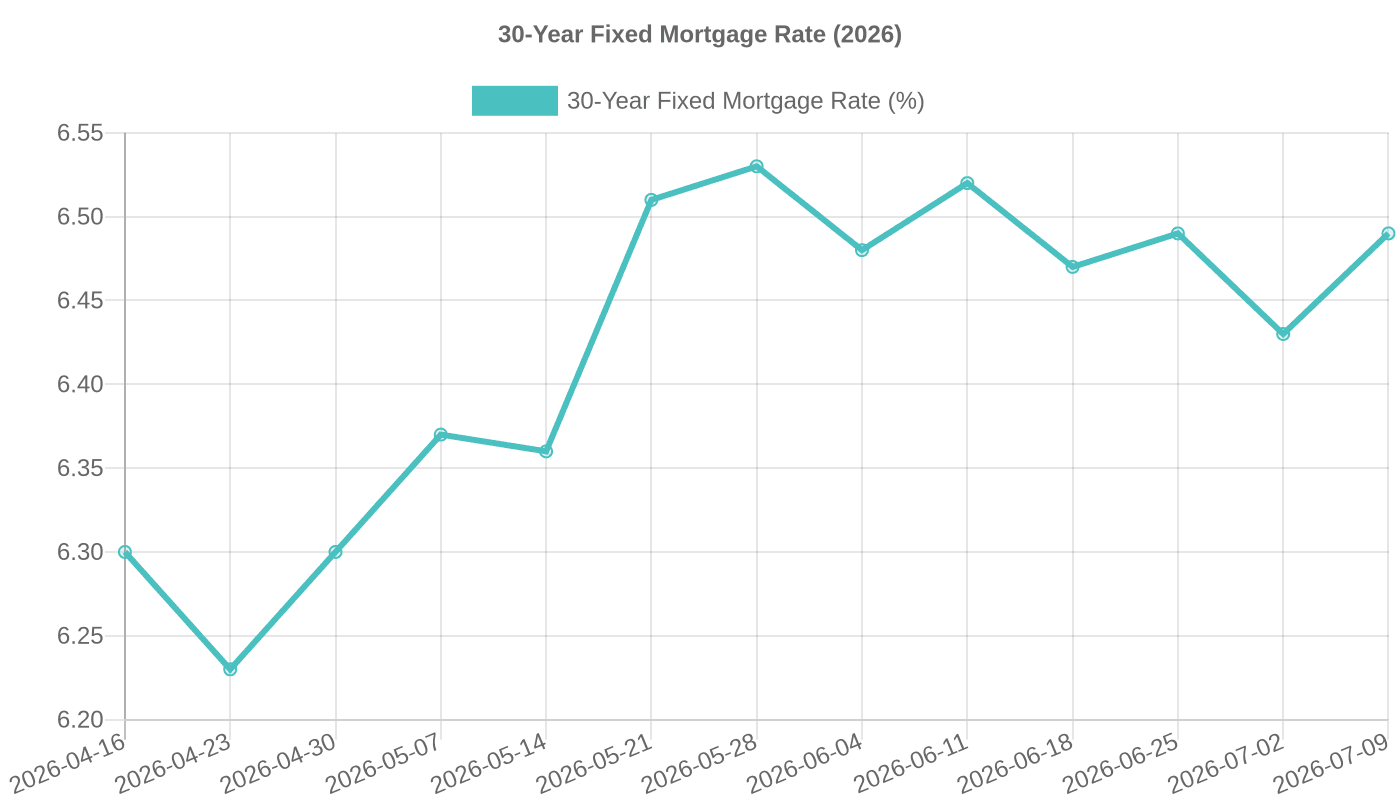
With the 30-year fixed mortgage rate hovering around 6.49% as of July 2026, many homeowners are feeling the squeeze. Higher rates mean higher monthly payments, which can lead to financial distress. Meanwhile, the median sales price of houses sold in the U.S. has declined from $429,000 in January 2023 to $403,200 in January 2026 — a drop of about 6%. This combination of high rates and softening prices creates a perfect environment for motivated sellers.
At the same time, homes are sitting on the market longer. Median days on market rose from 53 days in June 2025 to a peak of 78 days in January 2026, before settling back to 53 days in June 2026. That volatility signals a market in transition — and opportunity for wholesalers.
How Do You Start Driving for Dollars?
You start by selecting a target neighborhood, driving every street, and logging every distressed property you see. Here's the exact process.
Step 1: Choose Your Farm Area
Pick a neighborhood that fits your investing criteria. Look for:
- Median home prices between $100,000 and $300,000 (or whatever your buyer pool demands).
- High days on market — the longer a home sits, the more motivated the seller.
- Older housing stock — homes built before 1980 are more likely to have deferred maintenance.
- Working-class or middle-class areas — these owners are more likely to need a quick cash sale.
Step 2: Drive and Document
Get in your car and drive every single street in your farm area. Use a simple system:
- Paper method: Print a map and mark properties with a pen. Note the address, condition, and any visible issues.
- App method: Use PropStream or similar software to mark properties on a digital map. You can even use Google Maps with custom layers.
Look for these signs of distress:
- Overgrown lawn or weeds
- Peeling paint or rotting wood
- Broken windows
- Accumulated mail or newspapers
- For rent signs (especially if the property looks vacant)
- Code violation notices on the door
- Utilities disconnected (meter removed)
Step 3: Skip Trace the Owners
Once you have a list of addresses, you need to find the owners' contact information. This is called skip tracing. You can use services like:
- PropStream — provides owner name, phone, email, and mailing address.
- ATTOM Data — comprehensive property data and owner contacts.
- CallTools — integrates skip tracing with power dialing.
Step 4: Contact the Owner
Your goal is to start a conversation, not to close a deal on the first call. Use a script like this:
"Hi, is this [owner name]? My name is [your name]. I'm a local real estate investor. I was driving through the neighborhood and noticed your property at [address]. I'm looking for homes to buy in this area — would you be open to selling your property as-is? I can pay cash and close quickly."
Key tips:
- Be polite and respectful.
- Listen more than you talk.
- Don't lowball — ask what they'd want for it.
- If they say no, ask if they know anyone else looking to sell.
Step 5: Follow Up Systematically
Most deals don't close on the first contact. Use a CRM like GoHighLevel or Launch Control to automate follow-ups:
- Send a handwritten note after the first call.
- Call every 30 days.
- Send a monthly direct mail piece.
- Add them to a text drip campaign.
What Tools Should You Use for Driving for Dollars?
The best tools automate the boring parts — skip tracing, direct mail, and follow-ups — so you can focus on driving and negotiating. Here's a comparison of top tools from the Wholesale REI directory (which tracks 63 software tools across 9 categories):
| Tool | Best For | Key Feature | Price Range |
|---|---|---|---|
| PropStream | Property data & skip tracing | Nationwide property database with owner contacts | $99-$299/mo |
| GoHighLevel | CRM & automation | All-in-one marketing, follow-ups, and pipeline management | $97-$297/mo |
| ATTOM Data | Bulk property data | Raw data feeds for large-scale operations | Custom pricing |
| CallTools | Power dialing & skip tracing | Auto-dialer with built-in skip tracing | $99-$199/mo |
| Launch Control | Direct mail automation | Sends handwritten cards and letters automatically | $0.50-$2 per piece |
| Rezzie | AI-powered lead engagement | Automated text and call conversations | $49-$149/mo |
How to Choose the Right Tool
- If you're just starting, use PropStream for skip tracing and a simple spreadsheet for follow-ups.
- If you're scaling, invest in GoHighLevel for CRM and automation, plus Launch Control for direct mail.
- If you're doing high volume, add CallTools for power dialing and ATTOM Data for custom data exports.
How Do You Scale Driving for Dollars?
You scale by systematizing every step and leveraging technology. Here's how successful wholesalers do it.
Build a Team
- Driver: Someone to physically drive neighborhoods and log properties (can be a virtual assistant using Google Street View).
- Skip Tracer: A VA who skip traces addresses using PropStream or ATTOM.
- Caller: A cold caller who contacts owners using a script.
- Closer: You — the person who negotiates and assigns the contract.
Use Virtual Driving
You don't have to drive every street yourself. Use Google Street View or Mapillary to virtually drive neighborhoods from your computer. This is especially useful for scouting out-of-state markets.
Automate Follow-Ups
Set up a CRM workflow that automatically:
- Sends a text message 1 day after the initial call.
- Sends a direct mail piece 7 days later.
- Sends another text at 30 days.
- Calls every 30 days until the owner says yes or no.
Track Your Metrics
Measure what matters:
- Properties logged per hour: Aim for 50-100 per hour.
- Contact rate: How many owners you reach per 100 properties.
- Appointment rate: How many turn into a conversation or site visit.
- Deal rate: How many become a signed contract.
Why Is Driving for Dollars Still Effective in 2026?
Because it targets motivated sellers who aren't listing on the MLS. With mortgage rates at 6.49% and home prices still high ($403,200 median), many homeowners are struggling. They may be behind on payments, facing foreclosure, or simply wanting to move but unable to sell at a price that covers their mortgage.
The Numbers Don't Lie
- Median days on market hit 78 days in January 2026 — the highest in the series. That means more sellers are getting frustrated.
- Home prices have dropped from $429,000 in January 2023 to $403,200 in January 2026 — a 6% decline. Some sellers are underwater.
- High mortgage rates make it hard for buyers to qualify, reducing demand and increasing inventory.
All of these factors create a perfect storm for driving for dollars. Sellers who can't sell on the open market are more likely to accept a cash offer from a wholesaler.
Common Mistakes to Avoid
- Driving too fast — you'll miss properties. Go slow, take notes.
- Not following up — most deals come from the 3rd or 4th contact.
- Using a pushy script — you're building relationships, not closing used cars.
- Ignoring the data — use days on market and price trends to prioritize.
- Not using a CRM — you'll lose leads without a system.
The Bottom Line
Driving for dollars is the most reliable way to find off-market deals in any market — especially now with high rates and softening prices. Start by picking a neighborhood, drive every street, log every distressed property, skip trace the owners, and contact them with a simple, respectful script. Use tools like PropStream and GoHighLevel to automate the tedious parts. And if you want to practice your cold calls before making them, try our free AI Cold Call Trainer — it's free and takes no signup to start. You'll be closing deals in no time.
Frequently Asked Questions
What is driving for dollars in real estate?
Driving for dollars is a real estate investing strategy where you physically drive through target neighborhoods to identify distressed properties — such as vacant homes, overgrown lawns, or code violations — and then contact the owners to negotiate a below-market purchase.
How do I start driving for dollars?
Start by choosing a target neighborhood, drive every street, log distressed properties, skip trace the owners to get their contact info, and reach out with a simple script. Use a CRM to follow up systematically.
What tools do I need for driving for dollars?
Essential tools include PropStream for property data and skip tracing, GoHighLevel for CRM and automation, and Launch Control for direct mail. The Wholesale REI directory lists 63 software tools across 9 categories to help.
Is driving for dollars still effective in 2026?
Yes, it's very effective. With mortgage rates around 6.49% and median days on market fluctuating, many homeowners are motivated to sell off-market. Driving for dollars targets these sellers before they list on the MLS.
How many deals can I get from driving for dollars?
With a consistent routine of 2-3 hours per week, you can generate 5-10 quality leads per month. The conversion rate depends on your follow-up system and market conditions.
What should I look for when driving for dollars?
Look for signs of distress: overgrown lawns, peeling paint, broken windows, accumulated mail, for rent signs, code violation notices, or disconnected utilities. These indicate a potentially motivated seller.
Sources
- Software tools tracked in the Wholesale REI directory — Wholesale REI directory
- Tool categories in the Wholesale REI directory — Wholesale REI directory
- 30-Year Fixed Mortgage Rate (as of 2026-07-09) — FRED (Federal Reserve Bank of St. Louis)
- Median Sales Price of Houses Sold (as of 2026-01-01) — FRED (Federal Reserve Bank of St. Louis)
- Median Days on Market (as of 2026-06-01) — FRED (Federal Reserve Bank of St. Louis)
This article was researched and drafted with AI assistance, then reviewed and edited by Mark Anthony. Every statistic is sourced and cited. It's for informational purposes only and is not financial or legal advice. Read our editorial policy.