Driving for Dollars AI: Best Tools for Wholesalers


You already know driving for dollars works. The problem is that you can only eyeball so many houses before your weekend disappears and your gas tank runs dry.
AI fixes the part that eats your time. Instead of guessing which streets to drive, you let software flag the distressed properties first — then you drive straight to the ones worth your attention.
Key Takeaways
- Driving for dollars AI uses property data, image recognition, and route mapping to surface likely-motivated sellers before you leave the driveway.
- The Wholesale REI directory tracks 65 software tools across 9 categories, so you have real options — not just one hyped app.
- The 30-year fixed mortgage rate hit 7.03% as of September 24, 2026, which keeps pressure on sellers and keeps driving-for-dollars leads valuable.
- Median days on market sat at 60 days in August 2026 — long enough that tired sellers are worth a knock.
- The winning stack pairs a data tool (like PropStream or ATTOM) with a routing app and a CRM to track every door you hit.
What is driving for dollars AI?
Driving for dollars AI is software that uses property data and machine learning to identify likely distressed or motivated-seller homes, then helps you plan an efficient driving route to see them in person.
Traditional driving for dollars is pure legwork. You pick a neighborhood, drive slowly, and look for the signals — tall grass, boarded windows, a stack of mail, a code violation notice.
AI flips that order. The software does the screening first. You get a list of addresses that match distress patterns, then you drive only to those.
The three jobs AI does for you
- Screening. It scans public records, tax data, and imagery to flag vacancy, delinquency, and neglect.
- Routing. It clusters those addresses into a drive that makes sense geographically.
- Tracking. It logs what you found at each door so nothing slips through the cracks.
You still knock. You still talk to people. But you stop wasting Saturdays on streets with nothing to offer.
Why does driving for dollars still work in 2026?
The market is giving wholesalers a tailwind. When homes sit longer and sellers feel stuck, the door-knock conversation gets easier.
Median days on market landed at 60 days in August 2026, up from a low of 52 days in April and May.
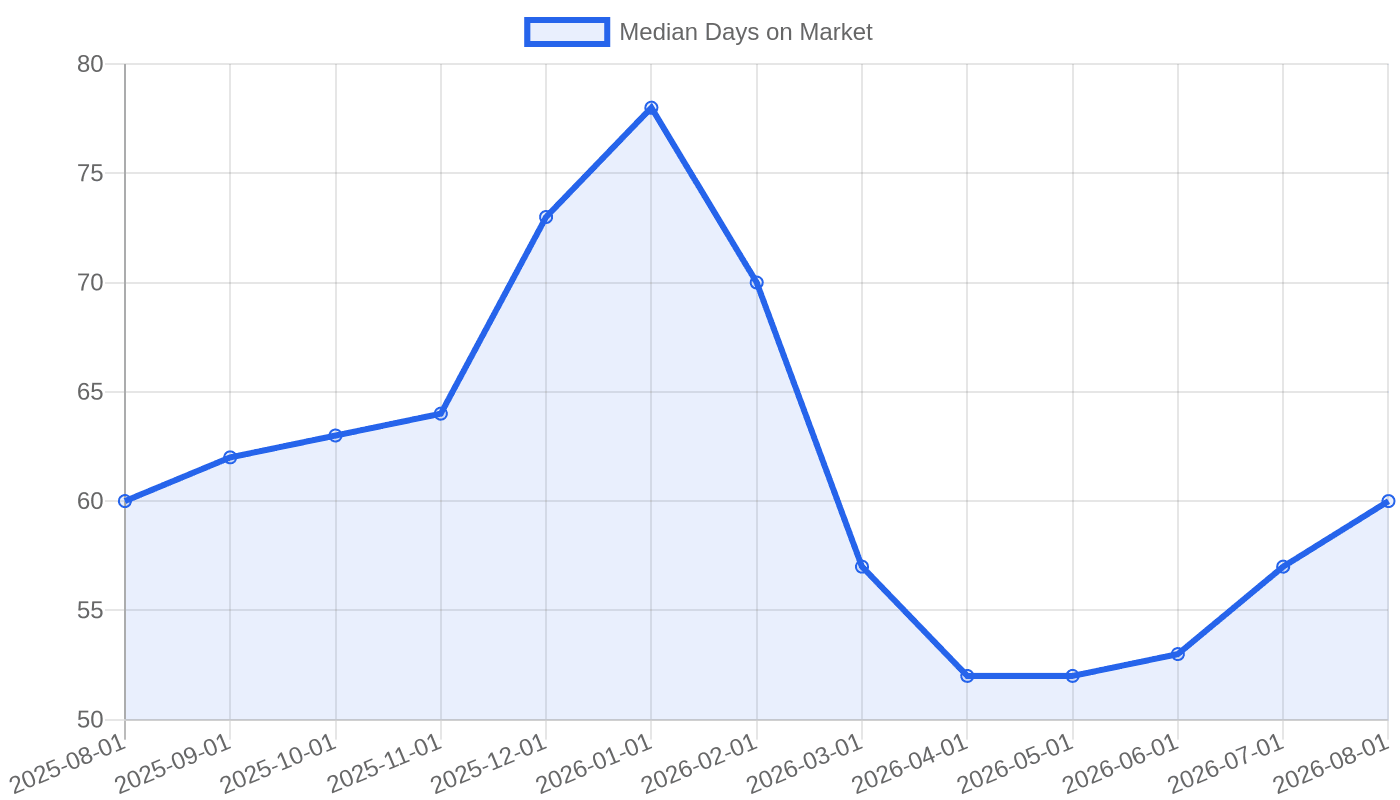
That climb matters. A home sitting for two months is a home where the seller is starting to feel the weight. That is exactly the profile driving for dollars is built to find.
Meanwhile, the 30-year fixed mortgage rate climbed to 7.03% as of September 24, 2026, up from 6.43% in early July.
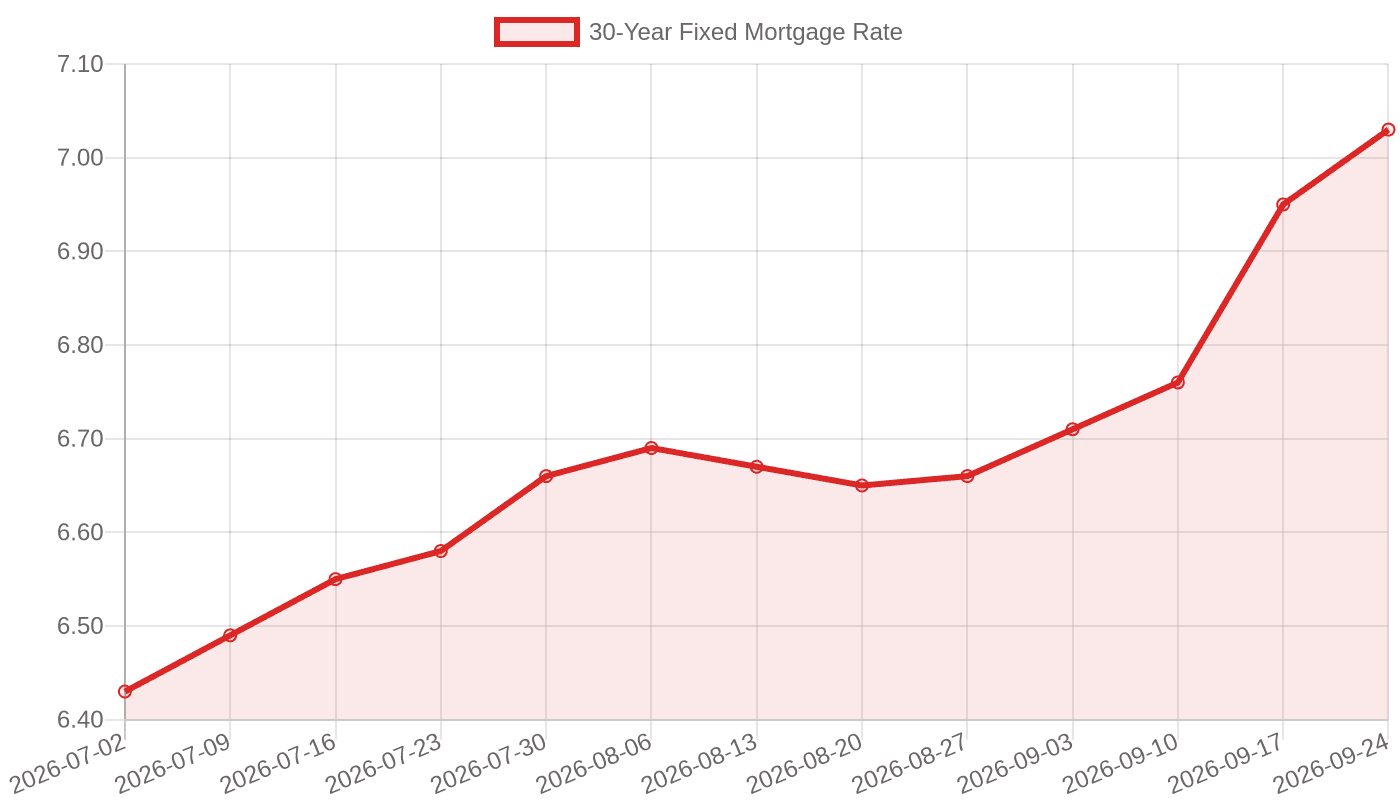
Higher rates squeeze buyers and sellers alike. Some owners who wanted to sell the traditional way now can't move. Others are simply tired. Both groups answer the door.
And the median sales price of houses sold was 410,700 as of April 1, 2026 — still high enough that sellers have equity to work with, which means a creative offer can actually land.
How does AI change the driving for dollars workflow?
AI changes the workflow by moving the screening step before the drive instead of during it. You start with a filtered list, not a blank map.
Here is how the modern version looks, step by step.
Step 1: Pull a distressed-property list
You start in a data tool. You filter for the signals that matter — absentee owners, tax delinquency, pre-foreclosure, vacant properties, code violations.
This is where tools like PropStream and ATTOM Data earn their keep. They give you the raw list so you are not driving blind.
Step 2: Layer in image and AI signals
Newer AI tools go further. They analyze street-level and aerial imagery to spot boarded windows, overgrown lawns, and roof damage — the stuff your eyes would catch, but at scale.
That is the real leap. A human can screen a few dozen houses an hour. Software can screen thousands.
Step 3: Build a smart route
Once you have your list, routing software clusters the addresses so you drive a tight loop instead of crisscrossing town.
A good route can double the number of doors you hit in the same afternoon.
Step 4: Log every door in a CRM
This is the step most wholesalers skip, and it costs them. You need a place to record what you saw, who you talked to, and what the follow-up is.
A CRM like GoHighLevel keeps that history so your second pass through a neighborhood is informed, not random.
Step 5: Follow up fast
When someone says "maybe," speed wins. Call tools and follow-up sequences keep you in front of that seller before another wholesaler knocks.
What are the best driving for dollars AI tools?
The best stack combines a property-data tool, a routing or mapping app, and a CRM. No single tool does all three well, so most wholesalers run two or three together.
Here is how the main categories compare.
| Tool | Primary job | Best for |
|---|---|---|
| PropStream | Property data and list building | Finding distressed leads fast |
| ATTOM Data | Deep property and neighborhood data | Verifying and enriching leads |
| Launch Control | Marketing and lead capture | Turning drive-bys into inbound leads |
| CallTools | Calling and follow-up | Working the leads you collect |
| GoHighLevel | CRM and automation | Tracking every door and follow-up |
| TeleVista Lead Generation | Lead sourcing | Filling the top of your funnel |
Data tools: PropStream and ATTOM Data
These are your screening layer. PropStream is built for list-building — you filter by distress signals and export a driving list. ATTOM Data gives you the deeper property and neighborhood context to confirm a lead is worth the trip.
Use them together. Pull a broad list in one, verify the best candidates in the other.
Routing and mapping tools
Routing is where AI saves you the most time. Instead of a random drive, you get a clustered route that hits every flagged address in the fewest miles.
Look for tools that let you import a list and export a turn-by-turn route you can follow on your phone.
CRM and follow-up: GoHighLevel and CallTools
A lead you never follow up with is just a house you looked at. GoHighLevel keeps your pipeline organized, and CallTools handles the calling so you can work leads at volume.
This is the difference between a hobby and a business.
Lead generation: TeleVista and Launch Control
If you want leads coming in while you drive, these tools help. TeleVista sources leads, and Launch Control captures and markets to them.
Pair them with your driving list so your pipeline has more than one source.
How do you choose the right driving for dollars AI tool?
You choose by matching the tool to the gap in your current process, not by chasing the flashiest app. Most wholesalers do not need everything — they need the one missing piece.
Ask yourself these questions.
- Do I have a reliable lead list? If not, start with a data tool like PropStream or ATTOM.
- Am I wasting time on inefficient drives? If yes, prioritize routing.
- Am I losing track of leads? If yes, a CRM comes first.
- Do I need more leads coming in? Then look at lead-gen tools.
Watch the cost-to-value ratio
A tool only pays for itself if it helps you close deals. A $200-a-month data tool that finds you one extra deal a year is a bargain. A cheap tool that sits unused is not.
Test before you commit
Most of these tools offer trials or demos. Run one neighborhood through the tool and see if the list matches what you would have found on your own. If it does not beat your eyes, skip it.
What signals should AI look for on a driving route?
The signals AI should flag are the same ones an experienced wholesaler looks for by eye — vacancy, neglect, and financial distress. AI just finds them faster and at scale.
Here is what to filter for.
- Absentee ownership. The owner lives somewhere else.
- Tax delinquency. Unpaid taxes often mean an overwhelmed owner.
- Pre-foreclosure. Time pressure creates motivation.
- Vacancy. Empty homes rarely have happy owners.
- Code violations. A city notice is a nudge toward selling.
- Visible neglect. Overgrown yards, boarded windows, tarped roofs.
Why combining signals beats any single one
One signal is a maybe. Three signals stacked on the same address is a strong lead.
AI lets you stack them without doing the math by hand. That is the whole point.
What mistakes kill a driving for dollars campaign?
Driving for dollars campaigns fail for three reasons: bad lists, no follow-up, and no tracking. AI can fix the first, but you have to own the other two.
Mistake 1: Driving without a filtered list
If you are driving random streets, you are gambling. Start with data every time.
Mistake 2: Not logging what you find
If you knock on a door and forget the address by Tuesday, you wasted the trip. Log it in your CRM the same day.
Mistake 3: Giving up after one pass
Motivation changes. A seller who says no in March may say yes in June. A CRM makes the second pass easy.
Mistake 4: Skipping the follow-up call
A door knock opens the conversation. A call closes it. Tools like CallTools keep that follow-up from falling through.
How do you measure whether your AI driving stack is working?
The only metric that matters is cost per deal — how much you spent on tools and driving to land one contract. Everything else is a vanity number.
Track these four things.
- Doors knocked per hour. Routing should push this up.
- Leads logged per drive. A good list should raise this.
- Follow-ups completed. Your CRM should make this visible.
- Cost per contract. This is the bottom line.
Start small, then scale
Run one neighborhood with your new stack. Compare it to your old approach. If the numbers are better, expand. If not, adjust the tool, not the whole strategy.
The Bottom Line
Driving for dollars AI does not replace the drive — it makes every mile count by putting the right addresses in front of you first. With 65 tools across 9 categories in the directory, you can build a stack that fits your budget and your market.
Your next step: compare the data, CRM, and calling tools in the directory side by side, then run one neighborhood through your new stack this week. And before you start knocking, it helps to practice the conversation — try our free AI Cold Call Trainer to rehearse a few calls against a realistic AI seller first. It is free and takes no signup to start.
Frequently Asked Questions
What is driving for dollars AI?
It is software that uses property data and machine learning to flag likely distressed or motivated-seller homes, then helps you plan an efficient route to visit them in person. It moves the screening step before the drive instead of during it.
Does driving for dollars still work in 2026?
Yes. Median days on market reached 60 days in August 2026, and the 30-year fixed mortgage rate hit 7.03% as of September 24, 2026. Longer listings and higher rates keep sellers motivated, which makes door-knocking conversations easier.
What is the best driving for dollars AI tool?
There is no single best tool — most wholesalers combine a data tool like PropStream or ATTOM Data with a routing app and a CRM like GoHighLevel. Match the tool to the gap in your current process.
How do I build a driving for dollars route?
Pull a filtered distressed-property list from a data tool, then use routing software to cluster those addresses into a tight geographic loop. A good route can double the number of doors you hit in one afternoon.
What signals should I look for when driving for dollars?
Filter for absentee ownership, tax delinquency, pre-foreclosure, vacancy, code violations, and visible neglect like overgrown yards or boarded windows. Stacking multiple signals on one address makes a much stronger lead.
How do I measure if my driving for dollars AI stack is working?
Track cost per deal — how much you spent on tools and driving to land one contract. Also watch doors knocked per hour, leads logged per drive, and follow-ups completed.
Sources
- Software tools tracked in the Wholesale REI directory — Wholesale REI directory
- Tool categories in the Wholesale REI directory — Wholesale REI directory
- 30-Year Fixed Mortgage Rate (as of 2026-09-24) — FRED (Federal Reserve Bank of St. Louis)
- Median Sales Price of Houses Sold (as of 2026-04-01) — FRED (Federal Reserve Bank of St. Louis)
- Median Days on Market (as of 2026-08-01) — FRED (Federal Reserve Bank of St. Louis)
This article was researched and drafted with AI assistance, then reviewed and edited by Mark Anthony. Every statistic is sourced and cited. It's for informational purposes only and is not financial or legal advice. Read our editorial policy.