How Hard Is Wholesaling Real Estate? The Truth Revealed


Wholesaling real estate looks easy on YouTube — find a motivated seller, lock up a contract, assign it for a fee. But if you've tried it, you know the truth: it's a grind, and most beginners quit before their first deal.
Key Takeaways
- Wholesaling is hard but learnable — the difficulty is in lead generation and follow-up, not the paperwork.
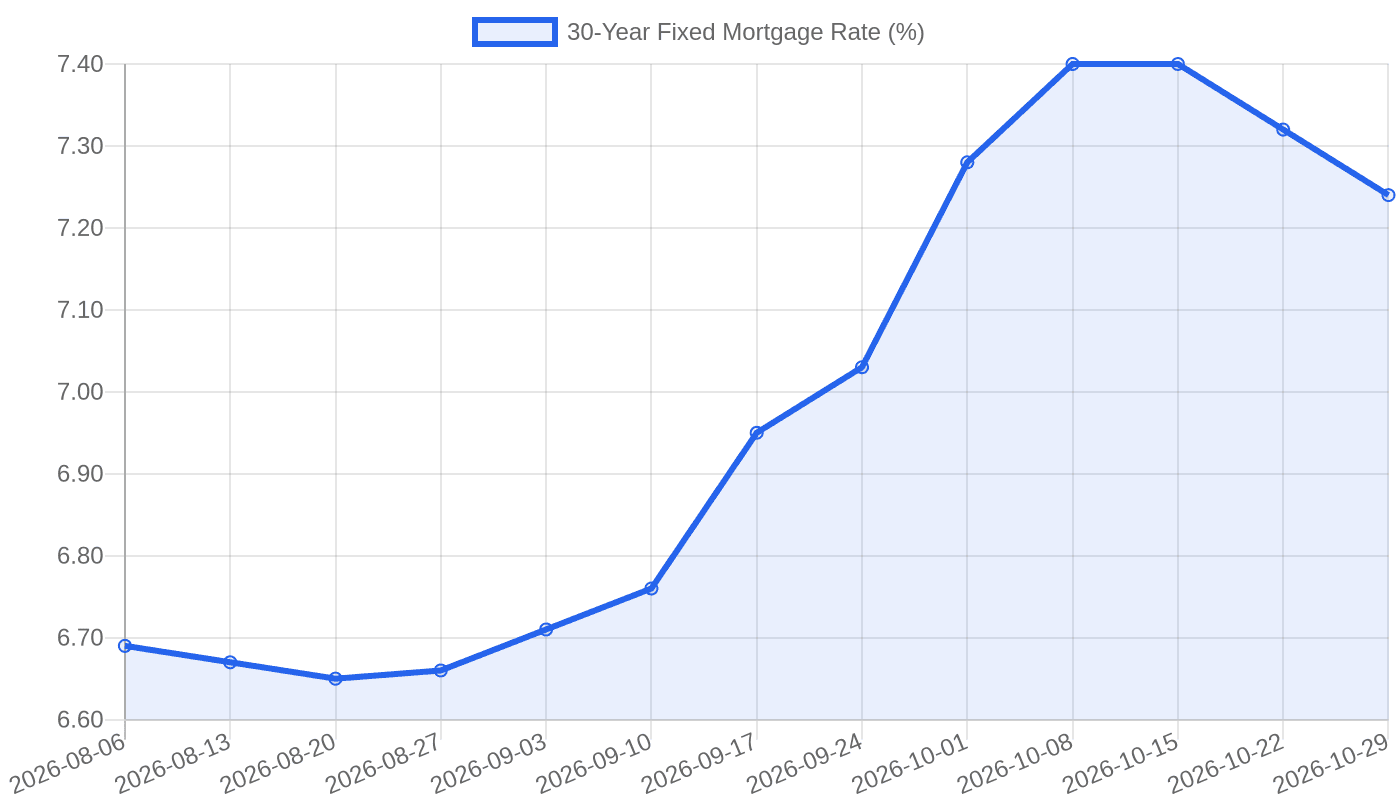
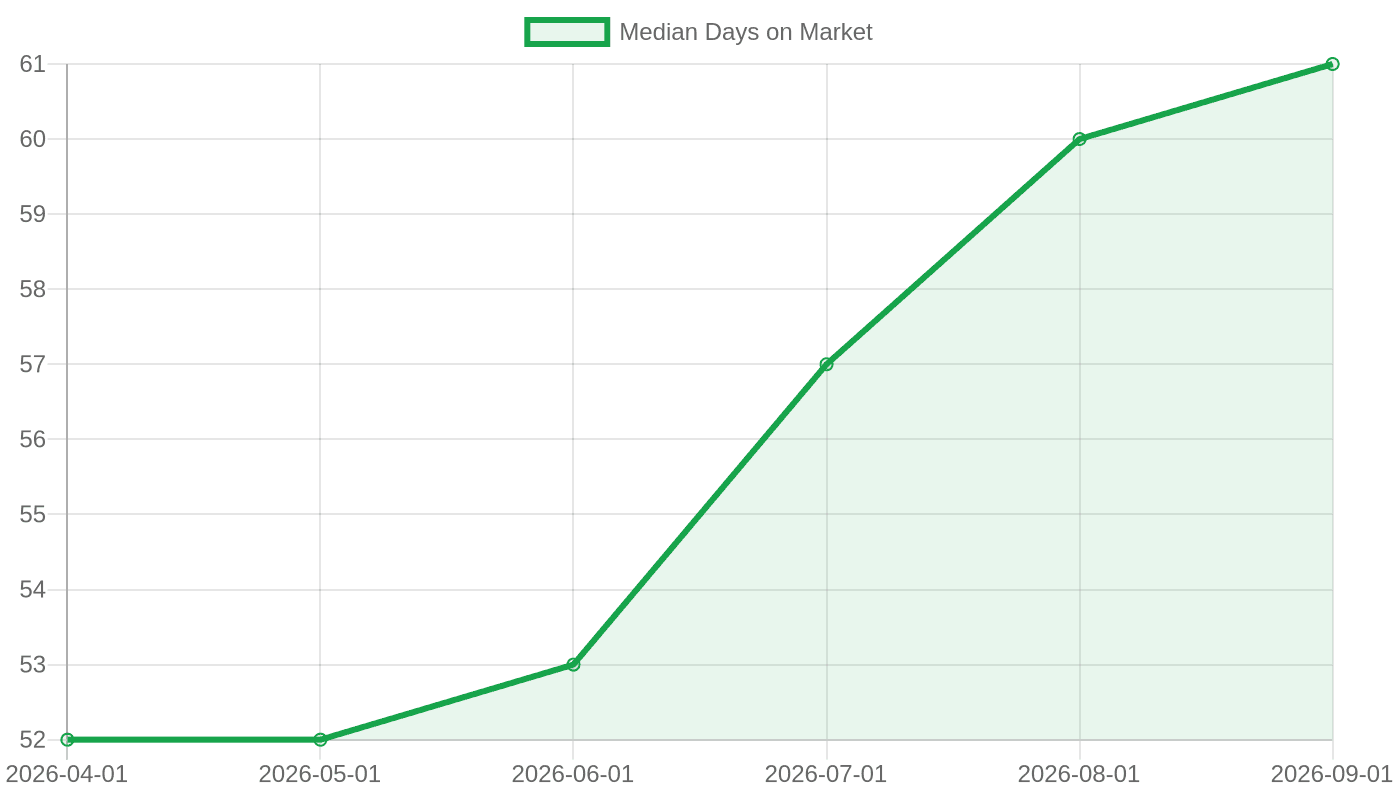
- With the 30-year fixed mortgage rate at 7.24% and median days on market at 61, sellers are feeling pressure — but buyers are pickier too.
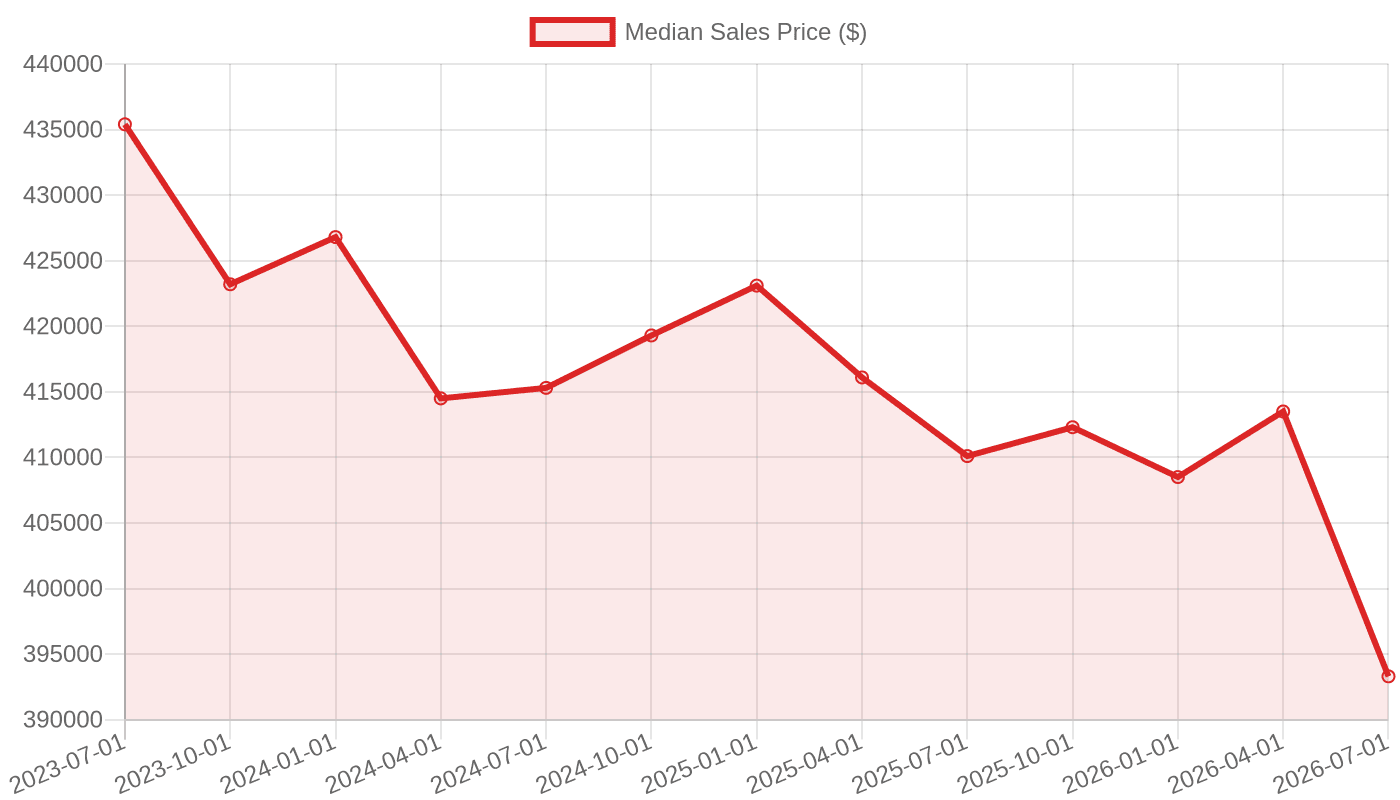
- The median sales price of houses sold is $393,300, so your profit margins depend on finding deals well below that.
- You need systems: CRM, lead lists, dialers, and comps tools. The Wholesale REI directory tracks 65 tools across 9 categories to help you build your stack.
- Expect 3–6 months of consistent effort before your first assignment fee — and that's if you treat it like a job.
What is wholesaling real estate?
Wholesaling real estate is a strategy where you contract a property from a motivated seller at a discount, then assign that contract to an end buyer (usually a fix-and-flipper) for a fee — without ever owning the property. You're essentially a deal finder and negotiator.
The appeal is obvious: no repairs, no financing, no holding costs. But the work is front-loaded. You have to find sellers who are motivated enough to sell below market, and buyers who are willing to take on the project.
How hard is wholesaling real estate, really?
Wholesaling is harder than most courses claim — not because the concept is complex, but because it demands relentless lead generation, sharp negotiation, and airtight follow-up. The failure rate is high because people underestimate the marketing grind.
Let's break down the real difficulty into three buckets: market conditions, competition, and your own systems.
Market conditions: a mixed bag
On one hand, higher mortgage rates are pushing some sellers to the sidelines and making affordability tough for buyers. The 30-year fixed rate has climbed from 6.69% in early August 2026 to 7.24% by late October 2026 — a sharp move that squeezes buyer purchasing power.
On the other hand, homes are sitting on the market longer. The median days on market rose from 52 days in April 2026 to 61 days in September 2026. That gives you more time to negotiate and find sellers who are feeling stuck.
But here's the catch: the median sales price of houses sold dropped to $393,300 in July 2026, down from $435,400 in July 2023. Falling prices mean sellers are less likely to accept deep discounts — and your end buyers are more cautious.
So the market isn't a cakewalk. You need to be sharp on comps and know which neighborhoods still have buyer demand.
Competition: more wholesalers than ever
Everyone with a TikTok account seems to be a wholesaler now. That means more competition for the same motivated sellers. You'll need to stand out with better marketing, faster follow-up, and a reputation for closing.
Your systems: the real differentiator
The wholesalers who succeed treat it like a business from day one. They invest in a CRM, a lead list, a dialer, and a comps tool. They track their numbers. They follow up relentlessly.
If you're piecing things together with spreadsheets and free trials, you'll burn out. The Wholesale REI directory lists 65 software tools across 9 categories — from lead generation to contract management — so you can build a stack that fits your budget.
What makes wholesaling so hard for beginners?
Beginners struggle most with lead generation and follow-up — not contracts. The technical part of wholesaling (finding a buyer, assigning a contract) is straightforward. The hard part is consistently finding sellers who want to sell fast and cheap.
Here's what trips people up:
- Lead generation is a numbers game. You need to talk to dozens of sellers to find one deal. Most beginners give up after a few rejections.
- Follow-up is where deals die. Studies show it takes multiple touches to convert a lead, but most people quit after one or two attempts.
- Negotiation is a skill. You need to get comfortable making low offers without offending sellers.
- Buyer list matters. Without a solid cash buyer list, you can't assign the contract.
- Legal and compliance. Each state has different rules about wholesaling, and you need contracts that protect you.
The emotional toll
Wholesaling can be lonely and rejection-heavy. You'll hear "no" a lot. You'll have deals fall apart at the closing table. The people who make it are the ones who can handle rejection and keep dialing.
How long does it take to close your first wholesale deal?
Most beginners who stick with it close their first deal within 3–6 months of consistent effort. Some take longer; a few get lucky in weeks. The timeline depends on how much time and money you invest in marketing.
If you're working a full-time job and wholesaling part-time, expect 6–12 months. If you're all-in, you can compress that.
A realistic timeline
- Month 1: Set up your business (LLC, contracts, CRM, lead sources). Start marketing.
- Month 2–3: Generate leads, make offers, follow up. You'll likely get your first contract.
- Month 3–4: Market the contract to cash buyers. Negotiate assignment fee.
- Month 4–6: Close your first deal. Reinvest and repeat.
What skills do you need to succeed at wholesaling?
You need sales, negotiation, and marketing skills — plus basic real estate knowledge. You don't need a license in most states, but you do need to understand contracts and property values.
Here's a quick breakdown:
| Skill | Why it matters | How to improve |
|---|---|---|
| Lead generation | Finds motivated sellers | Learn direct mail, cold calling, PPC |
| Negotiation | Gets you the contract at a discount | Practice scripts, role-play |
| Comping | Ensures you don't overpay | Use tools like PropStream or ATTOM |
| Follow-up | Converts leads to deals | Use a CRM with automation |
| Buyer relations | Assigns the contract | Build a cash buyer list |
How much money do you need to start wholesaling?
You can start with a few hundred dollars if you're doing manual outreach, but most successful wholesalers invest $1,000–$5,000 per month in marketing and tools. The more you invest, the faster you'll see results.
Here's a sample budget:
- CRM and dialer: $100–$300/month
- Lead lists: $50–$200/month
- Direct mail: $500–$2,000/month
- PPC ads: $500–$3,000/month
- Comps tool: $50–$100/month
You can start lean and scale up as you close deals.
What tools make wholesaling easier?
The right software can cut your workload in half — automating follow-up, organizing leads, and pulling comps in seconds. The Wholesale REI directory tracks 65 tools across 9 categories, including CRM, lead generation, dialers, and data providers.
Here are the key categories and what they do:
- CRM: Manages your leads and follow-up (e.g., GoHighLevel)
- Lead generation: Provides lists of motivated sellers (e.g., PropStream, ATTOM Data)
- Dialers: Makes cold calling efficient (e.g., CallTools)
- Direct mail: Automates postcard campaigns (e.g., Launch Control)
- Data and comps: Helps you value properties accurately
How to choose your stack
Start with a CRM and a lead source. Add a dialer if you're cold calling. Add direct mail if you have budget. Don't buy everything at once — build as you grow.
Is wholesaling real estate legal?
Yes, wholesaling is legal in most states, but some states require a real estate license or have specific disclosure requirements. Always check your state's regulations and consult a real estate attorney.
Common legal considerations:
- Disclosure: You must disclose your interest in the property.
- Contracts: Use assignable contracts and include an assignment clause.
- Equitable interest: Some states consider wholesaling as selling equitable interest, which may require a license.
How does the current market affect wholesaling difficulty?
The current market makes wholesaling moderately harder due to higher rates and softer prices, but it also creates opportunity as more sellers become motivated. With the 30-year fixed rate at 7.24% and median days on market at 61, sellers are feeling pressure — but buyers are cautious.
Your strategy should focus on sellers who have urgency: pre-foreclosures, inherited properties, divorce, job relocation. These sellers are less rate-sensitive and more motivated to sell quickly.
The Bottom Line
Wholesaling real estate is hard — but not impossible. The difficulty lies in consistent lead generation and follow-up, not in the paperwork. If you're willing to treat it like a business and invest in the right systems, you can succeed.
Your next step: compare the top wholesaling tools in the Wholesale REI directory to build your stack. And before you make your first call, practice with our free AI Cold Call Trainer — it's a no-signup way to get comfortable talking to sellers.
Frequently Asked Questions
How hard is wholesaling real estate for a complete beginner?
It's challenging but doable. The hardest parts are lead generation and follow-up — not contracts. Most beginners who stick with it close their first deal in 3–6 months of consistent effort.
How much money do I need to start wholesaling?
You can start with a few hundred dollars for basic tools, but most successful wholesalers invest $1,000–$5,000 per month in marketing and software. Start lean and scale as you close deals.
Do I need a real estate license to wholesale?
In most states, no. But some states have specific rules or require a license for certain activities. Always check your state's regulations and consult a real estate attorney.
What is the biggest mistake new wholesalers make?
Giving up too soon. Wholesaling requires consistent lead generation and follow-up. Most people quit before they've talked to enough sellers to find a deal.
How does the current housing market affect wholesaling?
Higher mortgage rates (7.24% as of late October 2026) and moderating prices make some sellers more motivated, but buyers are more cautious. Focus on urgent sellers like pre-foreclosures or inherited properties.
What tools do I need to wholesale real estate?
At minimum, a CRM, a lead source, and a comps tool. A dialer and direct mail software help you scale. The Wholesale REI directory lists 65 tools across 9 categories to help you choose.
Sources
- Software tools tracked in the Wholesale REI directory — Wholesale REI directory
- Tool categories in the Wholesale REI directory — Wholesale REI directory
- 30-Year Fixed Mortgage Rate (as of 2026-10-29) — FRED (Federal Reserve Bank of St. Louis)
- Median Sales Price of Houses Sold (as of 2026-07-01) — FRED (Federal Reserve Bank of St. Louis)
- Median Days on Market (as of 2026-09-01) — FRED (Federal Reserve Bank of St. Louis)
This article was researched and drafted with AI assistance, then reviewed and edited by Mark Anthony. Every statistic is sourced and cited. It's for informational purposes only and is not financial or legal advice. Read our editorial policy.