How to Wholesale Real Estate in California: A Step-by-Step Guide

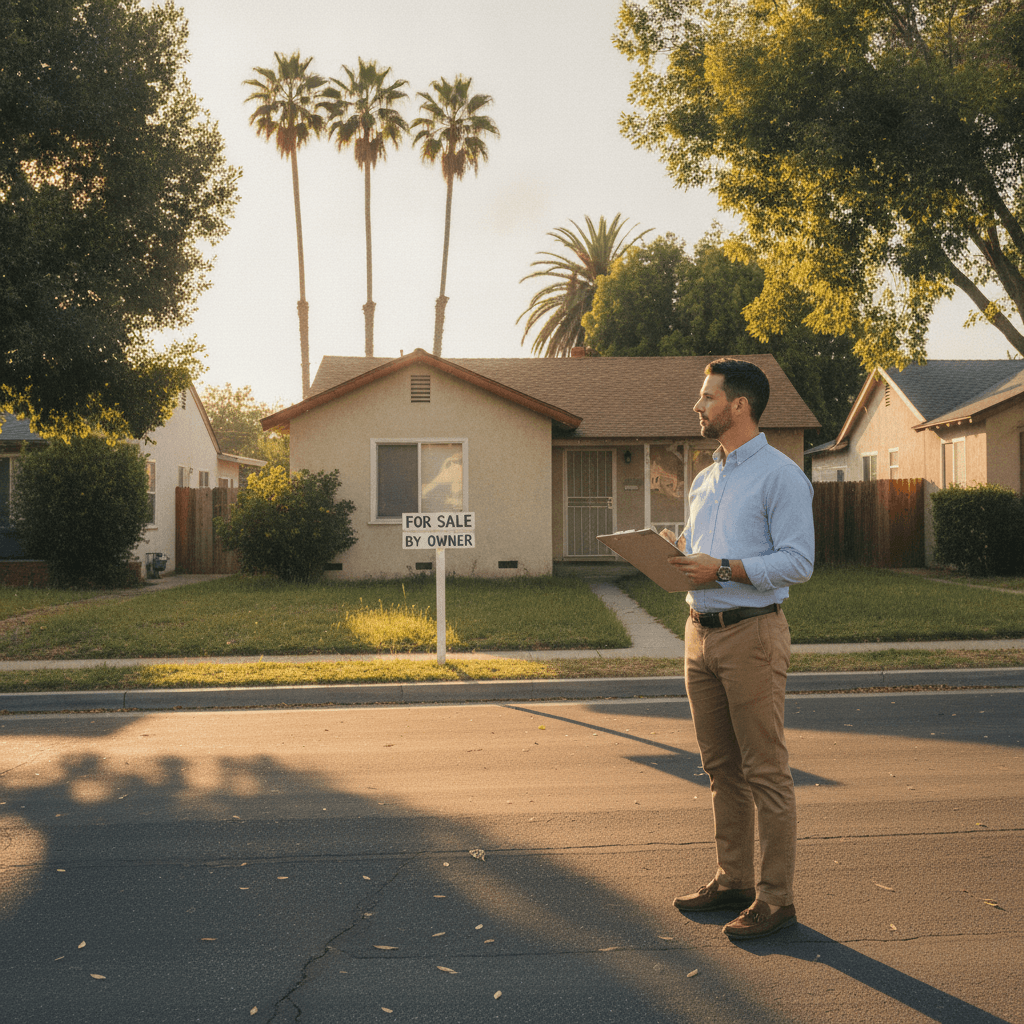
California has some of the most expensive housing in the country — and that is exactly why wholesalers love it. More equity in every deal means bigger assignment fees, but it also means tighter margins and stricter rules. Get the process right and you can build real income here.
Key Takeaways
- California wholesaling works because of high equity, not high volume — you need fewer deals to make the same money.
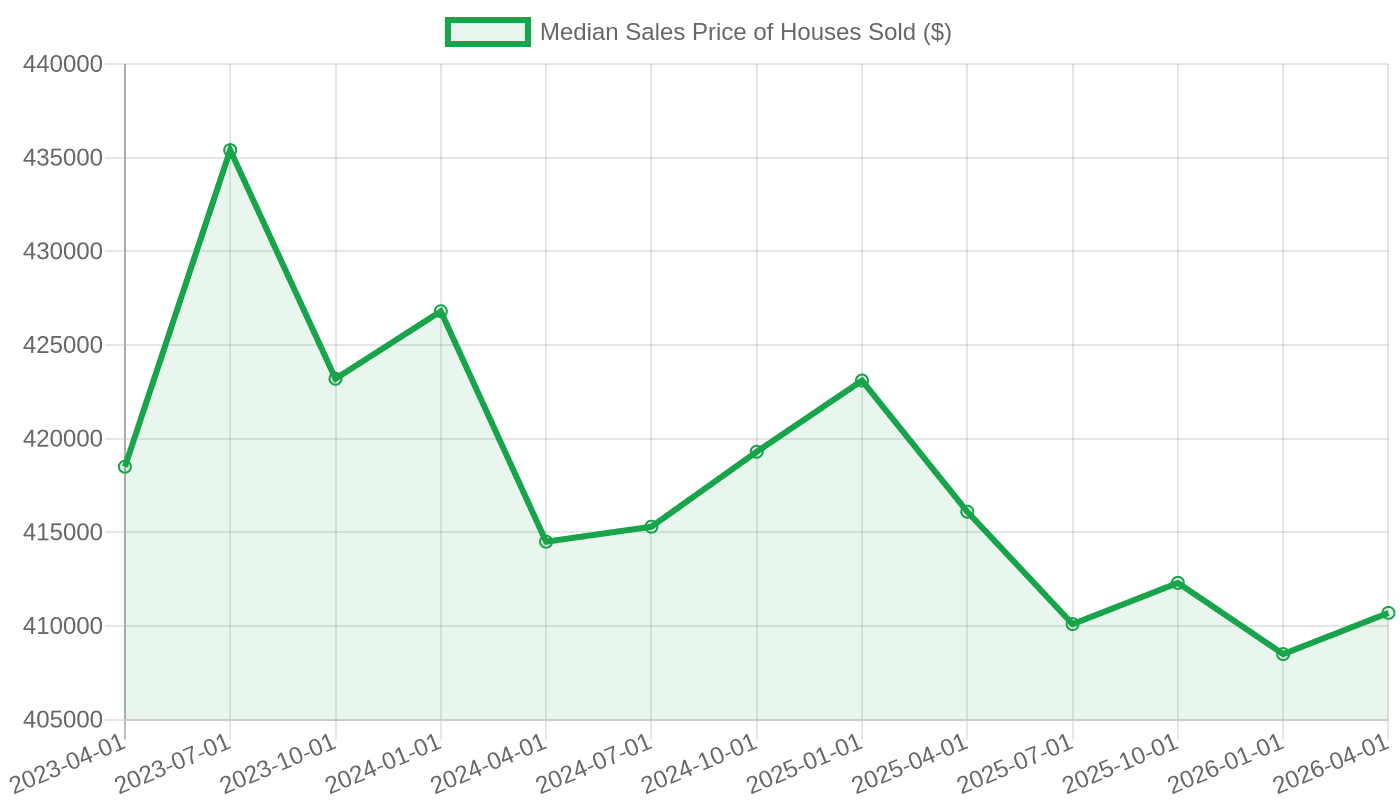
- The national median sales price of houses sold was $410,700 as of 2026-04-01, so a typical California deal carries far more spread than most states.
- The 30-year fixed mortgage rate hit 7.4% as of 2026-10-15 — higher rates push more sellers toward creative, off-market deals.
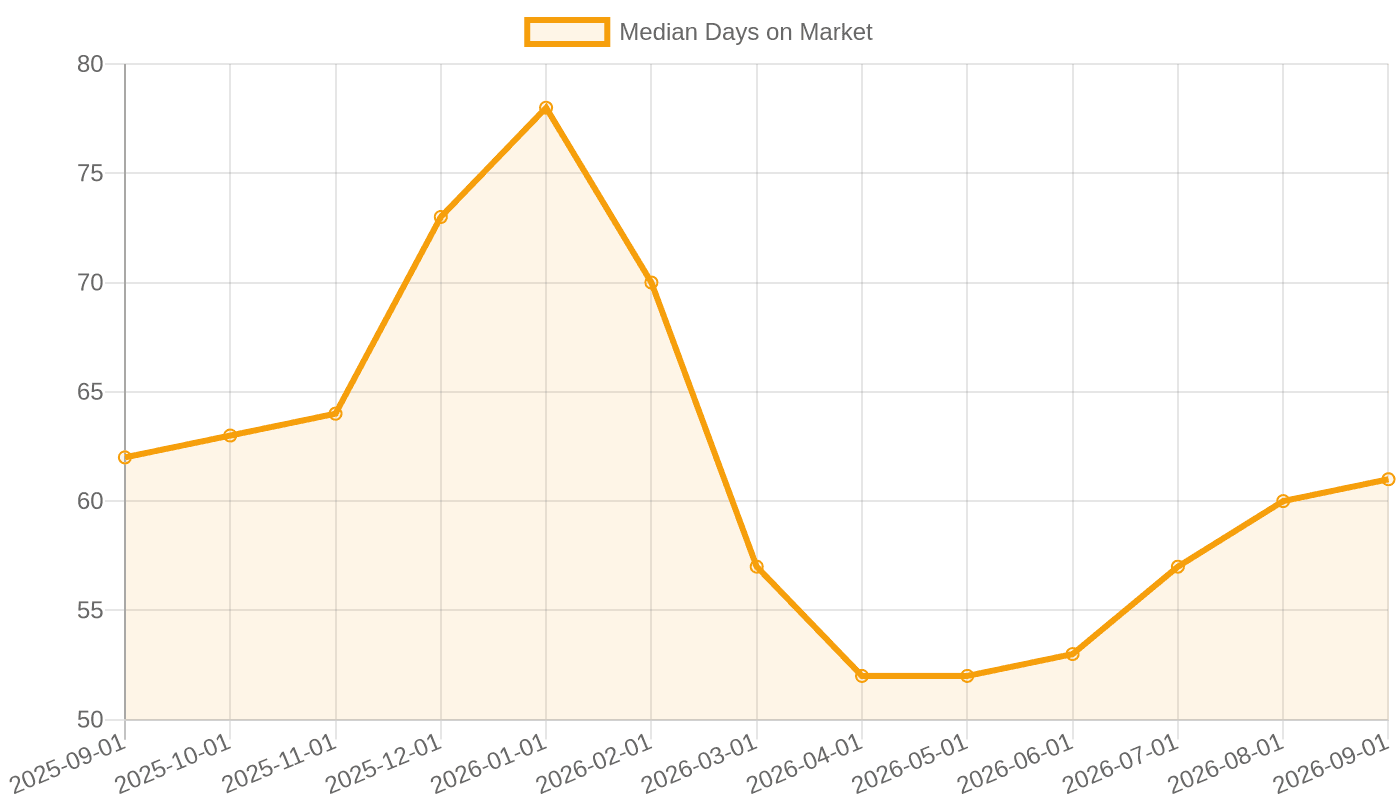
- Median days on market sat at 61 as of 2026-09-01, so speed and clean paperwork win deals.
- California requires strict disclosures and, in many cases, a real estate license for certain activities — compliance is not optional.
What is wholesaling real estate in California?
Wholesaling real estate in California is the practice of putting a distressed or off-market property under contract, then assigning that contract to an end buyer for a fee — without ever taking ownership. You are paid for finding the deal and controlling the paperwork, not for fixing the house.
In California, that model runs into a few things you will not find in most states: seven-figure price tags, heavy regulation, and a deep pool of cash buyers who already know the market. That combination is a gift if you understand it.
Why California is different
California is a high-equity, low-inventory market. That means:
- Sellers often have real money in the house, so they can afford to wait — you have to give them a reason to move now.
- Buyers are sophisticated. Your assignment fee has to make sense to someone who runs their own numbers.
- The state regulates who can negotiate real estate transactions for a fee. More on that below.
Why does wholesaling work in California right now?
Wholesaling works in California right now because high prices and high rates create motivated sellers. When the median home price is $410,700 nationally and mortgage rates are 7.4%, a lot of owners are stuck — they cannot easily sell retail, and they cannot easily refinance.
That gap is your opportunity.
The rate story
The 30-year fixed mortgage rate climbed from 6.58% on 2026-07-23 to 7.4% on 2026-10-15. That is a fast move, and fast moves shake loose sellers who were on the fence.
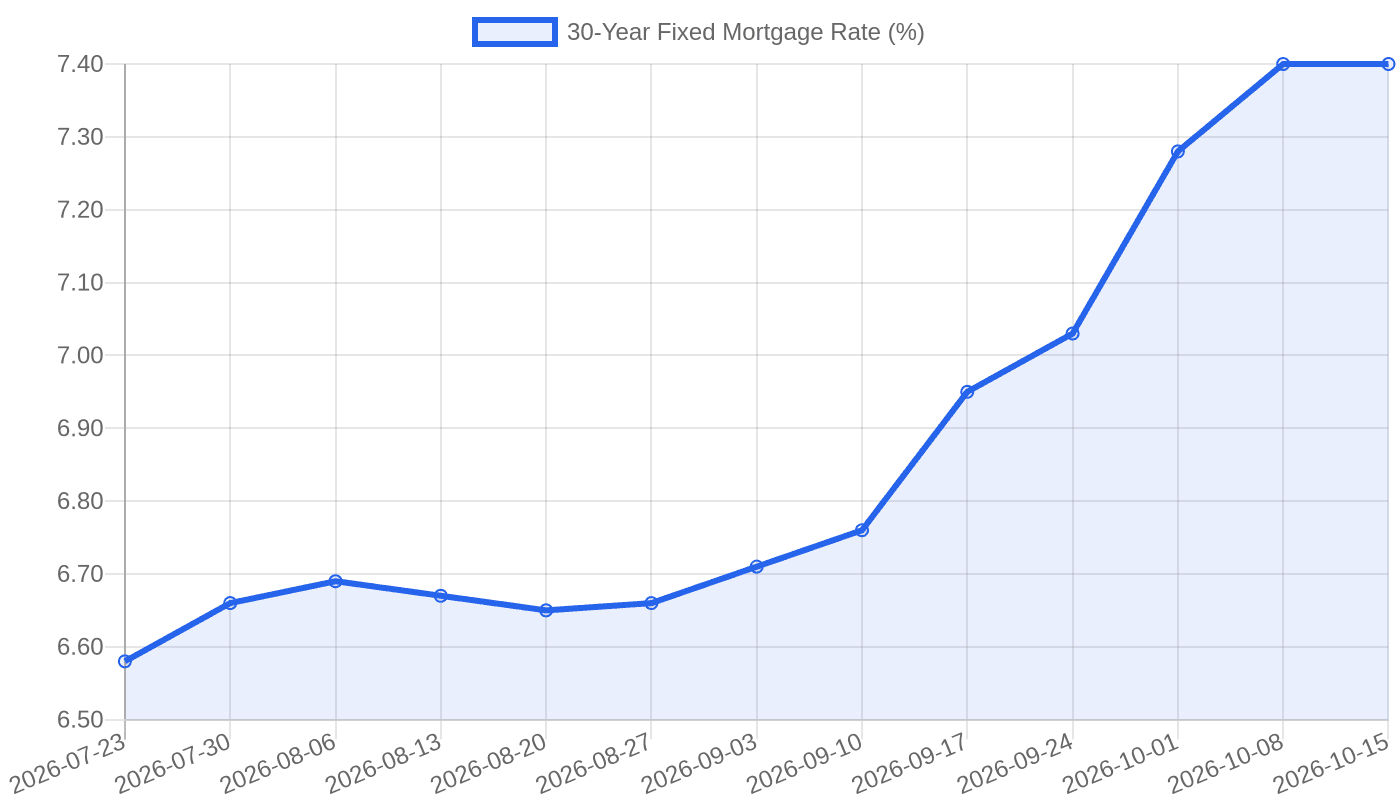
When rates jump like that, the pool of retail buyers shrinks. Sellers who need to move turn to investors instead — and investors turn to wholesalers for deal flow.
The price story
The national median sales price of houses sold has hovered in a tight band, from $418,500 in 2023-04-01 down to $410,700 in 2026-04-01. Prices are not crashing — they are flat to slightly soft, which is ideal for wholesaling. Sellers are not panicking, but they are not holding out for the moon either.
The speed story
Median days on market moved from 78 in 2026-01-01 down to 61 in 2026-09-01. Homes are selling faster again, which means your end buyers need to move quickly — and so do you.
How do you find wholesale deals in California?
You find California wholesale deals through direct-to-seller marketing and data-driven list building. The state is too expensive to buy blind, so you need targeted lists and real outreach, not mass mailers to the whole zip code.
Build a targeted list
Start with data. Pull lists of:
- Absentee owners with high equity
- Owners behind on taxes or in pre-foreclosure
- Inherited properties and probate
- Tired landlords with long-tenure rentals
Tools like PropStream and ATTOM Data let you filter by equity, ownership length, and distress signals. That is how you avoid wasting money on leads who will never sell.
Market directly to sellers
Once you have a list, reach out consistently:
- Send a simple, honest letter or postcard.
- Follow up with cold calls — this is where most deals actually happen.
- Text with permission and keep it short.
- Door-knock the highest-equity targets.
Consistency beats cleverness. The wholesalers who win in California are the ones who follow up five, six, seven times.
Work the MLS and agents
You can also find deals through the MLS, but you are competing with retail buyers. Your edge is speed and certainty — a clean cash offer with no contingencies. Build relationships with agents who have tired listings that have sat on the market.
How do you run comps and make an offer in California?
You run comps by pulling recent, nearby sales of similar homes and adjusting for condition, then you make an offer using the 70% rule. In California, that rule gets tested hard because prices are so high.
The 70% rule, California edition
Here is the formula:
Maximum offer = (After Repair Value × 0.70) − Repair Costs
On a California house with a $700,000 ARV and $80,000 in repairs, that is ($700,000 × 0.70) − $80,000 = $410,000. Your end buyer needs that spread to work, and so do you.
What your assignment fee looks like
Your fee is the difference between your contract price and what your buyer pays. In California, fees of $10,000 to $30,000 are common on mid-range deals, and they can go higher on premium properties. But the fee has to survive your buyer's math — if it does not, the deal dies.
Adjust for California realities
- Prop 13 keeps long-time owners' taxes low, so they may be less motivated to sell.
- High repair costs — California labor and permits are expensive. Pad your repair estimates.
- Disclosure requirements — the state demands thorough seller disclosures. Build time for that into your contract.
Is wholesaling legal in California?
Wholesaling is legal in California, but the way you do it matters. You can assign a contract you personally control. What you cannot do is act as an unlicensed agent — negotiating on behalf of someone else for a fee can cross that line.
The licensing line
California law is strict about who can solicit and negotiate real estate transactions for compensation. If you are marketing to sellers and negotiating price on their behalf, you may need a license. Many wholesalers work with a licensed agent or attorney to stay clean.
Disclosure and paperwork
Always:
- Use a written purchase agreement with a clear assignment clause.
- Disclose your intent to assign.
- Give the seller required disclosures.
- Have a real estate attorney review your contracts.
This is not legal advice. Talk to a California real estate attorney before you run your first deal.
What tools do wholesalers need in California?
Wholesalers in California need four core tools: data and list building, a CRM, a dialer, and deal-tracking software. Our directory tracks 65 software tools across 9 categories built for exactly this.
The core stack
| Tool Type | What It Does | Example Tools |
|---|---|---|
| Data & lists | Find high-equity, distressed leads | PropStream, ATTOM Data |
| CRM | Track leads and follow-up | GoHighLevel |
| Dialer | Cold call sellers at scale | CallTools |
| Deal tracking | Manage contracts and buyers | Launch Control |
| Lead gen | Buy motivated-seller leads | Televista Lead Generation |
Why the stack matters in California
California deals are expensive, so a single wasted lead costs more. A tight stack means you spend less time chasing bad data and more time talking to sellers who can actually close.
How do you assign the contract and get paid?
You assign the contract by finding a cash buyer, signing an assignment agreement, and collecting your fee at closing. The title company or escrow handles the money — you never touch the property.
Step-by-step
- Get the property under contract with an assignable agreement.
- Market the deal to your cash buyer list.
- Negotiate your assignment fee.
- Sign the assignment agreement.
- Send everything to escrow and let title close it.
- Collect your fee at closing.
Build your buyer list first
Do not wait until you have a contract to find buyers. Build a list of California cash buyers — flippers, landlords, and funds — before you make a single offer. When you have a deal, you want to send it out the same day.
What are the biggest mistakes California wholesalers make?
Skipping legal review
The most expensive mistake is treating California like a loose, unregulated state. It is not. Get an attorney.
Overpaying for leads
With high prices comes high lead cost. Track your cost per deal, not just cost per lead.
Underestimating repairs
California repairs and permits cost more. If you estimate like it is Texas, your buyer will walk.
Ignoring follow-up
Most deals come from the fifth or sixth contact. If you quit after two, you leave money on the table.
Forgetting the buyer's math
Your assignment fee is only real if your buyer still profits. Protect their margin and you protect your reputation.
The Bottom Line
Wholesaling in California is a high-reward game that rewards preparation, compliance, and follow-up. The numbers are on your side — high equity, motivated sellers, and a steady flow of off-market opportunities. Your next step is to build your stack: compare the data, CRM, and dialer tools in our directory so you can find and close California deals faster. And before you start calling sellers, try our free AI Cold Call Trainer — practice a few calls against a realistic AI seller first, no signup needed.
Frequently Asked Questions
Is wholesaling real estate legal in California?
Yes, wholesaling is legal in California, but you must avoid acting as an unlicensed real estate agent. Assigning a contract you control is generally fine, but negotiating on behalf of a seller for a fee can require a license. Always work with a California real estate attorney to structure your deals correctly.
How much can you make wholesaling in California?
Assignment fees in California commonly range from $10,000 to $30,000 on mid-range deals, and can go higher on premium properties. Your fee depends on the spread between your contract price and what your end buyer will pay. Because California prices are high, you need fewer deals to hit the same income as wholesalers in lower-priced states.
Do I need a real estate license to wholesale in California?
Not always, but the line depends on what you actually do. If you market to sellers and negotiate transactions for compensation, you may need a license. Many California wholesalers partner with a licensed agent or attorney to stay compliant.
What is the 70% rule and does it work in California?
The 70% rule says your maximum offer should be 70% of the after-repair value minus repair costs. It still works in California, but high repair and permit costs mean you should pad your repair estimates. On a $700,000 ARV home with $80,000 in repairs, your max offer would be $410,000.
What tools do California wholesalers need most?
The core stack is data and list-building software, a CRM, a dialer, and deal-tracking tools. Our directory tracks 65 software tools across 9 categories built for wholesalers, including options like PropStream, ATTOM Data, GoHighLevel, and CallTools.
Why is now a good time to wholesale in California?
High mortgage rates and flat prices are pushing more sellers toward off-market deals. The 30-year fixed rate hit 7.4% as of 2026-10-15, and the national median sales price sat at $410,700 as of 2026-04-01. That combination creates motivated sellers and strong demand from cash buyers.
Sources
- Software tools tracked in the Wholesale REI directory — Wholesale REI directory
- Tool categories in the Wholesale REI directory — Wholesale REI directory
- 30-Year Fixed Mortgage Rate (as of 2026-10-15) — FRED (Federal Reserve Bank of St. Louis)
- Median Sales Price of Houses Sold (as of 2026-04-01) — FRED (Federal Reserve Bank of St. Louis)
- Median Days on Market (as of 2026-09-01) — FRED (Federal Reserve Bank of St. Louis)
This article was researched and drafted with AI assistance, then reviewed and edited by Mark Anthony. Every statistic is sourced and cited. It's for informational purposes only and is not financial or legal advice. Read our editorial policy.