How to Wholesale Real Estate: Step-by-Step


You want to start wholesaling real estate, but you're not sure where to begin or how to avoid the costly mistakes that sink most new investors. The good news: wholesaling is one of the lowest-barrier ways to break into real estate investing — you don't need a license, a huge bankroll, or even your own credit. You just need a clear, repeatable system.
Key Takeaways
- Wholesaling involves finding a motivated seller, getting a property under contract, then assigning that contract to an end buyer for a fee.
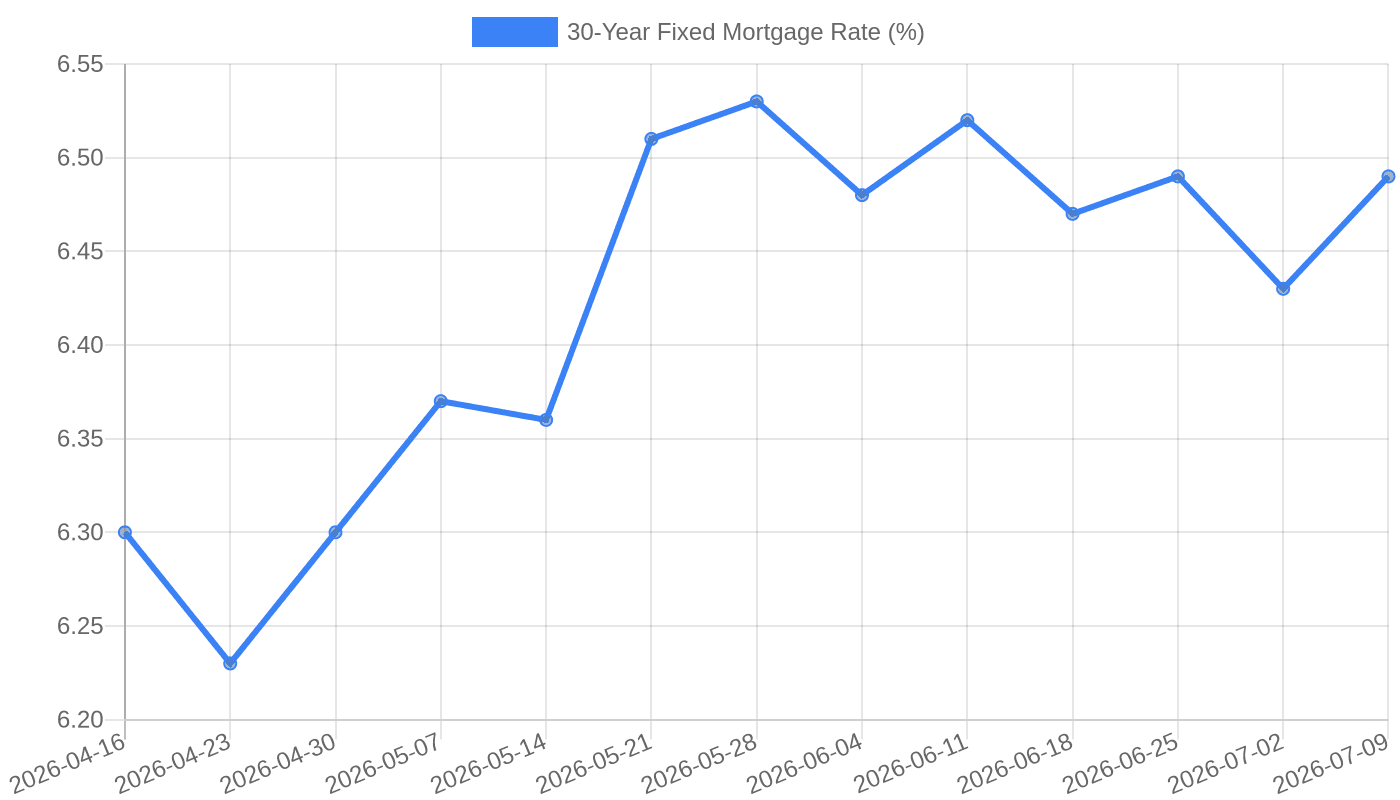
- The national median home price is $403,200 (as of January 2026) and mortgage rates hover around 6.49%, creating motivated sellers who need creative solutions.
- You can start with zero money down by using an assignment clause in your purchase agreement.
- The most successful wholesalers build a targeted buyer's list before they even find a deal.
- Tools like PropStream and CallTools can automate lead generation and follow-up, saving dozens of hours per week.
What Is Wholesaling Real Estate?
Wholesaling real estate is the practice of getting a property under contract with a motivated seller and then assigning that contract to an end buyer for a fee. You never actually buy the house yourself — you control the contract and sell your rights to it. The profit is the difference between your contract price and the price the end buyer pays you.
Think of yourself as a middleman who finds undervalued deals and connects them with cash buyers. The wholesaler's fee is typically called an "assignment fee." It's legal in all 50 states, though some states have specific disclosure requirements.
Why Wholesale Real Estate Right Now?
The current market creates a perfect environment for wholesalers. The 30-year fixed mortgage rate is 6.49% (as of July 9, 2026), and the median home price is $403,200. Those two numbers together mean many homeowners are "stuck" — they want to sell but can't afford to buy at today's rates. That's where you come in.
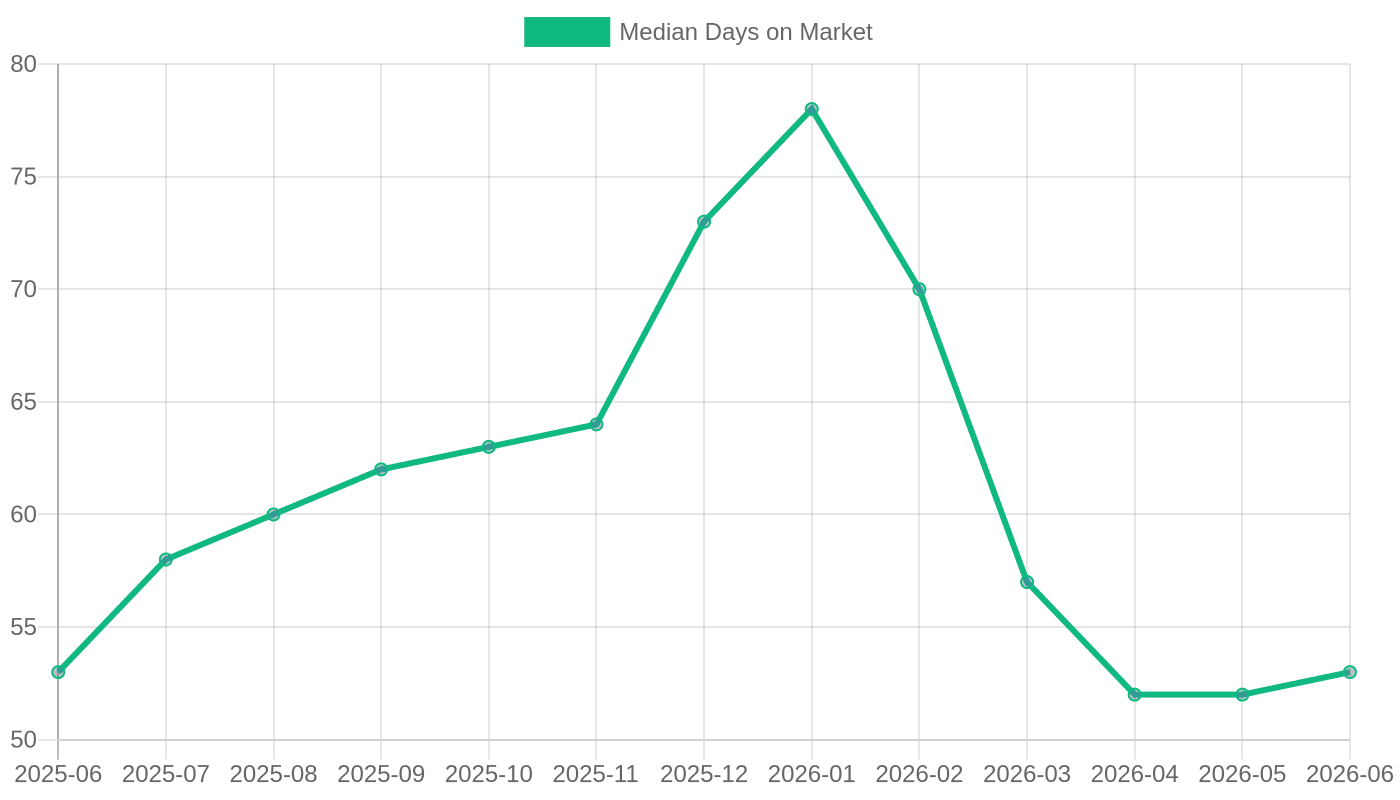
At the same time, the median days on market has risen to 53 days (as of June 2026), up from 52 in April. Homes are sitting longer, which means sellers are getting more motivated. A longer DOM gives you more negotiating power and more time to find a buyer.
Who Is a Motivated Seller?
A motivated seller is someone who needs to sell quickly and is willing to accept a below-market price. Common scenarios:
- Divorce – splitting assets, need cash fast
- Inheritance – don't want to manage a property they never lived in
- Relocation – job move, already bought elsewhere
- Financial distress – behind on mortgage, facing foreclosure
- Property condition – needs major repairs, can't get conventional financing
These sellers are your target. They aren't looking for top dollar — they want a sure, fast closing with no hassle.
How to Wholesale Real Estate: The 7-Step Process
Here's the exact step-by-step system that successful wholesalers use. Follow these steps in order, and you'll avoid the most common pitfalls.
Step 1: Build Your Buyer's List First
Before you find a single deal, you need a list of cash buyers ready to purchase. This is the most overlooked step by beginners. Without buyers, you can't assign a contract.
How to build a buyer's list:
- Search public records for recent cash purchases in your target area.
- Attend local real estate investor meetups (check Meetup.com or Facebook groups).
- Pull tax records for out-of-state owners — they often sell to investors.
- Use tools like PropStream or ATTOM Data to filter for cash buyers.
Your goal: at least 50-100 active buyers. Store their contact info in a CRM like GoHighLevel or CallTools so you can blast your deals when you get one under contract.
Step 2: Find Motivated Sellers
There are two main ways to find deals: inbound marketing and outbound prospecting. Most wholesalers use a mix of both.
Inbound Marketing
- Direct mail – Send yellow letters or postcards to absentee owners, expired listings, or pre-foreclosures. Expect a 0.5%–2% response rate.
- Bandit signs – Place "We Buy Houses" signs at busy intersections (check local laws first).
- PPC ads – Run Google or Facebook ads targeting "sell my house fast" in your city.
- SEO – Build a simple website optimized for "cash home buyers [your city]."
Outbound Prospecting
- Cold calling – Call expired listings, FSBOs, and absentee owners. Use a power dialer like CallTools or Launch Control to make 100+ calls per hour.
- Driving for dollars – Drive neighborhoods looking for distressed properties (overgrown lawns, boarded windows, etc.) and look up the owner's info via county records.
- Texting – Use skip tracing to get phone numbers and send SMS campaigns.
Pro tip: Combine multiple channels. A seller who gets your letter AND sees your bandit sign AND gets a call is much more likely to engage.
Step 3: Analyze the Deal
Once you have a lead, you need to determine the Maximum Allowable Offer (MAO). This is the highest price you can pay and still leave room for your assignment fee and the buyer's profit.
MAO Formula: MAO = After Repair Value (ARV) – Repair Costs – Buyer's Desired Profit – Your Assignment Fee
Let's use real numbers. The national median home price is $403,200. Suppose a fixer-upper has an ARV of $350,000, needs $50,000 in repairs, and your buyer wants a $30,000 profit. You want a $10,000 assignment fee.
MAO = $350,000 – $50,000 – $30,000 – $10,000 = $260,000
That means you can offer up to $260,000. Anything less increases your profit or the buyer's margin.
Use tools like PropStream or DealMachine to get accurate ARV and repair estimates. Don't guess — bad math kills deals.
Step 4: Get the Property Under Contract
You need a purchase and sale agreement with an assignment clause. The assignment clause gives you the right to transfer the contract to another buyer.
Key elements of your contract:
- Inspection period – Typically 7–14 days to find your buyer.
- Assignment clause – Clearly states you can assign the contract.
- Non-refundable earnest money – Keep it small ($100–$500) to minimize risk.
- Seller financing clause – Optional, but can help if the property needs work.
Never lie about being the end buyer. Be transparent: "I'm an investor. I may assign this contract to another buyer." In some states, you must disclose this in writing.
Step 5: Market the Deal to Your Buyer's List
Once you have a signed contract, send it to your buyer's list immediately. Include:
- Address and photos
- ARV, repair estimate, and asking price
- Your assignment fee (built into the price)
- Deadline for offers (usually 3–5 days)
Use your CRM to blast an email and SMS. Call your top 10 buyers personally. Speed wins — the best deals go fast.
Step 6: Assign the Contract
When a buyer agrees to your terms, you execute an assignment agreement. This transfers your rights under the original contract to the buyer. The buyer pays you directly (usually at closing), and then closes with the seller.
Two ways to structure the assignment:
| Method | How It Works | Pros | Cons |
|---|---|---|---|
| Double close | You buy the property, then immediately sell to the end buyer. | Buyer never sees your profit; works with transactional funding. | Need funding source; extra closing costs. |
| Direct assignment | Buyer steps into your contract; you get paid at closing. | Simpler, fewer fees. | Buyer sees your contract price; may try to cut you out. |
Most beginners start with direct assignment. Use a title company that understands wholesaling.
Step 7: Close and Get Paid
At closing, the end buyer pays the seller the agreed price, and you receive your assignment fee. Typical assignment fees range from $5,000 to $25,000 per deal. Some wholesalers make $50,000+ on larger deals.
Important: Report your assignment fee as ordinary income on your taxes. Consult a CPA.
Best Tools for Wholesaling Real Estate
Our directory tracks 63 software tools across 9 categories to help wholesalers automate and scale. Here are the top tools for each stage:
| Stage | Tool | Why Use It |
|---|---|---|
| Lead generation | PropStream | Nationwide property data, skip tracing, driving for dollars. |
| CRM & automation | GoHighLevel | All-in-one CRM, email, SMS, and funnel builder. |
| Cold calling | CallTools | Power dialer, voicemail drop, call recording. |
| Data & analytics | ATTOM Data | Deep property and ownership data for analysis. |
| Marketing | Launch Control | Direct mail automation with tracking. |
| Deal management | Rezzie | Pipeline management and contract templates. |
Common Mistakes Beginners Make
- Skipping the buyer's list – You can't assign a contract if you have no buyers.
- Overpaying for deals – Stick to your MAO formula. Don't let emotion drive offers.
- Not having a solid contract – Use a real estate attorney to draft your assignment agreement.
- Ignoring local laws – Some states require a real estate license for certain activities. Check your state's laws.
- Poor communication – Respond to sellers and buyers quickly. Delays kill deals.
The Bottom Line
Wholesaling real estate is a proven path to cash flow without needing your own capital or credit. The current market — with high mortgage rates and rising days on market — creates motivated sellers who need your service. Start by building your buyer's list, then pick one lead generation method and execute it consistently. If you want to practice your pitch before talking to real sellers, try our free AI Cold Call Trainer — it simulates realistic seller conversations and gives you instant feedback. Then head to our directory to compare the tools that will automate your business.
Frequently Asked Questions
Do I need a real estate license to wholesale?
In most states, you do not need a license to wholesale real estate as long as you are assigning your own contract rights. However, some states have specific disclosure requirements or licensing thresholds. Always check your state's laws and consult a real estate attorney.
How much money do I need to start wholesaling?
You can start with very little — often under $500. The main costs are marketing (direct mail, bandit signs, or online ads), skip tracing services, and earnest money deposits (typically $100–$500 per contract). Many wholesalers begin with zero money down by using assignment clauses.
What is an assignment fee?
An assignment fee is the profit you earn when you transfer your purchase contract to an end buyer. It's the difference between your contract price and what the buyer pays you. Typical fees range from $5,000 to $25,000, but can be higher on larger deals.
How do I find motivated sellers?
You can find motivated sellers through direct mail to absentee owners or pre-foreclosures, cold calling expired listings, driving for dollars, and running online ads. Building a targeted list of sellers who need to sell quickly is key.
What is a double close vs. direct assignment?
In a direct assignment, the end buyer steps into your contract and you get paid at closing. In a double close, you buy the property and immediately resell it to the buyer. Double closes hide your profit but require transactional funding and incur extra closing costs.
What tools do I need to wholesale?
Essential tools include a CRM (like GoHighLevel), a property data platform (PropStream or ATTOM Data), a power dialer (CallTools or Launch Control), and a contract management system. Our directory lists 63 tools across 9 categories to help you automate each step.
Sources
- 30-Year Fixed Mortgage Rate (as of 2026-07-09) — FRED (Federal Reserve Bank of St. Louis)
- Median Sales Price of Houses Sold (as of 2026-01-01) — FRED (Federal Reserve Bank of St. Louis)
- Median Days on Market (as of 2026-06-01) — FRED (Federal Reserve Bank of St. Louis)
- Software tools tracked in the Wholesale REI directory — Wholesale REI directory
- Tool categories in the Wholesale REI directory — Wholesale REI directory
This article was researched and drafted with AI assistance, then reviewed and edited by Mark Anthony. Every statistic is sourced and cited. It's for informational purposes only and is not financial or legal advice. Read our editorial policy.