Pay Per Lead for Wholesalers: Is It Worth It?


You need motivated seller leads, and you need them now. Pay per lead promises a shortcut — but if you don't know your numbers, it's a fast way to burn cash. Let's fix that.
Key Takeaways
- Pay per lead works when your cost per lead is far below your cost per contract — and you know both numbers cold.
- The median U.S. home sold for $393,300 as of July 2026, so even a modest assignment fee is a small slice of a big pie.
- With the 30-year fixed at 7.18% as of November 5, 2026, more sellers are stuck — and lead quality matters more than lead volume.
- Median days on market hit 63 in October 2026, up from 52 in April 2026 — a slower market means longer follow-up cycles and higher lead costs per deal.
- Our directory tracks 65 tools across 9 categories — compare lead sources and CRMs before you commit.
What is pay per lead in wholesale real estate?
Pay per lead is a pricing model where you pay a fixed price for each seller lead delivered to you, instead of paying for clicks, impressions, or a monthly subscription. You only pay when someone actually raises their hand.
In wholesale real estate, pay-per-lead vendors typically sell exclusive or shared motivated-seller leads — pre-foreclosure, probate, tired landlords, or high-equity owners. The appeal is simple: no ad spend to manage, no cold-calling grind, just leads in your inbox.
The catch is equally simple. You pay for every lead, whether it converts or not. So the entire question of whether pay per lead is worth it comes down to one ratio: your cost per contract versus your profit per contract.
How is pay per lead different from pay per click?
Pay per click charges you for traffic; pay per lead charges you for contact information. With PPC, you own the funnel and the follow-up. With pay per lead, the vendor owns the funnel and hands you the result.
That trade-off matters. PPC gives you control and usually a lower cost per lead at scale — but it demands ad skills, landing pages, and time. Pay per lead gives you speed and simplicity — but you inherit the vendor's targeting, and you can't see what happens before the lead reaches you.
What do you actually get with a paid seller lead?
You usually get a name, phone number, property address, and a stated motivation. Sometimes you get an email and a rough timeline. What you rarely get is a verified, ready-to-sign seller.
Treat every paid lead as raw material, not a deal. Your job is to qualify fast, follow up relentlessly, and disqualify without emotion.
Is pay per lead worth it for wholesalers?
Yes — if your cost per contract is a small fraction of your assignment fee. No — if you buy leads without tracking conversion. The model isn't good or bad on its own. The math decides.
Here's the simple test. If you pay $50 per lead and close 1 in 50 leads, your cost per contract is $2,500. If your average assignment fee is $10,000, you're keeping $7,500 before follow-up costs. That works. If you close 1 in 200, your cost per contract is $10,000 — and you're working for free.
So before you buy a single lead, write down three numbers: cost per lead, close rate, and average assignment fee. If you don't know your close rate yet, start small and measure it.
The ROI formula every wholesaler should run
Use this formula: Cost per contract = Cost per lead ÷ Close rate. Then compare that to your average assignment fee.
A healthy target is a cost per contract at or below 20–30% of your assignment fee. That leaves room for follow-up labor, skip tracing, direct mail retargeting, and the deals that fall apart at closing.
Run the formula monthly. Lead quality drifts, and a vendor that performed in January may underperform by June.
Why market conditions change the math
When homes sit on the market longer, sellers get more motivated — but your follow-up cycle also stretches. Median days on market was 63 in October 2026, up from 52 in April 2026. That's a longer runway from first contact to signed contract.
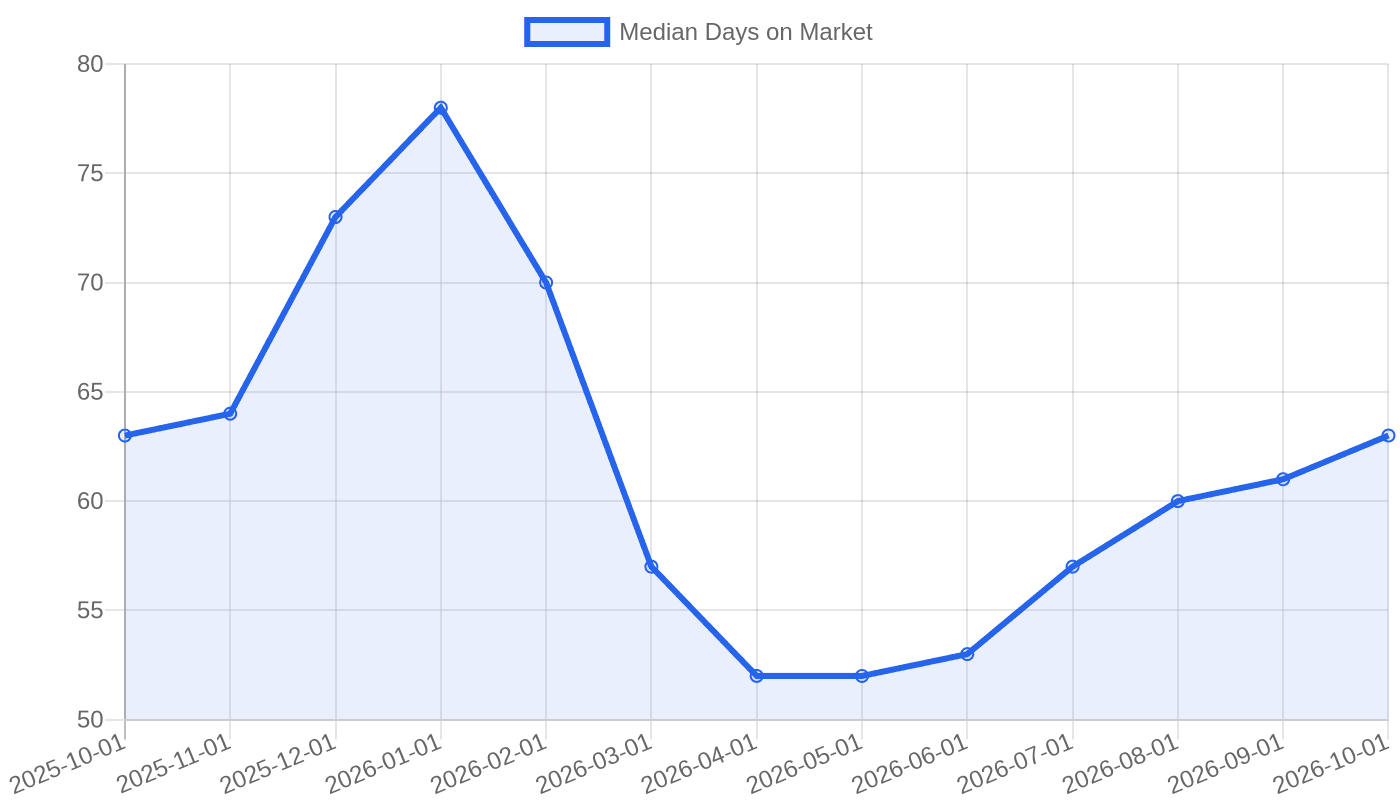
Longer cycles mean more touches per lead, more dials, and more leads that go cold before they convert. Budget for that. A lead that takes 90 days to close costs you more in labor than one that closes in 14.
How much should you pay per lead?
There's no universal price, but most motivated-seller leads fall in a wide range depending on exclusivity, geography, and motivation type. Exclusive leads cost more; shared leads cost less and convert worse.
Instead of chasing the cheapest lead, chase the lowest cost per contract. A $150 exclusive lead that closes 1 in 30 beats a $30 shared lead that closes 1 in 300 every time.
Exclusive vs. shared leads: a quick comparison
Here's how the two models stack up on the factors that actually move your P&L.
| Factor | Exclusive leads | Shared leads |
|---|---|---|
| Typical price | Higher | Lower |
| Number of buyers per lead | One | Several |
| Competition on contact | None | High |
| Close rate | Higher | Lower |
| Speed to contact matters | Yes | Critical |
| Best for | Established follow-up systems | Testing and volume |
If you have a fast dialing system and a disciplined CRM, exclusive leads usually win. If you're still building your process, shared leads are a cheap way to learn — as long as you expect low conversion.
What hidden costs should you watch for?
Watch for lead resale, stale data, and returns policies. Some vendors resell the same lead to five buyers and call it "exclusive." Others sell leads that are months old.
Ask three questions before you buy:
- How many buyers receive each lead?
- How old is the lead data, and how was consent captured?
- What is the replacement policy for bad numbers or disconnected phones?
A vendor that won't answer these in writing is telling you something.
How do you calculate cost per contract from paid leads?
Divide your total lead spend by the number of contracts you signed from those leads. That's your true cost per contract — the only number that matters.
Example: you spend $5,000 on 100 leads and sign 4 contracts. Your cost per contract is $1,250. If your average assignment fee is $8,000, you're netting $6,750 per deal before follow-up costs. That's a workable model.
Track this in your CRM, not a spreadsheet you forget to update. Tag every lead with its source and its cost, then report on source-level ROI monthly.
A step-by-step tracking setup
- Create a custom field in your CRM for lead source and lead cost.
- Log every paid lead the day it arrives.
- Update the lead status after every call — no exceptions.
- Tag the contract with the originating lead source when you sign.
- Run a monthly report: spend by source ÷ contracts by source.
- Cut or renegotiate any source above your target cost per contract.
This takes an hour to set up and saves you thousands. Without it, you're guessing.
Why does the housing market matter for lead costs?
A slower, more expensive market pushes more sellers into motivation — but it also stretches your follow-up. The 30-year fixed mortgage rate climbed from 6.65% in August 2026 to 7.40% in mid-October 2026 before easing to 7.18% by November 5, 2026.
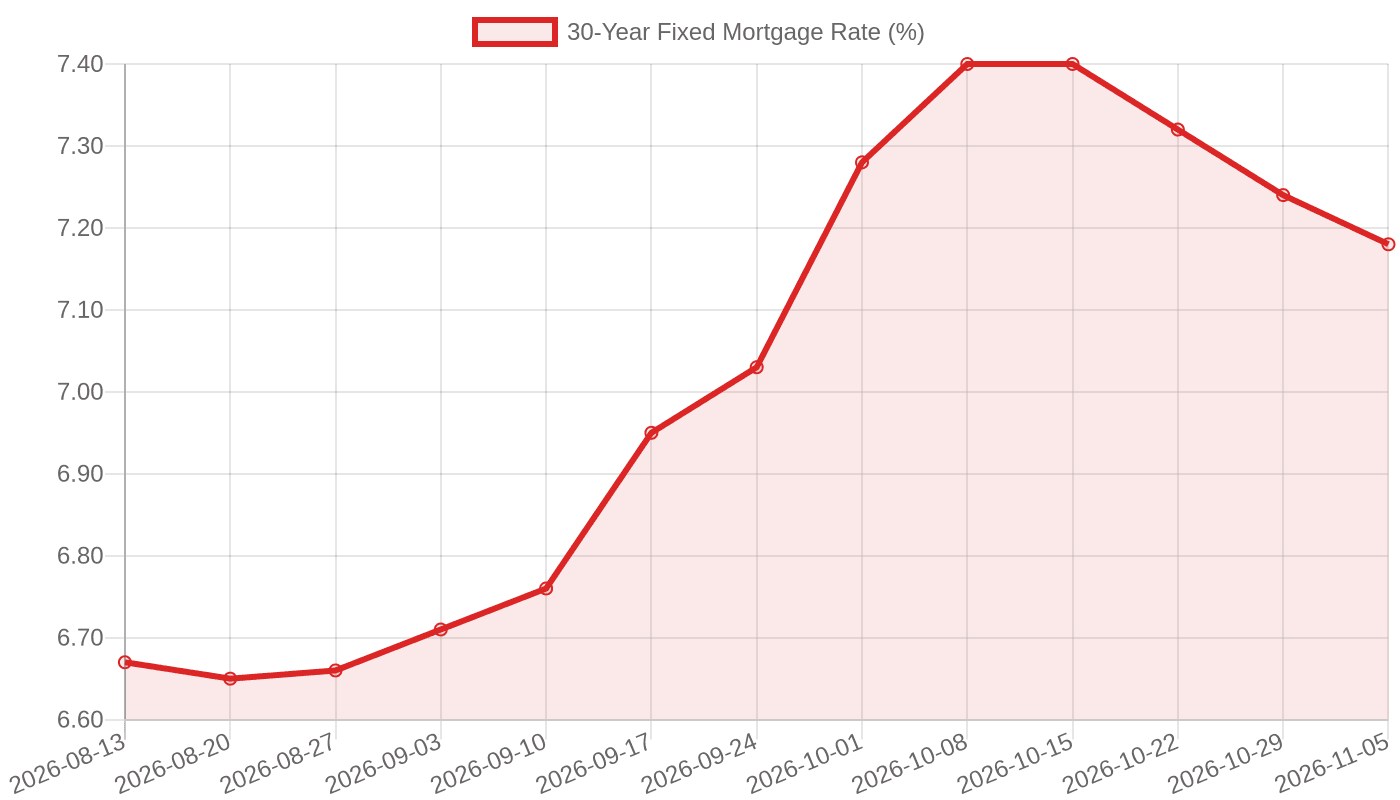
Higher rates lock in homeowners with low-rate mortgages, which reduces inventory and keeps prices elevated. The median sales price of houses sold was $393,300 in July 2026. For wholesalers, that means equity-rich sellers who are reluctant to list — a good pool for creative deals, but a pool that needs more nurturing.
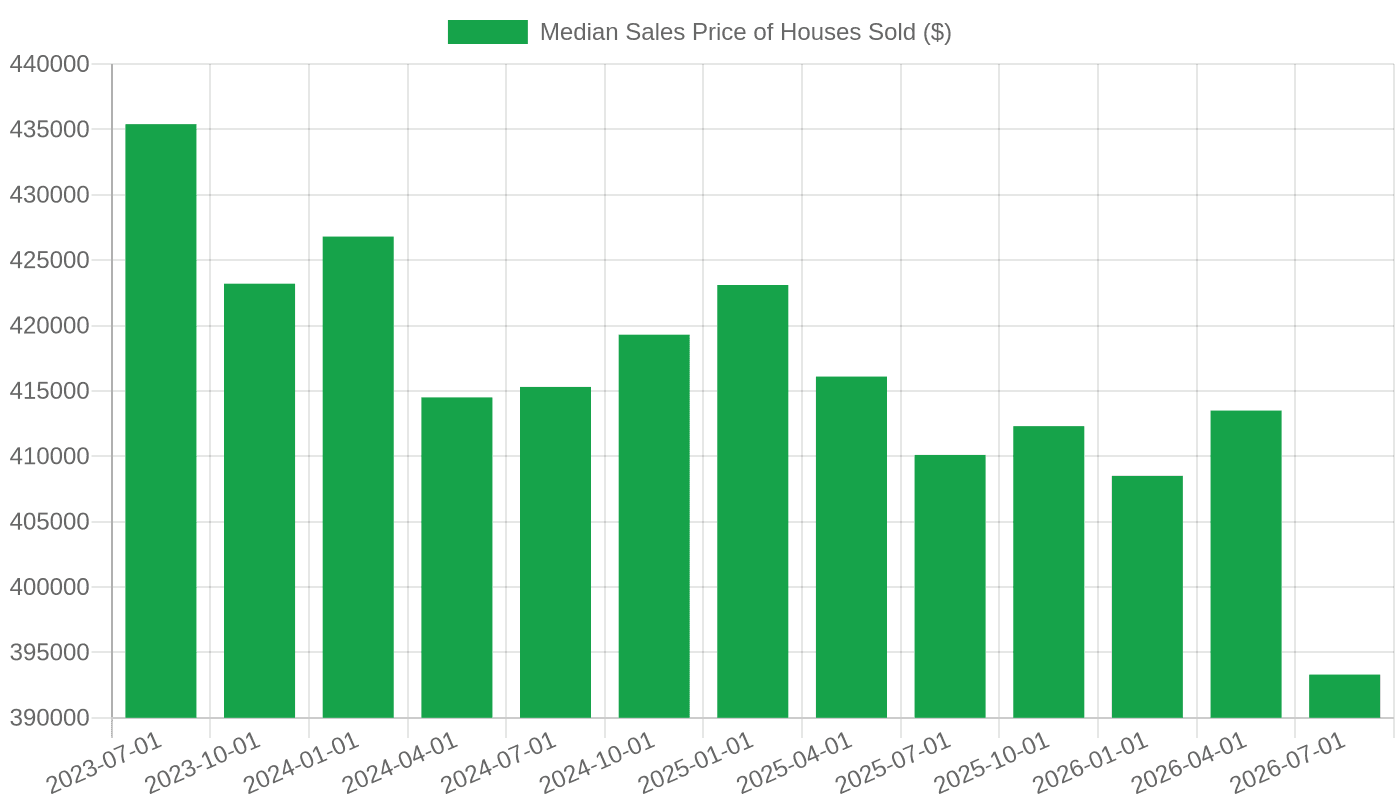
When rates spike, seller motivation rises but so does the cost of capital for your buyers. That makes your assignment fee more sensitive to the deal terms. Pay-per-lead budgets should flex with this — don't lock in a big monthly commitment when rates are volatile.
What are the alternatives to pay per lead?
Cold calling, direct mail, PPC, and organic content are the main alternatives. Each trades cash for time or time for cash.
Cold calling is the cheapest per lead but the most labor-intensive. Direct mail has high upfront cost and slow feedback. PPC gives you control but requires skill. Pay per lead is the fastest path to a full pipeline — at the highest cost per lead.
When should you buy leads instead of generating them?
Buy leads when you need speed or when you're entering a new market and don't have a list. Buy leads when your follow-up system is already strong and you can absorb volume.
Don't buy leads when you're still learning to convert. Fix your conversion first, then scale spend. Otherwise you're paying to learn lessons you could learn for free.
How do paid leads fit with your CRM and dialer?
Paid leads are only as good as your speed to contact. If a lead sits in your inbox for six hours, you've wasted your money. Route paid leads straight into your CRM and dialer so you can call within minutes.
Our directory tracks 65 tools across 9 categories, including CRMs, dialers, and data providers. Compare them before you bolt on a lead vendor — the follow-up system is what turns paid leads into contracts.
The Bottom Line
Pay per lead is worth it when your cost per contract stays well below your assignment fee — and it's a money pit when you don't track conversion. Start small, measure source-level ROI monthly, and scale only the vendors that clear your target. Before you spend a dollar on leads, sharpen the skill that converts them: practice a few calls against a realistic AI seller with our free AI Cold Call Trainer — no signup needed.
Frequently Asked Questions
How much does pay per lead cost for wholesale real estate?
Prices vary widely by exclusivity and market, but the number that matters is your cost per contract — total lead spend divided by contracts signed. A $50 lead that closes 1 in 50 costs $2,500 per contract; a $150 lead that closes 1 in 30 costs $4,500. Compare against your average assignment fee.
Are exclusive leads better than shared leads?
Exclusive leads usually convert better because you're not racing other buyers to the phone. Shared leads are cheaper and useful for testing, but expect lower close rates and treat speed to contact as critical.
How do I calculate ROI on paid seller leads?
Divide total lead spend by contracts signed to get cost per contract, then subtract that from your average assignment fee. Track it monthly by lead source in your CRM so you can cut underperforming vendors.
Do market conditions affect pay-per-lead ROI?
Yes. When median days on market rises — it hit 63 in October 2026, up from 52 in April 2026 — follow-up cycles stretch and each lead needs more touches. Higher mortgage rates also shift seller motivation and buyer demand, so review your lead budget as rates move.
What should I ask a pay-per-lead vendor before buying?
Ask how many buyers receive each lead, how old the data is, how consent was captured, and what the replacement policy is for bad numbers. Get the answers in writing.
Sources
- Software tools tracked in the Wholesale REI directory — Wholesale REI directory
- Tool categories in the Wholesale REI directory — Wholesale REI directory
- 30-Year Fixed Mortgage Rate (as of 2026-11-05) — FRED (Federal Reserve Bank of St. Louis)
- Median Sales Price of Houses Sold (as of 2026-07-01) — FRED (Federal Reserve Bank of St. Louis)
- Median Days on Market (as of 2026-10-01) — FRED (Federal Reserve Bank of St. Louis)
This article was researched and drafted with AI assistance, then reviewed and edited by Mark Anthony. Every statistic is sourced and cited. It's for informational purposes only and is not financial or legal advice. Read our editorial policy.