Real Estate Wholesaling Contracts: 7 Mistakes to Avoid


You've found a great deal, but one wrong clause in your contract could kill the assignment or land you in court. Real estate wholesaling contracts are the backbone of your business, and mistakes here are expensive.
Key Takeaways
- Never sign a contract without a clear assignment clause — it's what makes wholesaling legal.
- Always include a financing contingency to protect yourself if the end buyer backs out.
- Use the correct legal entity name on every contract; personal liability can wipe out your profits.
- Disclose your assignment in writing to the seller upfront to avoid fraud claims.
- The median US home price is $403,200 (FRED), and mistakes on a deal that size can cost you thousands.
What Are Real Estate Wholesaling Contracts?
A real estate wholesaling contract is a purchase agreement between you (the wholesaler) and a seller, giving you the right to buy the property — which you then assign to an end buyer for a fee. It's not a purchase; it's an assignment of rights.
7 Common Mistakes in Real Estate Wholesaling Contracts
1. Missing or Weak Assignment Clause
Your contract must explicitly state that you can assign the agreement to another buyer. Without this clause, the seller can refuse the assignment, and you lose the deal.
What to do: Use a standard real estate purchase agreement with an addendum that says: "Buyer has the right to assign this contract." Many wholesalers add a line like "and/or assigns" after the buyer's name.
2. No Financing Contingency
If your end buyer backs out, you're still on the hook to buy the property. A financing contingency lets you walk away if you can't secure funding or find a replacement buyer.
Why it matters: With the 30-year fixed mortgage rate at 6.43% (FRED, July 2026), end buyers are more likely to face financing issues. Protect yourself.
3. Using the Wrong Entity Name
Signing a contract in your personal name exposes your personal assets to lawsuits. Always use your LLC or corporation name.
Checklist:
- Verify your LLC is active with the state.
- Use the exact legal name (including "LLC" or "Inc.").
- Have your EIN ready for the closing.
4. Failing to Disclose Your Assignment
Some states require wholesalers to disclose that they are assigning the contract. Even where it's not required, disclosing upfront builds trust and avoids accusations of fraud.
Best practice: Include a disclosure statement in the contract: "Buyer intends to assign this agreement to a third party."
5. Ignoring Local Laws and Licensing
Wholesaling is legal in most states, but some have specific rules. For example, a few states require a real estate license to assign contracts. Check your state's laws before you sign.
Quick tip: Consult a real estate attorney who knows wholesaling in your market.
6. Not Specifying the Assignment Fee
Your contract should clearly state how much you'll be paid for the assignment. If it's vague, the seller or title company may hold up the funds.
Example language: "Buyer shall receive an assignment fee of $X, paid at closing."
7. Skipping the Inspection Period
Even if you don't plan to buy the property, an inspection contingency gives you time to find an end buyer. Without it, you could be forced to close on a property with hidden problems.
Pro tip: Set a reasonable inspection period — 7 to 14 days is common.
How to Structure a Wholesaling Contract
A solid wholesaling contract has three key parts:
- Purchase Agreement – The standard contract between you and the seller.
- Assignment Agreement – Transfers your rights to the end buyer.
- Disclosure Addendum – Tells the seller you're assigning.
Sample Clause: Assignment Rights
"Buyer reserves the right to assign this Agreement, in whole or in part, to any person or entity without the consent of Seller. Buyer shall remain liable for all obligations under this Agreement unless expressly released by Seller."
Comparison: Wholesaling vs. Traditional Purchase Contract
| Feature | Wholesaling Contract | Traditional Purchase Contract |
|---|---|---|
| Assignment clause | Required | Usually not included |
| Financing contingency | Optional but recommended | Common |
| Inspection period | Essential for finding buyer | Standard |
| Disclosure of assignment | Recommended | Not applicable |
| Fee structure | Assignment fee | No fee |
Why Contract Mistakes Are Costly Right Now
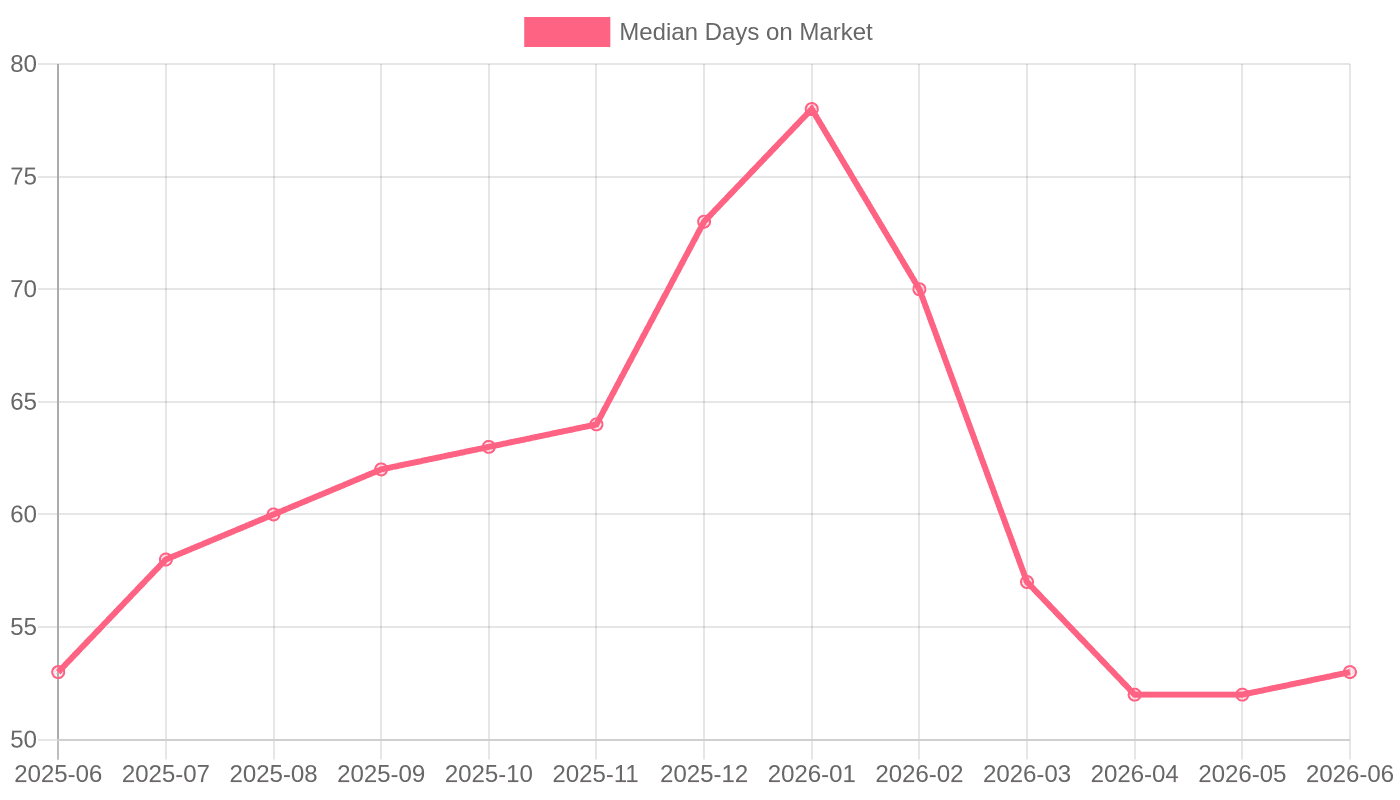
With the median US home price at $403,200 (FRED, January 2026) and days on market averaging 53 (FRED, June 2026), the market is competitive. A single contract error could cost you a $10,000+ assignment fee or lead to a lawsuit.
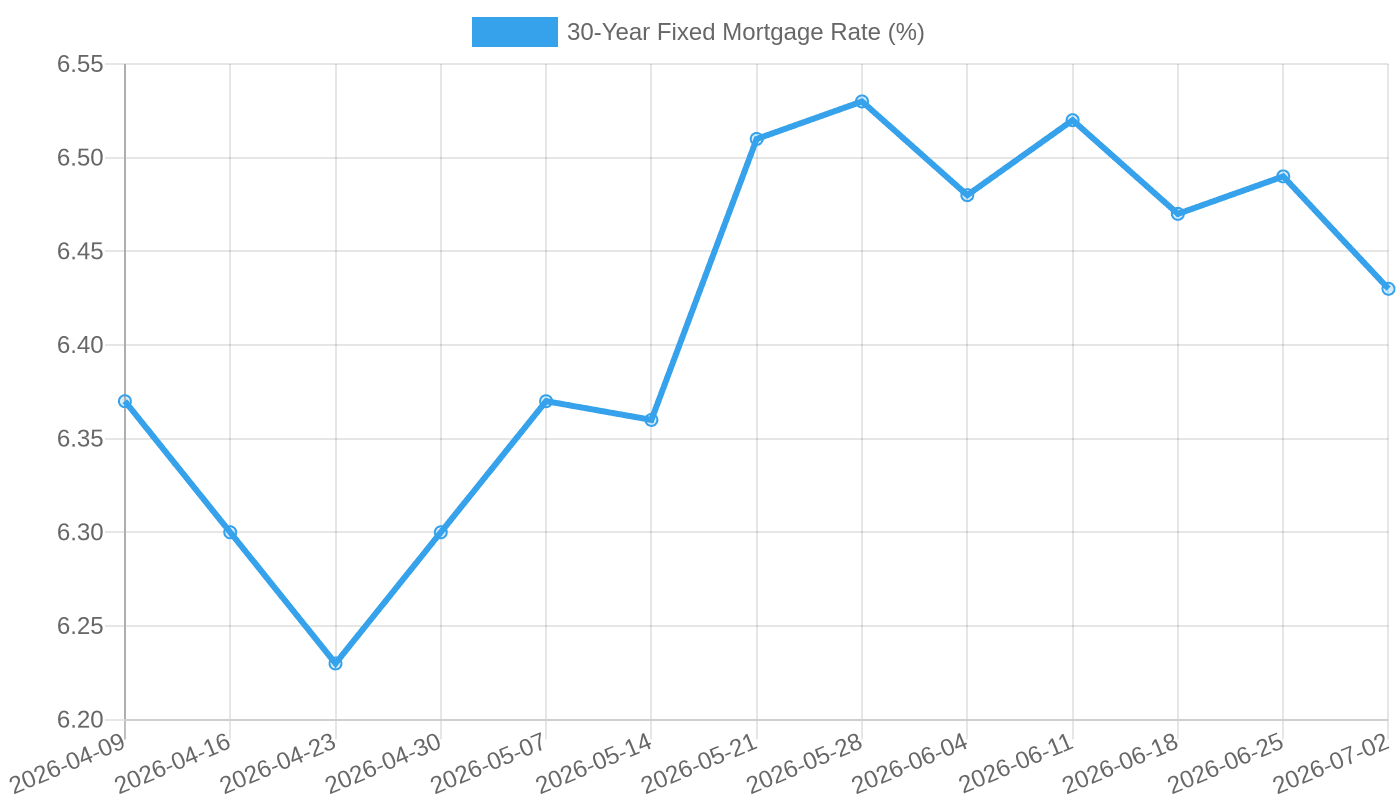
Mortgage rates have fluctuated between 6.23% and 6.53% over the past three months (FRED). Higher rates mean end buyers are more cautious, so your contracts need to be airtight.
Best Tools for Managing Wholesaling Contracts
Our directory tracks 63 software tools across 9 categories to help wholesalers manage contracts, leads, and deals. Here are a few that stand out:
- PropStream – Great for finding comps and estimating ARV before you write a contract.
- Launch Control – Automates contract generation and tracking.
- Rezzie – Helps manage assignments and disclosures.
You can browse all 63 tools in our Wholesale REI directory.
The Bottom Line
Real estate wholesaling contracts are simple but unforgiving. Miss one clause and you could lose the deal or face legal trouble. Use a checklist, get an attorney review, and always disclose your assignment. To practice your pitch and contract walk-through, try our free AI Cold Call Trainer — it's free, no signup required, and helps you handle objections before you're in front of a seller.
Frequently Asked Questions
What is a real estate wholesaling contract?
A real estate wholesaling contract is a purchase agreement between a wholesaler and a seller that gives the wholesaler the right to buy the property, which they then assign to an end buyer for a fee.
Do I need an assignment clause in my wholesaling contract?
Yes, an assignment clause is essential. It explicitly allows you to transfer your rights under the contract to another buyer. Without it, the seller can refuse the assignment.
Should I disclose to the seller that I'm assigning the contract?
Yes, it's best practice to disclose your intent to assign in writing. This builds trust and helps avoid accusations of fraud, even if not legally required in your state.
What happens if I don't include a financing contingency?
Without a financing contingency, you may be personally obligated to buy the property if your end buyer backs out. This can put your deposit and personal assets at risk.
Can I use my personal name on a wholesaling contract?
It's risky. Using your personal name exposes your personal assets to lawsuits. Instead, sign under your LLC or corporation to limit liability.
Is wholesaling legal in all states?
Wholesaling is legal in most states, but some have specific licensing or disclosure requirements. Always consult a real estate attorney familiar with wholesaling in your state.
Sources
- Software tools tracked in the Wholesale REI directory — Wholesale REI directory
- Tool categories in the Wholesale REI directory — Wholesale REI directory
- 30-Year Fixed Mortgage Rate (as of 2026-07-02) — FRED (Federal Reserve Bank of St. Louis)
- Median Sales Price of Houses Sold (as of 2026-01-01) — FRED (Federal Reserve Bank of St. Louis)
- Median Days on Market (as of 2026-06-01) — FRED (Federal Reserve Bank of St. Louis)
This article was researched and drafted with AI assistance, then reviewed and edited by Mark Anthony. Every statistic is sourced and cited. It's for informational purposes only and is not financial or legal advice. Read our editorial policy.