Skip Tracing for Real Estate: How It Works & Why Wholesalers Need It


You've got a list of vacant or distressed properties, but the owner's phone number is disconnected, the mail bounces, and you're stuck. That's where skip tracing comes in — it's the difference between a dead lead and a signed contract.
Every wholesaler hits this wall. You pull a tax delinquency list from the county website, spend hours organizing it, and then realize the phone numbers are from 2018. The owner moved to another state, changed their number twice, and the address on file is a rental property they haven't stepped foot in for three years. Without skip tracing, that lead is worthless. With it, you can find the owner, start a conversation, and potentially close a deal worth tens of thousands of dollars.
Key Takeaways
- Skip tracing finds current contact information for property owners using public records, data brokers, and advanced algorithms.
- The Wholesale REI directory tracks 63 real estate investing software tools across 9 categories, including 5 dedicated skip tracing tools.
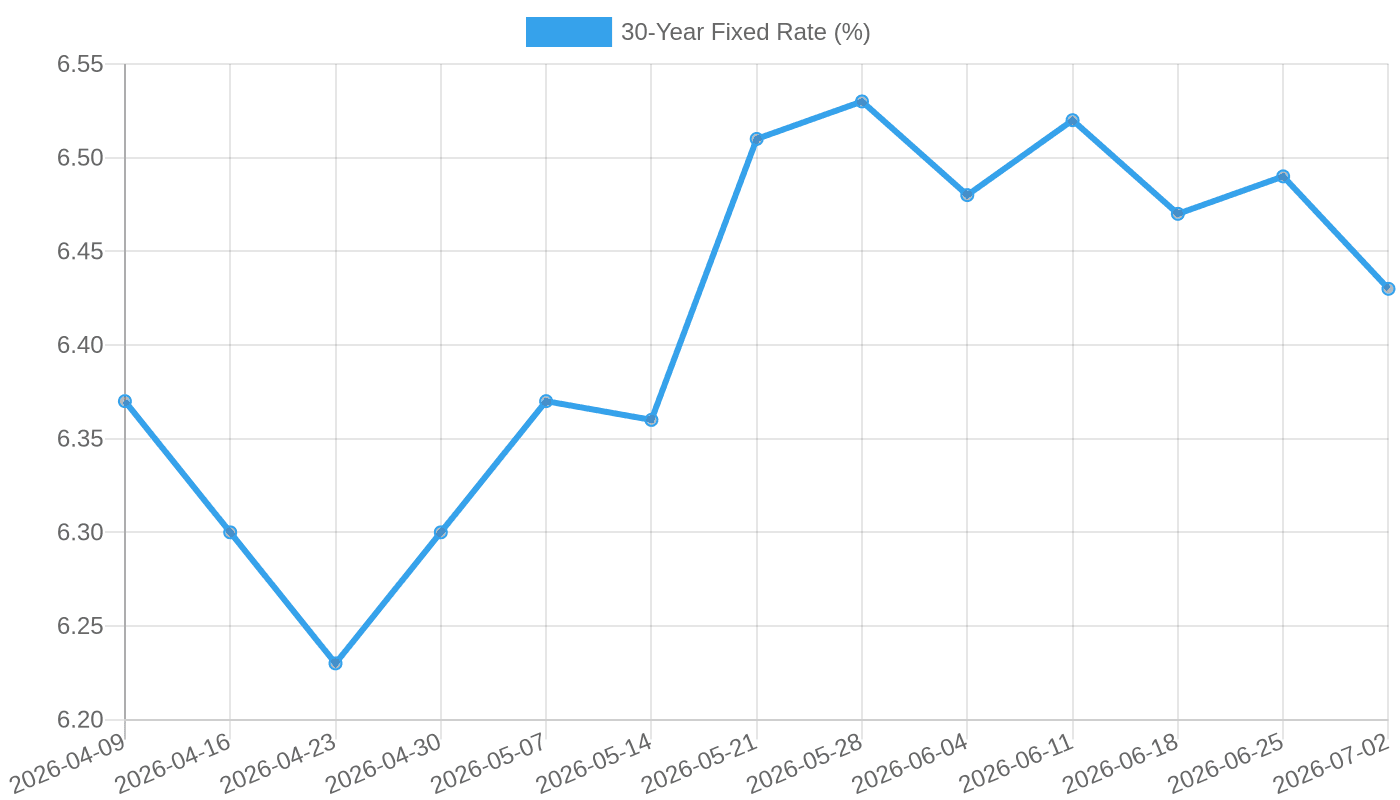
- As of mid-2026, the 30-year fixed mortgage rate sits at 6.43%, pushing more homeowners to consider selling — making skip tracing even more valuable.
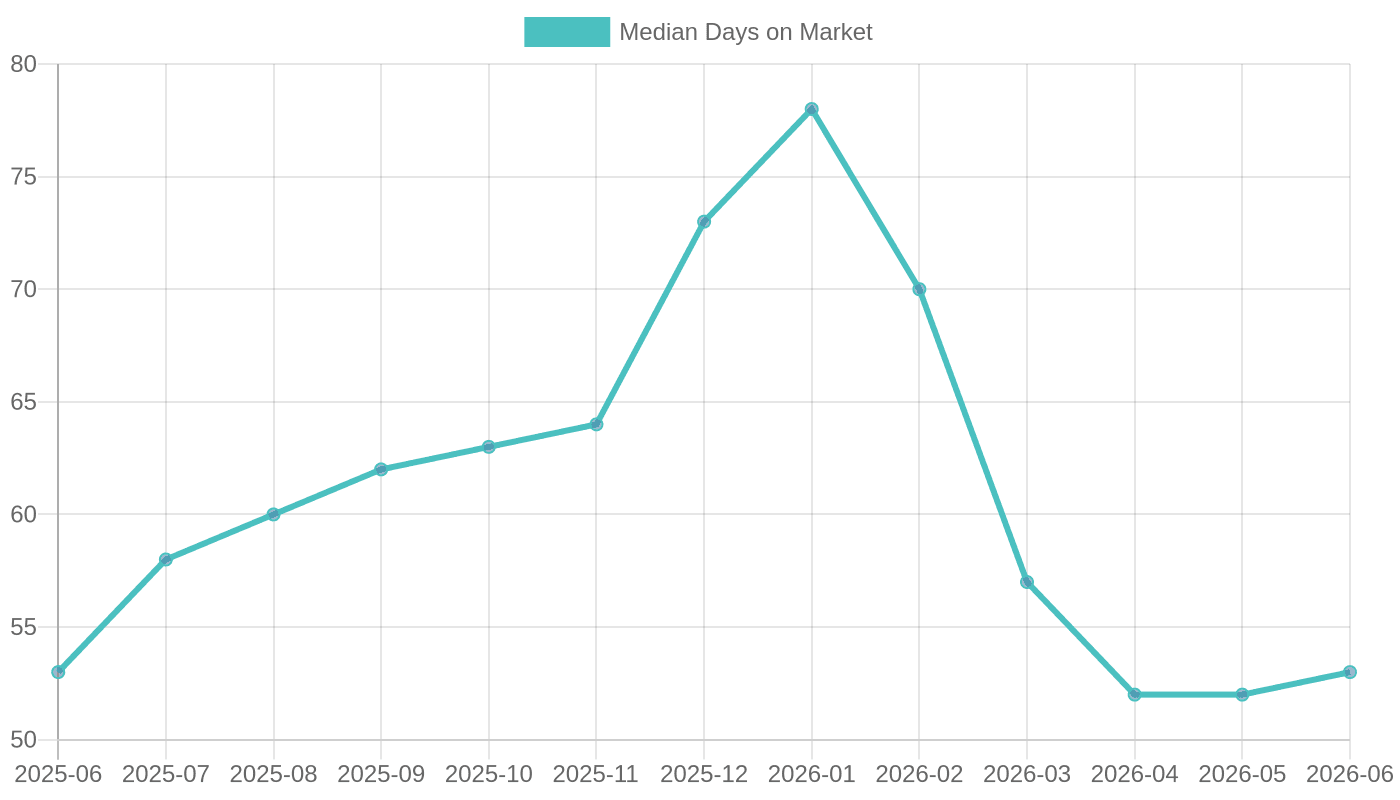
- The median days on market rose to 73 days in December 2025 before dropping to 53 days by June 2026, showing a shifting market that rewards fast contact.
- Top skip tracing tools like Prime Tracers, BatchLeads, DataZapp, Skip Genie, and Skipify each offer unique features for wholesalers.
What Is Skip Tracing in Real Estate?
Skip tracing is the process of locating a person's current contact information — phone numbers, email addresses, and mailing addresses — using public records, data aggregators, and digital footprints. It's a technique originally used by bounty hunters and debt collectors, but real estate wholesalers rely on it to reach property owners who are hard to find.
When you pull a list of tax-delinquent or absentee owners, the information on file is often outdated. The county assessor might have a phone number from five years ago. The owner might have moved to a different state, changed their name after marriage, or simply stopped paying the bill on that old landline. Skip tracing fills in the gaps so you can actually call, text, or mail the right person.
How Skip Tracing Differs From a Simple People Search
A basic people search might give you one phone number. You type in a name and address on a free site like Whitepages or Spokeo, and you get back a single result — often a landline that's been disconnected for months. Skip tracing cross-references dozens of databases — property records, voter registrations, utility bills, social media, and more — to deliver multiple verified contacts. It's more thorough and more accurate.
Here's a concrete example: You're looking for John Smith who owns a vacant property at 123 Main Street. A basic people search returns one number: (555) 123-4567. You call it — disconnected. A skip tracing tool, on the other hand, might return:
- John's cell phone: (555) 987-6543 (active, verified)
- John's work email: john.smith@company.com
- John's new address: 456 Oak Avenue, Phoenix, AZ
- A relative's contact: Jane Smith (sister), (555) 246-8135
- A social media profile link: linkedin.com/in/johnsmith
That's the difference between a dead end and multiple pathways to reach the owner.
How Does Skip Tracing Work for Real Estate Wholesalers?
Skip tracing works in three steps: input, search, and output. You upload a list of names and addresses (or property parcel numbers), the skip tracing tool runs those against its data sources, and you get back updated phone numbers, emails, and addresses. But the real work happens before and after those steps.
Step 1: Gather Your Target List
Start with a list of properties that fit your wholesale criteria. Common sources include:
Tax delinquency lists from county websites: Most counties publish lists of properties with unpaid taxes. You can download these as PDFs or Excel files directly from the county treasurer or tax assessor's website. For example, if you're targeting Maricopa County, Arizona, you can go to the Maricopa County Treasurer's website, search for "tax delinquent properties," and download a list sorted by parcel number, owner name, and amount owed. Focus on properties where the taxes are at least two years delinquent — those owners are more likely to be motivated.
Absentee owner lists (owners who live out of state): These are properties where the mailing address on file is different from the property address. You can generate these lists using data services like BatchLeads or by cross-referencing county property records. For instance, if a property in Cleveland, Ohio, has a mailing address in Tampa, Florida, the owner likely moved away and may be tired of managing a rental from afar.
Vacant or abandoned property lists: Some cities maintain registries of vacant properties. You can also drive neighborhoods and look for signs of vacancy — overgrown lawns, piled-up mail, boarded windows. Then look up the owner on the county website.
Probate records: When someone dies, their property often goes through probate court. These records are public. Heirs may be eager to sell quickly to avoid the hassle of managing an inherited property. Check your local probate court's online database or visit the courthouse in person.
Divorce filings: Divorce decrees often list property assets. One spouse may need to sell the marital home as part of the settlement. Search your county's family court records for recent divorce filings that mention real estate.
Code violation records: Properties with multiple code violations — like broken windows, unsafe structures, or overgrown vegetation — are often owned by absentee or distressed owners. Contact your city's code enforcement department or check their online portal.
You can often get these for free from county assessor or treasurer sites. Some wholesalers use paid data services like BatchLeads or Prime Tracers to generate lists directly. If you're just starting out, focus on one source — tax delinquency lists are the most straightforward — and build a list of 100 properties in your target area.
Step 2: Upload to a Skip Tracing Tool
Once you have your list (usually a CSV or Excel file), upload it to a skip tracing service. The tool will match each record against its database. Most services charge per record — typically $0.05 to $0.25 per skip.
Here's how to prepare your file for upload:
- Standardize the columns: Most tools expect columns like "First Name," "Last Name," "Property Address," "City," "State," "Zip Code." If your county data has different column names, rename them before uploading.
- Remove duplicates: If the same property appears twice in your list, you'll pay for two skips unnecessarily. Use Excel's "Remove Duplicates" feature on the property address column.
- Fix typos: A misspelled street name or wrong zip code can cause a failed match. Double-check addresses against Google Maps or the county's GIS system.
- Include parcel numbers if available: Some tools match more accurately using parcel numbers (APN) instead of addresses.
For example, if you have a list of 200 tax-delinquent properties in Dallas County, Texas, you'd create a CSV with columns for each property's owner name and address. You'd then upload that CSV to a tool like DataZapp, which processes the file and returns updated contact information within minutes.
Step 3: Receive Contact Information
After processing, you get a file with the best available phone numbers, emails, and addresses. Some tools also append social media profiles or relative contacts. The output typically includes:
- Primary phone: Usually a cell phone number, marked as "verified" if the tool confirmed it's active.
- Secondary phone: A landline or work number.
- Email address: Often a personal email, sometimes a work email.
- Mailing address: The owner's current physical address, which may differ from the property address.
- Relative contacts: Names and numbers of family members who might know how to reach the owner.
Let's say you uploaded 200 records. A good tool might return working cell phone numbers for 140 of them (a 70% match rate). Of those, 120 might be verified as active. That's 120 leads you can actually call — far better than the zero you had before.
Step 4: Reach Out
Now you have working numbers. Call, text, or mail the owners. The goal is to find motivated sellers who want to offload their property quickly.
When you call, be prepared with a script. Here's a simple one for absentee owners:
"Hi, this is [Your Name]. I'm a real estate investor looking at a property you own at [Property Address]. I noticed you're not living there, and I'm wondering if you'd be open to selling it. I can make a cash offer and close quickly — no repairs needed on your end."
If you get voicemail, leave a brief message with your name and number. Then follow up with a text message the next day. If you have an email address, send a short, professional email with an offer to buy the property as-is.
Why Is Skip Tracing Important for Wholesalers Right Now?
Mortgage rates are still elevated at 6.43% (as of July 2026). That means many homeowners who bought or refinanced at 3% are reluctant to sell — but those who are already struggling with payments or have moved away are more motivated than ever. Skip tracing helps you find those sellers before your competitors do.
Consider this scenario: A homeowner in Atlanta bought their house in 2020 with a 3.2% mortgage. They lost their job in 2025 and fell behind on payments. By mid-2026, they're three months delinquent and facing foreclosure. They want to sell, but they're embarrassed and avoiding calls from the bank. They changed their phone number and stopped checking their mail. Without skip tracing, you'd never reach them. With it, you find their new cell number, call, and offer to buy the house for cash — saving them from foreclosure and making a profit for yourself.
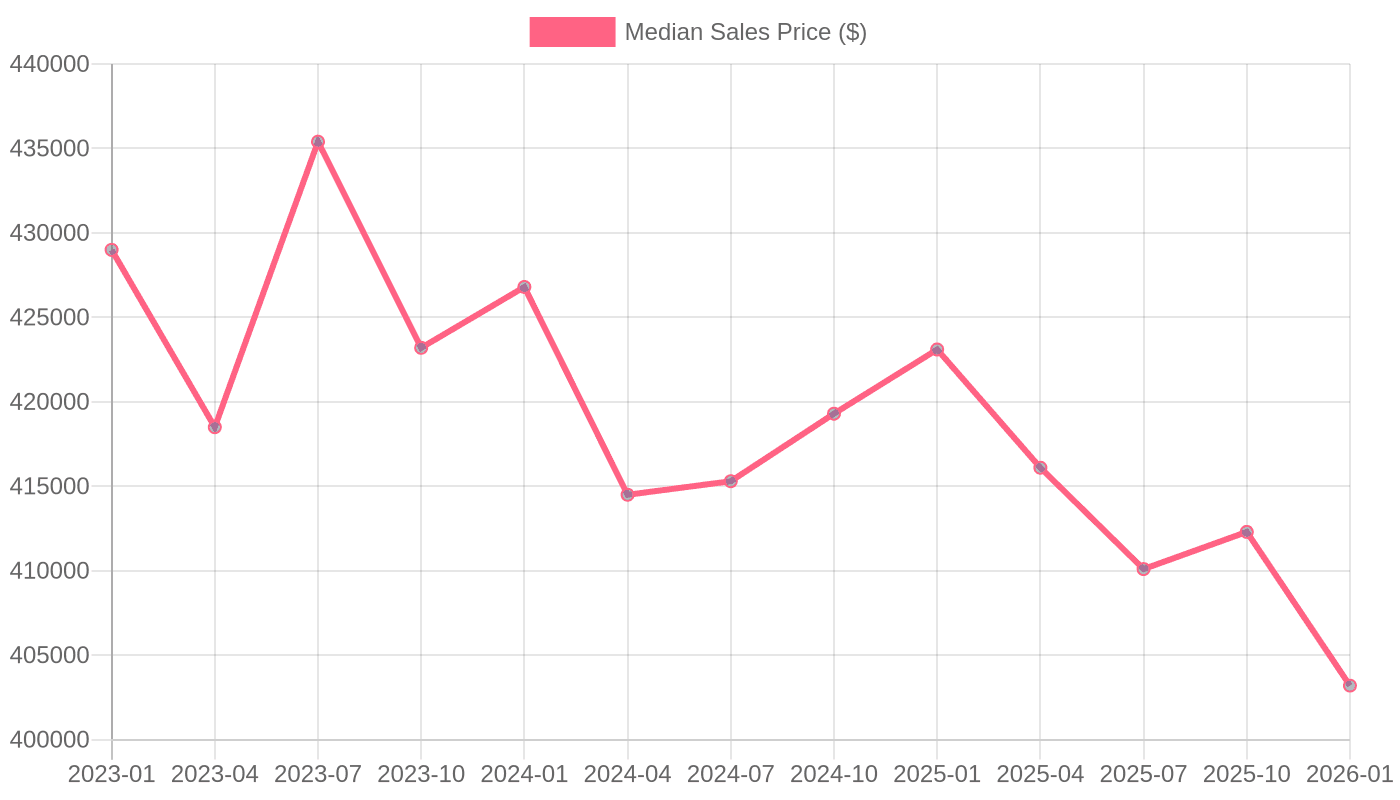
Meanwhile, the median sales price of houses sold has been declining. In January 2026, it was $403,200 — down from $429,000 in January 2023. This softening market means sellers are more negotiable, but you have to reach them first.
For wholesalers, this price decline is a double-edged sword. On one hand, your potential profit margins may shrink if you're buying at a discount and selling to an end buyer. On the other hand, sellers who bought at the peak of the market in 2022 may now be underwater on their mortgages, making them more motivated to sell at a discount. Skip tracing helps you identify these sellers before they list with a realtor.
Days on Market: A Window of Opportunity
The median days on market spiked to 73 days in December 2025, then dropped to 53 days by June 2026. That tells us properties are sitting longer in winter but selling faster in summer. Skip tracing lets you contact owners early in the listing cycle — or before they even list.
Here's how to use this data in your wholesaling strategy:
- In winter months (December-February): Properties sit longer, so you have more time to negotiate. Focus on skip tracing lists of properties that have been on the market for 60+ days — those sellers are getting desperate.
- In summer months (June-August): Properties sell faster, so you need to act quickly. Skip trace your lists and call within 24 hours of getting the data. If you wait a week, the seller might already have an offer.
- Pre-listing opportunities: The best time to contact a seller is before they list. Skip trace owners of vacant or distressed properties and reach out with a cash offer. If they're already thinking about selling, you can save them the hassle of listing with a realtor.
What Are the Best Skip Tracing Tools for Wholesalers?
The Wholesale REI directory tracks 5 dedicated skip tracing tools. Here's a comparison to help you choose.
| Tool | Best For | Pricing Model | Key Feature |
|---|---|---|---|
| Prime Tracers | High-volume wholesalers | Per-skip credits | Real-time phone verification, landline & cell |
| BatchLeads | Lead generation + skip tracing | Monthly subscription | Built-in property data and skip tracing in one platform |
| DataZapp | Speed and accuracy | Pay-per-record | Fast processing, high match rates |
| Skip Genie | Budget-conscious investors | Low per-skip cost | Simple interface, no minimums |
| Skipify | Integration with CRMs | Per-skip credits | API access for automated workflows |
Prime Tracers
Prime Tracers is a favorite among serious wholesalers. It offers real-time phone verification, meaning you only pay for working numbers. It also provides cell phone and landline data, plus email addresses. Pricing is credit-based, so you buy batches and use them as needed.
How to use Prime Tracers effectively:
- Buy a batch of 500 credits (typically around $100-$150).
- Upload your list of 200 properties.
- The tool processes the list and returns results within minutes.
- You only get charged for records that return a verified phone number — so if only 150 of your 200 records have working numbers, you only pay for 150 skips.
- Download the results as a CSV and import into your CRM.
Real-world example: A wholesaler in Houston uses Prime Tracers to skip trace 1,000 properties per month. He pays $0.15 per skip for a batch of 1,000 credits, totaling $150 per month. From those 1,000 skips, he gets working numbers for 700 owners. He calls all 700, has conversations with 200, and closes 3 deals per month. Each deal nets him $15,000 in assignment fees. That's $45,000 in profit from a $150 investment.
BatchLeads
BatchLeads combines property data and skip tracing in one platform. You can build targeted lists of absentee owners, tax delinquents, or pre-foreclosures, then skip trace them without leaving the software. It's a monthly subscription model, which can be more predictable than per-skip costs.
How to use BatchLeads effectively:
- Sign up for a monthly subscription (starting around $99/month).
- Use the built-in property search to filter by criteria like "absentee owner" or "tax delinquent" in your target county.
- Select the properties you want to target — say, 500 absentee owners in Columbus, Ohio.
- Click "Skip Trace" and the platform processes the list automatically.
- The results appear in your dashboard, and you can export them or call directly from the platform.
Real-world example: A part-time wholesaler in Ohio uses BatchLeads because it saves him time. Instead of pulling lists from the county and then uploading them to a separate skip tracing tool, he does everything in one place. He spends 2 hours per week building lists and skip tracing, then 5 hours per week calling. He closes 1 deal per month, earning $10,000 in assignment fees.
DataZapp
DataZapp focuses on speed and accuracy. It processes lists quickly and claims high match rates. It's a good choice if you need results fast — for example, when you're about to run a direct mail campaign and want to verify addresses.
How to use DataZapp effectively:
- Upload your list of properties.
- Select the data points you want: phone numbers, emails, mailing addresses.
- Pay per record (typically $0.10-$0.20 per skip).
- Download the results within minutes.
- Use the verified addresses for a direct mail campaign, and the phone numbers for cold calling.
Real-world example: A wholesaler in Florida is planning a direct mail campaign to 1,000 absentee owners. He uploads his list to DataZapp and pays $150 for 1,000 skips. DataZapp returns verified mailing addresses for 950 of them — saving him from wasting postage on 50 bad addresses. He sends postcards to the 950 owners, gets 20 calls back, and closes 2 deals.
Skip Genie
Skip Genie is a no-frills option that keeps costs low. It's ideal for beginners or wholesalers on a tight budget. The interface is simple: upload, pay, download. No minimums, so you can skip trace just a few records at a time.
How to use Skip Genie effectively:
- Start with a small list — say, 10 properties you found by driving for dollars.
- Upload the list to Skip Genie.
- Pay $0.05 per skip — just $0.50 total.
- Download the results and start calling.
- As you get more comfortable, scale up to larger lists.
Real-world example: A new wholesaler in Atlanta starts with Skip Genie because he doesn't want to commit to a monthly subscription. He finds 20 vacant properties by driving around his target neighborhood. He skip traces them for $1.00 total. He gets working numbers for 14 owners. He calls all 14, has conversations with 5, and sets up 2 appointments. One of those turns into a deal worth $8,000 in assignment fees.
Skipify
Skipify offers an API that integrates with popular CRMs like Podio or Salesforce. If you have a tech-savvy operation, you can automate skip tracing as part of your lead flow. It's also available as a web upload for smaller batches.
How to use Skipify effectively:
- If you use a CRM like Podio, set up an automation: when a new lead is added, automatically send it to Skipify for skip tracing.
- Skipify processes the lead and returns updated contact information.
- The CRM updates the lead's record with the new phone number and email.
- You receive a notification that the lead is ready to call.
Real-world example: A tech-savvy wholesaling team in Dallas uses Skipify with Podio. They have a virtual assistant who adds 50 new leads per day from county records. Skipify automatically skip traces each lead within minutes. The team's cold callers log into Podio and see a list of leads with verified phone numbers. They call 50 leads per day and close 2-3 deals per month.
How to Choose the Right Skip Tracing Tool
Not all skip tracing tools are created equal. Here's what to consider:
Match Rate
Match rate is the percentage of records that return a valid phone number or email. Top tools claim 60-80% match rates for cell phones. Landline matches can be higher. Ask for a sample before committing.
How to test match rates:
- Take a list of 50 properties where you already know the owner's phone number (maybe from a previous deal or a public record).
- Upload that list to the skip tracing tool.
- See how many of the 50 numbers the tool returns correctly.
- If the tool matches 40 out of 50, that's an 80% match rate.
Why match rates matter: If you're paying $0.10 per skip and only getting a 50% match rate, you're effectively paying $0.20 per working number. If another tool charges $0.15 per skip but has an 80% match rate, you're paying $0.19 per working number — slightly cheaper, and you get more data.
Data Freshness
Phone numbers change. The best tools update their databases monthly or even weekly. Stale data wastes your time and money.
How to check data freshness:
- Ask the tool provider how often they update their database.
- Look for tools that offer "real-time verification" — they check if a number is active at the moment you request it.
- Avoid tools that use data from more than 6 months ago.
Compliance
Skip tracing is legal, but how you use the data matters. The Telephone Consumer Protection Act (TCPA) restricts auto-dialing and texting without consent. Always scrub your lists against the Do Not Call registry and get permission before texting.
Compliance checklist:
- Scrub your list against the National Do Not Call Registry (donotcall.gov)
- If you use an auto-dialer, get written consent before calling or texting
- If you manually dial, you can call numbers on the DNC list if you have an existing business relationship
- Include your name and purpose when leaving voicemails
- Keep records of any consent you receive
- Check your state's specific telemarketing laws
Pricing
Compare per-skip costs. Some tools charge a flat fee per record, others offer tiered pricing. If you do high volume, look for discounts.
Pricing comparison example:
- Prime Tracers: $0.15 per skip for 1,000 credits, $0.12 per skip for 5,000 credits
- BatchLeads: $99/month for 500 skips, $199/month for 1,500 skips
- DataZapp: $0.10 per skip for any volume
- Skip Genie: $0.05 per skip, no minimum
- Skipify: $0.12 per skip for 1,000 credits, $0.08 per skip for 10,000 credits
Which pricing model is best?
- If you skip trace fewer than 100 records per month, use Skip Genie (pay-as-you-go, no minimum).
- If you skip trace 100-500 records per month, use DataZapp or BatchLeads (predictable costs).
- If you skip trace 500+ records per month, use Prime Tracers or Skipify (volume discounts).
How to Use Skip Tracing Ethically and Legally
Skip tracing itself is legal — you're using public records and data broker information. However, you must comply with:
- TCPA: No auto-dialing or pre-recorded calls without consent. Manual dialing is generally okay.
- Do Not Call Registry: You cannot call numbers on the DNC list unless you have an existing business relationship or written permission.
- CAN-SPAM Act: If you email, include an opt-out link and your physical address.
- State laws: Some states have additional restrictions on data usage. Check with a real estate attorney.
Best Practices
- Always identify yourself and your purpose when calling. Say: "Hi, this is [Your Name]. I'm a real estate investor looking to buy properties in the area."
- Do not harass or repeatedly call someone who asks you to stop. If they say "take me off your list," do it immediately.
- Keep records of consent if you text or email. Save screenshots or log entries showing the date and time of consent.
- Use skip tracing as a tool to find motivated sellers, not to invade privacy. Don't call relatives or neighbors unless you have a legitimate reason.
What Is the Success Rate of Skip Tracing?
Success rates vary. For absentee owners, you might get a working cell phone number 60-70% of the time. For tax delinquents, it can be lower because records are older. The key is to use multiple data sources and verify numbers in real time.
Tips to Improve Your Results
- Clean your list first: Remove duplicates, fix typos, and standardize addresses. For example, change "St." to "Street" and "Apt" to "Unit" so the tool can match correctly.
- Use multiple skip tracing providers: Each has different data sources. Running the same list through two tools can boost match rates. For example, if Prime Tracers finds a number for 70% of your list, and DataZapp finds numbers for 60%, the combined match rate might be 85% because they use different databases.
- Append email addresses: Many tools offer email as an add-on. Email can be a less intrusive first touch. Send a short, professional email: "Hi [Name], I'm interested in buying your property at [Address]. I can make a cash offer and close in 14 days. Let me know if you're interested."
- Check for relatives: Some tools provide contact info for relatives or neighbors who might know how to reach the owner. For example, if you can't reach John Smith, you might call his sister Jane Smith and ask: "Hi, I'm trying to reach John about a property he owns. Do you have a current number for him?"
How Much Does Skip Tracing Cost?
Costs range from $0.05 to $0.25 per record. Some tools require a minimum purchase (e.g., 100 credits), while others let you buy as few as 10. Monthly subscriptions for platforms like BatchLeads start around $99/month and include a certain number of skips.
Is It Worth the Cost?
If you're wholesaling properties with profit margins of $10,000-$50,000, spending $100-$500 on skip tracing is a no-brainer. Even a single deal makes it worthwhile.
Cost-benefit analysis:
- Cost: $150 to skip trace 1,000 properties
- Results: 700 working numbers, 200 conversations, 3 deals
- Revenue: 3 deals × $15,000 average assignment fee = $45,000
- ROI: $45,000 / $150 = 300x return on investment
Even if you only close one deal per month, spending $150 on skip tracing to earn $15,000 is a 100x return.
How to Integrate Skip Tracing Into Your Workflow
Here's a simple workflow that successful wholesalers use:
- Pull a list of 100-500 target properties from public records or a data service. Spend 2-3 hours per week on this step.
- Upload to a skip tracing tool and pay for the skips. This takes 15 minutes.
- Download the results and import them into your CRM. This takes 30 minutes.
- Call or text the owners within 24 hours — leads get cold fast. Spend 5-10 hours per week on calls.
- Track your conversion rate to see which sources and tools perform best. Use a simple spreadsheet to log: source, number of skips, number of contacts, number of conversations, number of deals.
Automating the Process
Tools like Skipify offer API integration so you can automate step 2-3. For example, when a new lead enters your CRM, it can be automatically skip traced and updated. This saves hours of manual work.
How to set up automation:
- Choose a CRM that supports API integrations (Podio, Salesforce, HubSpot).
- Sign up for Skipify and get your API key.
- Use a tool like Zapier or Make (formerly Integromat) to connect your CRM to Skipify.
- Set up a trigger: "When a new lead is added to my CRM, send it to Skipify for skip tracing."
- Set up an action: "When Skipify returns data, update the lead's phone number and email in my CRM."
Once set up, the automation runs 24/7. You wake up each morning to a list of leads with verified contact information, ready to call.
Common Mistakes Wholesalers Make With Skip Tracing
Skipping the scrub: Not removing duplicates or invalid data before uploading wastes money. For example, if your list has the same property listed twice, you'll pay for two skips when one would do. Always run "Remove Duplicates" in Excel before uploading.
Relying on one tool: Different tools have different strengths. Use at least two for critical lists. For example, use Prime Tracers for cell phone numbers and DataZapp for email addresses. The combined data gives you more ways to reach the owner.
Ignoring compliance: A TCPA violation can cost you thousands. Always follow the rules. If you're unsure, consult with a real estate attorney who specializes in telemarketing laws.
Not following up fast enough: The best data is fresh data. Call within a day or two. If you wait a week, the owner might have changed their number again, or a competitor might have reached them first.
Calling without a script: Don't wing it. Have a clear, concise script ready. Practice it until it sounds natural. Record yourself and listen back to identify areas for improvement.
Giving up after one call: Most deals require multiple touchpoints. If you call and get voicemail, leave a message. Text the next day. Email the day after. Mail a letter. Follow up weekly until you get a yes or a no.
The Bottom Line
Skip tracing is essential for real estate wholesalers who want to find motivated sellers in a competitive market. With mortgage rates at 6.43% and home prices softening, the window to connect with sellers is wide open — but only if you have the right contact info. Start by comparing the 5 skip tracing tools in the Wholesale REI directory to find the one that fits your budget and workflow. And if you want to practice your pitch before calling real owners, try our free AI Cold Call Trainer — it's a safe way to sharpen your script without risking a real lead.
Frequently Asked Questions
What is skip tracing in real estate?
Skip tracing is the process of finding a property owner's current contact information — phone numbers, emails, and addresses — using public records and data aggregators. It helps wholesalers reach hard-to-find motivated sellers.
Is skip tracing legal for real estate wholesalers?
Yes, skip tracing is legal because it uses public records and data broker information. However, you must comply with TCPA, Do Not Call rules, and state laws when contacting owners.
How much does skip tracing cost per record?
Skip tracing typically costs between $0.05 and $0.25 per record. Some tools require a minimum purchase, while others offer monthly subscriptions with included skips.
What is the best skip tracing tool for wholesalers?
The best tool depends on your needs. Prime Tracers is great for high volume, BatchLeads combines lead generation and skip tracing, DataZapp focuses on speed, Skip Genie is budget-friendly, and Skipify offers API integration.
How accurate is skip tracing for finding phone numbers?
Top skip tracing tools achieve 60-80% match rates for cell phones and higher for landlines. Accuracy improves when you use multiple providers and clean your list before uploading.
Can I skip trace for free?
Some platforms offer limited free trials or a small number of free skips to test their service. However, reliable skip tracing at scale requires paying per record or a subscription.
Sources
- Software tools tracked — Wholesale REI directory
- Tool categories — Wholesale REI directory
- Skip Tracing tools — Wholesale REI directory
- 30-Year Fixed Mortgage Rate (2026-07-02) — FRED (Federal Reserve Bank of St. Louis)
- Median Sales Price of Houses Sold (2026-01-01) — FRED (Federal Reserve Bank of St. Louis)
- Median Days on Market (2026-06-01) — FRED (Federal Reserve Bank of St. Louis)
This article was researched and drafted with AI assistance, then reviewed and edited by Mark Anthony. Every statistic is sourced and cited. It's for informational purposes only and is not financial or legal advice. Read our editorial policy.