Can You Start Wholesaling Real Estate With No Money?


You can start wholesaling real estate with no money — but not the way most gurus sell it. The truth is you'll need access to money, a seller, and a buyer. You just don't have to be the one who owns any of them.
Wholesaling is a middleman business. You find a motivated seller, get a property under contract, and assign that contract to a cash buyer for a fee. Your profit is the spread between what the seller agreed to and what the buyer pays. That spread doesn't require a down payment, a credit score, or a lender.
Key Takeaways
- Wholesaling is a contract-assignment business, not a buying business — you never need to close on the property yourself.
- The three things you actually need are a motivated seller, an assignable contract, and a cash buyer. None of them require your own cash.
- The median U.S. home sold for $410,700 as of April 2026, so even a modest assignment fee is a small slice of a big number.
- The 30-year fixed mortgage rate sat at 6.76% as of September 10, 2026 — high rates push some sellers toward creative, off-market deals.
- The Wholesale REI directory tracks 65 tools across 9 categories, so you can run this business with software instead of a big bank account.
What Is Wholesaling Real Estate?
Wholesaling real estate is the practice of getting a property under contract and then assigning that contract to another buyer for a fee, without ever taking ownership of the property. You are paid for finding the deal and controlling it, not for buying the house.
Here's the simple version:
- You find a seller who needs to sell fast.
- You sign a purchase contract that includes an assignment clause.
- You find a cash buyer who wants the deal.
- You assign your contract to that buyer for a fee.
- The buyer closes directly with the seller. You collect your assignment fee at closing.
That fee is your profit. It might be a few thousand dollars. It might be more. It depends on the spread you negotiate and what your buyer will pay.
Why the "No Money" Part Is Real — and Where It Isn't
You don't need money to buy the house. You do need money for a few small things, and you should know them up front.
- Earnest money. Many contracts ask for a small deposit. You can often negotiate a low amount or a zero-deposit clause, but not every seller agrees.
- Marketing. Bandit signs, direct mail, and paid ads cost money. Free alternatives exist, but they take more time.
- Software. Skip tracing, comps, and CRM tools usually have a monthly fee. Some have free tiers.
- Closing costs. In a clean assignment, the buyer typically covers these. Confirm it in writing.
So the honest answer is: you can start with little to no money, but "no money" usually means "no money for the house," not "no money for anything."
How Do You Start Wholesaling With No Money? Step by Step
You start by controlling a deal instead of buying one. Everything below is designed so that your cash outlay stays near zero while you build the three assets that matter: a seller list, a buyer list, and a repeatable process.
Step 1: Pick One Small Farm Area
Don't try to cover a whole city. Pick a few zip codes or even a few neighborhoods where home values are modest and there's a mix of older properties.
Why modest? Because your buyer's math has to work. If the median U.S. home is selling for $410,700, a cash buyer needs enough room between the purchase price, the repair cost, and the resale value to make a profit — and to pay you.
Step 2: Build a Motivated Seller List for Free
Motivated sellers show up in public data. You can find them without paying for leads.
- Pre-foreclosure and tax-delinquent lists from county records.
- Code violation and probate filings from city and county websites.
- Driving for dollars — note addresses with boarded windows, tall grass, or out-of-state owner mail.
- Free social posts in local landlord and investor groups.
Step 3: Make Offers Without Owning Anything
This is the part that scares beginners. You're not promising to buy the house with your own cash. You're offering a price and terms a cash buyer will accept.
Use a simple formula: after-repair value times a percentage, minus repairs, minus your fee. Then present it as a cash offer with a quick close.
Step 4: Find a Cash Buyer Before You Need One
Your buyer list is your safety net. Build it first if you can.
- Local real estate investor meetups.
- Facebook and BiggerPockets-style groups for your market.
- Direct outreach to landlords who already own several properties nearby.
- Title companies and hard money lenders who know active buyers.
Step 5: Assign the Contract and Get Paid
Once you have a signed contract and a ready buyer, you sign an assignment agreement. The buyer deposits funds with the title company, the title company pays the seller, and you receive your assignment fee at closing.
You never touched the mortgage. You never needed a down payment. You got paid for the deal.
What Does the Housing Market Look Like Right Now?
New construction has been choppy, which matters because it tells you how much fresh supply is hitting the market. Housing starts fell from 1,522 thousand in March 2026 to 1,239 thousand in July 2026.
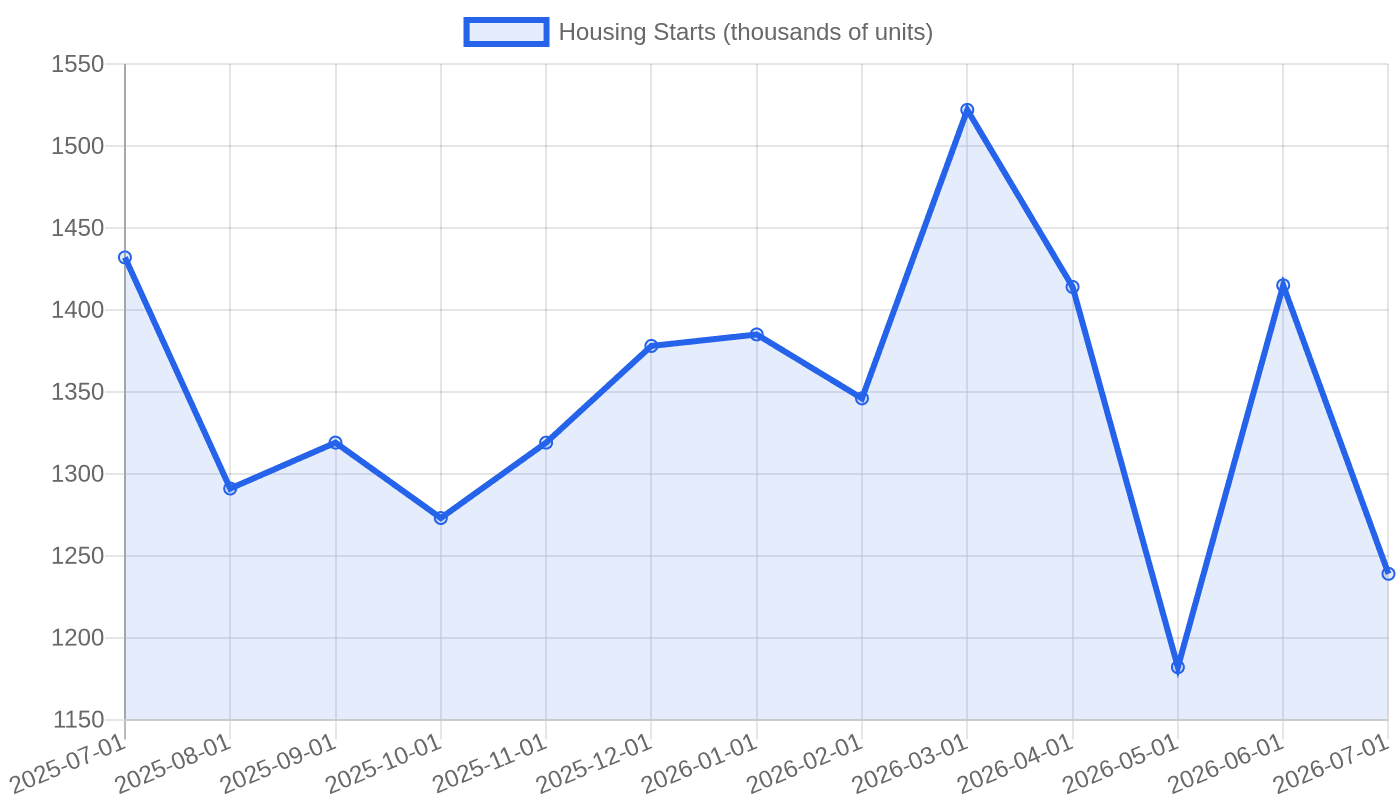
When builders pull back, fewer new homes compete with the older, tired houses wholesalers target. That can be good news for you — your inventory gets relatively more attention.
Why Mortgage Rates Matter to Wholesalers
Higher rates make it harder for regular buyers to afford a home. The 30-year fixed rate climbed from 6.47% on June 18, 2026 to 6.76% on September 10, 2026.
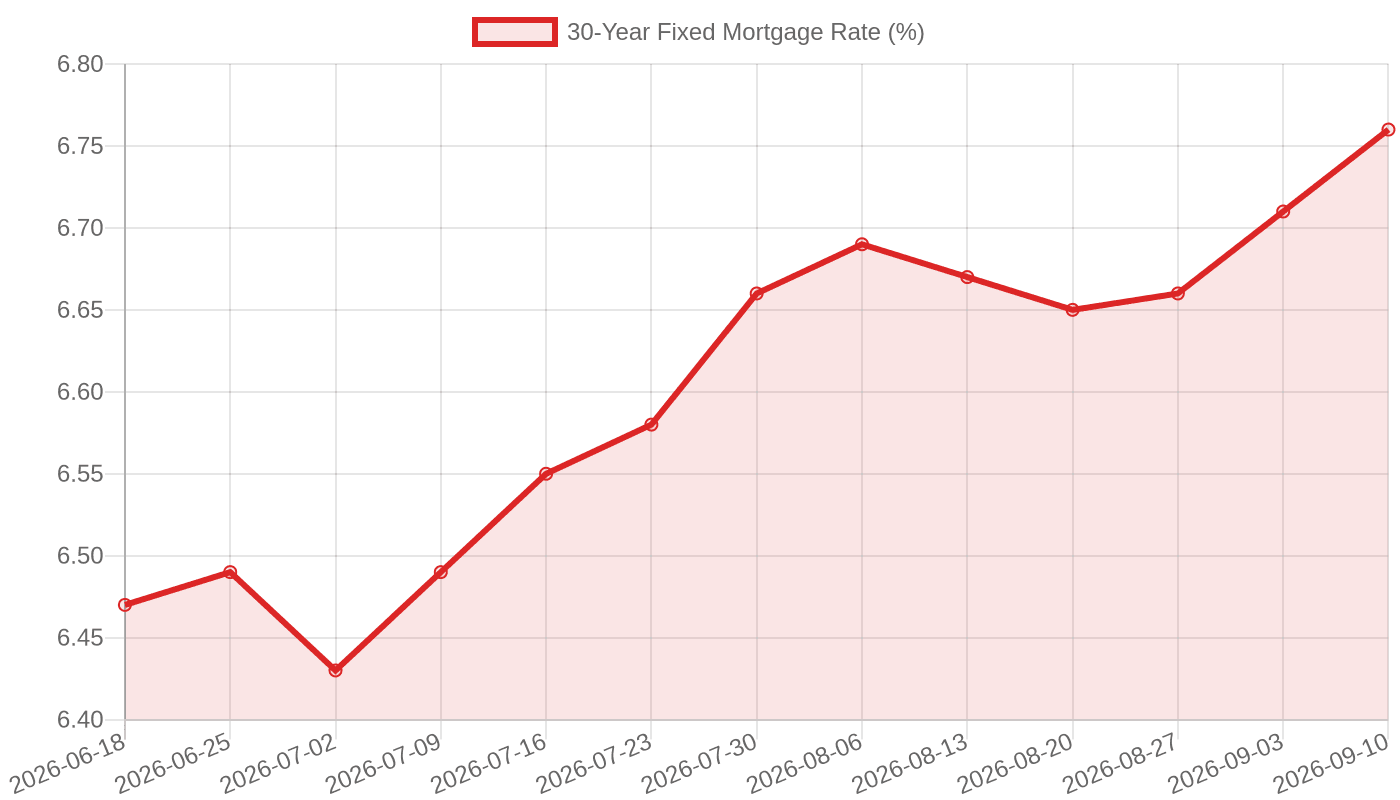
When rates rise, some sellers who can't wait get more flexible. That's exactly the seller a wholesaler wants to talk to — someone who needs a solution more than a top-of-market price.
What About Home Prices?
Prices have been roughly flat to slightly soft. The median sales price of houses sold moved from $418,500 in April 2023 to $410,700 in April 2026.
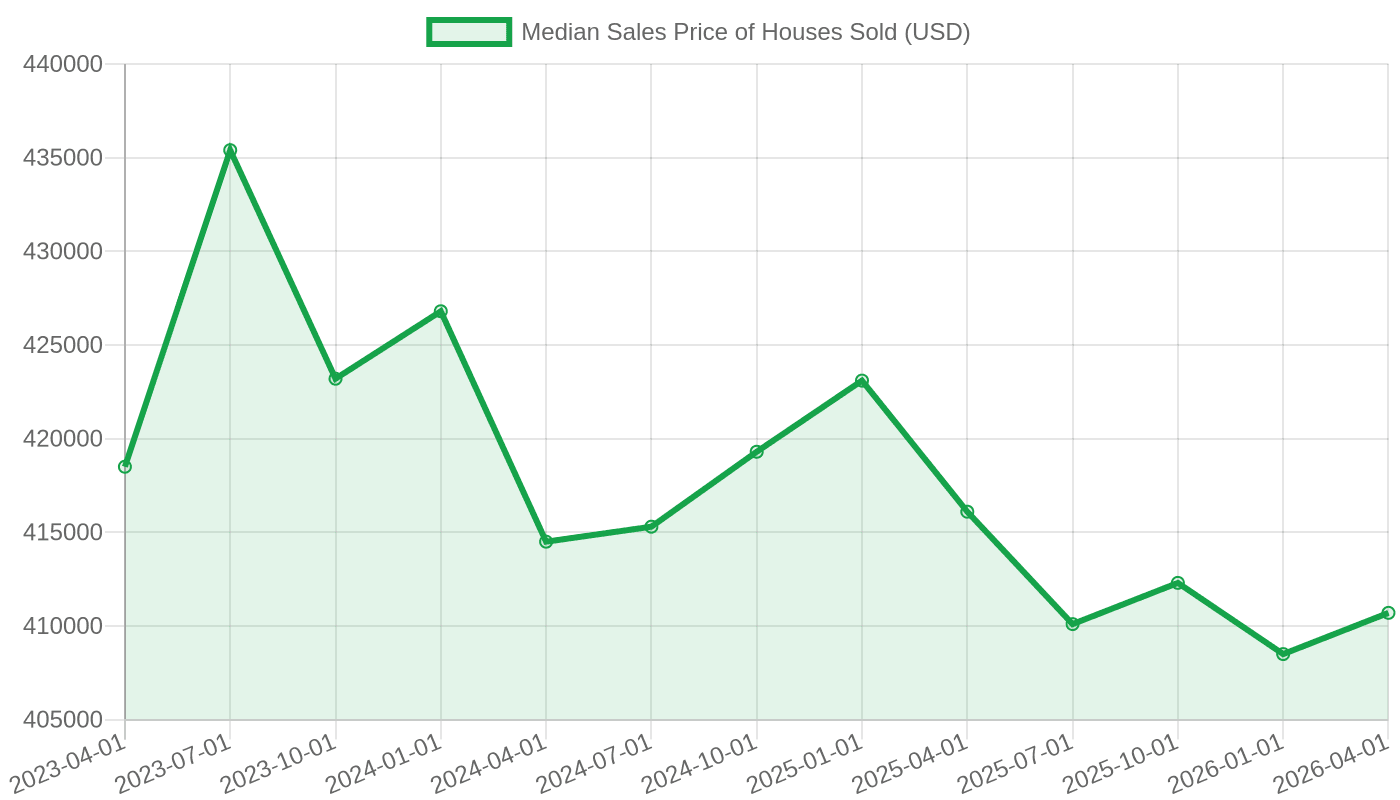
Flat prices are fine for wholesaling. You're not betting on appreciation. You're solving a seller's problem and connecting them with a buyer who wants a discount.
What Do You Actually Need to Start?
You need three things, and only one of them costs money. The other two cost time and effort.
| What You Need | Does It Cost Money? | Free or Low-Cost Option |
|---|---|---|
| Motivated seller | No | County records, driving for dollars, local groups |
| Assignable contract | No | Free contract templates reviewed by a local attorney |
| Cash buyer | No | Investor meetups, title companies, direct outreach |
| Skip tracing / comps | Sometimes | Free trials, county data, manual research |
| CRM / follow-up | Sometimes | Free tiers of popular CRMs |
| Earnest money | Usually small | Negotiate a low or zero deposit |
Notice the pattern. The expensive parts of real estate — the property, the mortgage, the repairs — are all someone else's problem. Your job is the deal.
What Are the Biggest Risks of Wholesaling With No Money?
Your biggest risk is signing a contract you can't assign. If you can't find a buyer, you're on the hook for the terms you agreed to, and that can get expensive fast.
Here's how to protect yourself:
- Always include an assignment clause and a clear inspection or due-diligence period.
- Never sign a contract you can't exit without legal review.
- Build your buyer list first so you always have an exit.
- Work with a local real estate attorney to review your contracts and your state's rules.
- Check your state's licensing laws. Some states regulate wholesaling activity more tightly than others.
The "No Money" Trap to Avoid
Some beginners take a bad deal just to get started. That's how you end up owing money you don't have.
If the numbers don't work, walk away. There will be another house. The whole point of wholesaling is that you control the deal without owning the risk — so don't take on risk you can't afford.
How Can Software Help You Start With Almost Nothing?
Software replaces the things you'd otherwise pay people to do. It finds sellers, pulls comps, and follows up so you don't have to hire a team on day one.
The Wholesale REI directory tracks 65 tools across 9 categories, which means you can build a lean stack instead of a big payroll.
What to Look For in Your First Tools
- Lead data and skip tracing so you can find owners and contact info.
- Comps and property data so you can price offers confidently.
- A CRM so no lead falls through the cracks.
- A dialer or calling tool so you can actually reach sellers.
Start with free trials and free tiers. Upgrade only when a tool is clearly paying for itself.
Where to Practice the Hardest Skill for Free
Your first calls will be rough. That's normal.
The fastest way to get comfortable is to practice before you dial a real seller. Try the AI Cold Call Trainer — you can run a few practice calls against a realistic AI seller, it's free, and you don't need to sign up to start. Do that a handful of times and your real calls get a lot less scary.
Can You Really Do This With No Money?
Yes — if you treat wholesaling as a deal-finding and deal-assigning business rather than a buying business. Your capital is your time, your research, and your relationships.
The people who fail usually do one of two things. They spend money they don't have on courses and ads before they've made a single deal. Or they sign contracts they can't assign and get stuck.
Avoid both, and the "no money" part stops being a gimmick and starts being a real advantage.
The Bottom Line
You can start wholesaling real estate with no money because you're selling a contract, not buying a house. Your real investment is time — finding motivated sellers, building a buyer list, and learning to make offers. The one next step that costs nothing: practice your seller conversations with the free AI Cold Call Trainer, then compare the lead-data, comps, and CRM tools in the directory so your first deal has a real system behind it.
Frequently Asked Questions
Can you really start wholesaling real estate with no money?
Yes, because you're assigning a contract, not buying the house. You don't need a down payment or a mortgage — you need a motivated seller, an assignable contract, and a cash buyer. Small costs like earnest money or software can often be minimized or negotiated.
Do you need a license to wholesale real estate?
It depends on your state. Some states treat repeated wholesaling activity like brokerage, while others are more permissive. Check your state's rules and have a local real estate attorney review your contracts before you start.
How much money do you actually need to start?
Many beginners start with very little by using free county data, driving for dollars, and free CRM tiers. The main optional costs are skip tracing, comps software, marketing, and a small earnest deposit. You can often negotiate a low or zero deposit.
What happens if you can't find a buyer for a contract you signed?
You could be obligated to close on terms you can't afford. That's why you should always include an assignment clause and a due-diligence or inspection period, and why it helps to build your cash buyer list before you sign anything.
How do you find cash buyers for a wholesale deal?
Local real estate investor meetups, landlord and investor groups, title companies, and hard money lenders are the fastest sources. Direct outreach to landlords who already own several nearby properties also works well.
Does the current housing market make wholesaling harder?
It changes the math, not the model. With the 30-year fixed rate at 6.76% as of September 10, 2026, some sellers are more open to off-market, creative deals, which can create opportunity for wholesalers who can move quickly.
Sources
- Software tools tracked in the Wholesale REI directory — Wholesale REI directory
- Tool categories in the Wholesale REI directory — Wholesale REI directory
- Housing Starts (as of 2026-07-01) — FRED (Federal Reserve Bank of St. Louis)
- 30-Year Fixed Mortgage Rate (as of 2026-09-10) — FRED (Federal Reserve Bank of St. Louis)
- Median Sales Price of Houses Sold (as of 2026-04-01) — FRED (Federal Reserve Bank of St. Louis)
This article was researched and drafted with AI assistance, then reviewed and edited by Mark Anthony. Every statistic is sourced and cited. It's for informational purposes only and is not financial or legal advice. Read our editorial policy.