Bandit Signs for Wholesaling: Legal or Risky?

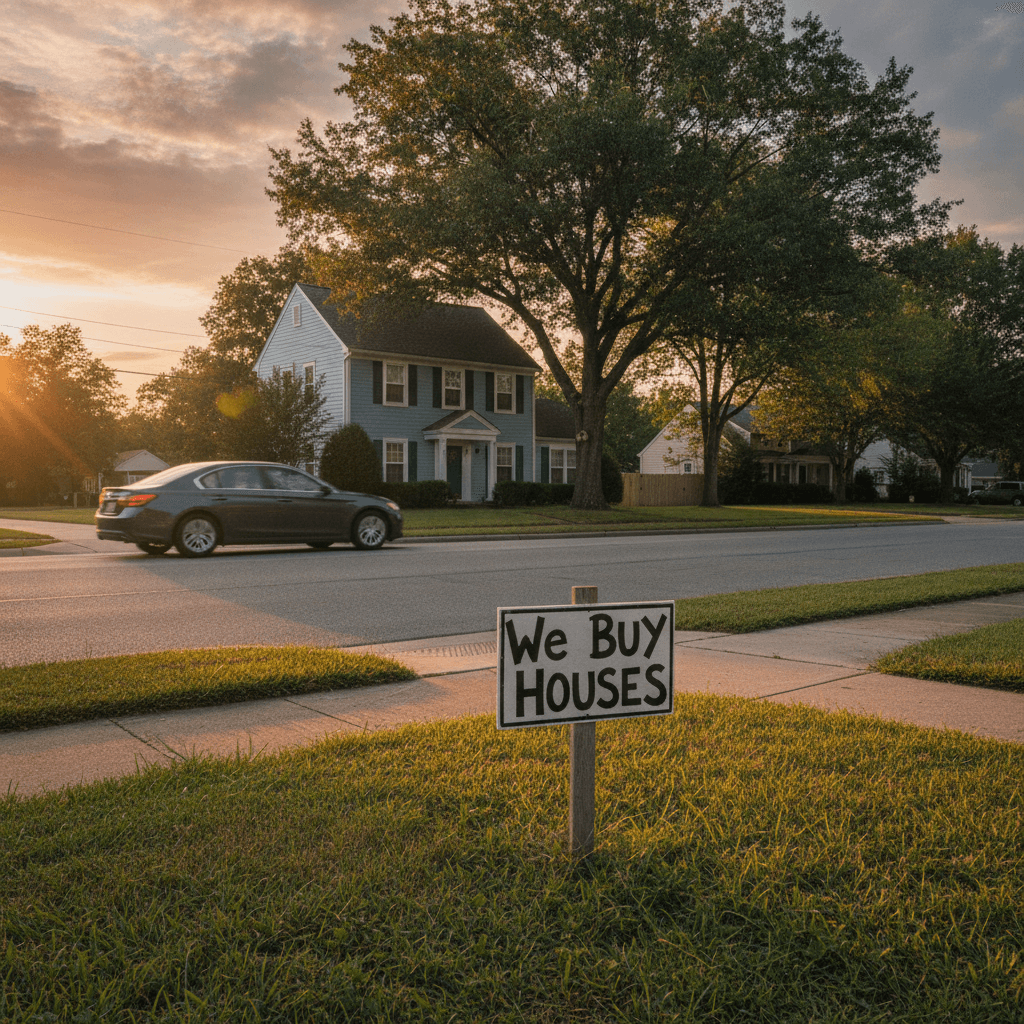
You've seen them nailed to stop signs and stuck in medians: "We Buy Houses" with a phone number. They can pull in motivated sellers, but one wrong placement can cost you a fine or worse. So, are bandit signs for wholesaling legal or just a risky shortcut?
Key Takeaways
- Bandit signs are illegal in many municipalities, with fines ranging from $50 to $500 per sign, and some cities enforce strict removal policies.
- Wholesalers can face additional legal risks if signs mislead sellers or violate truth-in-advertising laws.
- Local ordinances vary widely, so checking your city's sign code is the first step before putting up any signs.
- Using signs on private property with permission can reduce legal exposure, but public right-of-way placement is almost always prohibited.
- Tracking your sign performance is essential to know if they're worth the risk compared to other lead-gen methods.
What Are Bandit Signs in Wholesaling?
Bandit signs are small, temporary signs placed in public areas—like road medians, utility poles, or stop sign posts—to advertise a business, typically with a phone number or URL. In wholesaling, they're used to attract distressed property owners who might be willing to sell at a discount.
These signs are called "bandit" because they're often placed illegally, without permission, in public right-of-way. They're cheap—sometimes just a few dollars each—and can generate a steady stream of calls if placed in high-traffic areas.
But their legality is a gray area that varies by city and state. Some wholesalers swear by them, while others have faced fines and legal headaches.
How Do Bandit Signs Work for Wholesalers?
Bandit signs work by catching the eye of homeowners who are thinking about selling, especially those in distress—like facing foreclosure, divorce, or inherited property. The sign typically reads "We Buy Houses" or "Cash for Homes" with a phone number. When a motivated seller calls, you can negotiate a deal and assign the contract to an end buyer for a fee.
Here's a typical process:
- Design and print simple, bold signs with your phone number or a trackable number.
- Scout locations with high traffic and visible spots, but always check local laws first.
- Place signs early in the morning or late evening to avoid detection.
- Track calls using a dedicated phone number or call tracking service.
- Follow up with sellers quickly—speed matters in this business.
Some wholesalers use bandit signs as a primary lead source, while others use them to supplement direct mail or online ads. The key is to measure your return on investment (ROI) to see if they're worth the risk.
Are Bandit Signs Legal for Wholesaling?
In most U.S. cities, placing bandit signs on public property is illegal, but enforcement varies widely. Many municipalities have ordinances that prohibit signs in public right-of-way, on utility poles, or in medians. Violations can result in fines, and some cities have "sign police" who actively remove them.
For example, in some areas, fines can range from $50 to $500 per sign, and repeat offenders may face higher penalties. In extreme cases, you could even face misdemeanor charges, though that's rare.
However, there are legal ways to use similar signs:
- On private property with permission: If you get a homeowner's consent to place a sign on their lawn, it's often legal, as long as it complies with local sign codes.
- On your own property: If you own a property, you can usually place a sign there, but check for HOA rules or zoning restrictions.
- At events or businesses: Some wholesalers partner with local businesses to display signs with permission.
But even legal placements can be restricted by sign size, duration, and lighting. Always check your local zoning and sign ordinances before investing in signs.
Why Do Wholesalers Use Bandit Signs Despite the Risks?
Wholesalers use bandit signs because they're cheap, targeted, and can generate leads quickly—especially in areas with high foreclosure rates. A single sign might cost $2 to $5, and if it brings in one deal, the ROI can be massive. In a market where the median home price is $410,700 (as of April 2026), one assignment fee can cover thousands of signs.
But the risks go beyond fines. There's also the risk of damaging your reputation if signs are seen as litter. Plus, some cities have started using "sting" operations, where they pose as sellers to catch wholesalers violating sign laws.
Yet, the allure is strong. Bandit signs can reach sellers who aren't online, especially older homeowners or those in distress. They're also passive—once placed, they work 24/7 without you being there.
What Are the Legal Risks of Bandit Signs?
The main legal risks are fines for violating sign ordinances, potential trespassing charges if placed on private property without permission, and liability if a sign causes an accident or injury. But there's also a less obvious risk: misleading advertising.
In some states, wholesalers must be licensed as real estate agents to advertise that they "buy houses." If you're not licensed, you could be accused of practicing real estate without a license. Some states have specific rules about how wholesalers can advertise.
Here's a breakdown of potential legal issues:
| Risk | Description | Potential Consequence |
|---|---|---|
| Sign ordinance violation | Placing signs on public property without a permit | Fines up to $500 per sign, removal, and possible court costs |
| Trespassing | Putting signs on private property without permission | Criminal trespass charges, civil liability |
| Misleading advertising | Implying you're a licensed agent when you're not | Cease-and-desist orders, fines, or lawsuits |
| Safety hazard | Sign blocking sightlines or causing an accident | Personal injury lawsuits |
To minimize these risks, always:
- Check local laws before placing any signs.
- Use private property with written permission.
- Avoid public right-of-way areas like medians and sidewalks.
- Make sure your signs are truthful and don't imply you're a licensed agent unless you are.
- Remove signs promptly if you get a warning.
Best Practices for Using Bandit Signs Safely
To use bandit signs safely, focus on legal placement, clear messaging, and diligent tracking. Here are some best practices that can help you avoid fines and still get leads.
1. Research Local Sign Ordinances
Before you buy a single sign, visit your city's website or call the planning department. Look for rules about:
- Placement: Where are signs allowed? Usually not on public property.
- Size: Maximum dimensions, often 6 square feet or less.
- Duration: How long can a sign stay up? Some areas limit to 30 days.
- Permits: Do you need a permit? Some cities require one for any sign.
2. Get Permission for Private Property
If you want to place signs on private property, get written permission from the owner. This could be a homeowner, a business owner, or even a vacant lot owner. Keep a copy of the permission in case you're questioned.
3. Use Trackable Phone Numbers
Use a unique phone number for your signs so you can measure which locations work. Services like CallRail or even Google Voice can track calls. This data helps you decide where to focus your efforts.
4. Keep Signs Professional and Honest
Make sure your signs are well-designed and don't make false promises. Avoid phrases like "We buy houses in any condition" if you can't actually close on all properties. Honesty builds trust and reduces legal risk.
5. Remove Signs When They're No Longer Needed
Don't leave signs up after a deal is done or if you're getting complaints. Leaving them up increases the chance of fines and gives wholesalers a bad name.
How Do Bandit Signs Compare to Other Lead Gen Methods?
Bandit signs are just one of many ways to find motivated sellers. Compared to direct mail, online ads, or driving for dollars, they have unique pros and cons. Here's a quick comparison:
| Method | Cost per Lead | Time to Results | Legal Risk | Scalability |
|---|---|---|---|---|
| Bandit signs | Low ($2-$5 per sign) | Fast (days) | High (if illegal) | Low (limited by locations) |
| Direct mail | Medium ($0.50-$1 per piece) | Slow (weeks) | Low | High (can send thousands) |
| Online ads (e.g., Facebook) | Variable (CPC or CPM) | Fast (days) | Low | High (can scale with budget) |
| Driving for dollars | Low (gas only) | Medium (weeks) | Low | Medium (requires time) |
| Cold calling | Low (phone costs) | Fast (days) | Low | High (with a team) |
As you can see, bandit signs are cheap and fast, but they carry the highest legal risk. If you're just starting out, you might want to test them in a limited area while also building other lead sources.
What Do the Numbers Say About the Housing Market?
Understanding the current housing market helps you decide if bandit signs are worth the effort. As of September 2026, the 30-year fixed mortgage rate is 6.71%, which is up from 6.52% in June. Higher rates can push more homeowners to consider selling, but they also reduce buyer demand.
The median sales price of houses sold in the U.S. was $410,700 as of April 2026, down slightly from $418,500 in April 2023. Prices have been relatively stable, hovering around $410,000-$435,000 over the past few years.
Median days on market was 60 days as of August 2026, meaning homes are sitting longer than they were in the spring (52 days in April). This suggests a cooling market, which could mean more motivated sellers—and more opportunities for wholesalers.
Here's a look at how mortgage rates have trended over the summer:
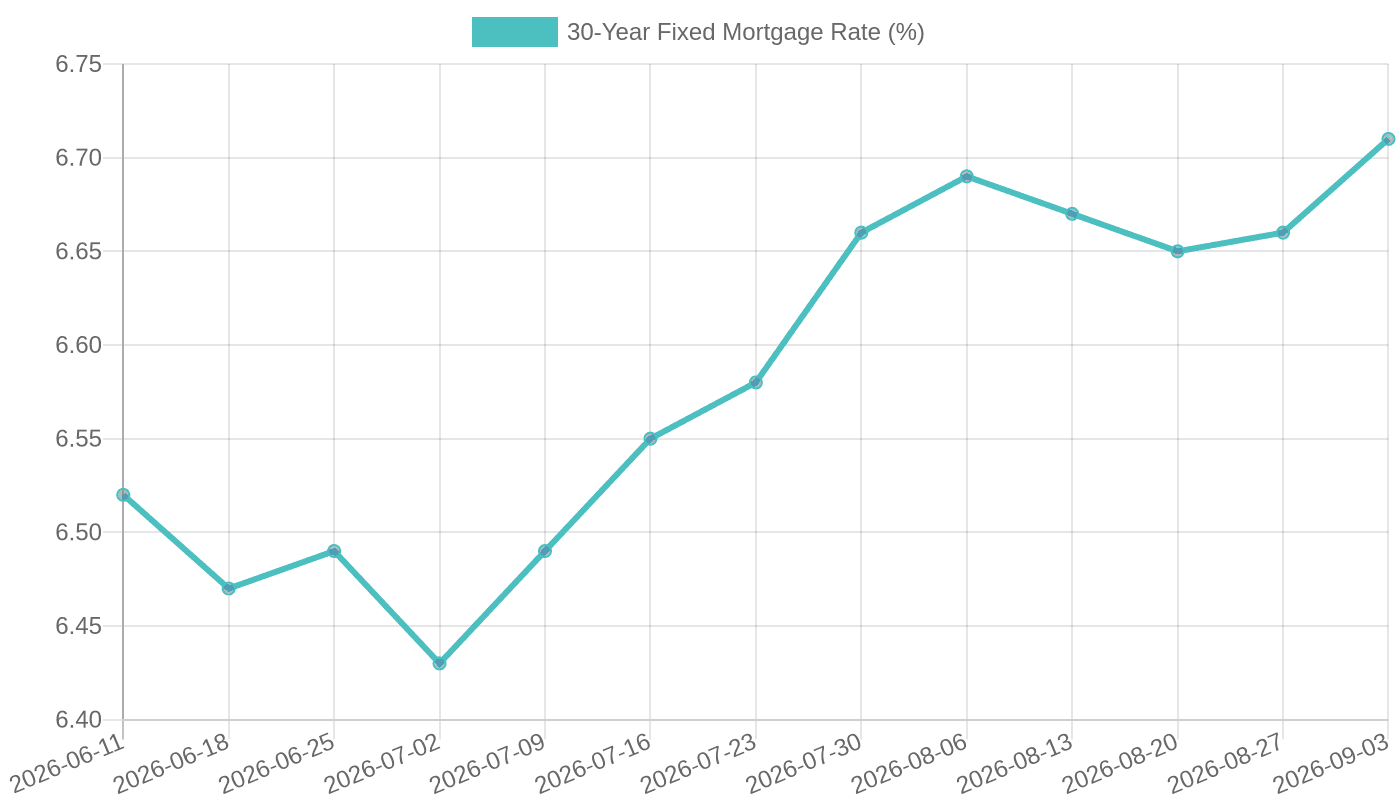
As rates rise, some homeowners may struggle to afford their payments, leading to more distressed properties. That's the kind of inventory wholesalers target with bandit signs.
How to Get Started with Bandit Signs (Step-by-Step)
If you've weighed the risks and want to try bandit signs, here's a step-by-step plan to do it as safely as possible.
- Check local laws in your target city. Look up sign ordinances online or call the code enforcement office.
- Identify legal spots—private property with permission is your best bet. Drive around and note locations where you might get permission.
- Design your sign with a clear call to action and your phone number. Keep it simple: "We Buy Houses" and a number.
- Print a small batch (10-20 signs) to test different areas without a big investment.
- Place signs only where you have permission. If you're using public spots despite the risk, at least know the fine and be prepared to remove them quickly.
- Track every call with a dedicated number. Log where the call came from and the outcome.
- Evaluate after 30 days—how many leads did you get? What was the cost per lead? If it's working, scale up; if not, try a different approach.
Remember, bandit signs are not a set-and-forget strategy. You need to monitor them, replace damaged ones, and remove them when they're no longer needed.
The Bottom Line
Bandit signs can be a low-cost way to generate wholesale leads, but they come with serious legal risks that vary by location. The safest approach is to use them only on private property with permission and to stay informed about local sign laws. If you're not willing to risk fines or legal trouble, consider other lead generation methods like direct mail or online ads. And before you make your next move, practice your pitch with our free AI Cold Call Trainer to turn those leads into deals.
Frequently Asked Questions
Are bandit signs illegal for wholesaling?
In most cities, placing bandit signs on public property is illegal, but enforcement varies. Some areas allow them on private property with permission, so always check local sign ordinances.
What are the fines for illegal bandit signs?
Fines can range from $50 to $500 per sign, depending on the city. Repeat offenders may face higher penalties or even misdemeanor charges in rare cases.
Can I use bandit signs on private property?
Yes, with the property owner's written permission. This is often legal, but you must still comply with local sign codes regarding size, duration, and placement.
Do bandit signs work for wholesalers?
They can generate leads quickly and cheaply, but effectiveness varies by location and market. Tracking calls with a dedicated number helps measure ROI.
What are safer alternatives to bandit signs?
Direct mail, online ads, driving for dollars, and cold calling are common alternatives with lower legal risk. Each has different costs and time requirements.
How can I avoid legal issues with bandit signs?
Research local laws, get permission for private property, use honest messaging, and remove signs promptly if asked. Avoid public right-of-way areas altogether.
Sources
- 30-Year Fixed Mortgage Rate (as of 2026-09-03) — FRED (Federal Reserve Bank of St. Louis)
- Median Sales Price of Houses Sold (as of 2026-04-01) — FRED (Federal Reserve Bank of St. Louis)
- Median Days on Market (as of 2026-08-01) — FRED (Federal Reserve Bank of St. Louis)
This article was researched and drafted with AI assistance, then reviewed and edited by Mark Anthony. Every statistic is sourced and cited. It's for informational purposes only and is not financial or legal advice. Read our editorial policy.