Real Estate Wholesaling Contracts: How to Draft Them Right


You've found a motivated seller, negotiated a killer price, and now you need a contract that locks in your profit without getting you sued. Drafting real estate wholesaling contracts is the make-or-break skill that separates part-time hustlers from full-time wholesalers.
Key Takeaways
- A wholesale contract must include an assignment clause that clearly transfers your rights to the end buyer.
- Always use a state-specific purchase agreement — generic templates can violate real estate laws.
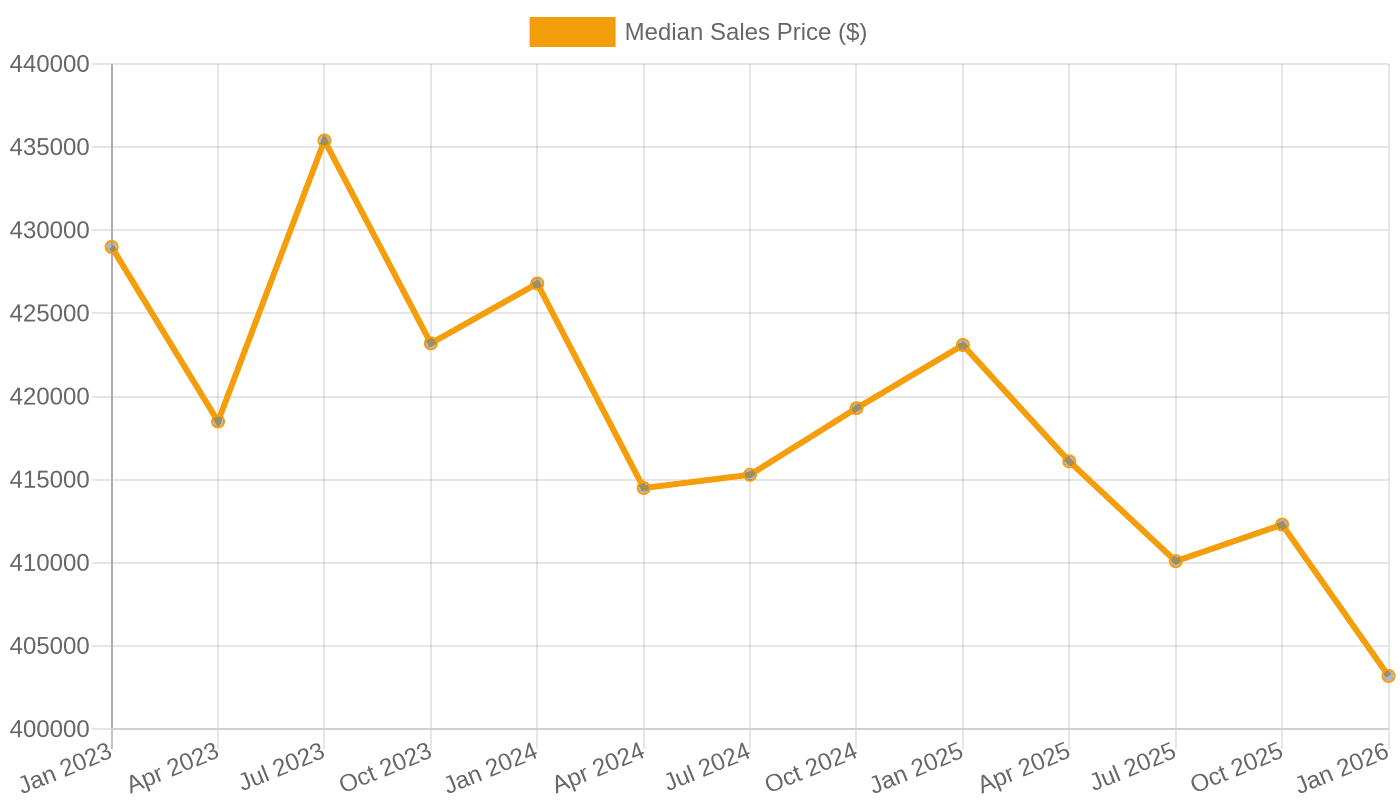
- The median US home price is $403,200 (as of Jan 2026), so even a 5% assignment fee averages $20,160 per deal.
- Software like PropStream and GoHighLevel can automate contract generation and compliance checks.
- Never sign a contract without consulting a local real estate attorney — one wrong clause can kill your deal.
What Is a Real Estate Wholesaling Contract?
A real estate wholesaling contract is a purchase agreement between you (the wholesaler) and a seller that includes an assignment clause allowing you to transfer your rights to buy the property to another buyer for a fee. In plain English: you get the seller to agree to sell at a discount, then you sell that same contract to an investor who actually buys the house. Your profit is the difference between the contract price and what the end buyer pays you.
How Do You Draft a Wholesale Contract That Protects Your Fee?
Drafting a wholesale contract isn't complicated — but missing one key clause can cost you everything. Here's the step-by-step process.
Step 1: Use the Right Purchase Agreement Form
Start with a standard residential purchase agreement from your state's real estate commission or a reputable source like PropStream. Do NOT use a generic online template unless your attorney approves it. Every state has different disclosure requirements and contingencies.
Step 2: Add an Assignment Clause
This is the heart of your contract. The assignment clause must state that you (the buyer) have the right to assign the contract to another party. Here's a sample:
"Buyer reserves the right to assign this Agreement or any of Buyer's rights hereunder to any person or entity without the consent of Seller. Upon assignment, Buyer shall be relieved of any further liability or obligation under this Agreement."
Step 3: Define Your Assignment Fee
Be clear about how much you'll be paid. You can either:
- List a flat fee (e.g., "Buyer's assignment fee shall be $15,000")
- Or state it as the difference between the contract price and the assigned price
Step 4: Include a Due Diligence Period
Give yourself 7–14 days to inspect the property and find a buyer. During this time you can back out for any reason and get your earnest money back. Most wholesalers use a 10-day inspection period.
Step 5: Disclose Your Role (If Required by Your State)
Some states require you to disclose that you are not the end buyer and that you intend to assign the contract. Check your local laws — in states like California and Florida, failure to disclose can void the deal.
Step 6: Get Signatures and Keep Records
Both you and the seller must sign. Use a digital signature tool like GoHighLevel or DocuSign to keep a clean audit trail.
What Key Clauses Must Every Wholesale Contract Include?
A solid wholesale contract has five non-negotiable clauses:
| Clause | Purpose | Why It Matters |
|---|---|---|
| Assignment Clause | Allows you to transfer your rights | Without it, you can't sell the contract |
| Inspection Contingency | Lets you back out if the property has issues | Protects your earnest money |
| Financing Contingency | Covers you if your buyer can't get a loan | Optional but recommended |
| Title & Vesting | Ensures the seller has clear title | Prevents ownership disputes |
| Disclosure of Assignment | Informs seller you're not the end buyer | Required in many states |
Why Is the Assignment Clause So Important?
The assignment clause is what makes wholesaling legal. Without it, you're just a buyer who can't sell the contract — you'd have to close on the property yourself, which defeats the purpose. A well-written assignment clause also relieves you of liability after you assign the contract. That means if the end buyer defaults, the seller can't come after you.
How Do State Laws Affect Your Wholesale Contract?
Real estate laws vary wildly by state. Some states treat wholesaling as brokering without a license, which is illegal. Others explicitly allow it with proper disclosures.
States Where Wholesaling Is Heavily Regulated
- California: Requires a real estate license if you market the property before you own it. Use a "double-close" or disclose your assignment.
- Florida: You must disclose your assignment in writing. Failure can result in fines.
- New York: Strict anti-assignment laws — many contracts require seller consent to assign.
States Where Wholesaling Is More Permissive
- Texas: Assignment is generally allowed as long as you don't advertise the property as "for sale" before you control it.
- Georgia: Wholesaling is common; just include a clear assignment clause.
- Ohio: Courts have upheld assignment rights as long as the contract doesn't prohibit it.
Bottom line: Always check your state's real estate commission website or consult a local attorney. One bad contract can cost you your license (if you have one) or get you sued.
What's the Best Way to Generate Wholesale Contracts?
You don't have to write contracts from scratch. Software tools can generate state-compliant agreements in minutes.
Top Tools for Drafting Wholesale Contracts
- PropStream: Offers a built-in contract generator with state-specific forms. Great for property data and comps too.
- GoHighLevel: CRM with document templates and e-signatures. You can create a workflow that auto-sends contracts to sellers.
- Launch Control: A wholesaling-specific CRM that includes contract templates and assignment addendums.
- Rezzie: Focuses on lead management but integrates with DocuSign for contract execution.
These tools are part of the 63 software tools tracked in the Wholesale REI directory across 9 categories — so you have plenty of options.
How Do You Price Your Assignment Fee?
Your assignment fee is your profit. Here's how to calculate it:
- Determine the After-Repair Value (ARV) — what the house will be worth after repairs.
- Subtract repair costs (get a contractor estimate).
- Subtract your desired profit (typically 10–20% of ARV).
- Subtract the end buyer's profit (usually 10–15% of ARV).
- The result is your maximum allowable offer (MAO).
- Your assignment fee = contract price - MAO.
For example, if the ARV is $300,000, repairs are $50,000, your profit is $30,000, and the buyer's profit is $30,000, your MAO is $190,000. If you negotiate a contract price of $180,000, your assignment fee is $10,000.
What Mistakes Do New Wholesalers Make in Contracts?
Avoid these common pitfalls:
- Skipping the attorney review: A $500 attorney fee can save you from a $50,000 lawsuit.
- Using a one-size-fits-all template: State laws differ — use a state-specific form.
- Forgetting the assignment clause: Without it, you're stuck buying the house.
- Not disclosing your role: In regulated states, this can get your deal voided.
- Ignoring the earnest money: Make sure your contingency allows you to get it back if the deal falls through.
How Does the Current Market Affect Wholesale Contracts?
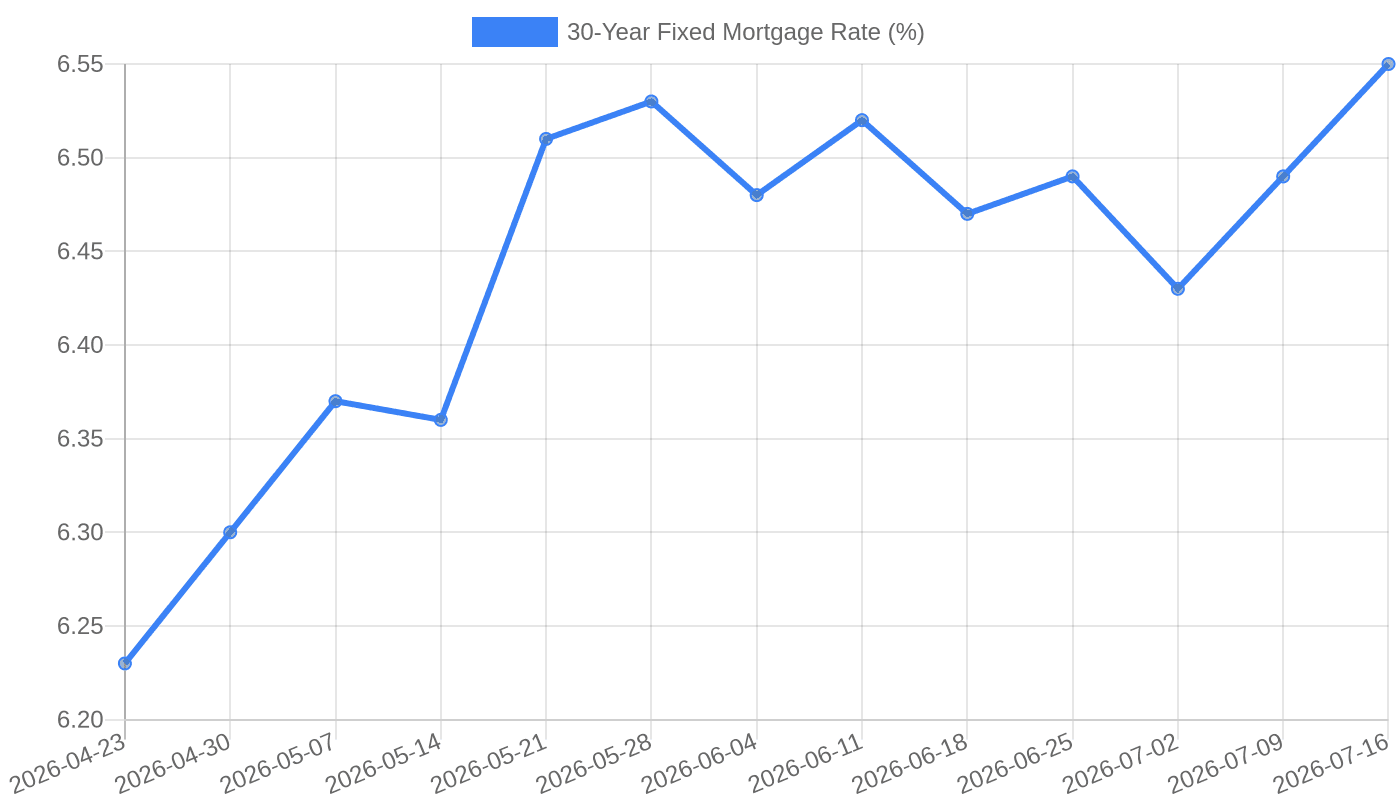
With the 30-year fixed mortgage rate at 6.55% (as of July 2026), financing is more expensive than it was a few years ago. That means end buyers are pickier — they want deeper discounts. Your contract needs to reflect that by giving you a longer due diligence period to find a qualified buyer.
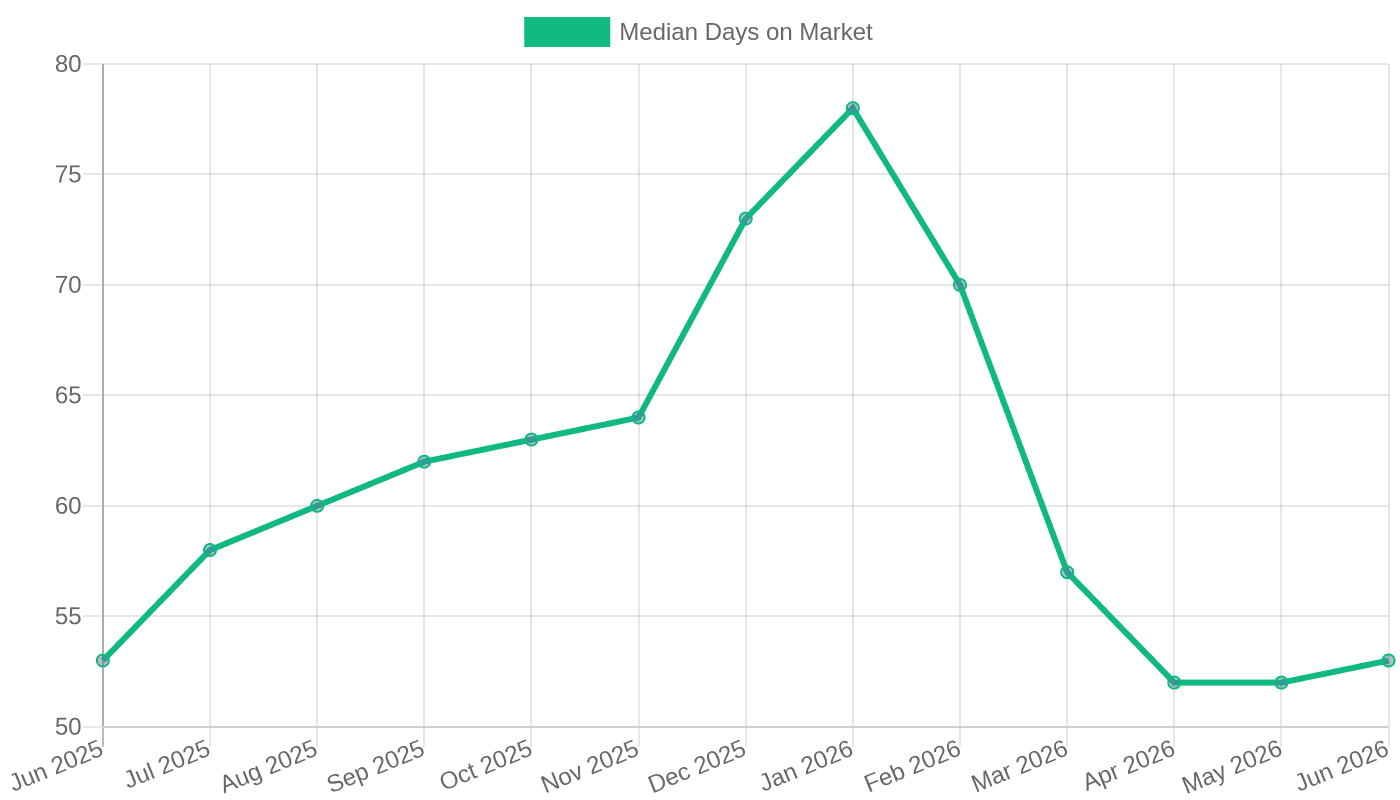
At the same time, median days on market have been fluctuating. As of June 2026, the median is 53 days — down from 78 days in January 2026. That means properties are selling faster, so you need to move quickly once you have a contract.
Median home prices have also cooled slightly. The median sales price in January 2026 was $403,200, down from $429,000 in January 2023. This softness gives wholesalers more negotiating power — sellers are more motivated to accept a below-market offer.
The Bottom Line
Drafting a solid real estate wholesaling contract is about three things: a clear assignment clause, state-specific compliance, and a realistic fee that leaves room for your buyer's profit. Use software like PropStream or GoHighLevel to generate contracts quickly, but always have a local attorney review your template. If you want to practice your pitch before you send that contract, try our free AI Cold Call Trainer — it simulates realistic seller conversations so you can refine your negotiation skills without risking a real deal.
Now go draft that contract — and make sure it's airtight.
Frequently Asked Questions
What is a real estate wholesaling contract?
A real estate wholesaling contract is a purchase agreement between a wholesaler and a seller that includes an assignment clause. This clause allows the wholesaler to transfer their rights to buy the property to another buyer for a fee.
Do I need a real estate attorney to draft a wholesale contract?
Yes, it's highly recommended. Real estate laws vary by state, and a local attorney can ensure your contract is compliant and includes all necessary clauses to protect your assignment fee.
What is an assignment clause in a wholesale contract?
An assignment clause gives the wholesaler the right to transfer the contract to another buyer. It typically states that the wholesaler is relieved of liability after assignment.
Can I use a generic purchase agreement for wholesaling?
It's risky. Generic templates may not include state-specific disclosures or an assignment clause. Always use a state-specific form or have an attorney customize one.
How do I calculate my assignment fee?
Your assignment fee is the difference between the contract price you negotiate with the seller and the price the end buyer pays you. It should account for repairs, your profit, and the buyer's profit.
What happens if my wholesale contract doesn't have an assignment clause?
Without an assignment clause, you cannot legally transfer the contract to another buyer. You would have to close on the property yourself or risk breaching the contract.
Sources
- Software tools tracked in the Wholesale REI directory — Wholesale REI directory
- Tool categories in the Wholesale REI directory — Wholesale REI directory
- 30-Year Fixed Mortgage Rate (as of 2026-07-16) — FRED (Federal Reserve Bank of St. Louis)
- Median Sales Price of Houses Sold (as of 2026-01-01) — FRED (Federal Reserve Bank of St. Louis)
- Median Days on Market (as of 2026-06-01) — FRED (Federal Reserve Bank of St. Louis)
This article was researched and drafted with AI assistance, then reviewed and edited by Mark Anthony. Every statistic is sourced and cited. It's for informational purposes only and is not financial or legal advice. Read our editorial policy.