How to Find Cash Buyers for Houses: 5 Proven Methods

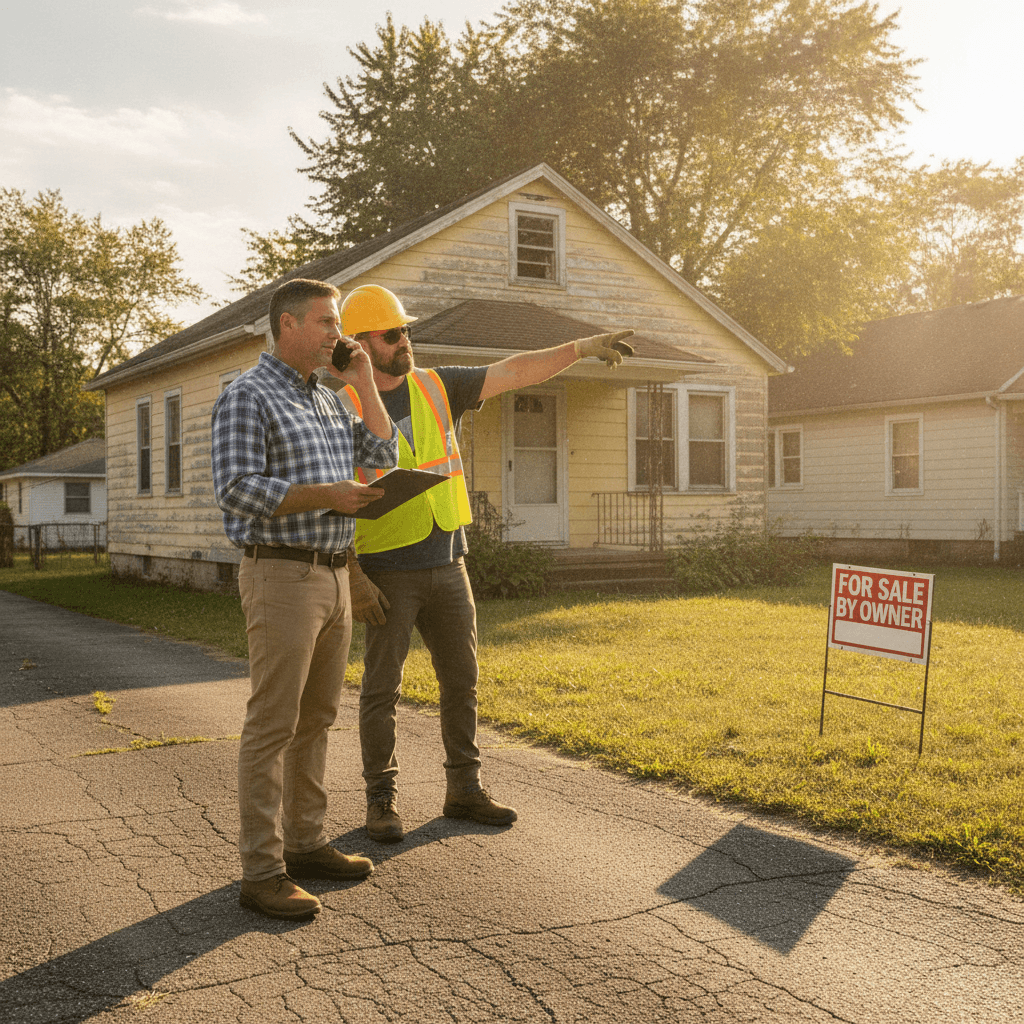
Your deal is under contract and your list is empty. That's the moment most wholesalers learn the hard way that a buyer list is built long before you need it.
Finding cash buyers for houses comes down to five proven methods: pulling public records, working the local investor network, using buyer-list software, running direct outreach, and converting your own leads. Do them in parallel and you'll never scramble for a buyer again.
Key Takeaways
- Five methods work best: county records, local investor networking, buyer-list software, direct outreach, and converting your own leads.
- The median home sold for $393,300 as of July 2026, and the 30-year fixed rate sat at 7.18% as of November 5, 2026 — expensive money that pushes sellers toward fast cash offers.
- Homes sat a median of 63 days on market as of October 2026, so sellers with tired listings are prime targets for your buyer list.
- The Wholesale REI directory tracks 65 software tools across 9 categories, which is where most of the list-building work now happens.
- A real cash buyer proves funds, closes without financing, and buys more than once. Verify all three before you assign a contract.
What is a cash buyer, exactly?
A cash buyer is an investor who can purchase a property without a mortgage, using their own funds or a line of credit, and close in days rather than weeks. That's the whole definition, and it matters because it separates real buyers from people who talk a good game.
Why does it matter so much right now? Because financing is expensive. The 30-year fixed mortgage rate climbed from 6.67% in mid-August 2026 to 7.18% by November 5, 2026.
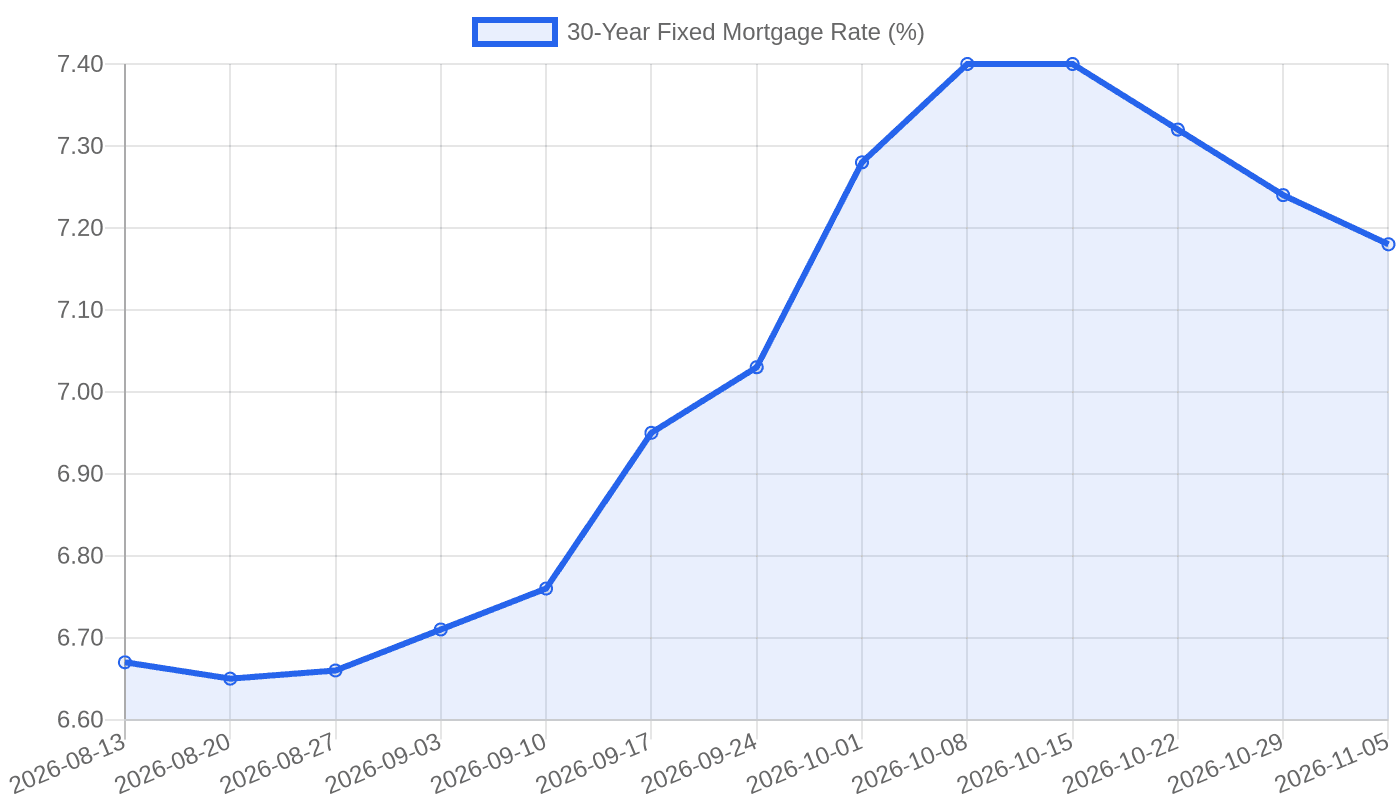
When money costs that much, retail buyers drop out and sellers get nervous. A cash buyer skips the loan process entirely, which is why your offer lands.
The three things that make a buyer "real"
- Proof of funds. A recent bank statement or letter from a hard money lender.
- A track record. At least one closed purchase in the last 12 months.
- A buying box. The neighborhoods, price range, and property type they actually want.
If someone can't give you all three, keep them on a watch list, not your A-list.
Why is now a good time to build a cash buyer list?
The market is handing you two gifts at once: slower sales and expensive mortgages. Both push sellers toward investors who pay cash.
Look at days on market. The median home sat 63 days on market in October 2026, up from a low of 52 days in April and May of that year.
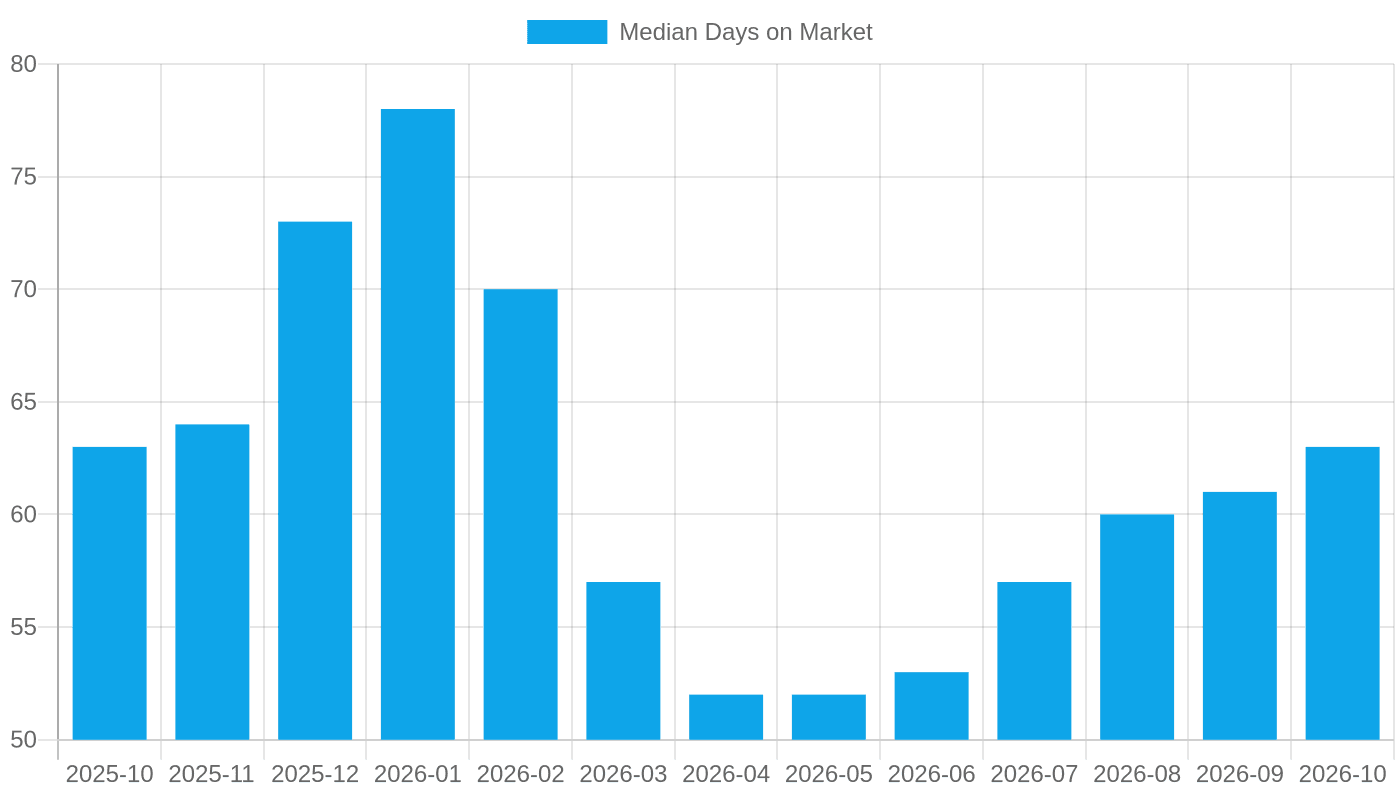
Every extra day on market is a day a seller gets more flexible. That's your opening.
Meanwhile, the median sales price of houses sold came in at $393,300 in July 2026, down from $435,400 in July 2023. Prices have softened, and investors who buy below retail are actively hunting.
Translation: buyers are motivated and sellers are tired. A well-built list turns that into assignments.
Method 1: Pull cash buyer records from county and public data
Start with the paper trail. Every cash purchase is recorded, and those records are public.
Here's how to work them:
- Search your county recorder or clerk of courts site for deeds with no mortgage reference. Those are cash purchases.
- Pull the grantee names — the buyers — and note repeat names. Repeat names are your best prospects.
- Cross-check the assessor's parcel data to see what else they own nearby.
- Build a simple spreadsheet with name, address, purchase date, price, and property count.
Where to speed this up
Doing this by hand across multiple counties gets old fast. Data tools let you filter for cash purchases and absentee owners in bulk. That's where a platform like PropStream or ATTOM Data earns its keep — you're searching recorded sales instead of guessing.
One tip: focus on buyers who closed in the last 6 to 12 months. Their appetite is current, not historical.
Method 2: Work the local investor network
Real estate investor associations, meetups, and local Facebook groups are still the fastest way to meet buyers face to face. Show up consistently and people start bringing you deals.
What to actually do at these events:
- Ask what they're buying, not what they think of the market. Get their box.
- Bring a one-page deal summary of a property you have or recently closed.
- Follow up within 48 hours with a short text and your contact card.
- Track everyone in a CRM so the relationship doesn't die after one coffee.
The referral multiplier
One active buyer usually knows five more. When you close a clean assignment with someone, ask directly: "Who else in your circle buys in this area?" That single question has built more buyer lists than any ad campaign.
Method 3: Use buyer-list software and data platforms
Buyer-list software compresses weeks of county research into an afternoon. You filter for cash purchases, owner type, property count, and geography, then export a callable list.
The Wholesale REI directory tracks 65 tools across 9 categories, and several of them are built specifically for this job. A typical stack looks like this:
| Job to be done | What to look for | Example tool type |
|---|---|---|
| Find cash purchase records | Recorded deed and sales data | Data platform (e.g., PropStream, ATTOM Data) |
| Skip trace and dial | Phone numbers plus a power dialer | Dialer (e.g., CallTools) |
| Manage the buyer pipeline | CRM with tags and follow-up | CRM (e.g., GoHighLevel, Launch Control) |
| Generate seller leads | Inbound and outbound lead flow | Lead generation (e.g., Televista) |
How to pick the right one
Don't buy the biggest plan on day one. Start with the data tool, run one county, and see how many verified cash buyers you can pull in a week. Then add a dialer and a CRM once you have names to call.
That order keeps your costs low and your list honest.
Method 4: Run direct outreach to known buyers
Direct outreach means contacting investors you've identified — by mail, phone, text, or email — before they know you exist. It works because most wholesalers never follow up more than once.
A simple sequence that gets responses:
- Send a postcard or letter naming the area and price range you specialize in.
- Call three to five days later and reference the mailer.
- Text a one-line deal teaser if they don't pick up.
- Repeat monthly with a new property example.
Make the call count
Cold calls to investors are short and specific. Lead with the property, the price, and the close date. If you freeze up on the phone, practice first — our free AI Cold Call Trainer lets you run a few realistic calls with no signup, so your first real conversation isn't your first conversation.
Method 5: Convert your own seller leads into buyers
Some of your best buyers are already in your pipeline — they just haven't raised their hand yet. Sellers who can't accept your offer, landlords exiting the market, and even other wholesalers on your list can become buyers.
How to convert them:
- Tag every contact as seller, buyer, or both in your CRM.
- Ask one question on every call: "Do you also buy properties, or just sell?"
- Send your buyer criteria to anyone who says yes.
- Re-engage quarterly with a fresh deal example.
This costs nothing and often produces the fastest closings, because these people already trust you.
How do you verify a cash buyer before assigning a contract?
Verify funds, track record, and buying box before you sign anything. Skipping this step is how wholesalers end up with a dead contract and an angry seller.
A quick checklist:
- Proof of funds dated within 30 days.
- A lender letter if they're using hard money.
- Two references from other wholesalers or agents.
- A written buying box so you know what fits.
- A backup buyer identified for every deal.
Red flags to watch
- They ask you to send the contract before showing funds.
- They want to "assign your assignment" — a chain that usually collapses.
- They can't name a single property they've closed.
- They push your price down after you've already committed to the seller.
How do you keep a cash buyer list warm?
Send something useful every two to four weeks, and call your top ten buyers monthly. A list goes cold in about a quarter if you go quiet.
Simple cadence that works:
- Weekly: one new deal teaser to your A-list.
- Monthly: a market update with one real number, like current days on market.
- Quarterly: a personal call to your top ten.
- Annually: clean the list and remove anyone who hasn't responded in a year.
Use market data as your opener
Numbers give you a reason to reach out. When the median days on market moved to 63 in October 2026, that's a natural reason to call and say sellers are getting flexible. Buyers pay attention to that.
The Bottom Line
Finding cash buyers for houses isn't one tactic — it's five running at once: public records, local networking, buyer-list software, direct outreach, and your own pipeline. Start with county records this week, then layer in a data tool and a dialer once you have names. Compare the data, dialer, and CRM tools in the directory side by side before you pay for anything.
Frequently Asked Questions
How do I find cash buyers for houses fast?
Pull recent cash purchase records from your county recorder, then cross-check repeat buyer names. In parallel, show up at local investor meetups and ask each attendee what they're buying. Both methods can produce a callable list within a week.
What is the best software to find cash buyers?
Most wholesalers use a data platform to find recorded cash purchases, a skip tracer or dialer to reach the owners, and a CRM to manage follow-up. The Wholesale REI directory lists 65 tools across 9 categories so you can compare options before paying.
How do I verify a cash buyer is real?
Ask for proof of funds dated within 30 days, a lender letter if they use hard money, and at least one closed purchase in the last year. Also get their buying box in writing and line up a backup buyer for every deal.
Why are cash buyers important when mortgage rates are high?
High rates knock retail buyers out of the market. With the 30-year fixed rate at 7.18% as of November 5, 2026, sellers are more open to a fast cash offer that skips financing entirely.
How often should I contact my cash buyer list?
Send a deal teaser weekly to your top buyers, a market update monthly, and make a personal call to your top ten each quarter. Lists go cold in about a quarter if you stop reaching out.
Sources
- Software tools tracked in the Wholesale REI directory — Wholesale REI directory
- Tool categories in the Wholesale REI directory — Wholesale REI directory
- 30-Year Fixed Mortgage Rate (as of 2026-11-05) — FRED (Federal Reserve Bank of St. Louis)
- Median Sales Price of Houses Sold (as of 2026-07-01) — FRED (Federal Reserve Bank of St. Louis)
- Median Days on Market (as of 2026-10-01) — FRED (Federal Reserve Bank of St. Louis)
This article was researched and drafted with AI assistance, then reviewed and edited by Mark Anthony. Every statistic is sourced and cited. It's for informational purposes only and is not financial or legal advice. Read our editorial policy.