How to Wholesale Real Estate with No Money: The Playbook


You want to wholesale real estate but have no money for a down payment, closing costs, or marketing. The good news: wholesaling is one of the few real estate strategies that can be started with virtually zero capital — if you know the right techniques and follow a proven process.
Key Takeaways
- Wholesaling with no money relies on finding motivated sellers, controlling a contract, and assigning it to a buyer for a fee.
- Two main no-money methods: double closing (simultaneous buy-sell) and assignment of contract (sell your rights to the contract).
- You can use creative financing like subject-to, seller financing, or options to control properties without cash.
- Marketing costs can be as low as $0 using free strategies like driving for dollars, bandit signs, and direct mail with no upfront fees.
- The median home price is $410,700 (as of April 2026), and the 30-year mortgage rate is 6.67% — making motivated sellers more common.
What is Wholesaling Real Estate?
Wholesaling real estate is the practice of finding a discounted property, putting it under contract, and then selling that contract to another investor for a fee (the "assignment fee"). You never actually buy the property — you profit from the spread between the contract price and what an end buyer pays.
For example, you get a house under contract for $200,000. You find an investor willing to pay $220,000. Your assignment fee is $20,000. That's your profit, and you didn't need a down payment or a loan.
How to Wholesale Real Estate with No Money: The 5-Step Process
Wholesaling with no money is about using other people's money, time, and resources to control a property. Here's the exact process:
Step 1: Find a Motivated Seller
Your first job is to find a seller who is motivated to sell quickly — often because of financial distress, divorce, inheritance, or a property in disrepair. These sellers are more likely to accept a low offer and flexible terms.
Free ways to find motivated sellers:
- Driving for dollars: Look for vacant, overgrown, or distressed properties in your target neighborhoods.
- Bandit signs: Place simple signs in high-traffic areas (check local laws first).
- Free online listings: Use Zillow, Craigslist, and Facebook Marketplace to find distressed listings.
- Networking: Join local real estate investor groups and let people know you're looking for deals.
Step 2: Analyze the Deal
Once you find a potential property, you need to know its After Repair Value (ARV) and repair costs. You can use tools like PropStream or ATTOM Data to get property data and comps. The key is to estimate a purchase price that leaves room for the end buyer to profit.
Simple formula:
- Maximum Allowable Offer (MAO) = ARV × 70% - Repair Costs
- Your target contract price should be below MAO to leave room for your fee.
Step 3: Get the Property Under Contract
You'll need a purchase agreement that includes an assignment clause or allows for a double closing. Many states have standard forms, but you can also use a simple contract that states your right to assign.
Key contract terms to include:
- Inspection period (e.g., 7-14 days) to do your due diligence.
- Assignment clause (if you plan to assign).
- Closing date that gives you time to find a buyer.
- Contingencies that protect you if the deal falls through.
Step 4: Find a Buyer (Cash Investor or End Buyer)
You need a list of cash buyers or rehabbers who are ready to buy discounted properties. Build this list by networking, joining investor groups, or using platforms like PropStream to find recent cash purchases in your area.
How to build a buyer's list:
- Attend local REIA meetings.
- Connect with wholesalers and flippers on social media.
- Use PropStream to find properties bought with cash and contact those buyers.
Step 5: Close the Deal and Collect Your Fee
You have two main ways to close:
- Assignment of Contract: You sign a contract with the seller, then assign your rights to the buyer for a fee. The buyer pays the seller directly, and you get your assignment fee at closing.
- Double Closing: You buy the property from the seller and simultaneously sell it to the end buyer. You use the end buyer's funds to pay the seller, and you keep the difference.
Both methods require no money down if structured correctly, but they have different legal and tax implications.
Double Closing vs. Assignment of Contract: Which Is Best for No-Money Wholesaling?
Both methods work with zero capital, but they differ in transparency, cost, and risk.
| Method | How It Works | Pros | Cons |
|---|---|---|---|
| Assignment of Contract | You assign your contract rights to a buyer for a fee | Simple, low cost, no double closing costs | Some sellers may not allow assignment; your fee is visible to the seller |
| Double Closing | You buy and sell simultaneously, using the end buyer's funds | Keeps your profit hidden from the seller; can be done with transactional funding | More paperwork, closing costs, and need for a closing agent or attorney |
Which is better for no money? Assignment is usually easier and cheaper, but double closing can be better if you want to keep your profit confidential. Many wholesalers use a combination.
Creative Financing Strategies to Wholesale with No Money
If you want to control properties without using your own cash, these strategies can help:
Subject-To
In a subject-to deal, you take over the seller's existing mortgage payments without formally assuming the loan. You control the property and can later sell it or assign the contract. This requires no down payment, but you must be careful with due-on-sale clauses.
Seller Financing
In seller financing, the seller acts as the bank and accepts payments over time. You can negotiate a low down payment (even $0) and then assign the contract to another investor who takes over the payments.
Option to Purchase
An option gives you the right to buy a property at a set price within a certain timeframe. You pay a small option fee (often $100-$500) to control the property, then find a buyer to assign the option to. If the deal falls through, you lose only the option fee.
How Much Money Do You Really Need to Start Wholesaling?
Technically, you can start with $0, but having a small buffer for marketing and closing costs can help. Here's a realistic breakdown:
- Marketing: $0 if you use free methods, or $100-$500 for direct mail and bandit signs.
- Contract and closing costs: $0-$500 for attorney fees or title company charges.
- Software tools: Many wholesalers use tools like PropStream ($99/month) or ATTOM Data (varies), but you can start with free resources.
Bottom line: You can start with as little as $0, but $500-$1,000 gives you more flexibility and speed.
Tools and Software for No-Money Wholesaling
You don't need expensive software to start, but these tools can save time and help you find deals:
- PropStream: Property data, comps, and owner information. Great for finding motivated sellers.
- ATTOM Data: Comprehensive property data and analytics.
- GoHighLevel: CRM and marketing automation to manage leads and follow up.
- Call Tools: Call tracking and recording to manage your phone leads.
- Launch Control: Marketing and lead generation platform for real estate investors.
- Televista Lead Generation: Lead generation services for investor leads.
You can find more tools in the Wholesale REI directory, which tracks 65 software tools across 9 categories.
Why Wholesaling with No Money Is Possible in 2026
The current market conditions actually favor wholesalers. The median sales price of houses sold in the U.S. was $410,700 as of April 2026, and the 30-year fixed mortgage rate was 6.67% as of August 2026. Higher rates mean fewer traditional buyers, which pushes more sellers to accept creative offers.
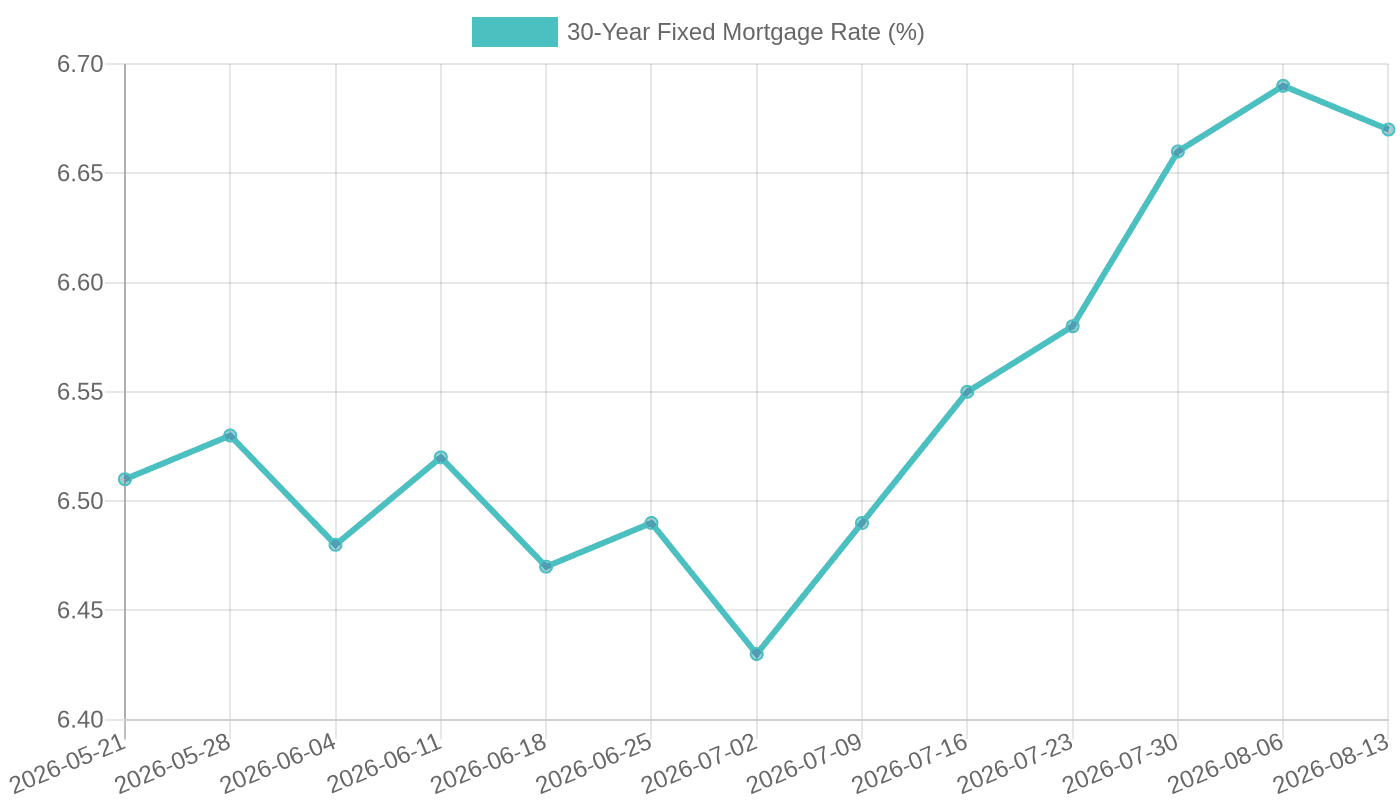
Mortgage rates have been hovering around 6.5-6.7% over the past few months, making it harder for average buyers to afford homes. This creates more motivated sellers who are willing to discount their properties for a quick sale.
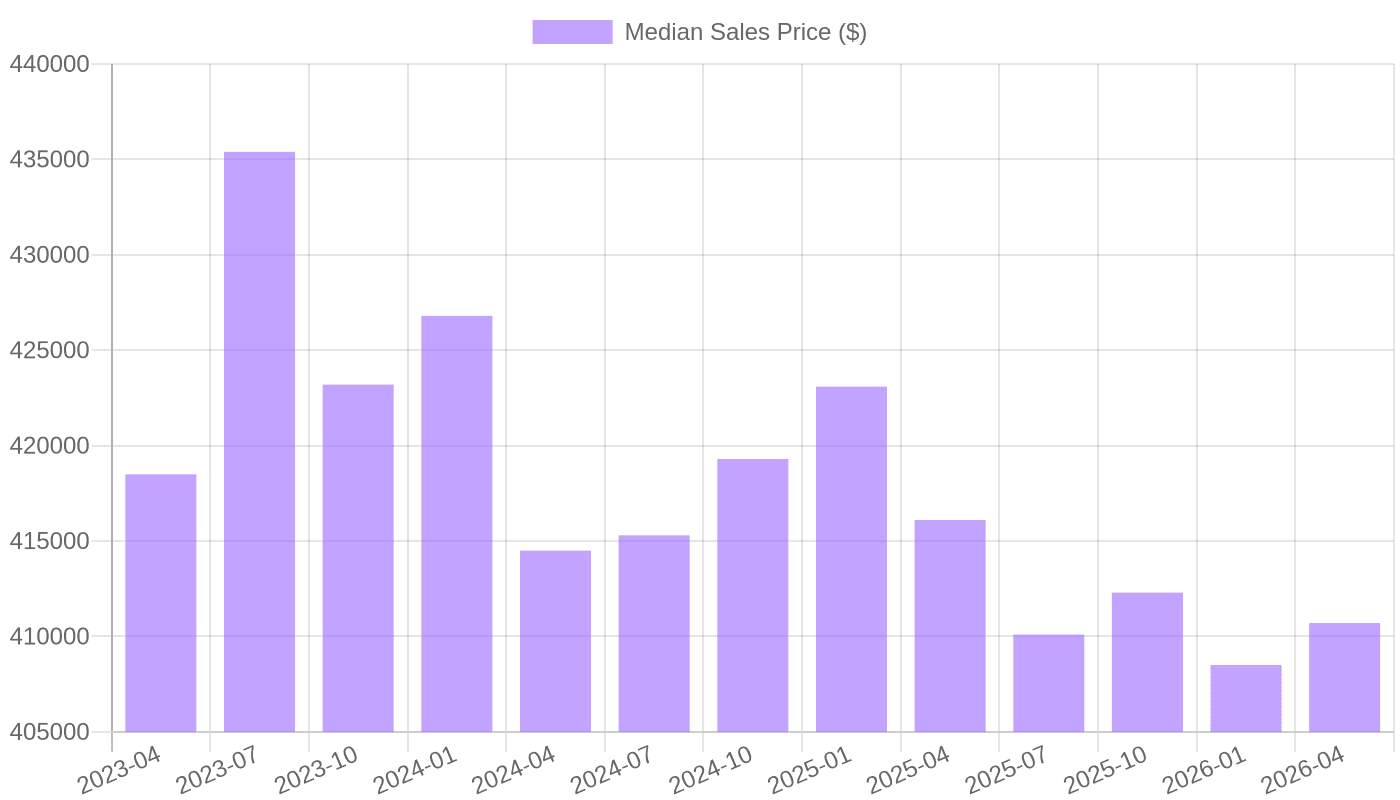
Meanwhile, the median home price has remained above $400,000, but with rates high, demand is cooling. That means more inventory and more negotiating power for wholesalers.
Common Mistakes to Avoid When Wholesaling with No Money
- Skipping due diligence: Always verify title, liens, and property condition before signing a contract.
- Overestimating ARV: Use accurate comps and be conservative.
- Not having a buyer's list: You need buyers ready to purchase before you close.
- Ignoring legal requirements: Check your state's laws on wholesaling and assignment.
- Spending money on marketing before you have a system: Start with free methods and scale up.
The Bottom Line
Wholesaling real estate with no money is absolutely possible — you just need to control the deal, not buy it. Use the assignment or double closing method, find motivated sellers, and build a buyer's list. Start with free marketing strategies and scale up as you make your first few deals.
Your next step: practice your seller conversations. Try our free AI Cold Call Trainer to rehearse your pitch against a realistic AI seller — it's free and takes no signup to start. Then, compare the top wholesaling tools in the Wholesale REI directory to build your workflow.
Frequently Asked Questions
Can you really wholesale real estate with no money?
Yes. Wholesaling doesn't require you to buy the property. You control a contract and assign it to a buyer for a fee. With strategies like assignment of contract or double closing, you can profit with zero capital.
What is the difference between assignment of contract and double closing?
Assignment of contract means you sell your rights to the contract to a buyer for a fee. Double closing involves buying and selling the property simultaneously, using the end buyer's funds. Both can be done with no money down.
How much money do I need to start wholesaling?
You can start with $0 using free marketing methods. However, having $500-$1,000 for closing costs, marketing, and software can speed up your success.
What are the best free ways to find motivated sellers?
Driving for dollars, bandit signs, free online listings like Zillow and Craigslist, and networking with local investor groups are all effective free strategies.
Do I need a real estate license to wholesale?
In most states, you don't need a license to wholesale, but you must follow specific laws regarding assignment and marketing. Always check your state's regulations.
What tools can help me wholesale with no money?
Tools like PropStream and ATTOM Data help with property research, while GoHighLevel and Call Tools manage leads. Many have free trials or low-cost plans.
Sources
- 30-Year Fixed Mortgage Rate (6.67%) — FRED
- Median Sales Price of Houses Sold ($410,700) — FRED
- Median Days on Market (57 days) — FRED
- Software tools tracked in the Wholesale REI directory (65) — Wholesale REI directory
- Tool categories in the Wholesale REI directory (9) — Wholesale REI directory
This article was researched and drafted with AI assistance, then reviewed and edited by Mark Anthony. Every statistic is sourced and cited. It's for informational purposes only and is not financial or legal advice. Read our editorial policy.