Zero-Down Wholesaling: 5 Steps From Deal to Assignment Fee


You want to make money in real estate, but every strategy you read about starts with "first, get a down payment." Wholesaling flips that. You can start with no cash, no credit, and no license — just a signed contract and a buyer ready to close.
Key Takeaways
- Wholesaling means you sell your contract, not the house — you never take title, so you never need a down payment or a mortgage.
- The national median home price sat at $410,700 as of April 2026, which is why sellers still have equity to negotiate with.
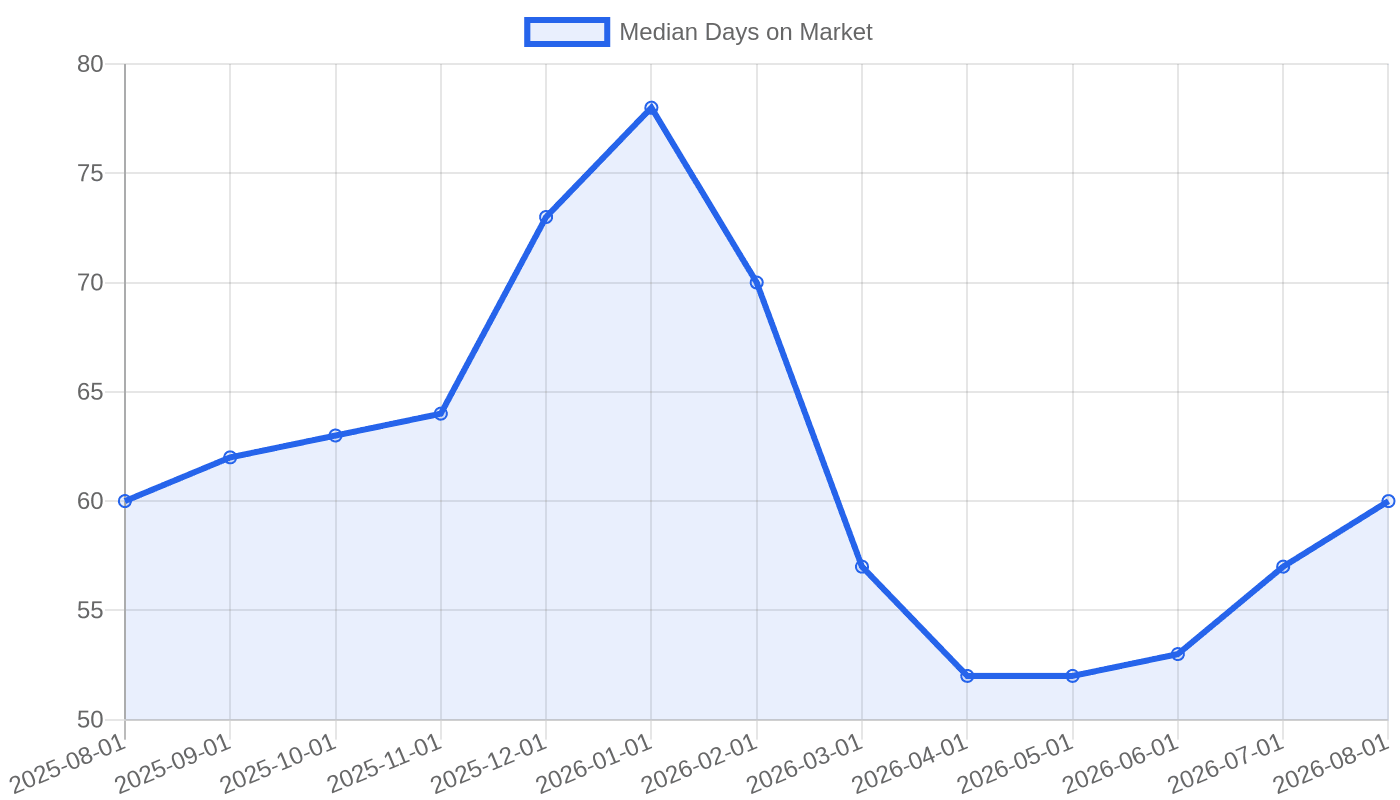
- Homes are taking longer to sell — the median was 60 days on market in August 2026 — so motivated sellers are easier to find.
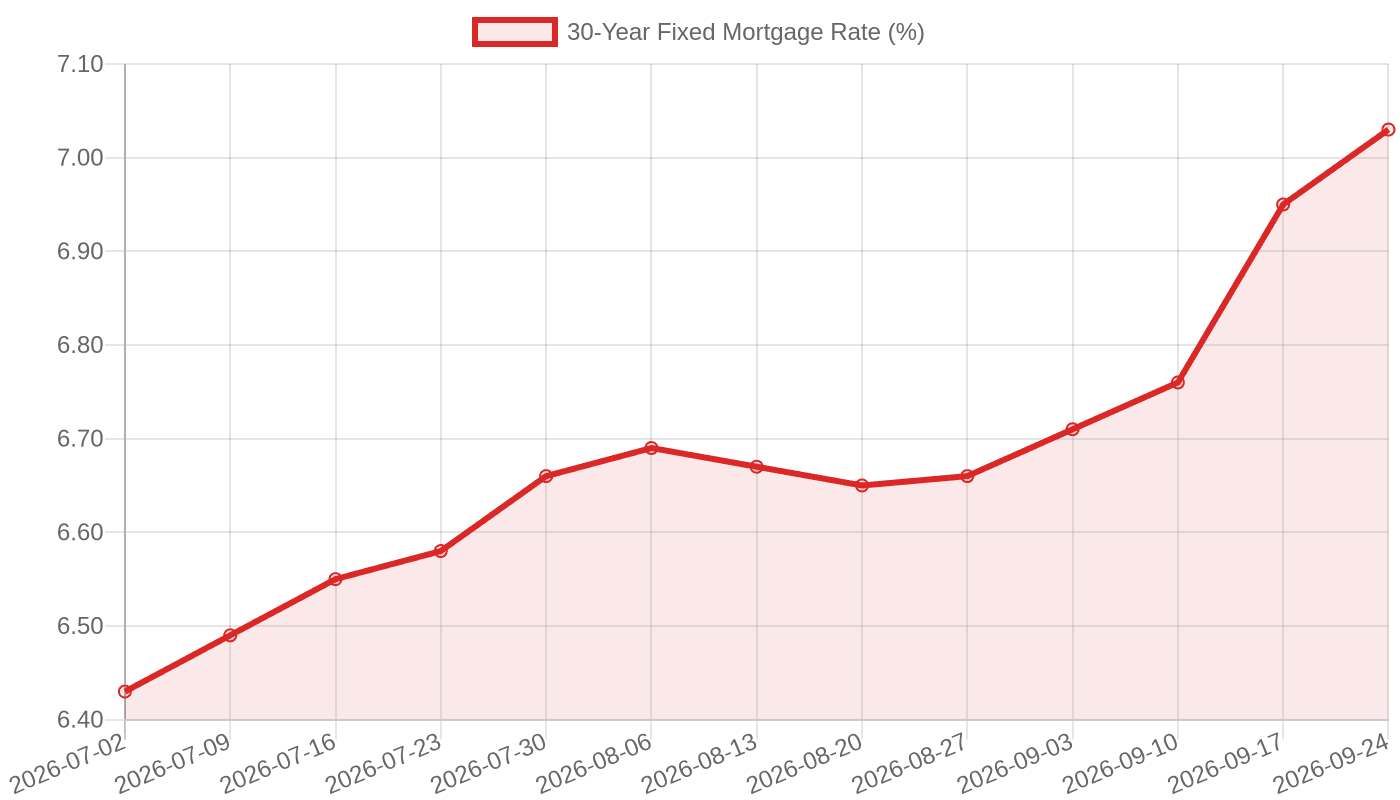
- The 30-year fixed mortgage rate hit 7.03% as of September 24, 2026, which pushes some buyers out and creates more seller pressure.
- You can run the entire business with free tools and a phone. The Wholesale REI directory tracks 65 tools across 9 categories to help you pick what you actually need.
What Is Real Estate Wholesaling?
Real estate wholesaling is the business of getting a property under contract and then assigning that contract to another buyer for a fee — without ever owning the property. You are essentially a matchmaker between a motivated seller and a cash buyer.
Here's the key move: you sign a purchase agreement with the seller that includes an assignment clause. That clause lets you hand your rights to buy the house over to someone else. The buyer pays you an assignment fee at closing. You never bring a check to the table.
Why "No Money" Actually Works
Because you never buy the house, you never need:
- A down payment
- A mortgage or hard money loan
- Closing funds
- Repair money
Your only real investment is time and a phone. That's the whole reason this strategy is the classic starting point for beginners.
How Do You Wholesale Real Estate Step by Step?
You wholesale by following seven repeatable steps: find a motivated seller, run the numbers, sign a contract with an assignment clause, find a cash buyer, assign the deal, collect your fee, and repeat. Here's each step in detail.
Step 1: Pick One Local Market and Learn It Cold
Don't chase deals across five counties. Pick one area within driving distance and learn its prices, rents, and problem neighborhoods.
You want to know what a 3-bed ranch sells for on your street versus two miles away. That local knowledge is what lets you make offers fast.
Step 2: Find Motivated Sellers
Motivated sellers are people who need to sell quickly — not people who want to test the market. Look for:
- Pre-foreclosure and tax-delinquent lists
- Probate and inherited properties
- Tired landlords with problem tenants
- Divorce and relocation situations
- Vacant and boarded-up houses
Driving for dollars still works. So does direct mail, cold calling, and texting. The point is to reach people before their house hits the MLS.
Step 3: Run the Numbers Before You Talk Price
Never make an offer without running the math. The standard formula wholesalers use is the 70% rule:
Maximum offer = (After Repair Value × 0.70) − Repair Costs
If a house will be worth $300,000 after repairs and needs $40,000 of work, your max offer is $170,000. That leaves room for your fee and the end buyer's profit.
Step 4: Get the Property Under Contract
This is the step that separates wholesalers from tire-kickers. You need a purchase agreement with:
- Your name (or "and/or assigns") as the buyer
- A clear assignment clause
- An inspection period you control
- A closing date far enough out to find a buyer
Have a real estate attorney review your contract once. Then reuse it.
Step 5: Find a Cash Buyer
Your buyer is usually a flipper, a landlord, or another investor who pays cash. Build a list of at least 20 to 30 active buyers in your market before you need them.
Where to find them:
- Local real estate investor meetups
- Facebook investor groups
- Bandit signs and "we buy houses" ads (call them)
- County records of recent cash purchases
Step 6: Assign the Contract and Collect Your Fee
You present the deal to your buyer, agree on an assignment fee, and sign an assignment agreement. At closing, the title company pays you your fee directly.
Typical assignment fees range from a few thousand dollars to $10,000 or more, depending on the spread. You don't get paid until the deal closes — so protect your timeline.
Step 7: Repeat and Systemize
Your first deal is the hardest. After that, you have a buyer list, a contract template, and proof you can close. Now you can raise your marketing budget and do more of what worked.
Why Is Now a Good Time to Start Wholesaling?
The market is giving wholesalers more motivated sellers right now. When homes sit on the market longer and rates are high, more owners feel stuck — and stuck owners negotiate.
The median time on market climbed to 73 days in December 2025 before settling back to 60 days in August 2026. That's still a slow market by recent standards.
Higher rates squeeze buyers, which means fewer retail offers for sellers. The 30-year fixed mortgage rate rose from 6.43% on July 2, 2026 to 7.03% on September 24, 2026 — a steady climb that makes cash buyers more valuable.
When you can bring a seller a fast cash close, you're solving a real problem. That's leverage.
What Does It Cost to Start Wholesaling With No Money?
You can start for close to $0 by using free tools, free contract templates, and free lead sources. Your costs only grow when you choose to scale.
Here's a realistic breakdown of a no-money start versus a scaled start:
| Expense | No-Money Start | Scaled Start |
|---|---|---|
| Lead source | Free driving for dollars, free Facebook groups | Paid lists and direct mail |
| Contract | Free template reviewed by attorney | Custom contracts |
| CRM / follow-up | Free spreadsheet or free CRM tier | Paid CRM |
| Skip tracing | Free public county records | Paid skip tracing |
| Marketing | Free social posts, free signs | Paid ads and bandit signs |
| Estimated monthly cost | $0–$50 | $500–$2,000+ |
The no-money path is slower. But it's real, and it protects you while you learn.
How Do You Find Deals With No Marketing Budget?
You find deals by doing the work others won't: driving neighborhoods, calling expired listings, and talking to everyone. Free lead sources beat paid ones when you're starting out, because they force you to learn your market.
Here's what actually works with zero budget:
- Driving for dollars. Look for tall grass, boarded windows, and code violation notices. Write down addresses.
- Free county records. Pull tax-delinquent and probate lists at the courthouse or online.
- Expired and withdrawn listings. Call the agents or owners directly.
- Social media. Post in local community groups that you buy houses as-is.
- Networking. Go to every local investor meetup. Buyers and sellers both show up there.
What Tools Do Wholesalers Actually Need?
You need three things: a way to find leads, a way to follow up, and a way to make calls. Everything else is optional until you're closing deals regularly.
The Wholesale REI directory tracks 65 tools across 9 categories, so you can see what exists before you spend a dollar. Start with free tiers and upgrade only when a tool pays for itself.
Common categories wholesalers shop in:
- Lead generation and list building
- Skip tracing and data
- CRM and follow-up
- Dialers and calling tools
- Contract and transaction management
What Are the Biggest Mistakes New Wholesalers Make?
Most beginners fail for the same few reasons — and every one of them is avoidable. Fix these and you'll be ahead of 90% of new wholesalers.
- No assignment clause. Without it, you're stuck buying a house you can't afford.
- No buyer list. Never sign a contract before you know buyers exist for that price range.
- Overpaying. If the numbers don't work at 70%, walk away.
- Talking too much. Ask questions, listen, and let the seller tell you their timeline.
- Quitting after one deal. Wholesaling is a numbers game. Volume wins.
How Do You Make Your First Offer Without Feeling Like a Fraud?
You make your first offer by remembering that you're solving a problem, not asking for a favor. A seller with a house they can't sell needs an option — you're that option.
Practice your script out loud. Know your numbers before you dial. And expect rejection; it's part of the job.
If you want to get comfortable fast, practice a few calls against a realistic AI seller first with our free AI Cold Call Trainer. It takes no signup to start, and it's the cheapest way to shake off the nerves before you call a real seller.
The Bottom Line
Wholesaling with no money comes down to one skill: getting a property under contract and assigning it to a cash buyer. The market is on your side right now — slower sales and higher rates mean more motivated sellers. Your next step is to compare the lead generation and CRM tools in the Wholesale REI directory, then pick one free option and start building your buyer list today.
Frequently Asked Questions
Can you really wholesale real estate with no money?
Yes. You never buy the property, so you never need a down payment, mortgage, or repair funds. Your only investment is time spent finding sellers and buyers, plus a contract with an assignment clause.
How much can you make on your first wholesale deal?
Assignment fees vary widely based on the spread between your contract price and what a cash buyer will pay. Many beginners aim for a few thousand dollars on their first deal, then scale up as their buyer list grows.
Do you need a real estate license to wholesale?
No. Wholesaling is a contract assignment, not a brokerage activity. That said, some states have specific rules, so check your local regulations and have an attorney review your contract.
Why is now a good time to start wholesaling?
Homes are sitting on the market longer — the median was 60 days in August 2026 — and the 30-year fixed mortgage rate reached 7.03% as of September 24, 2026. Slower sales and higher rates create more motivated sellers who value a fast cash close.
What is the 70% rule in wholesaling?
It's a quick offer formula: multiply the after-repair value by 0.70, then subtract repair costs. The result is your maximum offer, leaving room for your assignment fee and the end buyer's profit.
What tools do you need to start wholesaling?
At minimum, a way to find leads, a way to follow up, and a way to make calls. The Wholesale REI directory tracks 65 tools across 9 categories, so you can start with free tiers and upgrade only when a tool pays for itself.
Sources
- Software tools tracked in the Wholesale REI directory — Wholesale REI directory
- Tool categories in the Wholesale REI directory — Wholesale REI directory
- 30-Year Fixed Mortgage Rate (as of 2026-09-24) — FRED (Federal Reserve Bank of St. Louis)
- Median Sales Price of Houses Sold (as of 2026-04-01) — FRED (Federal Reserve Bank of St. Louis)
- Median Days on Market (as of 2026-08-01) — FRED (Federal Reserve Bank of St. Louis)
This article was researched and drafted with AI assistance, then reviewed and edited by Mark Anthony. Every statistic is sourced and cited. It's for informational purposes only and is not financial or legal advice. Read our editorial policy.