Real Estate Investing Lead Generation: 7 Sources That Actually Convert


Your lead list is probably bigger than it needs to be — and that's exactly why it isn't converting. Real estate investing lead generation isn't about volume. It's about matching the right source to the right seller at the right moment in the market.
Key Takeaways
- The Wholesale REI directory tracks 65 software tools across 9 categories, including 8 dedicated lead generation tools — so you can compare sources before you spend.
- The 30-year fixed mortgage rate sat at 7.18% as of November 5, 2026, which keeps payment-sensitive sellers motivated to talk.
- The median sales price of houses sold fell to $393,300 by July 1, 2026 — down from $435,400 in July 2023 — and falling prices change which lead sources pay off.
- Median days on market hit 63 as of October 1, 2026, up from a spring low of 52 — more time on market means more motivated sellers to reach.
- The seven sources that convert best are the ones tied to a specific seller pain point, not the ones with the cheapest cost per lead.
What is real estate investing lead generation?
Real estate investing lead generation is the process of finding and contacting property owners who have a reason to sell — and turning those contacts into conversations that lead to a deal. It's the front end of your funnel: the list, the outreach, and the follow-up that happens before a contract ever exists.
Here's the part most new wholesalers miss. A lead isn't a name and a phone number. A lead is a person with a problem and a timeline. If you can't name the problem, you don't have a lead — you have a list.
That distinction matters more than ever right now. When rates and prices move, the reasons people sell move with them. So before you pick a source, let's look at the market your leads are living in.
Why does the current market change which lead sources work?
Because seller motivation is tied directly to financing costs and equity, and both are shifting. The 30-year fixed mortgage rate climbed through the fall of 2026, reaching 7.18% by November 5.
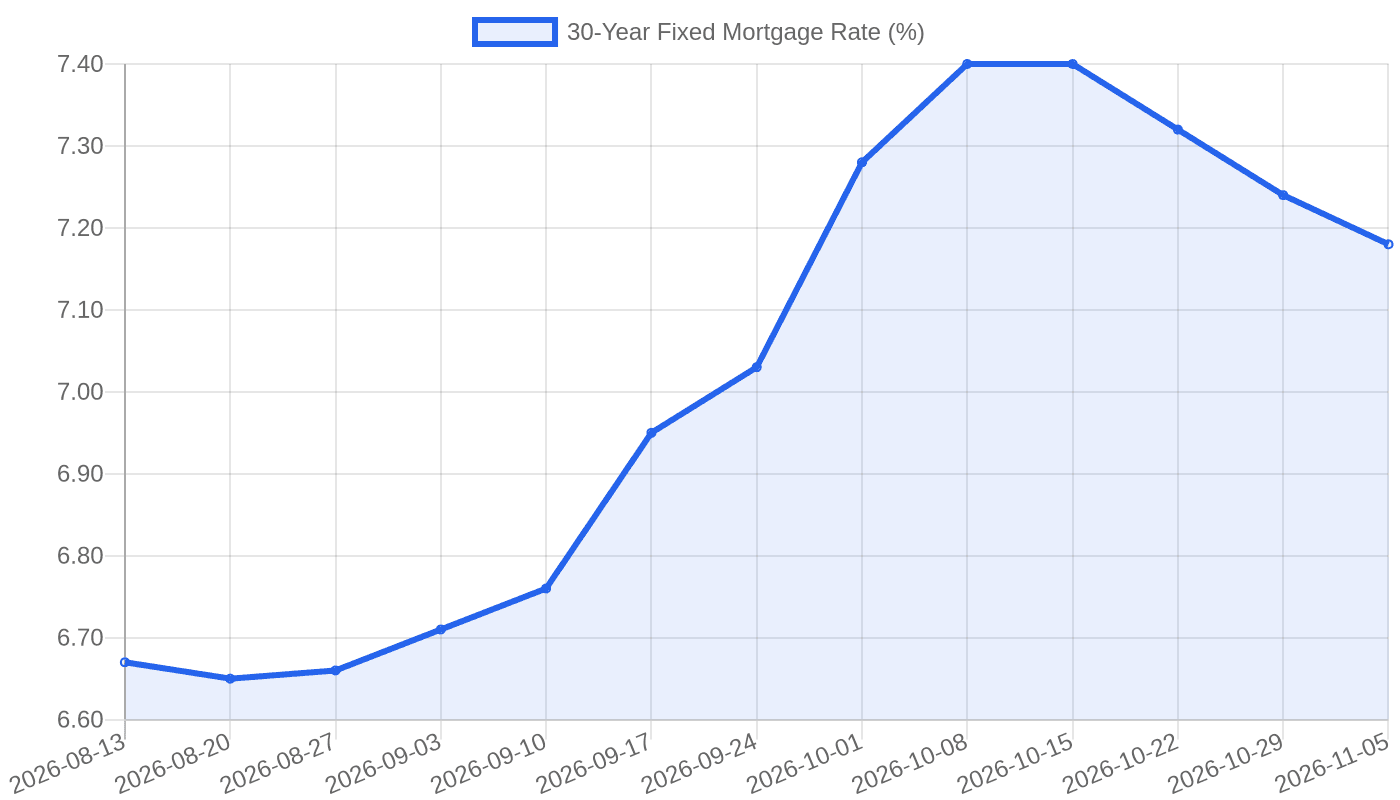
That rate path matters for lead generation in a very practical way. High rates lock in homeowners with cheap existing mortgages, so they don't list. But they also squeeze owners with adjustable loans, balloon payments, or inherited properties. Those are your people.
Meanwhile, prices have been easing. The median sales price of houses sold dropped to $393,300 by July 1, 2026, down from $435,400 in July 2023.
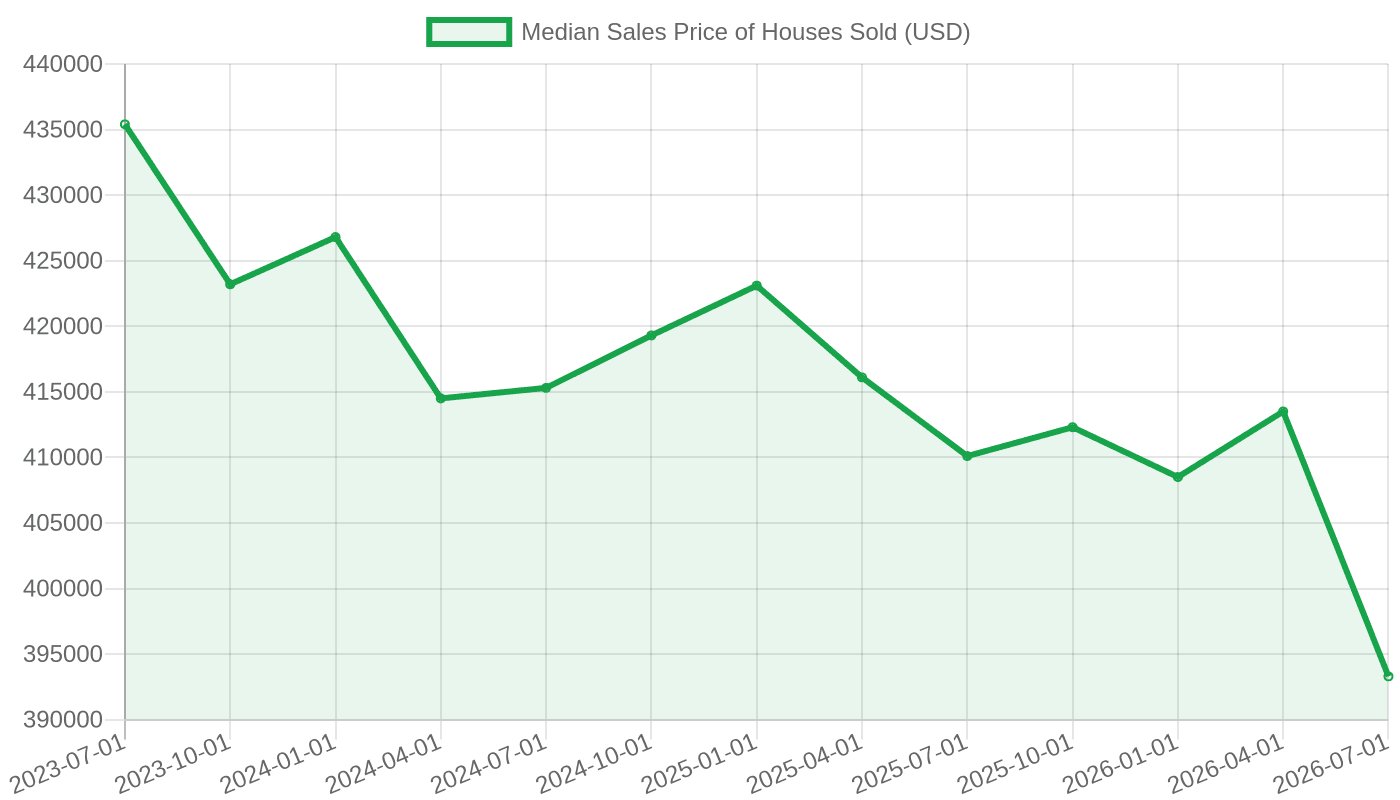
Falling prices mean less equity for some sellers — and less room for retail listings to bail them out. That pushes more owners toward off-market options like yours.
And homes are sitting longer. Median days on market reached 63 as of October 1, 2026, after dipping to 52 in April and May.
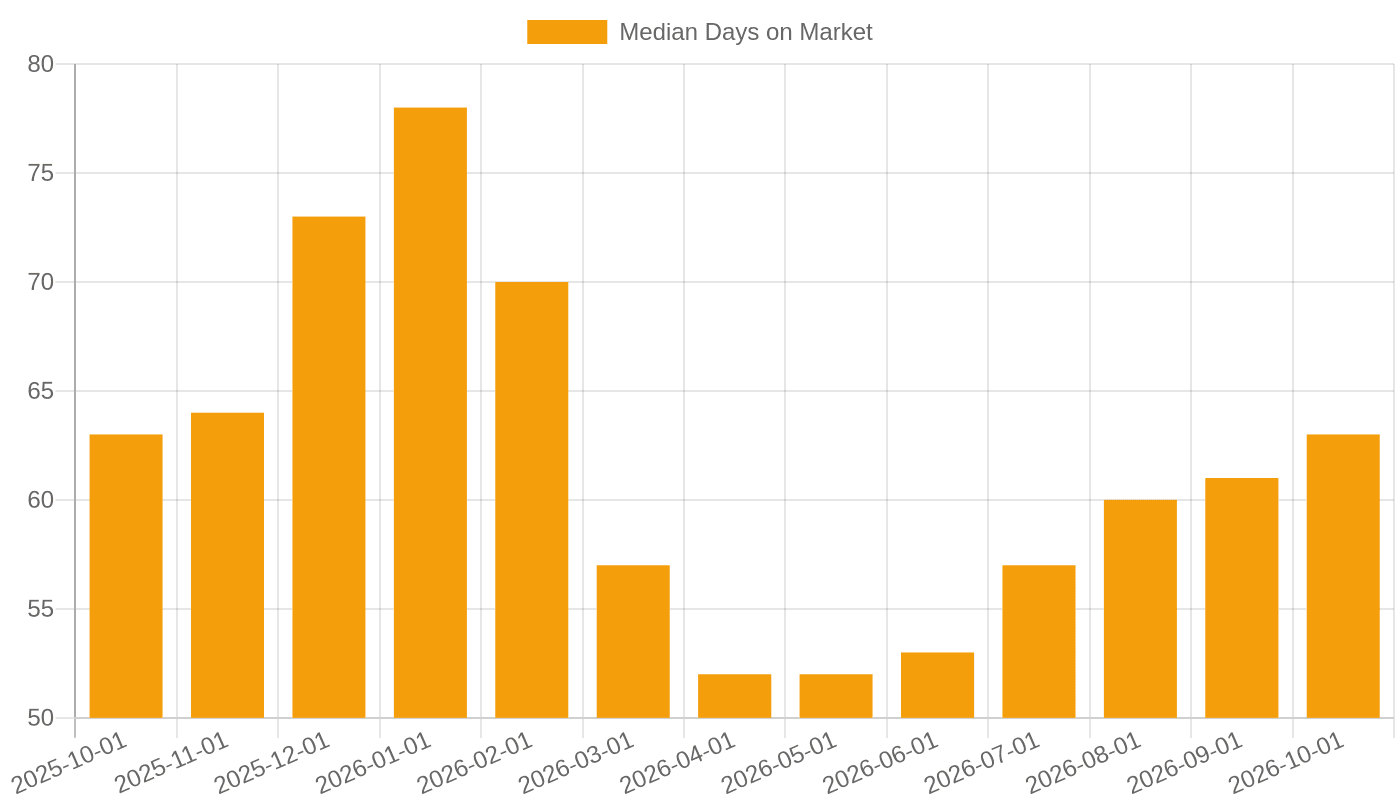
A home that's been listed for two months is a home whose owner is getting nervous. That's a lead source hiding in plain sight.
The 7 lead sources that actually convert
Here they are, ranked by how reliably they turn into conversations with motivated sellers. None of these require a huge budget to start.
1. Direct mail to a targeted list
Direct mail still converts because it reaches owners who aren't searching online. The key word is targeted. Pull lists by situation — pre-foreclosure, probate, expired listings, high-equity out-of-state owners — not by zip code alone.
Send a small, consistent batch every week. Track response by list type, not by campaign. Most wholesalers quit at the exact point where the list starts working.
2. Cold calling with a real script
Cold calling converts when you lead with empathy instead of an offer. Owners in distress don't want to hear your pitch in the first ten seconds. They want to know you understand the situation.
Build a short script with three parts: a reason for the call, a question about the property, and a low-pressure next step. Then practice it until it sounds like a conversation, not a read.
3. SMS and ringless voicemail follow-up
Text and voicemail work best as follow-up, not first contact. They keep you in front of a lead who already heard from you once. Keep messages short, identify yourself, and always give an easy way to opt out.
4. Paid lead marketplaces
Marketplaces sell you leads that have usually been sold to several investors at once. They can work for speed, but the conversion rate depends entirely on how fast you respond. If you can't call within minutes, skip them.
5. Driving for dollars and local networking
This is the cheapest source and the most underrated. Vacant houses, overgrown lawns, and out-of-state plates on a tired property are all signals. Pair what you see with a skip trace and you have a warm, specific lead.
Local networking — REI meetups, title company events, contractor referrals — feeds you leads with built-in trust. A referral from a contractor who's seen the inside of the house is worth ten cold names.
6. Inbound content and a simple website
Inbound works slowly and compounds. A one-page site that says "we buy houses in [your market]" plus a short form is enough to start. Add content that answers real seller questions — probate, divorce, inherited homes, repairs — and the leads come to you pre-qualified.
7. Data-driven list building with software
This is where the directory comes in. The Wholesale REI directory tracks 65 software tools across 9 categories, and 8 of them sit in the lead generation category specifically. These tools pull property data, flag distressed owners, and build lists you can act on the same day.
How do you choose the right lead source for your market?
Start with your market's days on market and your own follow-up capacity, not with the cheapest cost per lead. If homes are sitting longer, list-based and direct mail sources get stronger. If inventory is tight, networking and referrals carry more weight.
Use this quick comparison to match a source to your situation:
| Lead source | Best for | Speed to first conversation | Typical cost level |
|---|---|---|---|
| Direct mail (targeted list) | Owners not searching online | Slow (weeks) | Medium |
| Cold calling | Motivated owners with a phone number | Fast (same day) | Low |
| SMS / voicemail | Following up on existing leads | Fast | Low |
| Paid marketplaces | Speed and volume | Fastest | High |
| Driving for dollars | Local, low-budget starters | Medium | Very low |
| Inbound content | Long-term, pre-qualified leads | Slow (months) | Low |
| Data-driven software lists | Building precise, repeatable lists | Fast | Medium |
Notice that the fastest sources aren't the cheapest, and the cheapest aren't the fastest. Most successful wholesalers run two or three at once — one fast source for cash flow and one slow source for compounding.
Match the source to the seller's situation
A probate lead responds to mail and patience. A pre-foreclosure lead responds to a phone call and urgency. An expired listing responds to a text within an hour of the listing dying.
The source should follow the situation, not the other way around. Build your list by situation first, then pick the channel that fits it.
What software helps with real estate investing lead generation?
Lead generation software helps you build targeted lists, skip trace owners, and manage outreach in one place. The right tool depends on whether you need raw data, list building, or a full CRM with dialing built in.
Here's how to think about the categories:
- Data and list building — pull property records, ownership, and distress signals into a clean list.
- Skip tracing — turn an address into a phone number and email you can actually use.
- Outreach and dialing — call, text, and track conversations without juggling tabs.
- CRM and pipeline — keep every lead moving through stages so nothing goes cold.
If you're comparing options, browse the lead generation category to see what's tracked side by side. With 8 tools in that category alone, you can compare features before committing to a subscription.
A simple weekly workflow that works
- Pull a fresh list of 100–200 targeted owners.
- Skip trace the list and clean out bad numbers.
- Call the new numbers first, then the follow-ups from last week.
- Send mail to anyone you couldn't reach by phone.
- Log every outcome so next week's calls start smarter.
That's it. No fancy funnel. Just a repeatable loop that gets sharper every week.
How do you make leads convert once you have them?
You convert leads by following up more times than feels comfortable and by tracking where each lead came from. Most deals close on the fifth or sixth touch, not the first. If you stop at two, you're leaving money in the pipeline.
Three habits separate wholesalers who convert from those who collect names:
- Respond fast. Speed beats polish every time.
- Follow up on a schedule. Day 1, day 3, day 7, day 14, then monthly.
- Track source to contract. If a source never produces a contract, cut it and move the budget.
And practice the conversation itself. A great list with a shaky phone call still loses the deal.
The Bottom Line
Real estate investing lead generation comes down to matching a source to a seller's real situation — and then following up longer than everyone else. With rates at 7.18%, prices easing to $393,300, and homes sitting 63 days, motivated sellers are out there right now.
Your next step: pick one fast source and one slow source, then compare the tools that support them in the lead generation category. Before you dial, run a few practice calls against a realistic AI seller with our free AI Cold Call Trainer — it takes no signup to start.
Frequently Asked Questions
What is the best lead source for real estate investors?
There's no single best source — the strongest results usually come from pairing one fast source like cold calling with one slow, compounding source like direct mail or inbound content. Match the source to the seller's situation, then track which one actually produces contracts.
How many times should you follow up with a motivated seller lead?
Plan for at least five or six touches before you expect a deal. Most conversions happen after several contacts, so a scheduled follow-up cadence (day 1, 3, 7, 14, then monthly) beats a one-time call.
Does the current mortgage rate affect lead generation?
Yes. With the 30-year fixed rate at 7.18% as of November 5, 2026, many owners with low existing mortgages stay put, while owners facing payment pressure become more motivated. That shifts which lists and channels pay off.
How many lead generation tools are available for wholesalers?
The Wholesale REI directory tracks 8 dedicated lead generation tools out of 65 total software tools across 9 categories. That gives you room to compare data, skip tracing, dialing, and CRM features side by side.
Is driving for dollars still worth it?
Yes, especially when you're starting on a tight budget. It's the cheapest source and produces highly specific leads, and pairing what you find with a skip trace turns a drive-by into a callable lead.
How do I know which lead source to cut?
Track every lead from source to contract. If a source hasn't produced a contract after a fair test period, move that budget to the source that is converting.
Sources
- Software tools tracked in the Wholesale REI directory — Wholesale REI directory
- Tool categories in the Wholesale REI directory — Wholesale REI directory
- Lead Generation tools tracked in the directory — Wholesale REI directory
- 30-Year Fixed Mortgage Rate (as of 2026-11-05) — FRED (Federal Reserve Bank of St. Louis)
- Median Sales Price of Houses Sold (as of 2026-07-01) — FRED (Federal Reserve Bank of St. Louis)
- Median Days on Market (as of 2026-10-01) — FRED (Federal Reserve Bank of St. Louis)
This article was researched and drafted with AI assistance, then reviewed and edited by Mark Anthony. Every statistic is sourced and cited. It's for informational purposes only and is not financial or legal advice. Read our editorial policy.