7 Mistakes to Avoid When Reading Real Estate Wholesaling Books


You've read the wholesaling books, highlighted every page, and still feel stuck. The problem isn't the books—it's how you're reading them. Avoid these 7 mistakes to turn knowledge into contracts and cash.
Key Takeaways
- Wholesaling books teach timeless principles, but you must adapt them to your local market's numbers.
- The median US home price is $410,700, and the 30-year mortgage rate is 6.71%—use these to sanity-check deals.
- Most books skip the tech stack; tools like PropStream and GoHighLevel are essential for modern wholesaling.
- Reading without action is the #1 mistake—apply one concept per chapter immediately.
- Track your leads and follow-up diligently; books can't do that for you.
What Are Real Estate Wholesaling Books?
Real estate wholesaling books are guides that teach you how to find distressed properties, negotiate contracts, and assign them to buyers for a fee—without using your own money. They cover everything from marketing to closing, and they're a cheap way to learn the business. But they're only as good as your ability to apply them.
Why Do Wholesalers Fail Even After Reading Books?
Wholesalers fail because they read passively, not actively. They don't adapt the strategies to their market, they skip the tech tools, and they never practice the scripts. You can read 50 books, but if you don't make offers, you'll never close a deal.
The Knowledge-Action Gap
Most books give you a framework, but your market is unique. For example, a book might say "offer 70% of ARV minus repairs," but if your local median home price is $410,700 (the national median as of April 2026), you need to adjust that formula to your area. The national median sales price is a great starting point, but your city could be higher or lower.
Market Conditions Change
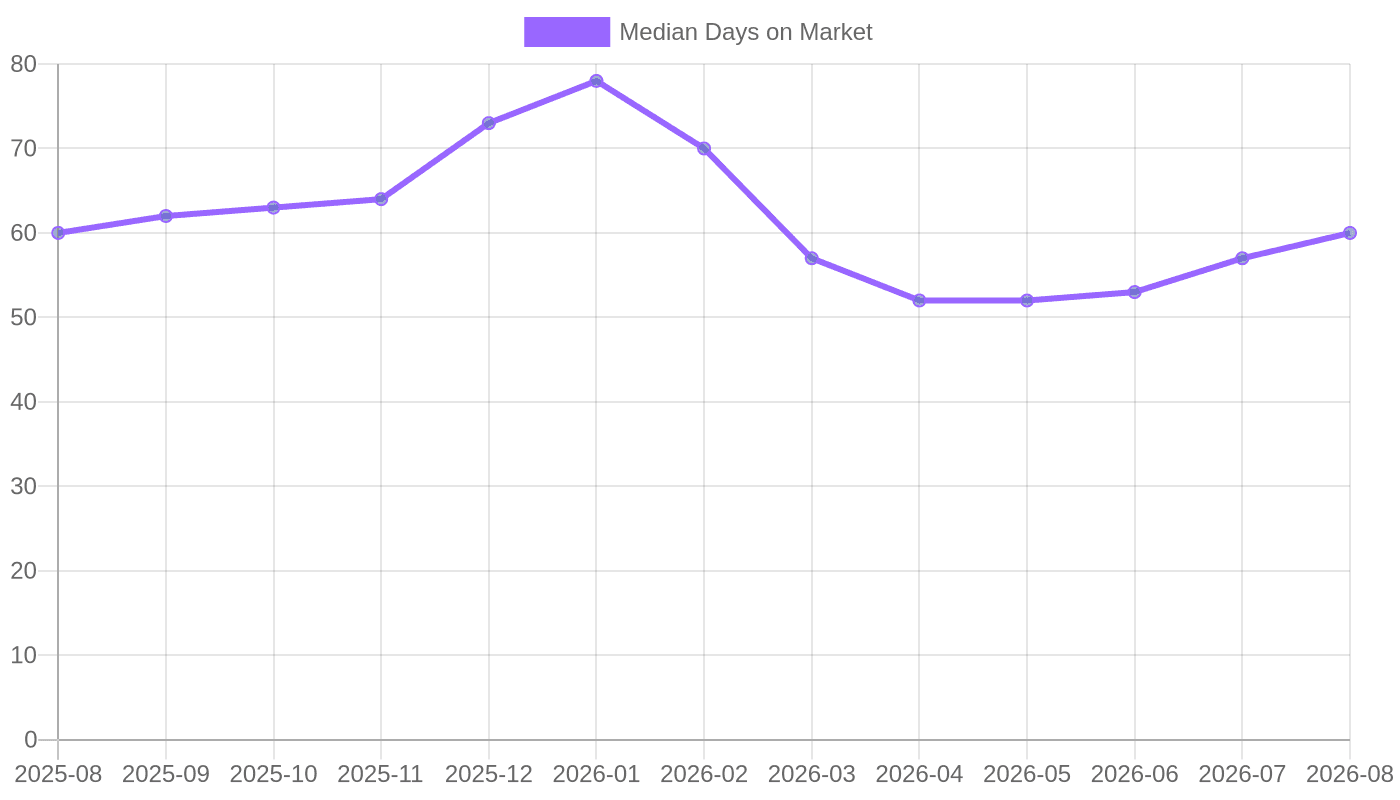
Books often become outdated. Interest rates, days on market, and prices shift. Right now, the 30-year fixed mortgage rate is 6.71% (as of September 3, 2026), and the median days on market is 60 days (as of August 1, 2026). These numbers affect your buyer pool and your exit strategy. A book written in 2020 might not account for today's higher rates.
Mistake #1: Reading Without a Pencil (or a Spreadsheet)
If you're not taking notes and creating checklists, you're wasting your time. The best wholesalers turn every chapter into an action item. When you read about a marketing strategy, write down the exact steps you'll take next week. When you see a negotiation script, highlight it and then practice it out loud.
Create a Deal Checklist
Use the book's advice to build a checklist for each deal. For example, a typical checklist might include:
- Determine ARV using comps
- Estimate repair costs
- Calculate max allowable offer (MAO)
- Find a buyer before signing
- Assign the contract
This checklist becomes your standard operating procedure.
Mistake #2: Ignoring Your Local Market Data
Books give you national averages, but you need local numbers. The median US home price is $410,700, but your city might be $250,000 or $600,000. The median days on market is 60 days nationally, but your area could be faster or slower. Use tools like PropStream to pull local comps, days on market, and owner information.
How to Find Your Market's Numbers
- Use PropStream to run comps in your target neighborhoods
- Check the local MLS for days on market
- Talk to a real estate agent for off-market trends
This local data is what makes a book's strategy work for you.
Mistake #3: Skipping the Tech Stack
Many wholesaling books were written before modern software. They might tell you to use the county records or cold call from a phone book. But today, you need tools to scale. The Wholesale REI directory tracks 65 software tools across 9 categories—everything from lead generation to CRM to skip tracing. If you're not using a CRM like GoHighLevel, you're losing deals.
Essential Tools for Wholesalers
- PropStream: For property data, comps, and skip tracing
- GoHighLevel: For CRM, follow-up automation, and pipelines
- CallTools: For power dialing and call tracking
- Launch Control: For marketing campaigns and lead management
These tools aren't optional; they're how you compete.
Mistake #4: Not Practicing the Scripts
Books give you scripts for talking to sellers and buyers, but if you don't practice them, you'll freeze on the phone. The best way to practice is to role-play with a partner or use a tool that simulates a seller. You can even try our free AI Cold Call Trainer to practice your pitch against a realistic AI seller—it's free and takes no signup to start. This kind of practice builds confidence and helps you handle objections.
Why Practice Matters
When you're on a real call, you need to sound natural, not like you're reading from a book. Practicing helps you internalize the script so you can adapt when a seller throws a curveball.
Mistake #5: Overlooking the Follow-Up System
Books often mention that follow-up is key, but they don't give you a system. You need a CRM that tracks every lead and schedules follow-ups automatically. GoHighLevel can automate texts and emails, so no lead falls through the cracks. Without a system, you're relying on memory, and that's a recipe for missed deals.
Set Up Your Follow-Up Pipeline
- Every lead goes into your CRM
- Set reminders for day 1, day 3, day 7, day 30
- Use automated texts and emails
- Track your response rates
This system ensures you're always on top of your leads.
Mistake #6: Not Understanding the Numbers Behind the Deals
Wholesaling is a numbers game. You need to understand ARV, repairs, and your profit margin. A book might say "aim for a $10,000 assignment fee," but you need to calculate it based on your market. The national median home price is $410,700, but if you're wholesaling in a lower-priced area, your fee will be lower.
The 70% Rule
Many books teach the 70% rule: offer no more than 70% of ARV minus repairs. But with today's rates at 6.71%, you might need to adjust to 65% or even 60% to leave room for the buyer's profit. Let's look at how the mortgage rate has changed recently.
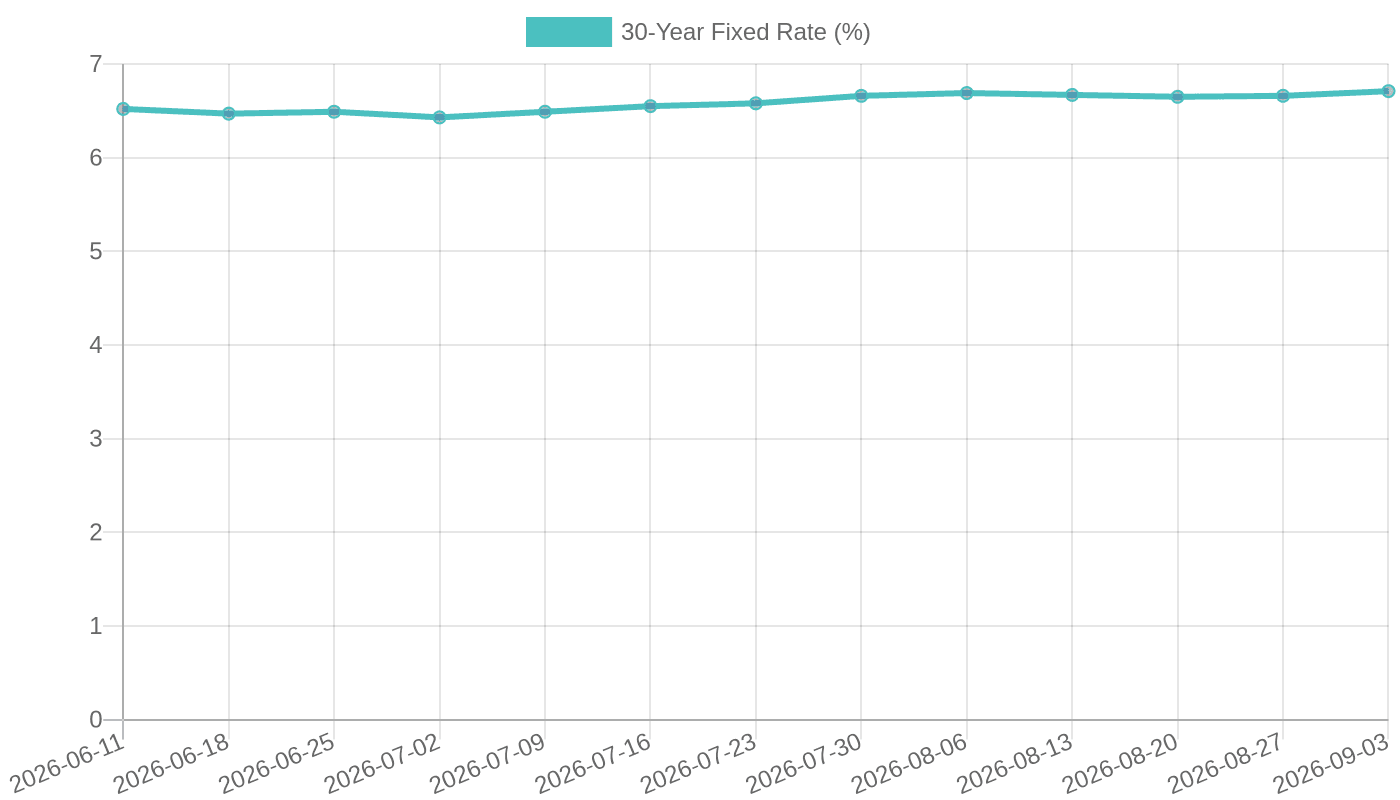
As you can see, rates have been climbing, which means buyers are more cautious. You need to price your deals accordingly.
Days on Market Matters
Similarly, the median days on market is 60 days nationally, but it varies by season. In December 2025, it was 73 days, but by April 2026, it dropped to 52 days. This affects your exit strategy—if homes sit longer, you need a bigger margin.
Mistake #7: Not Adapting to Current Market Conditions
Books are a snapshot of when they were written. The market changes, and you must adapt. For example, the median sales price has fluctuated over the past few years. In April 2023, it was $418,500; by April 2026, it was $410,700. That's a slight decline, but in some areas, prices have dropped more.
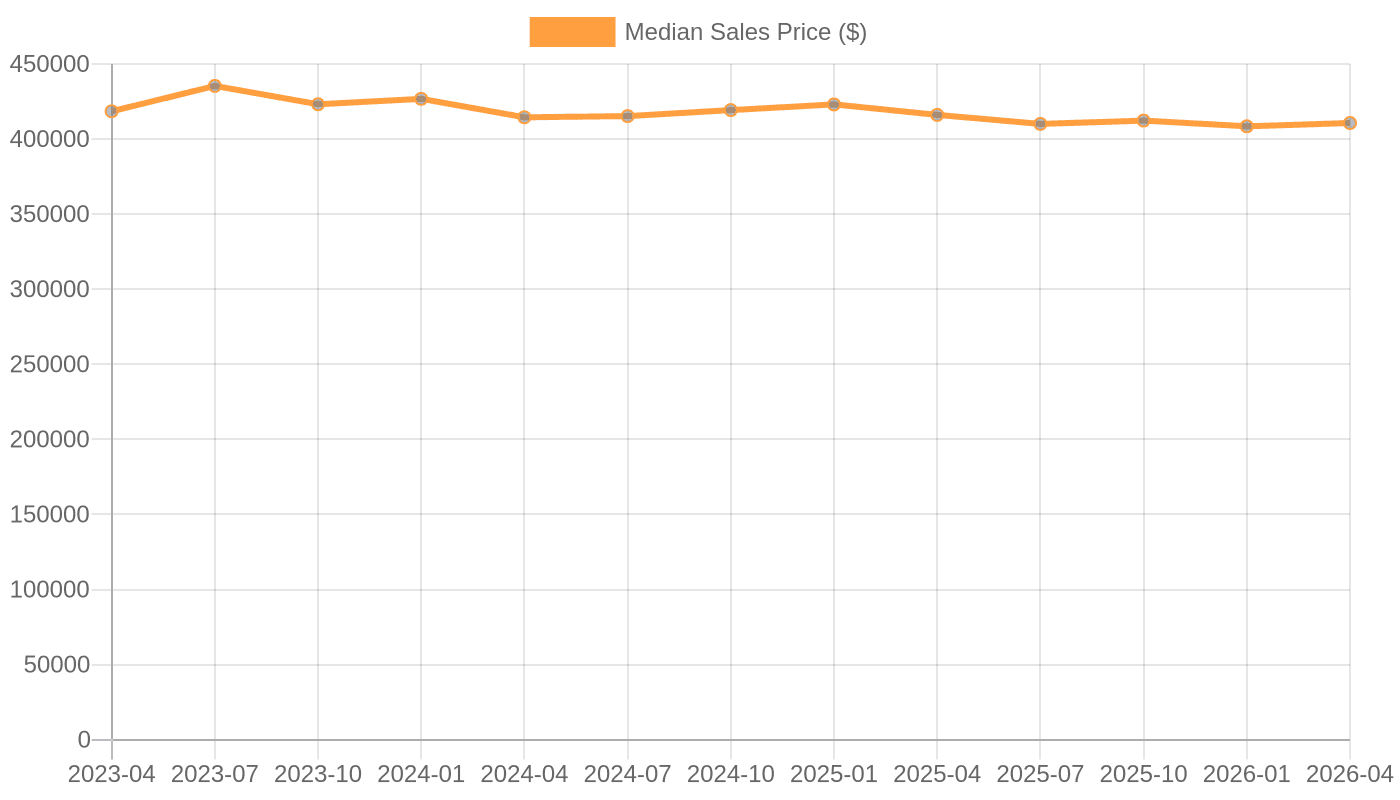
If you're using a book that assumes prices always go up, you'll overpay for deals. Always check current trends.
How to Stay Current
- Read market reports from local real estate associations
- Follow the FRED data for national trends
- Network with other wholesalers
How to Apply Wholesaling Books to Your Business
Reading is just the start. Here's a step-by-step plan to apply what you learn:
- Choose one book that covers the basics, like "The Book on Flipping Houses" or "Wholesaling Real Estate."
- Read with a notebook and write down every actionable tip.
- Create a checklist for your deal process.
- Set up your tech stack—get a CRM, data tool, and dialer.
- Practice your scripts with a partner or the AI trainer.
- Run your numbers using local comps and current rates.
- Take action—make offers, even if they're low.
Best Books for Wholesalers (and How to Read Them)
Some books are better than others. Here's a quick comparison of popular titles:
| Book | Focus | Best For |
|---|---|---|
| "The Book on Flipping Houses" | Flipping and wholesaling | Beginners |
| "Wholesaling Real Estate" | Step-by-step wholesaling | New wholesalers |
| "The Real Estate Wholesaling Bible" | Advanced strategies | Experienced wholesalers |
Read them in order, but always apply the principles to your market.
Common Misconceptions About Wholesaling Books
Myth: Books Make You an Expert Overnight
No book can replace experience. You need to make calls, make offers, and make mistakes.
Myth: One Book Has All the Answers
Each book covers a piece of the puzzle. Combine knowledge from several sources.
Myth: Books Are Outdated
While some strategies change, the core principles of negotiation and marketing remain. Use books for the fundamentals, then adapt.
The Bottom Line
Wholesaling books are valuable, but only if you read them actively and apply the lessons to your market. Avoid these 7 mistakes, and you'll be ahead of most readers. Your next step: pick one book, create your checklist, and set up your tech stack. And if you want to practice your pitch, try our free AI Cold Call Trainer—it's a no-risk way to sharpen your skills before you hit the phones.
Frequently Asked Questions
What is the biggest mistake when reading wholesaling books?
The biggest mistake is reading passively without taking action. You need to apply each concept to your market, create checklists, and practice scripts.
How do I adapt wholesaling book strategies to my local market?
Use local data from tools like PropStream to find your area's median home price, days on market, and repair costs. Adjust the book's formulas, like the 70% rule, to fit your numbers.
Why do I need software tools if I've read wholesaling books?
Books teach principles, but software helps you scale. Tools like GoHighLevel for CRM and PropStream for data automate lead tracking and property research, which are essential for modern wholesaling.
How can I practice wholesaling scripts from books?
Role-play with a partner or use a simulation tool like our free AI Cold Call Trainer. Practicing out loud helps you internalize scripts and handle objections naturally.
What are the best wholesaling books for beginners?
Popular titles include 'The Book on Flipping Houses' and 'Wholesaling Real Estate.' They cover the basics, but always combine them with current market data and software tools.
How often should I read wholesaling books?
Read continuously, but focus on one book at a time and implement its strategies before moving on. Re-read key sections when market conditions change.
Sources
- 30-Year Fixed Mortgage Rate (as of 2026-09-03) — FRED (Federal Reserve Bank of St. Louis)
- Median Sales Price of Houses Sold (as of 2026-04-01) — FRED (Federal Reserve Bank of St. Louis)
- Median Days on Market (as of 2026-08-01) — FRED (Federal Reserve Bank of St. Louis)
- Software tools tracked in the Wholesale REI directory — Wholesale REI directory
- Tool categories in the Wholesale REI directory — Wholesale REI directory
This article was researched and drafted with AI assistance, then reviewed and edited by Mark Anthony. Every statistic is sourced and cited. It's for informational purposes only and is not financial or legal advice. Read our editorial policy.