Assignment of Contract Agreement Real Estate: Template


You found a motivated seller, locked up the house under contract, and now you need to get paid without ever owning it. That is exactly what an assignment of contract does — and the agreement is the piece that makes it legal.
Key Takeaways
- An assignment of contract transfers your rights as a buyer to another buyer, usually for a non-refundable assignment fee.
- The assignment fee is whatever you negotiate — the contract price stays the same, and your end buyer pays it at closing.
- The agreement needs the original contract details, the fee amount, the closing date, and clear language that you are assigning, not selling the property.
- A clean template plus a signed original purchase contract is your whole paper trail.
- The Wholesale REI directory tracks 65 software tools across 9 categories, so you can pair your template with a CRM and lead-data stack that keeps deals moving.
What is an assignment of contract in real estate?
An assignment of contract is a written agreement where you transfer your rights and obligations as the buyer under a purchase contract to another buyer, in exchange for a fee. You stay in the middle of the deal without ever taking title.
Here is the plain-English version.
You sign a purchase contract with a seller. That contract gives you the right to buy the house at an agreed price. Instead of closing yourself, you find another investor who wants the deal. You assign your rights to them. They close. You collect your fee.
The seller still gets their price. The end buyer gets the property. You get paid for finding and locking up the deal.
The three parties in every assignment
- The seller — the homeowner who signed your original purchase contract.
- You, the assignor — the wholesaler who controls the contract and is selling your position.
- The end buyer, or assignee — the investor who steps into your shoes and closes.
Why wholesalers use assignments
Assignments let you profit without cash for a down payment, without a lender, and without owning the property. Your job is finding the deal and negotiating the contract. The end buyer's job is closing it.
That is the whole model. And the assignment agreement is what documents your fee so it actually gets paid at the closing table.
What should an assignment of contract agreement include?
A solid assignment agreement includes the original purchase contract details, the assignment fee, the closing date, and language that clearly transfers your rights to the assignee. Miss any of those and you can stall your own payday.
Here is what to put in yours.
1. Names and contact info for all parties
List the assignor (you), the assignee (your end buyer), and reference the original seller. Include addresses and phone numbers so the title company can reach everyone.
2. The original purchase contract
Reference the contract by date and property address. Attach a copy as an exhibit. The title company needs to see the exact terms you are assigning.
3. The assignment fee
State the fee in dollars and call it non-refundable. This is your profit. Spell out who pays it and when — usually the assignee, at closing, out of the closing proceeds.
4. The closing date and location
Match the closing date in your original contract, or state a new agreed date. Name the title company or closing attorney handling the file.
5. The assignment clause
Include a sentence that says you are assigning all of your rights, title, and interest in the purchase contract to the assignee. This is the legal engine of the whole document.
6. Earnest money language
Say who is responsible for the deposit and what happens to it if the deal falls apart. Ambiguity here causes most assignment disputes.
7. Signatures and date
Both you and the assignee sign and date it. Get it notarized if your state or title company asks for it.
How do you fill out an assignment of contract template?
You fill it out by pulling the exact terms from your original purchase contract, plugging them into the template, and having both you and your end buyer sign before closing. It takes about 15 minutes once you have the details in front of you.
Here is the step-by-step.
- Open your original purchase contract. Copy the property address, seller name, purchase price, and closing date exactly as written.
- Enter your info as the assignor. Your name or your entity name, plus your address.
- Enter your end buyer's info as the assignee. Full legal name, address, and contact details.
- Fill in the assignment fee. Write the dollar amount and mark it non-refundable.
- Set the closing date and title company. Use the same title company from the original contract when possible — it keeps the file clean.
- Add the assignment clause. One clear sentence transferring your rights.
- Review earnest money terms. State who holds the deposit and what happens if the assignee backs out.
- Sign, date, and deliver. Send a copy to your title company and keep one for your records.
A quick example
Say you contract a house at $180,000. You find an end buyer who will pay $190,000. You assign the contract for a $10,000 fee. At closing, the seller gets $180,000, you get $10,000, and the end buyer takes the property for $190,000 total.
That is the math. Simple on paper, and the assignment agreement is what locks it in.
How does an assignment of contract work at closing?
At closing, the title company pays the seller their contract price, pays you your assignment fee, and transfers the property to your end buyer. You never take title, and you never need a loan.
Here is the sequence.
- You and the assignee sign the assignment agreement.
- You deliver it to the title company along with the original purchase contract.
- The title company prepares closing documents showing the assignment fee as a line item.
- The end buyer funds the deal.
- The seller is paid, you are paid, and the deed goes to the end buyer.
Why the title company matters so much
Your title company is the referee. They make sure the fee gets paid and the paperwork lines up. Build a relationship with one good closing officer and your assignments will run smoother.
What if the end buyer walks?
If your assignee backs out, you still control the original contract. You can find another buyer, renegotiate with the seller, or close it yourself if you have the funds. This is why the non-refundable fee language matters — it protects you when you have already done the work.
Why assignment deals are getting more common right now
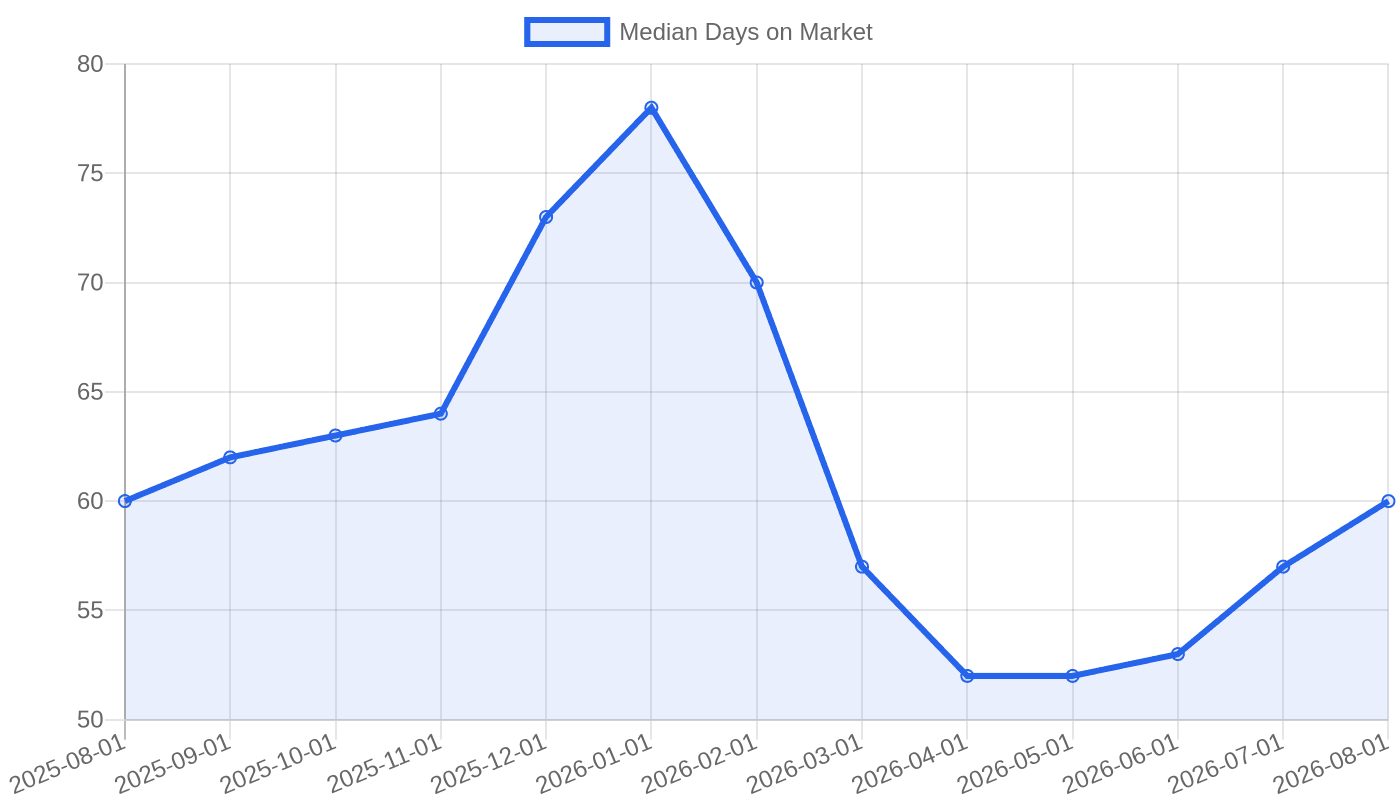
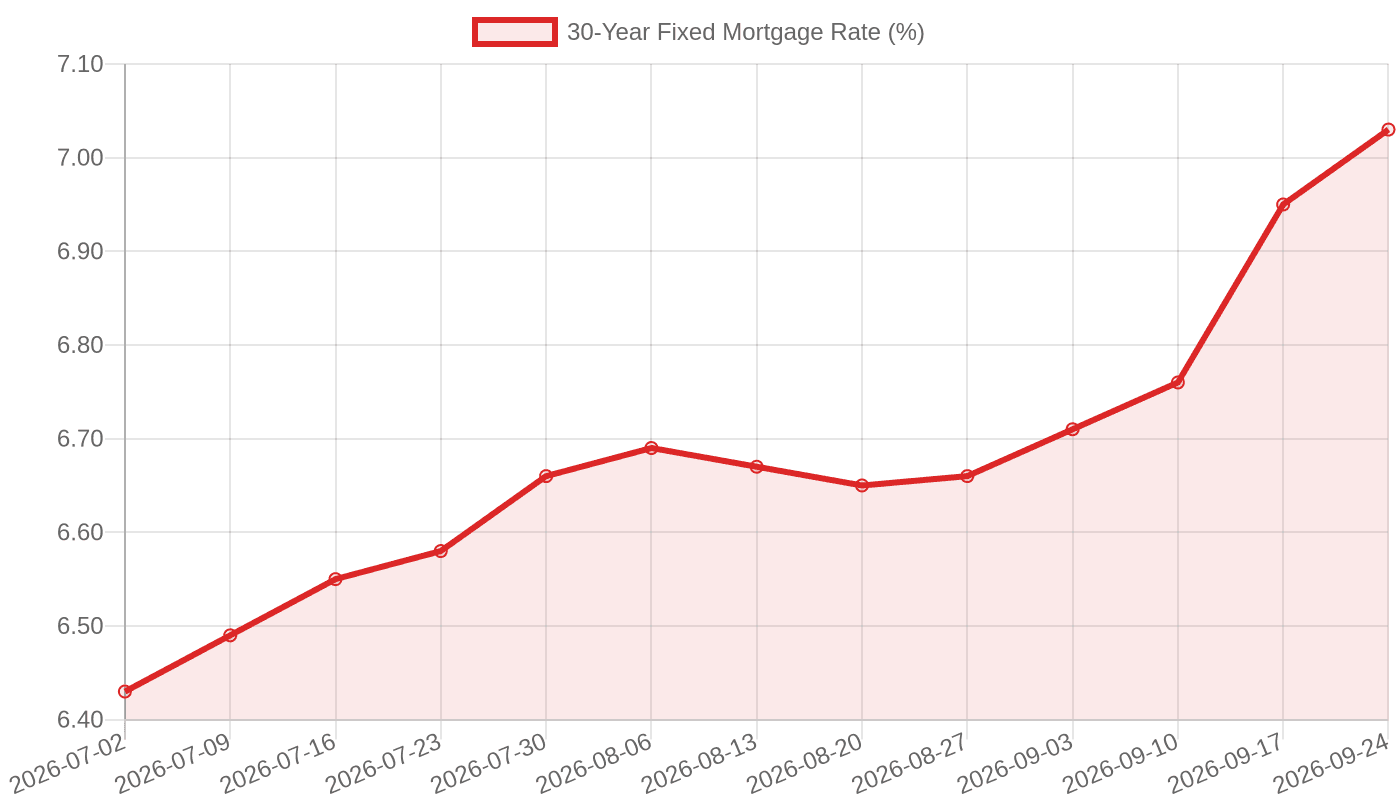
Assignment deals are getting more common because higher rates and slower sales push more sellers toward flexible, off-market buyers. When homes sit longer, sellers get more open to creative terms.
Look at the national numbers.
Median days on market sat at 60 days as of 2026-08-01, up from a low of 52 days in April and May of 2026. That is a market where listings linger and sellers start listening.
The 30-year fixed mortgage rate climbed to 7.03% as of 2026-09-24, up from 6.43% in early July. Higher rates thin out retail buyers, which pushes more sellers toward investors who can close fast.
Meanwhile, the median sales price of houses sold was $410,700 as of 2026-04-01 — still high, but down from the 2023 peak. Sellers who bought near the top may need an exit that a traditional listing cannot deliver quickly.
That combination — slower sales, higher rates, and sticky prices — is the assignment wholesaler's opening.
Assignment vs. double closing: which should you use?
An assignment is simpler and cheaper, while a double closing hides your profit from the seller but costs more and requires two transactions. Most wholesalers start with assignments and move to double closings when a seller will not allow assignment.
Here is the side-by-side.
| Feature | Assignment of Contract | Double Closing |
|---|---|---|
| Number of closings | One | Two |
| Who sees your fee | Seller usually sees the assignment | Seller does not see your fee |
| Cost | Lower — one closing | Higher — two closings, two sets of fees |
| Funding needed | None | Often needs transactional funding |
| Speed | Fast | Slower |
| Best for | Cooperative sellers, clean deals | Sellers who refuse assignment clauses |
When to pick an assignment
Pick an assignment when the seller is fine with it and your contract allows it. It is the fastest, cheapest path to your fee.
When to pick a double closing
Pick a double closing when the seller will not sign off on an assignment, or when you want to keep your fee private. Just budget for the extra cost.
Is an assignment of contract legal?
Yes, assigning a real estate contract is legal in most states, but some states and some contracts restrict it. Always check your state rules and read your purchase contract's assignment clause before you market the deal.
Here is what to watch for.
- Your purchase contract. Some contracts ban assignment or require seller consent. Read that clause first.
- State law. A handful of states regulate or restrict assignment fees. Know your state.
- Disclosure. If your contract or state requires you to disclose the assignment to the seller, do it. Hiding it can kill the deal.
- Licensing. If you are marketing a property you do not own, make sure you are not crossing into unlicensed brokerage activity.
The safe habit
Put an assignment clause in every purchase contract you write. That way you keep the option open from day one.
What tools help you run assignment deals?
The right tools keep your contracts, leads, and follow-up organized so you are not chasing paperwork at the last minute. The Wholesale REI directory tracks 65 tools across 9 categories, from lead data to CRMs to dialers.
Here is how a simple stack fits together.
- Lead data — pull owner info, comps, and equity so you know which deals are worth contracting.
- CRM — track sellers, buyers, and every contract date so nothing slips.
- Dialer — call sellers and end buyers faster.
- Document storage — keep your assignment template and signed contracts in one place.
Where to start
Start with a lead-data tool and a CRM. Those two cover most of the work. Add a dialer once your call volume grows.
You can browse the full list in the directory and compare options side by side before you commit.
The Bottom Line
An assignment of contract is how you get paid for finding a deal without ever owning it — and a clean agreement is what makes the fee stick at closing. Grab a template, add an assignment clause to every purchase contract, and build a relationship with one good title company. Then compare the lead-data and CRM tools in the directory so your paperwork and your pipeline stay in sync.
Frequently Asked Questions
What is an assignment of contract in real estate?
It is a written agreement where you transfer your rights as the buyer under a purchase contract to another buyer, usually for a non-refundable fee. You never take title to the property — you get paid for finding and locking up the deal.
How much can you make on an assignment of contract?
The fee is whatever you negotiate with your end buyer. In a simple example, if you contract a house at $180,000 and assign it for $190,000, your assignment fee is $10,000, paid at closing.
Is an assignment of contract legal?
Yes, it is legal in most states, but some states and some purchase contracts restrict it. Always check your state rules and read your contract's assignment clause before you market the deal.
What is the difference between an assignment and a double closing?
An assignment uses one closing and the seller usually sees your fee. A double closing uses two closings, hides your fee from the seller, costs more, and often requires transactional funding.
What should an assignment of contract agreement include?
It should include the original purchase contract details, the assignment fee, the closing date and title company, an assignment clause transferring your rights, earnest money terms, and signatures from you and the assignee.
When does the wholesaler get paid on an assignment?
You get paid at closing. The title company pays the seller their contract price, pays you your assignment fee as a line item, and transfers the property to your end buyer.
Sources
- Software tools tracked in the Wholesale REI directory — Wholesale REI directory
- Tool categories in the Wholesale REI directory — Wholesale REI directory
- Median Days on Market (as of 2026-08-01) — FRED (Federal Reserve Bank of St. Louis)
- 30-Year Fixed Mortgage Rate (as of 2026-09-24) — FRED (Federal Reserve Bank of St. Louis)
- Median Sales Price of Houses Sold (as of 2026-04-01) — FRED (Federal Reserve Bank of St. Louis)
This article was researched and drafted with AI assistance, then reviewed and edited by Mark Anthony. Every statistic is sourced and cited. It's for informational purposes only and is not financial or legal advice. Read our editorial policy.