Assignment of Contract Real Estate in Florida: The Complete Guide

You found a motivated Florida seller, got the property under contract, and now you want to sell that contract to a cash buyer for a fee. That single move — assignment of contract real estate in Florida — is how many wholesalers get paid without ever taking title.
But Florida has its own rules, its own paperwork quirks, and its own way of taxing your profit. Get one detail wrong and your fee can vanish. Get it right and you can close in weeks.
Key Takeaways
- An assignment of contract lets you transfer your buyer's interest in a Florida purchase contract to an end buyer for a fee — you never take title.
- You need a written assignment agreement, a purchase contract that allows assignment, and a title company or attorney who handles assignments regularly.
- Florida charges documentary stamp tax on the full purchase price at closing, plus you may owe self-employment and income tax on your assignment fee.
- Marketing a property you don't own can trigger Florida's real estate broker licensing rules — work with an attorney and disclose your equitable interest.
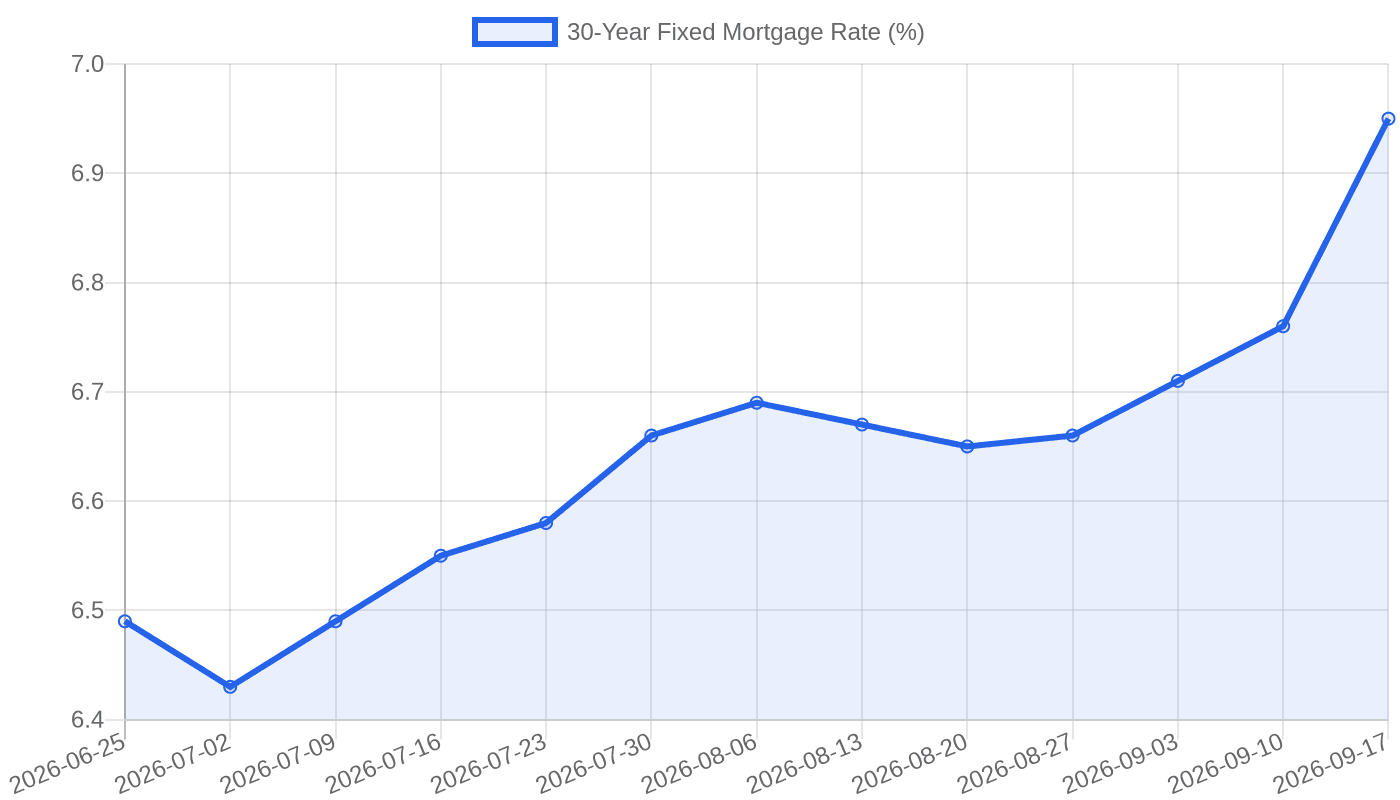
- The national median home sale price was $410,700 as of April 2026, and the 30-year fixed mortgage rate hit 6.95% by September 17, 2026 — both shape what buyers will pay for your contract.
What Is an Assignment of Contract in Real Estate?
An assignment of contract is the transfer of your rights and obligations under a real estate purchase agreement to another buyer, usually in exchange for a fee. In Florida, you sign a purchase contract with the seller, then sign a separate assignment agreement that hands your position to an end buyer.
You are not selling the house. You are selling your contractual right to buy the house.
That distinction matters for taxes, licensing, and how you get paid.
The Three Parties in a Florida Assignment
Every assignment has three players:
- The seller — the Florida homeowner who signed your purchase contract.
- You, the assignor — the wholesaler holding the contract.
- The end buyer (assignee) — the investor who steps into your shoes and closes.
When the deal closes, the end buyer pays the seller's price plus your assignment fee. The title company splits the money at the closing table.
Assignment vs. Double Closing
An assignment is not the same as a double closing.
- Assignment: You transfer the contract. The end buyer closes directly with the seller. One closing, one set of fees.
- Double closing: You buy the property, then immediately resell it. Two closings, two sets of fees, and you may need transactional funding.
Assignments are cheaper and faster. Double closings hide your profit from the seller's eyes and can work when the contract bans assignment.
Why Florida Is Different
Florida is a popular wholesaling state for a few reasons:
- It's a lien-theory state, so title issues get sorted at closing by a title agent or attorney.
- It has a deep pool of cash buyers, especially in markets like Tampa, Orlando, Jacksonville, and South Florida.
- It uses standardized FAR/BAR contracts that many title companies already understand.
But Florida also has strict unlicensed brokerage rules and a documentary stamp tax that applies to the full sale price. Those two facts trip up a lot of new wholesalers.
How Does Assignment of Contract Real Estate in Florida Work Step by Step?
It works in six steps: find the deal, sign a purchase contract with an assignability clause, market the contract to cash buyers, sign an assignment agreement, let the title company handle closing, and collect your fee. Here's the detail behind each one.
Step 1: Find a Motivated Seller
You need a seller who wants speed and certainty more than top dollar. Common sources:
- Driving for dollars and direct mail
- Cold calling expired listings and absentee owners
- Paid lead lists and skip tracing
- Referrals from probate attorneys and divorce lawyers
This is where most of your time goes. Deal flow is the whole game.
Step 2: Sign a Florida Purchase Contract
Use a contract that clearly allows assignment. The FAR/BAR "AS IS" Residential Contract for Sale and Purchase is common, but you must add an assignability clause or check the right box.
Your contract should include:
- Purchase price and deposit terms
- Inspection period (your due-diligence window)
- Closing date (30–45 days is typical)
- Assignability language naming you and "assigns"
- Access for inspections and walkthroughs
Never sign a contract that says "non-assignable" unless you plan to double close.
Step 3: Market the Contract to Cash Buyers
You're selling your position, not the house. Your buyer list is your inventory.
Build a cash buyer list by:
- Attending local REIA meetings in your metro
- Pulling recent cash sales from a data tool
- Networking with hard money lenders and fix-and-flip funds
- Posting deals in investor Facebook groups (carefully — see the licensing section)
Step 4: Sign the Assignment Agreement
Your assignment agreement should spell out:
- The original contract's date and property address
- The assignment fee amount
- The closing date and location
- That the assignee assumes all obligations
- That your fee is paid at closing from the buyer's funds
Get this reviewed by a Florida real estate attorney. It's cheap insurance.
Step 5: Close Through a Title Company or Attorney
In Florida, closings are usually handled by a title agency or a real estate attorney. Give them:
- The original purchase contract
- The signed assignment agreement
- The end buyer's info and proof of funds
They'll prepare the settlement statement, collect the buyer's money, pay the seller, and cut your assignment fee check.
Step 6: Get Paid
Your assignment fee is typically paid at closing from the buyer's funds. You don't need to bring cash to the table unless the deal is structured that way.
Most wholesalers get a wire or a check the same day the deal funds.
How Much Can You Make on a Florida Assignment?
There's no fixed number — your fee is whatever the spread supports. Most Florida wholesalers aim for $5,000 to $15,000 per deal, but the real ceiling is set by the property's equity and your buyer's numbers.
Here's how to think about it.
The Assignment Fee Formula
Your fee comes out of the gap between:
- What your end buyer will pay (their max allowable offer, or MAO)
- What the seller agreed to accept
If your buyer's MAO is $250,000 and your contract price is $230,000, your assignment fee is roughly $20,000 — minus any closing costs you agreed to cover.
What Sets the Ceiling
A few national numbers shape every Florida deal right now.
- The median sales price of houses sold nationally was $410,700 as of April 2026.
- The 30-year fixed mortgage rate climbed from 6.49% on June 25, 2026 to 6.95% by September 17, 2026.
When rates rise, retail buyers pull back and cash buyers gain leverage. That usually means wider spreads for wholesalers — but also more competition from other investors chasing the same deals.
Why Days on Market Matter to Your Fee
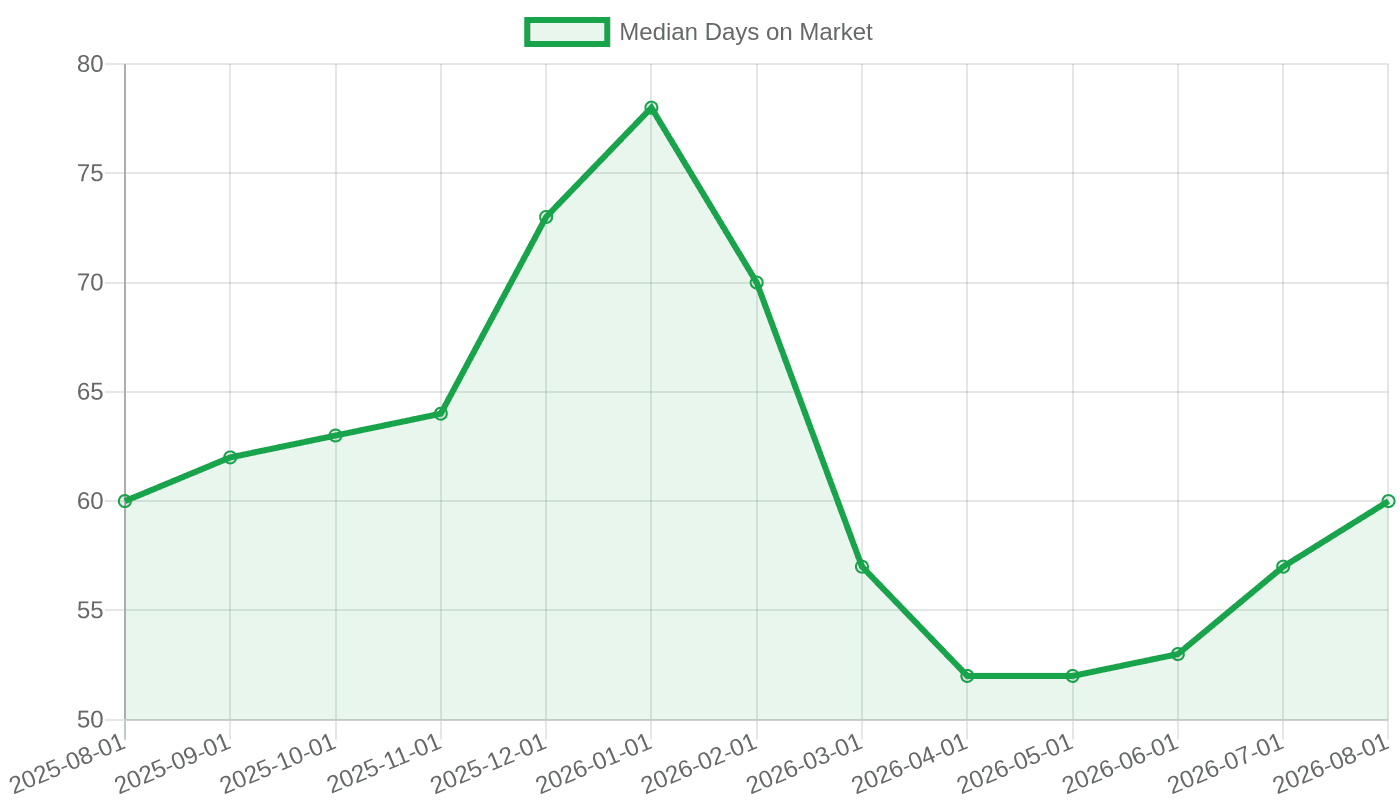
Median days on market nationally sat at 60 as of August 2026, up from a low of 52 in April and May 2026. Slower markets give you more negotiating room with sellers, because their listing may sit for weeks.
Is Assignment of Contract Legal in Florida?
Yes — assignment of contract is legal in Florida, as long as you don't act as an unlicensed real estate broker and you disclose your interest. The contract itself is a private agreement, and Florida law allows you to assign it unless the contract says otherwise.
But "legal" doesn't mean "no rules." Two Florida-specific issues deserve your attention.
Florida's Unlicensed Brokerage Rule
Florida Statute 475 governs real estate brokers and sales associates. If you market a property you don't own to the public and earn a fee for bringing a buyer and seller together, the state can argue you're acting as an unlicensed broker.
How wholesalers stay on the right side of the line:
- Market to your own buyer list, not the general public.
- Disclose your equitable interest in the property in every marketing piece.
- Work with a Florida real estate attorney who knows wholesaling.
- Avoid MLS listings and retail-facing advertising.
This is not legal advice. Talk to a Florida attorney before your first deal.
Disclosure Requirements
You should disclose, in writing:
- That you have a purchase contract and intend to assign it
- That you will earn a fee
- That the end buyer is buying your contract rights, not the property directly from you
Clear disclosure protects you and keeps the deal clean.
When Assignment Is Not Allowed
Some contracts and some sellers prohibit assignment. Watch for:
- "Non-assignable" clauses in the purchase contract
- HOA or condo rules that restrict transfers
- Government-backed sales (HUD, VA) with their own rules
- Short sales, where the lender must approve the buyer
If assignment is blocked, a double closing is often the fallback.
What Are the Costs and Taxes on a Florida Assignment?
Your main costs are the assignment fee split with any partners, closing costs you agreed to cover, and taxes on your profit. Florida also charges documentary stamp tax on the full purchase price at closing — not just on your fee.
Here's the breakdown.
Florida Documentary Stamp Tax
Florida charges documentary stamp tax on deeds and certain other documents. On a typical residential deed, the rate is $0.70 per $100 of consideration (with some county surtax variations).
On a $300,000 purchase, that's roughly $2,100 — paid at closing, usually by the buyer or as negotiated.
This tax applies to the full sale price, not your assignment fee. That's a key difference from some other states.
Income and Self-Employment Tax
Your assignment fee is ordinary income. Expect to pay:
- Federal income tax at your marginal rate
- Self-employment tax (15.3% on net earnings, up to the Social Security cap)
- State income tax — Florida has no personal income tax, which is a real advantage for wholesalers
Set aside 25–30% of every fee for taxes until you know your bracket.
Other Costs to Budget For
- Earnest money deposit — typically $500–$2,000, refundable if you exit during inspection
- Title and closing fees — often split with the buyer
- Attorney review — a few hundred dollars per contract
- Marketing — direct mail, cold calling, or paid lead lists
Assignment vs. Double Close: Cost Comparison
| Cost Item | Assignment | Double Close |
|---|---|---|
| Closings | 1 | 2 |
| Documentary stamp tax | On final sale price | On both transactions |
| Title fees | 1 set | 2 sets |
| Transactional funding | Usually not needed | Often needed |
| Speed to close | Faster | Slower |
| Seller visibility of your fee | Visible on HUD | Hidden |
For most Florida deals, assignment is cheaper and faster. Double close when the contract forbids assignment or you want to keep your spread private.
What Should Be in a Florida Assignment Contract?
A Florida assignment contract should identify the original purchase contract, the parties, the assignment fee, the closing terms, and the assignee's assumption of obligations. Keep it short, clear, and attorney-reviewed.
Core Clauses to Include
- Recitals — reference the original purchase contract by date and property address.
- Assignment — you assign all rights, title, and interest to the assignee.
- Assumption — the assignee assumes all obligations under the original contract.
- Fee — the exact assignment fee and how it's paid at closing.
- Default — what happens if the assignee backs out.
- Governing law — Florida law, with a county for venue.
Common Mistakes to Avoid
- Forgetting to attach a copy of the original purchase contract
- Leaving the fee amount blank or vague
- Not naming the title company or closing agent
- Skipping the assignee's signature
- Failing to notify the seller in writing
Should You Use an Attorney or a Title Company?
Use both, ideally. A Florida real estate attorney drafts or reviews your assignment agreement. A title company handles the closing, title search, and disbursement.
Many Florida title agencies have wholesaling experience and can flag problems early. Ask upfront whether they've closed assignments before.
How Do You Find Cash Buyers for Florida Assignments?
You find cash buyers by networking where fix-and-flippers and landlords already gather, and by pulling recent cash-sale data on properties like yours. Your buyer list is the asset that makes assignments repeatable.
Where Florida Cash Buyers Hang Out
- Local REIA and investor meetups in Tampa, Orlando, Jacksonville, Miami, and Fort Lauderdale
- Hard money lender events — lenders know who's actively buying
- Facebook and Discord investor groups (post carefully, disclose your interest)
- Direct outreach to LLCs that recently bought cash in your zip codes
Using Data to Build Your List
Data tools let you filter for:
- Recent cash purchases in your target zips
- Absentee owners and out-of-state LLCs
- High-equity properties likely to sell at a discount
- Pre-foreclosure and tax-delinquent lists
A solid buyer list of 50–100 active cash buyers in your metro is enough to move most contracts.
How to Pitch Your Contract
Keep it simple. Send:
- Address and photos
- Your contract price and estimated rehab
- Your assignment fee
- Target close date
Buyers want to know the numbers fast. Don't bury them.
How Do You Manage Florida Assignment Deals at Scale?
You manage assignments at scale with a CRM, a lead data source, and a dialer — the same stack any wholesaling business uses. The Wholesale REI directory tracks 65 tools across 9 categories, so you can compare options without guessing.
The Core Stack
- CRM and pipeline — track sellers, buyers, and deal stages in one place
- Lead data — pull lists, skip trace, and filter by equity and ownership
- Dialer and SMS — reach sellers and buyers at volume
- Direct mail — for the neighborhoods your data flags
Why a CRM Matters for Assignments
Assignments have more moving parts than a fix-and-flip. You're juggling:
- Seller follow-up during the inspection window
- Buyer outreach and proof-of-funds collection
- Title company coordination
- Assignment agreement signatures
A CRM keeps every task tied to a deal so nothing slips.
Where the Directory Fits In
The Wholesale REI directory lets you filter tools by category — CRM, data, dialer, direct mail, and more — so you can build a stack that matches your deal flow instead of overbuying.
What Are the Biggest Risks in Florida Assignments?
Your biggest risks are unenforceable contracts, unlicensed-brokerage claims, buyer fallout, and tax surprises. Each one is manageable with the right paperwork and a Florida attorney on your side.
Contract Risk
If your purchase contract bans assignment, your assignment is dead on arrival. Read every clause before you sign.
Licensing Risk
Marketing to the general public can look like unlicensed brokerage. Stick to your buyer list and disclose your equitable interest.
Buyer Fallout Risk
Your end buyer can walk. Protect yourself with:
- A non-refundable deposit from the assignee
- A backup buyer on standby
- A clear default clause in the assignment agreement
Tax Risk
Assignment fees are ordinary income. If you don't set money aside, April hurts. Budget 25–30% of every fee.
Market Risk
Rates and prices move. The 30-year fixed rate rose from 6.49% on June 25, 2026 to 6.95% on September 17, 2026, and the national median sale price was $410,700 in April 2026. When rates climb, cash buyers get pickier — so underwrite conservatively.
The Bottom Line
Assignment of contract real estate in Florida is a legitimate, repeatable way to earn fees without owning property — as long as your contract allows assignment, you disclose your interest, and you work with a Florida attorney and title company. Your profit lives in the spread between your contract price and your buyer's max offer, and it's taxed as ordinary income.
Your next step: compare the CRMs, data tools, and dialers in the Wholesale REI directory so your deal flow and follow-up can keep up with the contracts you're signing.
Frequently Asked Questions
Is assignment of contract legal in Florida?
Yes. Florida law allows you to assign a real estate purchase contract unless the contract itself prohibits it. The main legal risk is acting as an unlicensed real estate broker, so market to your own buyer list, disclose your equitable interest, and work with a Florida attorney.
How much can I make assigning a contract in Florida?
There's no fixed amount — your fee is the spread between your contract price and your end buyer's maximum offer. Many Florida wholesalers target $5,000 to $15,000 per deal, but the ceiling depends on the property's equity and your buyer's numbers.
Do I need a real estate license to assign contracts in Florida?
No license is required to assign your own purchase contract. But if you market a property you don't own to the general public and earn a fee for bringing a buyer and seller together, Florida can treat that as unlicensed brokerage under Statute 475.
What is the difference between an assignment and a double closing in Florida?
An assignment transfers your contract rights to an end buyer, who closes directly with the seller — one closing and one set of fees. A double closing means you buy the property and immediately resell it, which involves two closings, two sets of fees, and often transactional funding.
Does Florida charge documentary stamp tax on an assignment?
Florida charges documentary stamp tax on the deed at the closing, based on the full sale price — not on your assignment fee. On a typical residential deed the rate is $0.70 per $100 of consideration, with some county surtax variations.
How long does a Florida assignment take to close?
Most Florida assignments close in 30 to 45 days from the date you sign the purchase contract, assuming your end buyer has proof of funds and the title company has no title issues to clear. Slower markets can stretch that timeline.
Sources
- Software tools tracked in the Wholesale REI directory — Wholesale REI directory
- Tool categories in the Wholesale REI directory — Wholesale REI directory
- 30-Year Fixed Mortgage Rate (as of 2026-09-17) — FRED (Federal Reserve Bank of St. Louis)
- Median Sales Price of Houses Sold (as of 2026-04-01) — FRED (Federal Reserve Bank of St. Louis)
- Median Days on Market (as of 2026-08-01) — FRED (Federal Reserve Bank of St. Louis)
This article was researched and drafted with AI assistance, then reviewed and edited by Mark Anthony. Every statistic is sourced and cited. It's for informational purposes only and is not financial or legal advice. Read our editorial policy.