Assignment of Contract Real Estate in Texas: The Complete Guide


You found a motivated seller in Dallas, got the property under contract, and now you need to get paid without ever buying the house. That is exactly what an assignment of contract does in Texas — and it is the engine behind most wholesale deals in the state.
But Texas has its own rules, its own paperwork quirks, and its own traps. Get one detail wrong and you can lose the fee, the deal, or worse. This guide walks you through the whole process, start to finish.
Key Takeaways
- An assignment of contract lets you sell your equitable interest in a Texas purchase contract to a cash buyer for a fee — you never take title.
- Texas does not require a real estate license to assign a contract, but you must disclose your profit and avoid practicing brokerage without a license.
- The national median sales price of houses sold was $410,700 as of April 2026, and the 30-year fixed mortgage rate sat at 6.76% as of September 10, 2026 — both shape your buyer pool.
- Median days on market hit 60 in August 2026, up from a low of 52 in April and May — meaning your end buyer needs a real exit strategy, not just a cheap price.
- We track 65 software tools across 9 categories in our wholesale directory, and the right CRM plus a title-company relationship will carry most of your assignment workflow.
What Is an Assignment of Contract in Real Estate?
An assignment of contract in real estate is a legal transfer of your rights and obligations under a purchase agreement to another buyer, usually in exchange for a fee. In Texas, you sign a purchase contract with the seller, then sign a separate assignment agreement that hands your position in that contract to an end buyer.
The seller still sells the house. The end buyer still buys it. You simply step out of the middle and collect an assignment fee.
The Three Parties in a Texas Assignment
Every assignment involves three players:
- The seller — the Texas homeowner who signed your purchase contract.
- You, the wholesaler — the original buyer on that contract, sometimes called the assignor.
- The end buyer — the investor who takes over your contract, sometimes called the assignee.
You never appear on the deed. Your name shows up on the purchase contract and the assignment agreement, and that is it.
Why Texas Investors Love Assignments
Assignments let you control a property with very little money. You are not paying closing costs, you are not paying for repairs, and you are not carrying a mortgage.
You are also not stuck. If the deal falls apart, you can usually cancel the contract during your inspection period and walk away with your earnest money.
That low-risk, low-capital structure is why assignment wholesaling spread so fast across Texas markets like Houston, San Antonio, and Fort Worth.
How Does Assignment of Contract Real Estate in Texas Work Step by Step?
An assignment in Texas works in six steps: find the deal, sign a purchase contract with an assignable clause, market it to cash buyers, negotiate a fee, sign the assignment agreement, and close at a title company. The title company pays you your fee at closing.
Here is the full sequence with the details that matter.
Step 1: Find a Motivated Seller
Your deal starts with a seller who needs to move fast — a divorce, an inherited house, a tired landlord, or someone facing foreclosure.
You make an offer below market, accounting for repairs and your fee. In Texas, most wholesale contracts land somewhere between 65% and 75% of after-repair value minus repairs, though the exact number depends on your market.
Step 2: Sign a Purchase Contract With an Assignable Clause
This is the step where Texas deals live or die. Your purchase contract must explicitly allow assignment.
Look for language like "Buyer may assign this contract" or "This contract is assignable." If the contract is silent or says "not assignable," you cannot legally assign it without the seller's written consent.
Use a Texas-specific purchase contract — the TREC forms are common, but many wholesalers use a custom investor contract with a clear assignment clause built in.
Step 3: Market the Deal to Cash Buyers
Now you shop the contract. You are not selling the house — you are selling your position in the contract.
Your buyer list might include:
- Fix-and-flip investors
- Buy-and-hold landlords
- Hedge funds and iBuyers
- Other wholesalers who will double-close
You send the address, the photos, the repair estimate, and your asking price. Serious buyers move fast in Texas because the market rewards speed.
Step 4: Negotiate Your Assignment Fee
Your fee is whatever the end buyer will pay above your contract price. In Texas, fees commonly range from $5,000 to $15,000, though strong deals in hot submarkets can push higher.
You negotiate this in writing. Never rely on a handshake.
Step 5: Sign the Assignment Agreement
The assignment agreement transfers your rights in the purchase contract to the end buyer. It should spell out:
- The exact contract being assigned
- The assignment fee amount
- The closing date and location
- What happens if the buyer defaults
- Whether the fee is paid at closing or before
Both you and the end buyer sign it. In many Texas deals, the seller also signs a consent-to-assign form so there is no dispute later.
Step 6: Close at a Texas Title Company
Texas is a title company state, not an attorney state, for most residential closings. That is good news for wholesalers — title companies handle assignments every day.
At closing, the end buyer funds the purchase, the seller gets paid, and the title company cuts you a check for your assignment fee. You never touch the property.
Is Assignment of Contract Legal in Texas?
Yes — assignment of contract is legal in Texas, and it is used constantly by investors across the state. Texas law allows a buyer to transfer their contractual rights to another party unless the contract specifically prohibits it.
But legal does not mean unregulated. There are three rules you cannot ignore.
Rule 1: Do Not Practice Real Estate Without a License
Texas requires a real estate license to broker a transaction for someone else. If you are marketing a property you do not own or control, and you are doing it for a fee on behalf of another person, you may be crossing into unlicensed brokerage.
The fix is simple: make sure you have a valid contract with the seller before you market anything. You are selling your contract rights, not the seller's house.
Rule 2: Disclose Your Profit
Texas courts and the Texas Real Estate Commission have grown less tolerant of wholesalers who hide their assignment fee from sellers. If a seller asks what you are making, tell them.
Many wholesalers now include a line in the purchase contract that says the buyer intends to assign and may earn a profit. That single sentence prevents most disputes.
Rule 3: Honor Your Contract Terms
If your contract has an inspection period, use it. If it requires earnest money, deposit it. If it says the seller must approve the assignment, get that approval in writing.
Breaking your own contract is the fastest way to lose a deal — and to end up in a Texas courtroom.
How Much Can You Make Assigning Contracts in Texas?
Most Texas wholesalers earn between $5,000 and $15,000 per assignment, with strong deals in Austin, Dallas, and Houston occasionally clearing more. Your fee is the gap between your contract price and what an end buyer will pay.
That gap depends on three things:
- How good the deal is. A deeply discounted house attracts more buyers and supports a bigger fee.
- How fast you can close. Cash buyers pay more when the timeline is tight and clean.
- How well you negotiate. The first offer is rarely the best offer.
What the National Numbers Tell You
The national median sales price of houses sold was $410,700 as of April 2026, according to FRED data. That is the baseline your end buyers are comparing against.
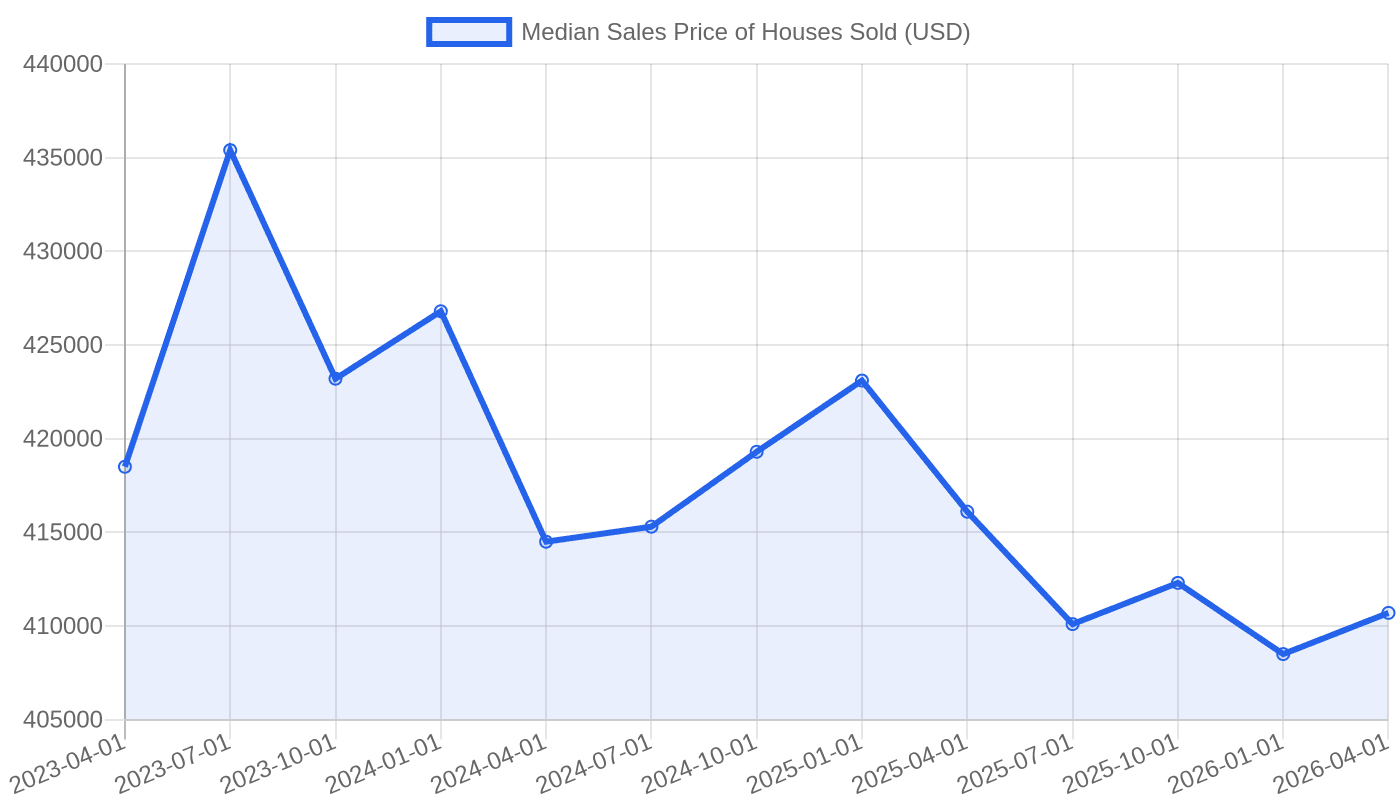
When prices are steady, buyers get pickier. Your deal has to stand out on price and terms, not just on location.
Why Mortgage Rates Matter to Your Fee
The 30-year fixed mortgage rate was 6.76% as of September 10, 2026, and it has been climbing steadily since mid-June, when it sat at 6.47%.
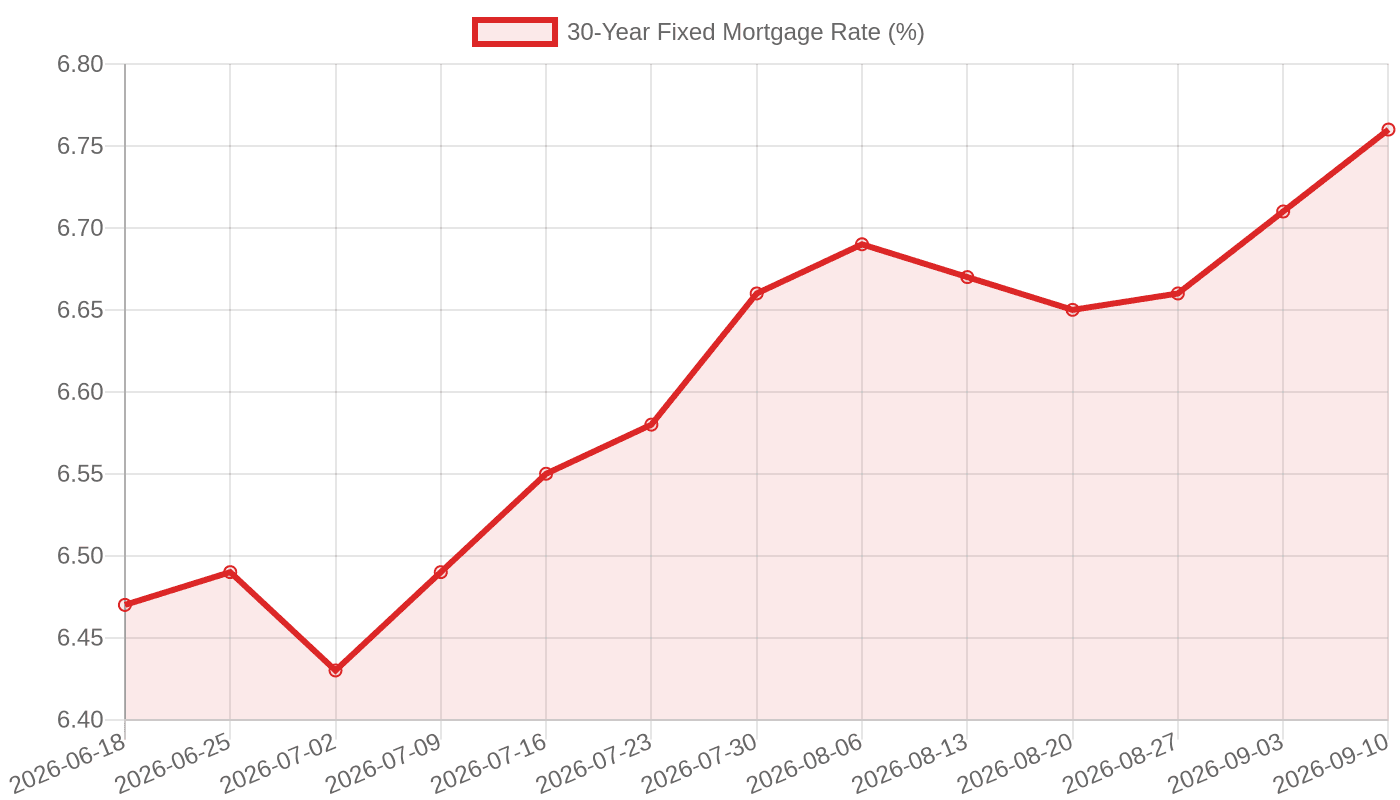
Higher rates push more retail buyers out of the market. That is good for wholesalers — it means more inventory and more motivated sellers — but it also means your end buyer is underwriting more carefully. Expect tougher negotiations on your fee when rates tick up.
Why Days on Market Matter Even More
Median days on market hit 60 in August 2026, up from a low of 52 in April and May. That swing tells you the resale market slowed through the summer.
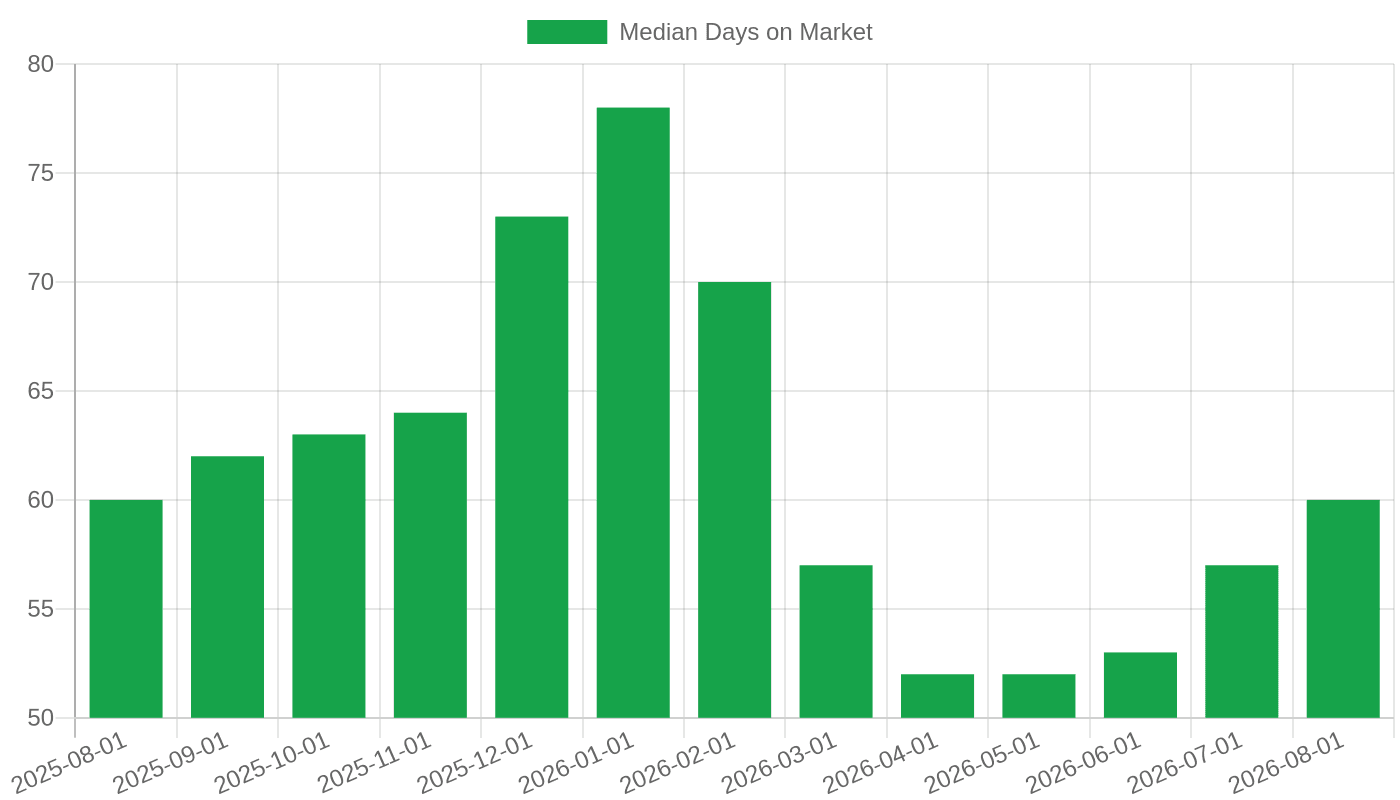
If your end buyer plans to flip, they are now looking at roughly two months to sell after rehab. Build that into your deal math, or your buyer will walk.
What Should Be in a Texas Assignment Contract?
A Texas assignment contract should identify the original purchase contract, state the assignment fee, name the assignee, set the closing date, and include a consent-to-assign signature line for the seller. Anything less leaves room for a dispute.
Here is a checklist of the clauses that matter most.
The Core Clauses
- Identification of the original contract — address, date, and parties.
- Assignment fee — the exact dollar amount and when it is paid.
- Assignee's obligations — the buyer takes over all obligations, including closing.
- Default language — what happens if the assignee fails to close.
- Seller consent — a signature line confirming the seller agrees to the assignment.
- Governing law — Texas, so any dispute stays in state court.
Clauses That Save You From Trouble
- Non-refundable earnest money — protects you if the buyer walks.
- Right to market the contract — confirms you can advertise the deal.
- Fee disclosure — shows you told the seller what you are making.
A good Texas real estate attorney can review your template once for a few hundred dollars. That is cheap insurance for a document you will use on every deal.
Assignment vs Double Closing in Texas: Which Is Better?
An assignment is simpler and cheaper, but a double closing hides your fee from the end buyer and can work when the contract is not assignable. Most Texas wholesalers default to assignment and use a double close only when the seller refuses to allow assignment.
Here is how the two compare.
| Feature | Assignment | Double Closing |
|---|---|---|
| Number of closings | One | Two |
| Closing costs | Lower | Higher (two sets of fees) |
| Buyer sees your fee | Usually yes | Usually no |
| Works if contract is not assignable | No | Yes |
| Need for extra cash | Minimal | Often need transactional funding |
| Typical Texas use | Default method | Backup method |
When to Choose Assignment
Choose assignment when your contract allows it, your buyer is fine seeing your fee, and you want the simplest path to a check.
When to Choose a Double Close
Choose a double close when the seller will not consent to assignment, when your end buyer is a retail-style buyer who would balk at a marked-up price, or when you need to control the transaction more tightly.
Double closes cost more, but they can rescue a deal that would otherwise die.
What Are the Biggest Risks of Assigning Contracts in Texas?
Unlicensed brokerage claims, seller disputes over hidden fees, and end buyers who fail to close are the three biggest risks. Each one is manageable with the right paperwork and a bit of discipline.
Risk 1: Unlicensed Brokerage
If a seller complains to TREC and you cannot show a valid contract, you may face an unlicensed brokerage investigation. The defense is documentation — always have a signed purchase contract before you market.
Risk 2: Seller Disputes
Sellers who feel misled about your profit can sue or refuse to close. Disclose early, disclose in writing, and keep your assignment fee reasonable for the work you did.
Risk 3: Buyer Default
If your end buyer walks, you are still on the hook for the purchase contract. That is why non-refundable earnest money and a backup buyer list matter.
Risk 4: Title Issues
Texas has plenty of properties with heirship problems, old liens, and survey issues. A good title company will flag these early — build that relationship before you need it.
How Do You Find Cash Buyers for Texas Assignments?
You find cash buyers by building a list before you need it, then marketing each deal directly to that list. The wholesalers who close fastest are the ones who already know who is buying in their submarket.
Here is how to build that list.
Where Texas Cash Buyers Hang Out
- Local REIA meetings in Dallas, Houston, Austin, and San Antonio
- Facebook groups for Texas real estate investors
- County records — look at who is buying with cash
- Title company buyer lists
- Direct outreach to fix-and-flippers and landlords
How to Qualify a Cash Buyer
Ask three questions before you send a deal:
- What is your buy box — area, price, and condition?
- How do you fund — cash, hard money, or private lender?
- How fast can you close?
If they cannot answer all three, they are not ready to buy.
Tools That Speed Up Buyer Outreach
We track 65 software tools across 9 categories in our wholesale directory, and a few of them do the heavy lifting for buyer outreach.
A CRM like GoHighLevel keeps your buyer list organized and automates follow-up. CallTools handles dialing at scale. Launch Control is built for wholesalers who need to move fast on new deals.
For data on who owns what, PropStream and ATTOM Data are the two names most Texas wholesalers start with. And if you are generating your own leads, Televista Lead Generation is worth a look.
How Do You Market a Texas Assignment Deal?
You market the deal by sending a clean, one-page deal sheet to your buyer list with photos, repair estimates, and your asking price. Speed and clarity win.
What Goes in a Deal Sheet
- Address and neighborhood
- Asking price and your contract price
- Estimated repairs
- Estimated after-repair value
- Photos and a short video walkthrough
- Your assignment fee (if you are disclosing it)
- Closing timeline
How to Price Your Assignment Fee
Start with your target fee, then work backward. If your contract price is $180,000 and the house will be worth $280,000 after $40,000 in repairs, your buyer needs enough margin to make the deal work.
A common Texas rule of thumb is 70% of ARV minus repairs. Run the math, then set your fee so the buyer still hits their number.
What Are the Tax Rules for Assignments in Texas?
Assignment fees are taxable income. In Texas, there is no state income tax, so your fee is taxed at the federal level as ordinary income or, in some cases, as a short-term capital gain.
Talk to a CPA who works with investors. The structure of your deal — assignment versus double close — can change how the income is reported.
Do You Owe Self-Employment Tax?
Often, yes. If you are wholesaling regularly, the IRS may treat your assignment fees as self-employment income, which means self-employment tax on top of income tax.
Should You Use an LLC?
Many Texas wholesalers hold deals in an LLC for liability protection and cleaner bookkeeping. It does not change the tax treatment, but it can keep your personal assets out of a lawsuit.
How Do You Avoid Assignment Mistakes in Texas?
You avoid mistakes by using a Texas-specific contract, disclosing your fee, working with a title company that knows assignments, and never marketing a property you do not have under contract.
Here are the most common mistakes and how to dodge them.
Mistake 1: Using a Generic Contract
A contract written for another state may not hold up in Texas. Use a Texas contract or have an attorney draft one for you.
Mistake 2: Skipping the Assignment Clause
If your contract does not allow assignment, you cannot assign it. Period. Check the clause before you sign.
Mistake 3: Hiding Your Fee
Transparency prevents lawsuits. Tell the seller what you are making.
Mistake 4: Ignoring the Inspection Period
Your inspection period is your escape hatch. Use it to confirm the deal works before you commit.
Mistake 5: Working With the Wrong Title Company
Not every title company handles assignments smoothly. Ask upfront whether they close assignments regularly.
The Bottom Line
Assignment of contract real estate in Texas is one of the fastest, lowest-capital ways to make money in real estate — as long as you use a Texas-specific contract, disclose your fee, and work with a title company that knows assignments. The national numbers back this up: with the median sales price at $410,700, the 30-year fixed rate at 6.76%, and days on market at 60, the market is rewarding wholesalers who move fast and price deals honestly.
Your next step is to line up your tools. Compare the CRMs, dialers, and data platforms in our directory so your buyer outreach runs on autopilot before your next deal goes under contract. And if you want to sharpen the skill that actually gets sellers to say yes, try our free AI Cold Call Trainer — practice a few calls against a realistic AI seller first. It is free and takes no signup to start.
Frequently Asked Questions
Is assignment of contract legal in Texas?
Yes. Texas law allows a buyer to transfer their contractual rights to another party unless the contract specifically prohibits it. You still need to avoid unlicensed brokerage, disclose your assignment fee, and honor your contract terms.
Do I need a real estate license to assign a contract in Texas?
No, as long as you are assigning your own contractual interest and not brokering a transaction for someone else. Have a signed purchase contract in place before you market the deal, and disclose your profit to the seller.
How much can I make on an assignment in Texas?
Most Texas wholesalers earn between $5,000 and $15,000 per assignment, though strong deals in hot submarkets can clear more. Your fee is the gap between your contract price and what an end buyer will pay.
What is the difference between an assignment and a double close in Texas?
An assignment transfers your contract to an end buyer in a single closing, so the buyer usually sees your fee. A double close uses two closings, hides your fee, and costs more — but it works when the contract is not assignable.
What should be in a Texas assignment contract?
It should identify the original purchase contract, state the assignment fee, name the assignee, set the closing date, include default language, and have a seller consent-to-assign signature line.
Are assignment fees taxable in Texas?
Yes. Texas has no state income tax, but assignment fees are taxable at the federal level as ordinary income or a short-term capital gain. Many wholesalers also owe self-employment tax, so talk to a CPA who works with investors.
Sources
- Software tools tracked in the Wholesale REI directory — Wholesale REI directory
- Tool categories in the Wholesale REI directory — Wholesale REI directory
- 30-Year Fixed Mortgage Rate (as of 2026-09-10) — FRED (Federal Reserve Bank of St. Louis)
- Median Sales Price of Houses Sold (as of 2026-04-01) — FRED (Federal Reserve Bank of St. Louis)
- Median Days on Market (as of 2026-08-01) — FRED (Federal Reserve Bank of St. Louis)
This article was researched and drafted with AI assistance, then reviewed and edited by Mark Anthony. Every statistic is sourced and cited. It's for informational purposes only and is not financial or legal advice. Read our editorial policy.