Assignment of Contract Real Estate Template: Free Download


You've got a motivated seller and a buyer lined up, but without a solid assignment of contract template, you risk leaving money on the table—or worse, getting sued. Here's how to protect yourself and get paid.
Key Takeaways
- An assignment of contract lets you transfer your purchase rights to another buyer for a fee—often without ever owning the property.
- A proper template includes the original contract details, assignment fee, and clear language that protects both you and the end buyer.
- Always disclose your assignment fee and get the seller's written consent if required by your state.
- Use a template as a starting point, but have a local real estate attorney review it for your state's rules.
- The Wholesale REI directory tracks 65 software tools across 9 categories to help you manage contracts, leads, and closings.
What is an assignment of contract in real estate?
An assignment of contract is a legal agreement where you transfer your rights and obligations under a real estate purchase contract to another party—usually for a fee. You stay in the middle as the assignor, the end buyer becomes the assignee, and the original seller remains the seller.
In wholesaling, you use an assignment to sell your position in the contract without ever taking title to the property. The difference between your contract price and the end buyer's price is your assignment fee.
Why wholesalers use assignments
Assignments let you control property with little or no money down. You lock in a purchase price, find a buyer willing to pay more, and pocket the difference at closing. It's a way to profit from your deal-finding skills rather than from owning real estate.
But assignments come with legal and ethical responsibilities. You must disclose your profit, follow state laws, and use a contract that holds up in court. That's where a solid template helps.
What should an assignment of contract template include?
A good assignment of contract template includes the parties' names, the original purchase contract details, the assignment fee, and clear language about the assignor's rights and the assignee's obligations. It should also include contingencies, closing date, and signatures.
Here's a checklist of what to look for in any template:
- Identification of parties: Full legal names and contact info for assignor (you) and assignee (end buyer).
- Original contract reference: Date of the original purchase agreement and property address.
- Assignment fee: The exact amount you're charging for the assignment, and when it's paid (usually at closing).
- Assignee obligations: The end buyer agrees to perform all terms of the original contract, including earnest money and closing deadlines.
- Assignor warranties: You confirm you have the right to assign and that the contract is valid.
- Contingencies: Any conditions that must be met before the assignment is binding (e.g., seller consent, inspection).
- Governing law: The state whose laws govern the agreement.
- Signatures and date: Both parties sign and date the document.
Key clauses to never skip
Three clauses are non-negotiable: the assignment fee clause, the assumption of obligations clause, and the seller consent clause (if your state requires it). Without these, you could be on the hook for the end buyer's performance or face a dispute over your fee.
How do you fill out an assignment of contract template?
Fill out an assignment of contract template by completing each blank with accurate information from your original purchase contract and your deal with the end buyer. Then review it carefully and have both parties sign.
Here's a step-by-step process:
- Gather your original purchase contract. You'll need the property address, seller name, purchase price, and closing date.
- Identify the assignee. Get the end buyer's full legal name and contact information.
- Set your assignment fee. Decide the amount and confirm it with the end buyer. This is usually the difference between your contract price and the end buyer's price.
- Fill in the blanks. Enter all required information into the template, including the original contract date, property description, and fee.
- Add any contingencies. If the deal depends on inspection or financing, state that clearly.
- Review with an attorney if needed. Especially if you're new to wholesaling or your state has specific disclosure requirements.
- Get signatures. Both you and the end buyer sign and date the agreement. Provide a copy to all parties.
Common mistakes to avoid
- Leaving blanks empty—this can make the contract unenforceable.
- Failing to attach the original purchase contract as an exhibit.
- Not disclosing your assignment fee to the seller (required in some states).
- Using a template that doesn't comply with your state's laws.
Why do you need a written assignment of contract?
A written assignment of contract protects your fee and makes the transfer of rights official. Without it, you have no legal proof of your agreement with the end buyer, and you could lose your assignment fee if a dispute arises.
A written assignment also helps you enforce the end buyer's obligations. If the buyer backs out, you can point to the signed agreement. And if the seller questions the assignment, you have documentation to show the deal is legitimate.
Legal enforceability
Courts generally uphold written assignments that clearly identify the parties, the contract being assigned, and the consideration (your fee). Oral assignments are risky and often unenforceable. Always put it in writing.
What are the legal risks of assigning a contract?
Legal risks include violating state licensing laws, failing to disclose your profit, and using contracts that don't comply with local regulations. Some states require a real estate license for certain assignment activities, while others have specific disclosure rules.
For example, some states require you to disclose in writing that you are not a licensed real estate agent and that you are profiting from the assignment. Others limit how many assignments you can do per year without a license.
How to minimize risk
- Consult a local real estate attorney before your first assignment.
- Use a state-specific template or have one drafted for you.
- Always disclose your assignment fee to the seller and end buyer.
- Keep detailed records of all communications and transactions.
How does the current housing market affect assignments?
The current market affects assignments through mortgage rates, home prices, and days on market. Higher mortgage rates can reduce buyer demand, making it harder to find an end buyer. But they can also create more motivated sellers, increasing your deal flow.
As of November 19, 2026, the 30-year fixed mortgage rate was 7.28%. That's up from 6.66% in late August 2026, which means buyers are facing higher borrowing costs.
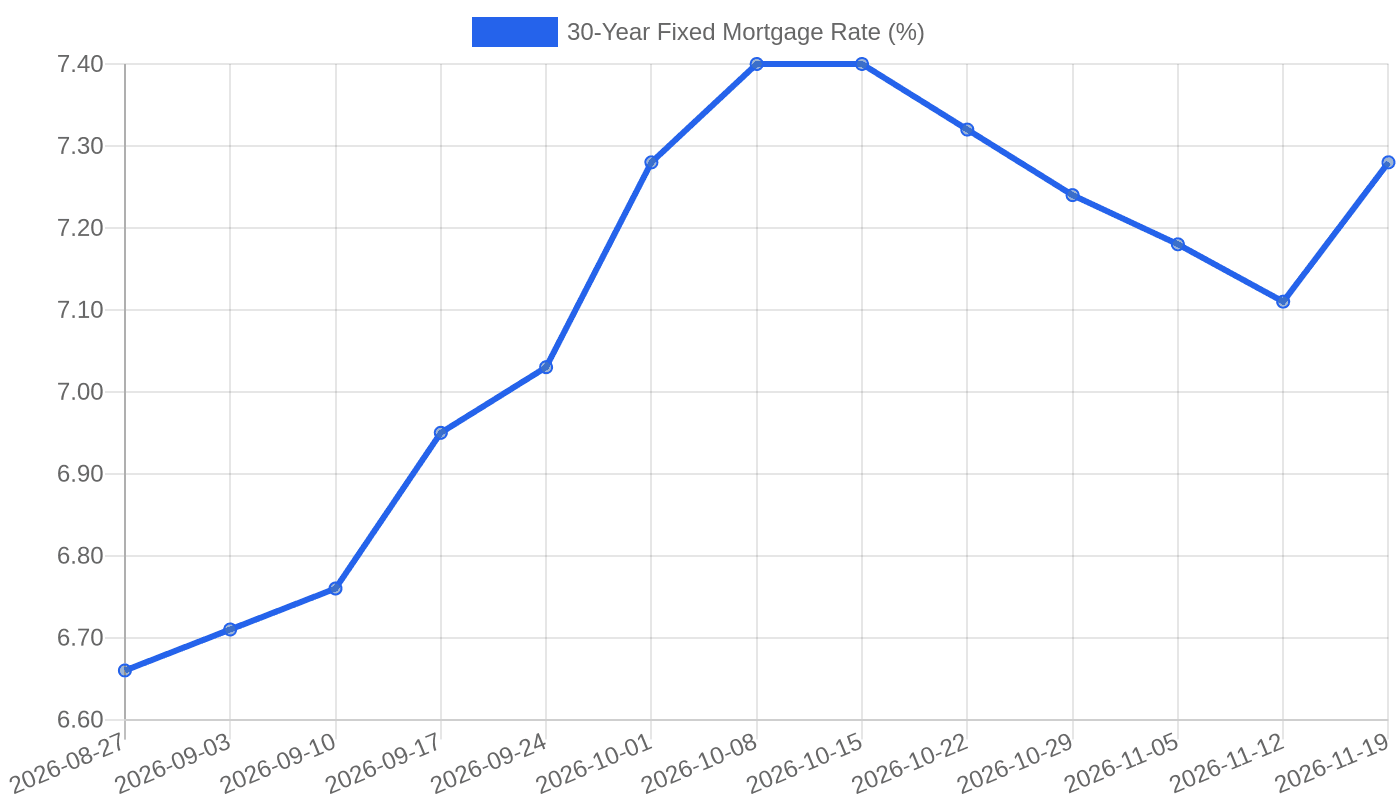
Higher rates can squeeze your assignment fee because end buyers may be more price-sensitive. However, if you can find sellers willing to accept lower prices, you can still profit.
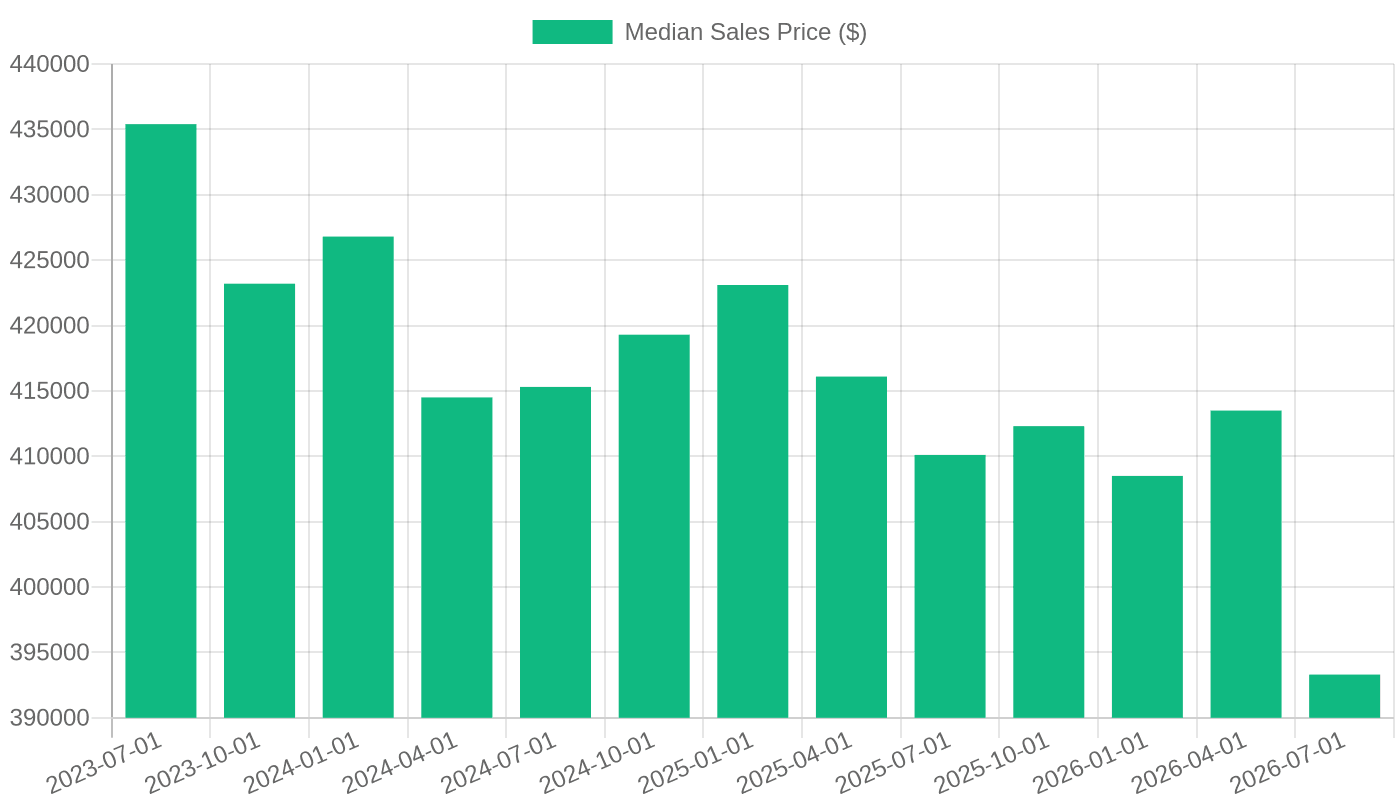
The median sales price of houses sold was $393,300 as of July 1, 2026, down from $435,400 in July 2023. Lower prices mean more affordable deals, which can help you move properties faster.
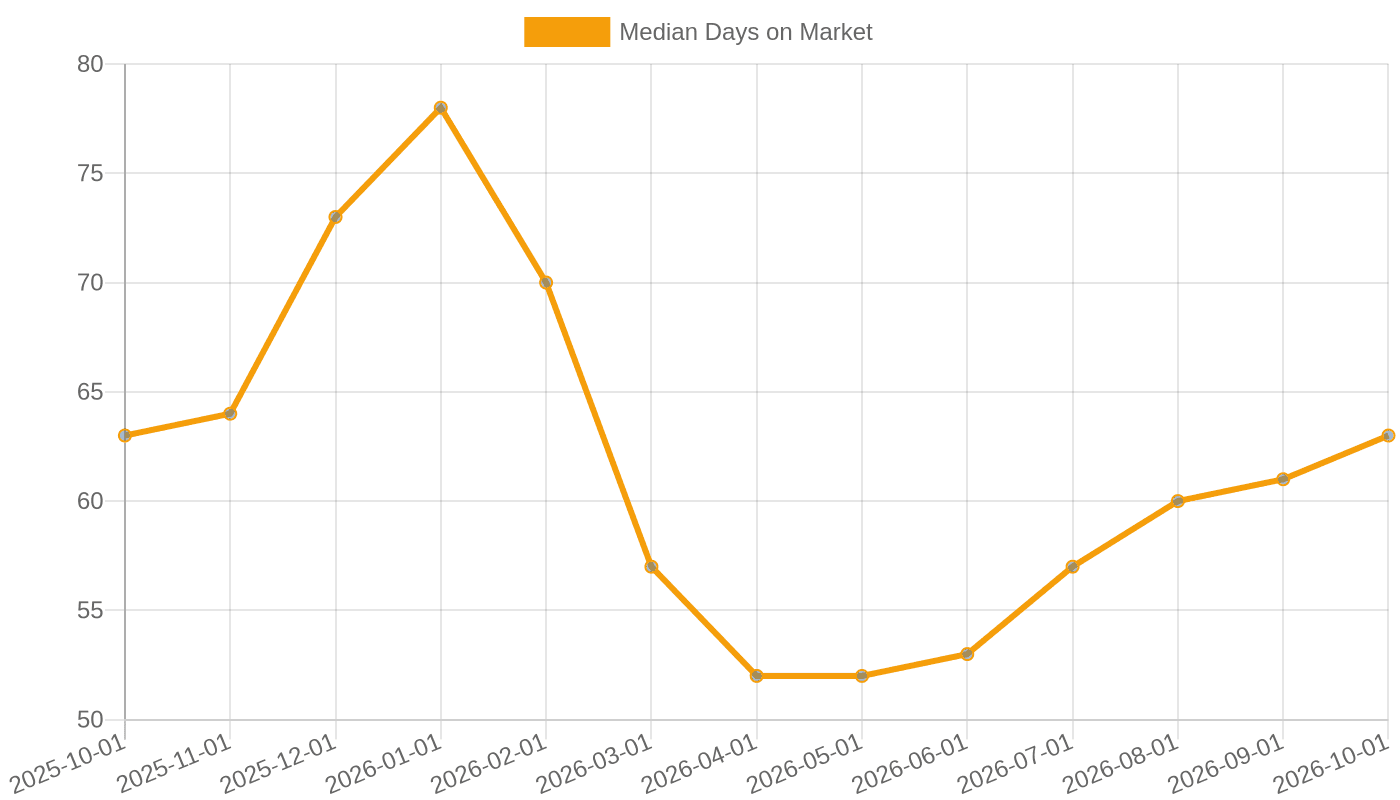
Median days on market was 63 as of October 1, 2026. That's up from 52 in April 2026, indicating homes are taking longer to sell. For wholesalers, longer days on market can mean more motivated sellers—but also more time to find an end buyer.
What this means for your assignment strategy
In a slower market, focus on deals with strong equity and clear exit strategies. Use assignment templates that allow for flexible closing dates to accommodate buyers who need more time. And keep your assignment fees reasonable to attract end buyers.
How can software help you manage assignments?
Software can help you track leads, manage contracts, and automate follow-ups—making your assignment business more efficient. The Wholesale REI directory tracks 65 tools across 9 categories, including CRM, lead generation, and contract management.
Here are some ways software helps:
- CRM tools like GoHighLevel help you manage seller and buyer relationships.
- Data tools like PropStream and ATTOM Data help you find motivated sellers and comps.
- Call tools like CallTools and TeleVista Lead Generation help you reach sellers faster.
- Transaction management tools like Launch Control help you keep contracts organized.
Comparison of popular tools for wholesalers
| Tool | Category | Best For | Key Feature |
|---|---|---|---|
| GoHighLevel | CRM | Managing leads and follow-ups | All-in-one CRM with automation |
| PropStream | Data | Finding motivated sellers | Property data and lists |
| ATTOM Data | Data | Property intelligence | Comprehensive property data |
| CallTools | Call Management | Outbound calling | Power dialer and call tracking |
| Launch Control | Transaction Management | Contract organization | Deal pipeline and document storage |
| TeleVista Lead Generation | Lead Generation | Targeted leads | Custom lead lists |
Where can you get a free assignment of contract template?
You can get a free assignment of contract template from reputable real estate investing websites, legal document sites, and software platforms. But always review it with a local attorney to ensure it complies with your state's laws.
Here are some trusted sources:
- Wholesale REI directory: Browse tools that offer contract templates and document management.
- State real estate investor associations: Many provide free or low-cost templates to members.
- Legal document services: Some offer free templates with paid review options.
- Real estate attorney: A local attorney can draft a custom template for your business.
What to look for in a free template
Make sure the template includes all the essential clauses we covered earlier. Avoid templates that are too generic or missing key protections. And never use a template without understanding what it says.
The Bottom Line
An assignment of contract template is a powerful tool for wholesalers, but it's only as good as the protections it includes. Use a comprehensive template, fill it out carefully, and have it reviewed by a local attorney. Then, compare the top contract management and CRM tools in the Wholesale REI directory to keep your deals organized and compliant.
Frequently Asked Questions
What is an assignment of contract in real estate?
An assignment of contract is a legal agreement where you transfer your rights and obligations under a purchase contract to another buyer for a fee, without ever taking title to the property.
Do I need a real estate license to assign contracts?
It depends on your state. Some states require a license for certain assignment activities, while others have specific disclosure rules. Always check with a local real estate attorney.
What should be included in an assignment of contract template?
A solid template should include the parties' names, original contract details, assignment fee, assignee obligations, contingencies, governing law, and signatures.
Can I use a free assignment of contract template?
Yes, but always have it reviewed by a local attorney to ensure it complies with your state's laws and protects your interests.
How does the current housing market affect assignments?
Higher mortgage rates and longer days on market can reduce buyer demand but also create more motivated sellers. Focus on deals with strong equity and flexible closing dates.
Sources
- Software tools tracked in the Wholesale REI directory — Wholesale REI directory
- Tool categories in the Wholesale REI directory — Wholesale REI directory
- 30-Year Fixed Mortgage Rate (as of 2026-11-19) — FRED (Federal Reserve Bank of St. Louis)
- Median Sales Price of Houses Sold (as of 2026-07-01) — FRED (Federal Reserve Bank of St. Louis)
- Median Days on Market (as of 2026-10-01) — FRED (Federal Reserve Bank of St. Louis)
This article was researched and drafted with AI assistance, then reviewed and edited by Mark Anthony. Every statistic is sourced and cited. It's for informational purposes only and is not financial or legal advice. Read our editorial policy.