Atlanta Real Estate Market Update — September

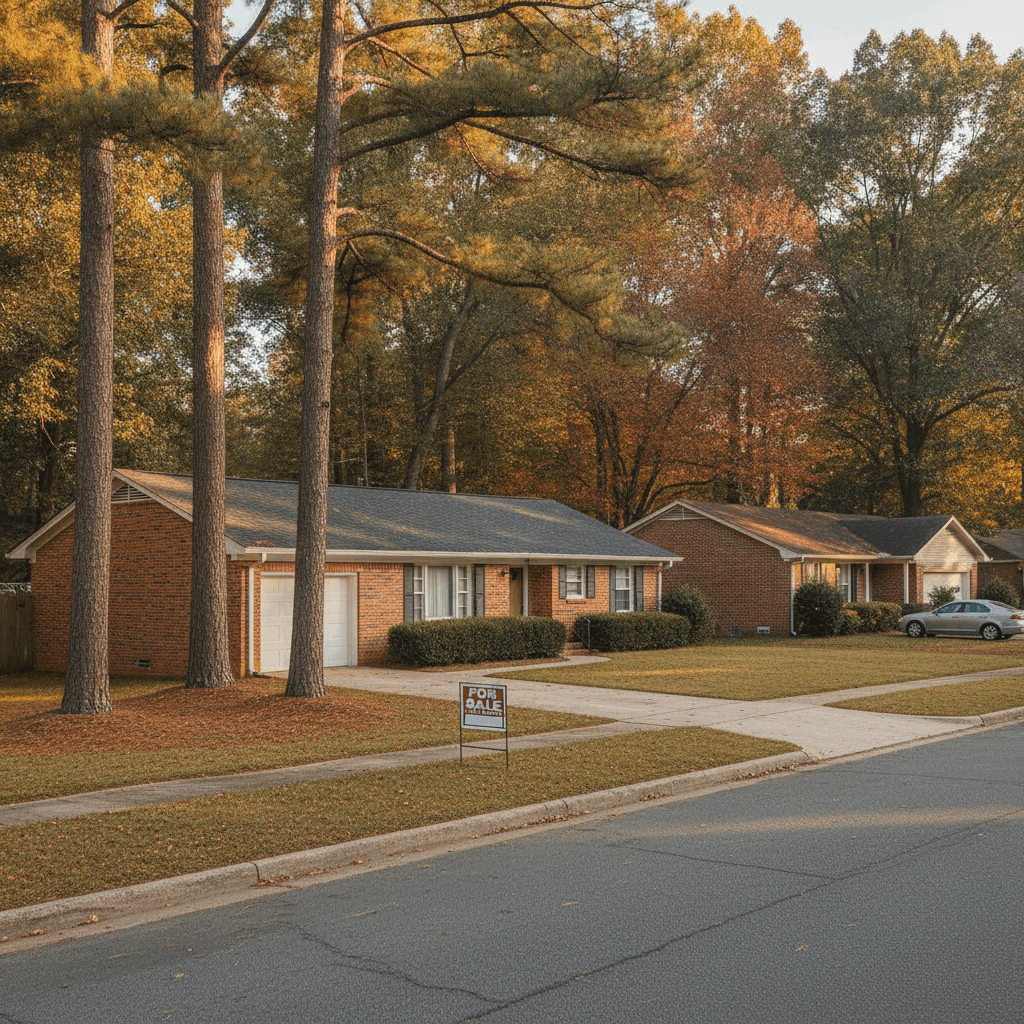
Atlanta sellers are waiting longer for offers, and buyers finally have room to negotiate. If you wholesale in metro Atlanta, that shift changes almost everything about how you find, price, and assign deals.
Key Takeaways
- Atlanta homes sat on the market a median of 59 days in August 2026 — up from 49 days in April.
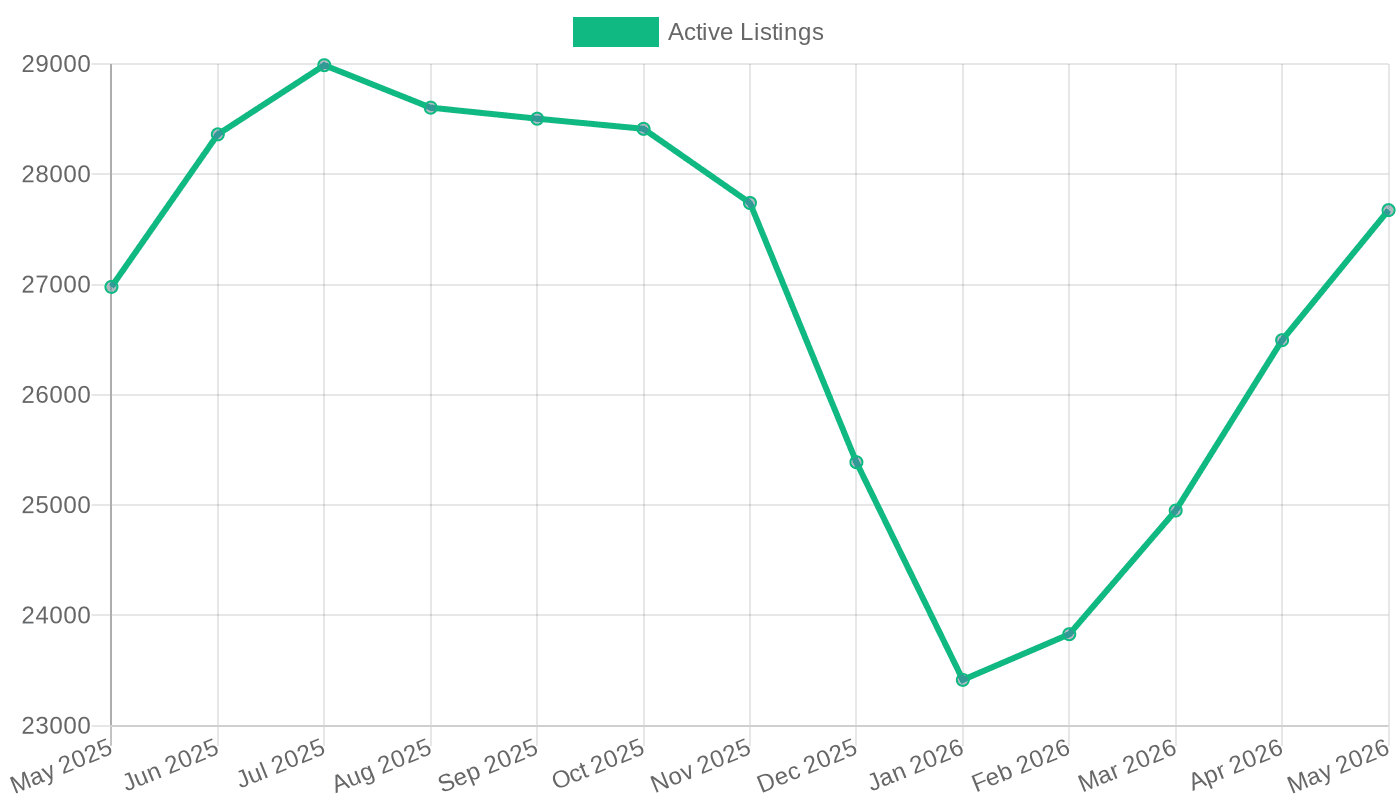
- Active listings climbed to 29,580 in August 2026, the highest in the past year.
- The median list price slipped to $419,900 in August 2026, down from $428,950 in June.
- The 30-year fixed mortgage rate rose to 6.76% as of September 10, 2026, still pressuring buyer budgets.
- Georgia now leads the U.S. in data center construction, which is quietly reshaping land values around Atlanta.
What is the Atlanta real estate market doing right now?
The Atlanta real estate market is cooling into a slower, more balanced phase. Homes are taking longer to sell, more listings are piling up, and prices have softened slightly from their summer peak.
Here's the snapshot from August 2026:
| Metric | Atlanta (Aug 2026) | U.S. (Aug 2026) |
|---|---|---|
| Median days on market | 59 days | 60 days |
| Active listings | 29,580 | — |
| Median list price | $419,900 | — |
Atlanta's median days on market hit 59 days as of August 1, 2026, according to Realtor.com data published through FRED. That's essentially in line with the national figure of 60 days.
But the trend matters more than the snapshot. Let's look at how Atlanta got here.
Atlanta's days on market climbed through the summer
Atlanta's median days on market bottomed at 49 days in April 2026, then rose steadily to 50 in May, 52 in June, 56 in July, and 59 in August.
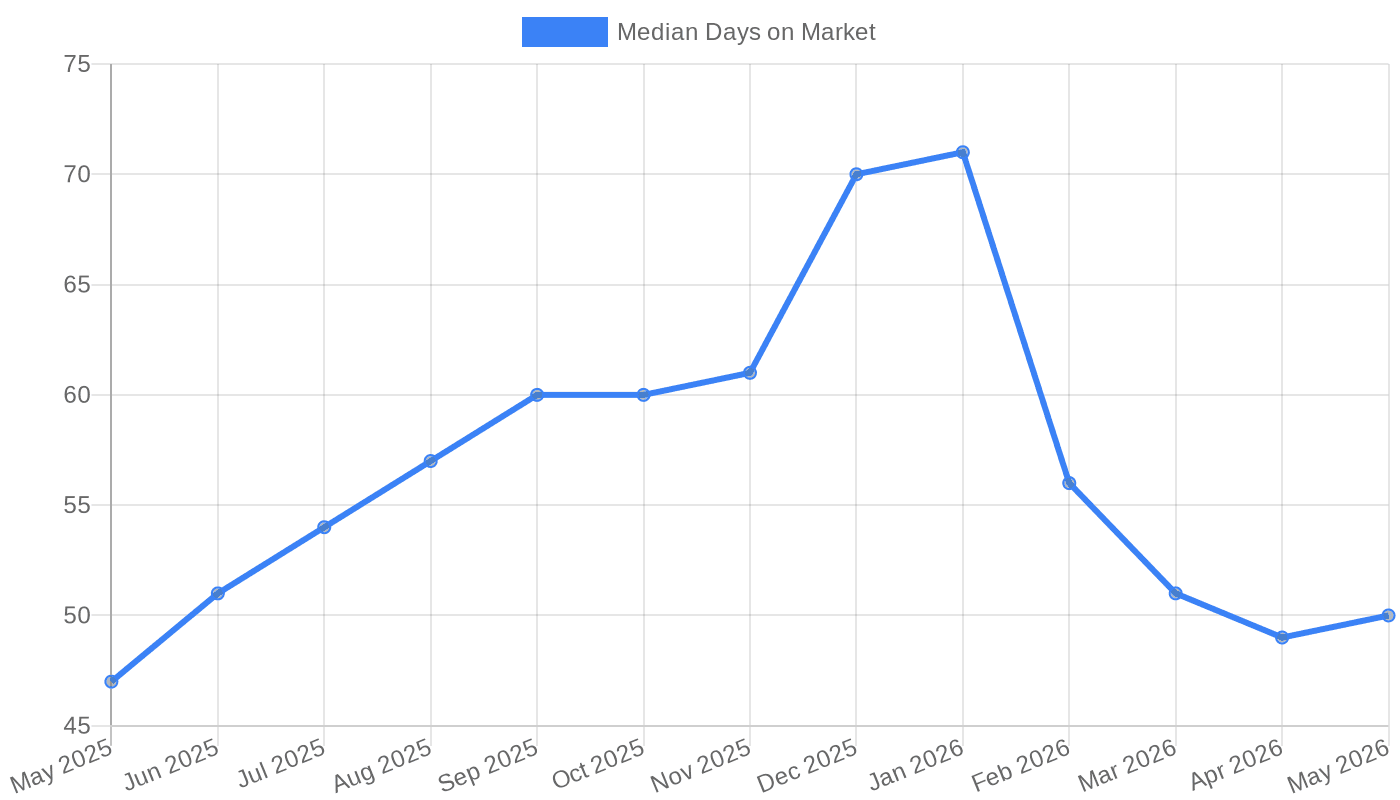
That's a five-month climb. For wholesalers, it means your end buyers — fix-and-flippers and landlords — are facing longer holding periods. They'll price their offers accordingly.
Active listings hit a one-year high
Atlanta's active listing count reached 29,580 in August 2026, the highest reading in the past 12 months. Inventory bottomed at 23,422 in January 2026 and has climbed every month since.
More inventory means more competition for every motivated seller. It also means more raw deal flow — if you know where to look.
The median list price pulled back from its summer peak
Atlanta's median list price peaked at $428,950 in June 2026, then eased to $425,000 in July and $419,900 in August.
That's a modest pullback, not a crash. But it signals that sellers are adjusting to a market where buyers hold more leverage.
Why is the Atlanta market slowing down?
Atlanta is slowing because higher mortgage rates are squeezing buyer purchasing power while more sellers list their homes. Supply is rising faster than demand.
The 30-year fixed mortgage rate climbed to 6.76% as of September 10, 2026, up from 6.47% in mid-June. That's a meaningful jump in just under three months.
When rates rise, monthly payments rise with them. A buyer who could afford a $450,000 home in June may only qualify for $420,000 today. That pushes some buyers out of the market entirely and forces others to negotiate harder.
National home prices are flat, not falling
The median sales price of houses sold in the U.S. was $410,700 as of April 1, 2026. That's roughly flat compared to a year earlier, when it was $416,100.
So we're not in a crash. We're in a standoff. Sellers don't want to drop prices much, and buyers can't stretch as far as they could two years ago.
Georgia's data center boom is a wildcard
Georgia now leads the entire country in data center construction, according to The Atlanta Journal-Constitution. That's pulling capital and jobs into the metro — and it's changing land values in outer counties.
For wholesalers, this matters. Land plays near data center corridors can carry premiums that didn't exist five years ago. Keep an eye on where the power lines and fiber are going.
What does this mean for Atlanta wholesalers?
A slower Atlanta market is actually good news for wholesalers who adapt. More days on market means more motivated sellers. More inventory means more leads. But your buyers will be pickier.
Here's what to do about it.
1. Lean into seller motivation, not seller desperation
With homes sitting 59 days on market, sellers who need to move are feeling the pain. That's your opening.
But don't confuse patience with desperation. A seller at 30 days may still be holding out for list price. A seller at 90 days is ready to talk.
Track days on market in your farm area. The longer a listing sits, the warmer the lead.
2. Adjust your assignment fees to the new reality
When your end buyer expects to hold a property longer, they'll want a bigger discount. That means your spread compresses.
If you were assigning at $25,000 in a hot market, expect $15,000 to $20,000 in today's Atlanta market — depending on the submarket and condition.
Run your numbers with today's exit assumptions, not last year's.
3. Focus on submarkets with real demand
Not every Atlanta ZIP code is slowing at the same pace. Areas near job growth — especially data center corridors and intown job centers — will hold up better.
Use data tools to pull days on market, inventory, and price trends by ZIP. Don't rely on metro-wide averages.
4. Build a deeper buyer list
When inventory rises, your buyers have more choices. That means you need more buyers to move the same deal.
A list of 50 active cash buyers is table stakes in this market. Aim for 150 or more, segmented by asset type and geography.
How do you find deals in a slower Atlanta market?
You find deals in a slower Atlanta market by targeting listings that have gone stale, expired, or been withdrawn — plus the usual suspects: probate, divorce, tax delinquency, and absentee owners.
Here's a practical playbook.
Step 1: Pull expired and withdrawn listings weekly
With 29,580 active listings in metro Atlanta, a meaningful share will expire every month. These sellers already tried the retail route and failed.
That's a warm list. Call them within 48 hours of expiration.
Step 2: Track days on market by ZIP
A listing at 90+ days in a ZIP where the median is 45 days is a signal. The seller is either overpriced or motivated — or both.
Either way, it's worth a conversation.
Step 3: Work the absentee and out-of-state owner list
Out-of-state landlords are feeling the squeeze from higher rates and softer rents. Many are ready to exit.
Pull absentee owner lists and cross-reference with long hold times. The longer they've owned, the more equity they have — and the more room you have to negotiate.
Step 4: Use a CRM that keeps you consistent
Consistency beats intensity in a slower market. A CRM that queues up your follow-ups and tracks every touchpoint will keep you in front of sellers for months.
That's where the right software pays for itself.
Best software for Atlanta wholesalers in this market
The best software for Atlanta wholesalers right now is anything that helps you find motivated sellers faster and follow up more consistently. With 65 tools tracked across 9 categories in the Wholesale REI directory, you have options.
Here's how to think about the stack.
Lead generation and data
You need accurate property data, owner contact info, and list-building tools. Look for platforms with strong Georgia coverage and skip-trace integration.
CRM and follow-up
A slower market rewards the wholesaler who follows up 12 times, not twice. Pick a CRM built for real estate workflows, not a generic sales tool.
Dialers and call tools
If you're making 100+ calls a day, a power dialer will triple your output. If you're making 20, a simple click-to-call setup is fine.
Disposition and buyer management
When inventory rises, your buyer list is your moat. Use a tool that tracks buyer preferences, proof of funds, and past purchases.
What are the biggest risks in the Atlanta market right now?
The biggest risk is assuming this slowdown is temporary and pricing deals like it's still 2021. If you overpay for a contract, you'll be stuck with it.
Other risks to watch:
- Rate volatility. The 30-year fixed rate moved from 6.47% to 6.76% in under three months. Another jump could freeze buyer demand.
- Inventory overhang. Active listings have climbed for seven straight months. If that continues, price cuts will follow.
- Buyer fatigue. Flippers who bought high in 2025 may be sitting on losses. That makes them cautious about new deals.
Mitigate by staying conservative on your numbers and keeping your assignment fees realistic.
How does Atlanta compare to the national market?
Atlanta is tracking almost exactly with the national market on days on market — 59 days locally versus 60 days nationally as of August 2026. That's a sign of a broadly balanced market, not a regional collapse.
But Atlanta has its own story. The metro's inventory has risen faster than the national average in recent months, and the data center boom is adding a layer of demand that most metros don't have.
For wholesalers, that means Atlanta is a market where discipline pays. The deals are there. You just have to work harder to find them and price them right.
The Bottom Line
Atlanta's market in September 2026 is slower, more balanced, and more forgiving to prepared wholesalers. With 59 median days on market, 29,580 active listings, and a $419,900 median list price, the opportunity is in motivated sellers — not in rising prices.
Your next step: tighten your lead flow and your follow-up. If cold calling is part of your plan, practice a few calls against a realistic AI seller first with our free AI Cold Call Trainer — it takes no signup to start.
Frequently Asked Questions
How long are homes sitting on the market in Atlanta right now?
Atlanta homes had a median of 59 days on market as of August 1, 2026, according to Realtor.com data via FRED. That's up from 49 days in April 2026 and roughly in line with the national median of 60 days.
How many homes are for sale in metro Atlanta?
There were 29,580 active listings in metro Atlanta as of August 2026 — the highest reading in the past year. Inventory bottomed at 23,422 in January 2026 and has climbed every month since.
What is the median list price in Atlanta?
The median list price in metro Atlanta was $419,900 in August 2026. That's down from the summer peak of $428,950 in June 2026.
Are mortgage rates going up or down?
Rates have been climbing. The 30-year fixed mortgage rate reached 6.76% as of September 10, 2026, up from 6.47% in mid-June 2026.
Is now a good time to wholesale in Atlanta?
Yes, if you adapt. More days on market and rising inventory mean more motivated sellers, but your end buyers will be pickier and your assignment fees will likely compress. Focus on stale listings, expireds, and absentee owners.
How does the Atlanta market compare to the national market?
Atlanta is tracking closely with national trends. Atlanta's median days on market was 59 in August 2026 versus 60 nationally, and the U.S. median sales price was $410,700 as of April 2026 — roughly flat year over year.
Sources
- Atlanta: Median days on market (as of 2026-08-01) — Realtor.com via FRED
- Atlanta: Active listing count (as of 2026-08-01) — Realtor.com via FRED
- Atlanta: Median listing price (as of 2026-08-01) — Realtor.com via FRED
- 30-Year Fixed Mortgage Rate (as of 2026-09-10) — FRED (Federal Reserve Bank of St. Louis)
- Median Sales Price of Houses Sold (as of 2026-04-01) — FRED (Federal Reserve Bank of St. Louis)
- Median Days on Market (as of 2026-08-01) — FRED (Federal Reserve Bank of St. Louis)
- Software tools tracked in the Wholesale REI directory — Wholesale REI directory
- Tool categories in the Wholesale REI directory — Wholesale REI directory
This article was researched and drafted with AI assistance, then reviewed and edited by Mark Anthony. Every statistic is sourced and cited. It's for informational purposes only and is not financial or legal advice. Read our editorial policy.