Dallas–Fort Worth Real Estate Market Update — October

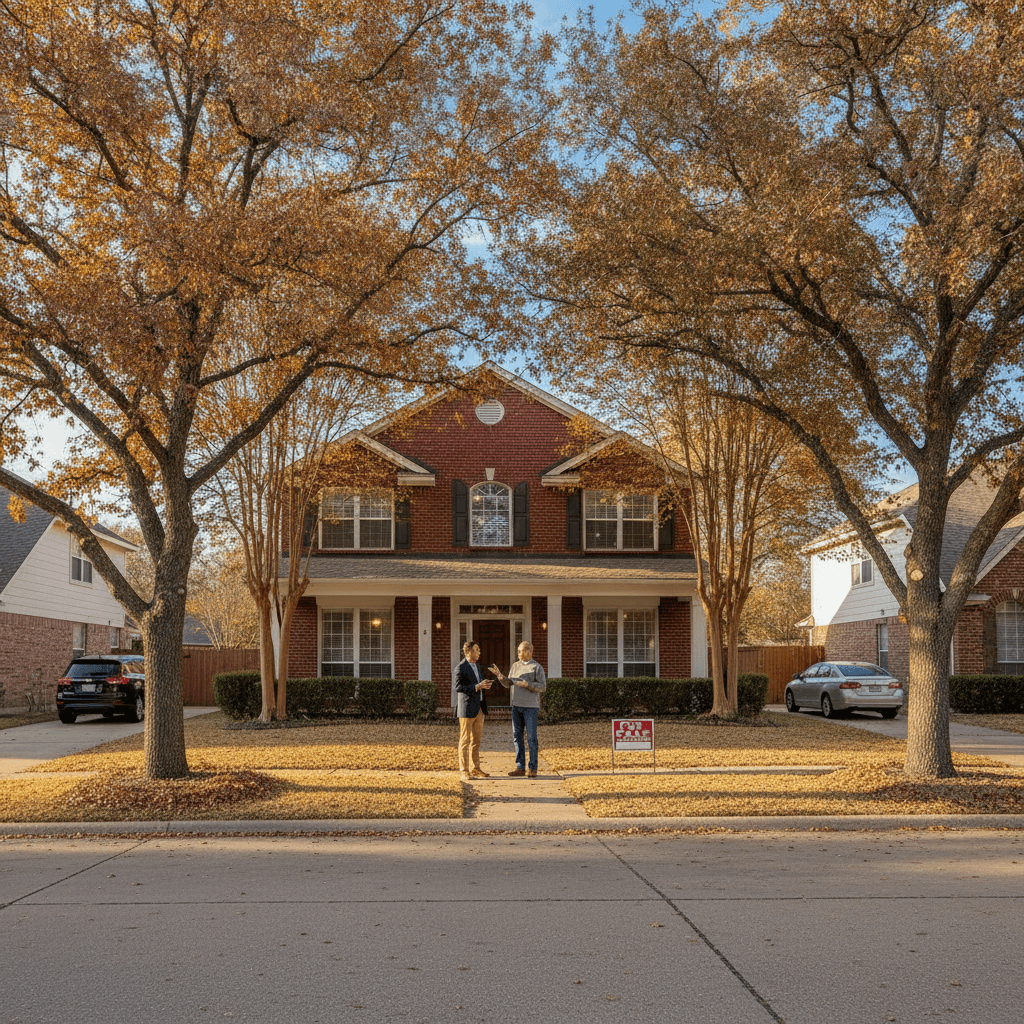
Dallas–Fort Worth homes are taking longer to sell, and sellers are feeling it. If you're wholesaling in DFW, that shift is your opening — but only if you know where the leverage is.
Key Takeaways
- The median DFW home sat on the market for 62 days as of September 2026 — up from 46 days in April.
- Active listings climbed to 29,364 in September, giving buyers more choices and sellers more competition.
- The median listing price slipped to $422,495, down from the summer peak of $439,990 in June.
- The 30-year fixed mortgage rate jumped to 7.32% by October 22, squeezing affordability and slowing buyer traffic.
- More inventory plus higher rates means more motivated sellers — a good setup for well-prepared wholesalers.
What is the Dallas–Fort Worth real estate market doing right now?
The Dallas–Fort Worth real estate market is cooling from its spring frenzy but still moving — homes are selling, just slower and with more negotiable sellers. The latest data from Realtor.com (via FRED) shows a clear seasonal shift that started in late summer and is now carrying into fall.
Here's the short version: inventory is up, days on market is up, and prices have eased off their summer highs. That's not a crash. It's a market finding its balance after a hot spring.
The three numbers that tell the story
As of September 1, 2026, the DFW metro posted:
- Median days on market: 62 days
- Active listing count: 29,364 listings
- Median listing price: $422,495
Those three figures are the heartbeat of this update. Let's break down what each one means for your business.
How long are Dallas–Fort Worth homes sitting on the market?
The median DFW home took 62 days to sell in September 2026 — the slowest pace since January, when it hit 72 days. That's a meaningful jump from the spring low of 46 days in April.
Here's the trend: days on market fell sharply from the winter high of 72 days in January down to 46 days in April. Then it climbed steadily all summer — 48 in May, 51 in June, 54 in July, 58 in August, and 62 in September.

That's a clean, consistent slowdown. For wholesalers, longer days on market means sellers are sitting with properties that aren't moving as fast as they hoped. That's exactly the kind of seller who picks up the phone when you call.
What 62 days means for your seller conversations
When a home has been listed for two months with no sale, the seller's confidence starts to crack. That's your window. Lead with empathy, not pressure. Ask how the listing is going. Ask if they've had any offers. The data backs you up — the market really has slowed.
How many homes are for sale in Dallas–Fort Worth right now?
There were 29,364 active listings in DFW as of September 2026. That's up from the January low of 22,778 — a 29% jump in eight months.
The inventory story is a round trip. Listings fell from 30,070 in September 2025 down to 22,778 in January 2026, then climbed back to nearly 30,000 by summer. September's 29,364 is essentially back to where we were a year ago.

More inventory means more competition for sellers. When buyers have 29,000+ homes to choose from, your seller's property has to stand out — or the seller has to get realistic on price. That's where a wholesale offer becomes a real option instead of a last resort.
Why inventory matters more than price right now
Price gets the headlines, but inventory drives behavior. A seller with the only house on the block can wait. A seller competing against dozens of similar listings in the same suburb starts doing math. That math often leads to a call to an investor.
What is the median listing price in Dallas–Fort Worth?
The median listing price in DFW was $422,495 in September 2026. That's down from the June peak of $439,990 — a drop of about 4% in three months.
The price curve tells the same story as inventory. Prices started the year at $405,000 in January, climbed through spring to $439,990 in June, then eased back to $422,495 by September. Sellers who priced at the spring peak are now watching similar homes list for less.
What a softening price means for your offers
When list prices are sliding, your acquisition math has to be sharper than ever. Pull recent comps, not spring comps. A deal that penciled at June prices may not work at September prices. Use tools like PropStream or ATTOM Data to pull fresh comps before you make an offer.
How are mortgage rates affecting the Dallas–Fort Worth market?
The 30-year fixed mortgage rate hit 7.32% as of October 22, 2026 — up sharply from 6.65% in late August. That's a jump of nearly 0.7 percentage points in about two months.

Higher rates hit retail buyers first. Every bump in rates pushes some buyers out of the market or down in price range. That reduces demand at the exact moment inventory is rising. The result: more sellers stuck, more price cuts, and more opportunity for cash buyers who don't depend on financing.
The cash-buyer advantage
When rates climb, your all-cash offer gets more valuable. A seller comparing a financed offer that might fall through against a clean cash close will often take less. That's not a pitch — it's math. Lead with certainty and speed, not just price.
How does Dallas–Fort Worth compare to the national market?
DFW is tracking almost exactly with the national picture. The national median days on market was 61 days in September 2026, compared to DFW's 62 days. That's a near match.
| Metric | Dallas–Fort Worth | National |
|---|---|---|
| Median days on market (Sept 2026) | 62 days | 61 days |
| Median listing price | $422,495 | — |
| Active listings | 29,364 | — |
| 30-year fixed mortgage rate (Oct 22, 2026) | 7.32% | 7.32% |
| Median sales price of houses sold (Q2 2026) | — | $410,700 |
The national median sales price of houses sold was $410,700 in Q2 2026, down slightly from $416,100 a year earlier. That confirms the broader trend: prices are flattening nationwide, and DFW is riding the same wave.
Why the national match matters
When your metro tracks the national trend, you can use national data to sanity-check your local assumptions. If national days on market keeps climbing, expect DFW to follow. That gives you a read on where seller motivation is headed next.
What does the October 2026 news mean for wholesalers?
The local news is a mixed bag — big construction projects on one side, distressed assets on the other. Both matter to your pipeline.
On the growth side, a 1,800-home project in Anna broke ground in mid-October, and more apartments are planned at the $7 billion Hall Park development. Real estate giants are also planning one of the Dallas area's largest office hubs in Frisco. Long term, that's job growth and population growth — good for the metro.
On the distress side, a downtown Dallas office tower faces foreclosure over a $79 million unpaid loan. And in late September, the former owner of a "We Buy Ugly Houses" franchise was sentenced to 15 years in federal prison after a $39 million fraud scheme.
What the foreclosure news tells you
Commercial distress doesn't directly create residential wholesale deals, but it signals that lenders are tightening and some owners are underwater. Watch for spillover into residential sellers who bought at the top and are now stuck.
What the fraud case tells you
That sentencing is a reminder: this business runs on trust. Sellers are more cautious than ever. Clean contracts, clear communication, and a real track record matter. If you're sloppy, sellers walk.
How should wholesalers adjust their strategy for fall 2026?
Wholesalers should lean into seller motivation and tighten their numbers this fall. The market is giving you more motivated sellers, but it's also punishing sloppy underwriting. Here's how to adjust.
1. Target longer-listed properties
Homes sitting 60+ days are your best leads. Pull lists of properties with extended days on market and prioritize them. Tools like Launch Control or Televista can help you build and work those lists.
2. Re-run your comps weekly
With prices sliding, a comp from June is stale. Pull fresh sold data every week. PropStream and ATTOM Data are built for this.
3. Lead with certainty, not just price
In a 7.32% rate environment, your cash offer's biggest selling point is that it won't fall through. Say that clearly on every call.
4. Track your follow-up
More leads means more follow-up. Use a CRM like GoHighLevel to keep every seller conversation organized and timed.
5. Practice the hard conversations
Sellers in a slowing market are more emotional. They've watched their listing sit. They may be facing a rate they can't afford. Your call has to be calm and clear.
What tools help wholesalers work the Dallas–Fort Worth market?
The right tools help you find motivated sellers, price deals accurately, and follow up consistently. The Wholesale REI directory tracks 65 software tools across 9 categories — enough to cover every part of your pipeline.
Here's a quick map of which tools fit which job:
- Lead generation: Televista Lead Generation, Launch Control
- Property data and comps: PropStream, ATTOM Data
- CRM and follow-up: GoHighLevel
- Outbound calling: CallTools
How to choose without overbuying
Start with the gap in your pipeline. If you're not generating enough leads, fix that first. If you're generating leads but losing them to poor follow-up, fix your CRM. Don't buy five tools at once — buy the one that solves your biggest bottleneck.
The Bottom Line
The Dallas–Fort Worth market is giving wholesalers a clear signal: more inventory, longer days on market, and higher rates mean more motivated sellers. Your job is to find them, price deals with fresh comps, and lead with certainty. Start by comparing the top lead-generation and property-data tools in the directory — then practice a few seller calls against a realistic AI seller with our free AI Cold Call Trainer before you dial for real.
Frequently Asked Questions
Is the Dallas–Fort Worth real estate market cooling down in 2026?
Yes, it's cooling from its spring peak. The median home sat on the market for 62 days in September 2026, up from 46 days in April, and active listings climbed to 29,364. Prices also eased to $422,495 from the June high of $439,990.
How long are homes taking to sell in Dallas–Fort Worth right now?
The median DFW home took 62 days to sell as of September 2026. That's slightly slower than the national median of 61 days and a big jump from the spring low of 46 days.
What do higher mortgage rates mean for DFW wholesalers?
The 30-year fixed rate hit 7.32% by October 22, 2026, which pushes some retail buyers out of the market. That reduces demand and leaves more sellers stuck, making your all-cash offer more valuable because it won't fall through due to financing.
How many homes are for sale in the Dallas–Fort Worth metro?
There were 29,364 active listings in September 2026, up from the January low of 22,778. More inventory means more competition for sellers and more motivated sellers for wholesalers to target.
What tools should a DFW wholesaler use in a slower market?
Focus on fresh comps and consistent follow-up. PropStream and ATTOM Data help you price deals accurately, while GoHighLevel keeps your seller conversations organized. The Wholesale REI directory tracks 65 tools across 9 categories to help you choose.
Sources
- Dallas–Fort Worth: Median days on market (as of 2026-09-01) — Realtor.com via FRED
- Dallas–Fort Worth: Active listing count (as of 2026-09-01) — Realtor.com via FRED
- Dallas–Fort Worth: Median listing price (as of 2026-09-01) — Realtor.com via FRED
- 30-Year Fixed Mortgage Rate (as of 2026-10-22) — FRED (Federal Reserve Bank of St. Louis)
- Median Sales Price of Houses Sold (as of 2026-04-01) — FRED (Federal Reserve Bank of St. Louis)
- Median Days on Market (as of 2026-09-01) — FRED (Federal Reserve Bank of St. Louis)
- Software tools tracked in the Wholesale REI directory — Wholesale REI directory
- Tool categories in the Wholesale REI directory — Wholesale REI directory
This article was researched and drafted with AI assistance, then reviewed and edited by Mark Anthony. Every statistic is sourced and cited. It's for informational purposes only and is not financial or legal advice. Read our editorial policy.