How to Find Real Estate Comps for Wholesaling: The 2026 Guide


If you're wholesaling houses, your profit lives or dies on your comps. One bad comp and you either leave money on the table or lose the deal entirely. Here's exactly how to find real estate comps that protect your margin and help you close more contracts.
Key Takeaways
- Use at least 3-5 comparable sold properties within a 0.5-mile radius and similar square footage (within 20%) to estimate ARV.
- Adjust for differences in bedrooms, bathrooms, lot size, condition, and date of sale — never average raw numbers.
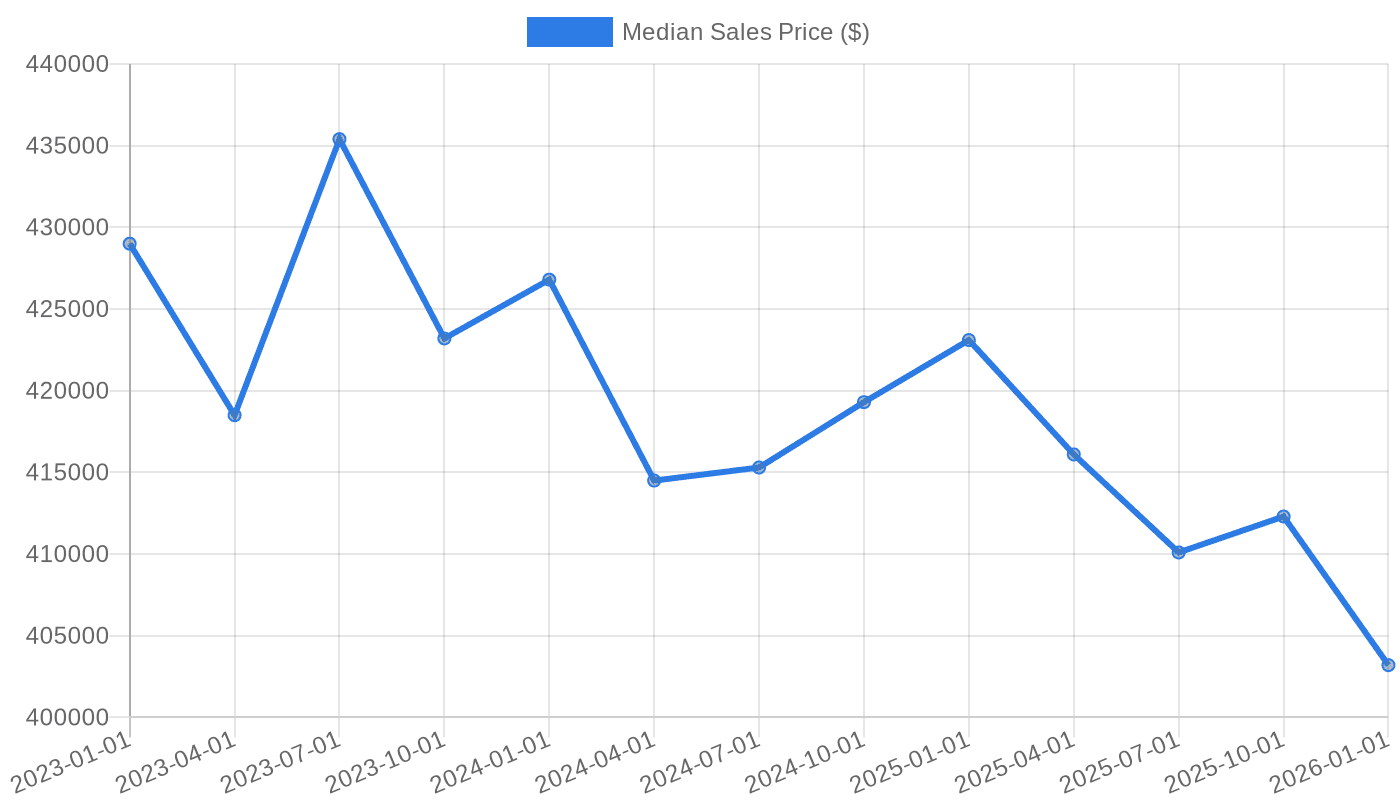
- The national median sales price is $403,200 (as of Q1 2026) and median days on market is 52 days — both affect your comp selection window.
- Software like PropStream and ATTOM Data can pull comps in seconds, but you still need to verify each comp manually.
- Always run comps for both as-is value and after-repair value — your offer is based on the spread.
What Are Real Estate Comps?
Real estate comps (comparables) are recently sold properties that are similar to your subject property in location, size, condition, and features. Wholesalers use comps to estimate the after-repair value (ARV) and the as-is value of a deal. The more accurate your comps, the better your offer and the higher your chance of assigning the contract.
Why Accurate Comps Matter for Wholesalers
As a wholesaler, you're not buying the house — you're buying the spread between the contract price and the ARV. A mistake of $10,000 on the ARV can wipe out your assignment fee or worse, leave the end buyer stuck with a bad deal.
The national median sales price of houses sold in the U.S. was $403,200 as of January 2026. That's the benchmark. But your local market will vary. You need comps from the same neighborhood, not the national average.
The Cost of Bad Comps
- Overestimating ARV: You set your assignment fee too high, the deal doesn't close, and you waste time.
- Underestimating ARV: You leave money on the table or lose the deal to a higher offer.
- Using expired or old comps: Markets shift. A comp from 6 months ago may not reflect current conditions.
How to Find Real Estate Comps for Wholesaling: Step by Step
Step 1: Define Your Subject Property
Start with the basics: address, square footage, bedroom/bath count, lot size, year built, and current condition. You'll need these to filter comps.
Step 2: Set Your Search Criteria
- Radius: Start with 0.5 miles. Expand to 1 mile if you don't get enough comps.
- Sale date: Use sales within the last 6 months. In a fast-moving market, 3 months is better.
- Property type: Single-family, condo, townhouse — match exactly.
- Square footage: Within 20% of the subject's size.
- Bedrooms/bathrooms: Same or within 1.
- Condition: Similar condition (or adjust for repairs).
Step 3: Pull Comps from Multiple Sources
Don't rely on one source. Use the MLS (if you have access), public records, and software tools. The Wholesale REI directory tracks 63 software tools across 9 categories to help you find comps faster.
Step 4: Adjust Each Comp
No two houses are identical. Adjust the sale price of each comp for differences:
- Square footage: Add or subtract $50-$150 per sq ft depending on market.
- Bedrooms/bathrooms: Each extra bedroom might add $5,000-$15,000.
- Garage, pool, lot size: Adjust based on local value.
- Condition: A comp that needs new kitchen vs one that's renovated.
- Date of sale: If the market is rising, older comps may need a positive adjustment.
Step 5: Calculate the ARV
After adjustments, take the adjusted sale prices of your 3-5 best comps and find the weighted average. That's your ARV.
Step 6: Calculate Your Maximum Allowable Offer (MAO)
MAO = ARV × 70% - Repair Costs
This is the standard formula wholesalers use. The 70% leaves room for the end buyer's profit, closing costs, and your assignment fee.
Best Tools for Finding Real Estate Comps
| Tool | Key Feature | Best For |
|---|---|---|
| PropStream | Nationwide property data, comps, and analytics | Wholesalers who need fast, accurate comps with photos and tax records |
| ATTOM Data | Comprehensive property and ownership data | Investors needing bulk data or API access |
| GoHighLevel | CRM with built-in lead tracking and reporting | Wholesalers who want to manage deals and comps in one place |
| CallTools | Power dialer and SMS automation | Wholesalers who prospect and need to track comps alongside calls |
| Launch Control | Skip tracing and data enrichment | Finding motivated sellers and verifying property details |
| Rezzie | AI-powered property analysis and comps | New wholesalers who want automated comp reports |
How to Analyze Comps Like a Pro
Look at Days on Market
The median days on market in the U.S. was 52 days as of May 2026. If your comps sold in 30 days, the market is hot. If they took 90+ days, you need to factor in longer holding costs for the end buyer.
Check the Price Trend
Home prices have been fluctuating. The median sales price dropped from $429,000 in Q1 2023 to $403,200 in Q1 2026. That's a 6% decline. If your local market is also softening, use the most recent comps and be conservative on ARV.
Use the 30-Year Mortgage Rate Context
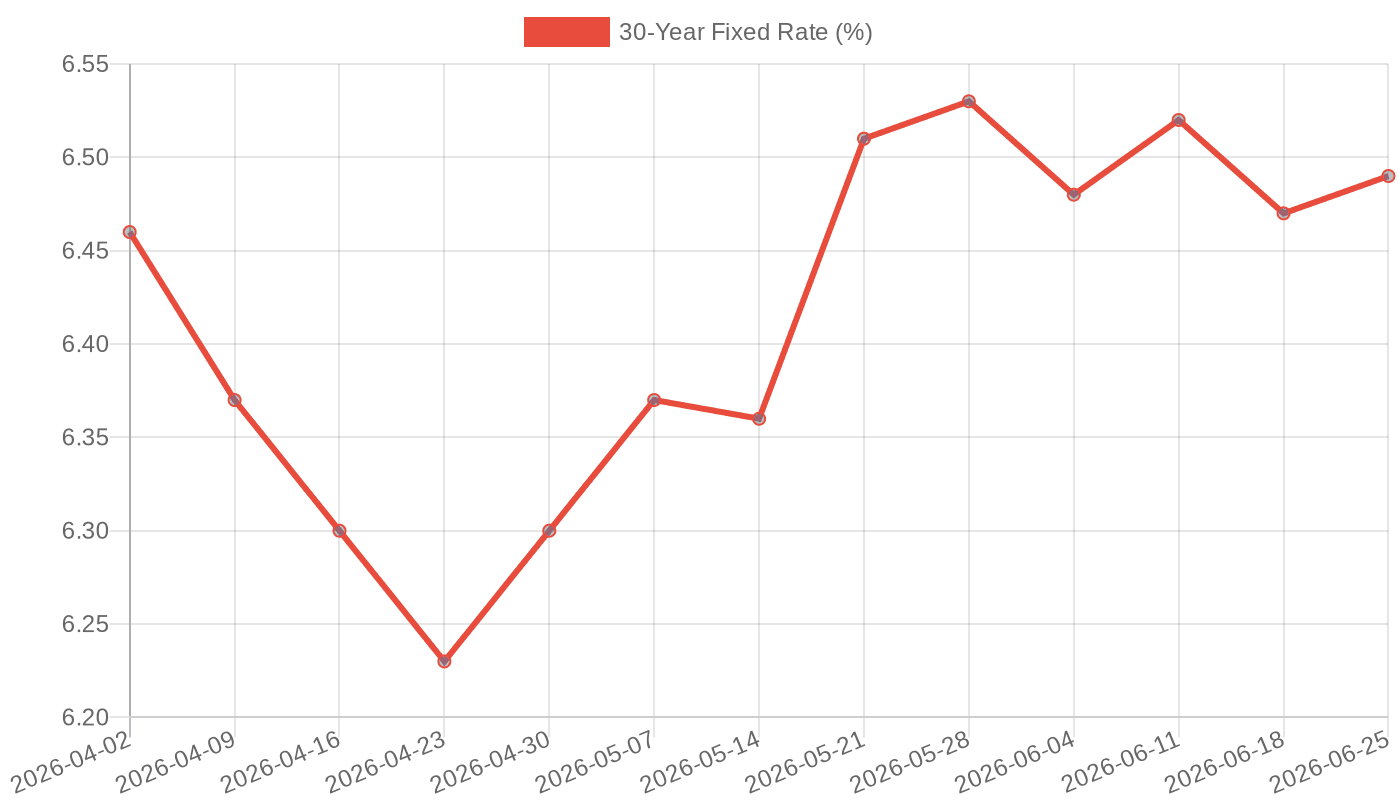
Mortgage rates were around 6.49% as of June 25, 2026. Higher rates reduce buyer purchasing power, which can lower ARV. When rates are high, your end buyer will be more price-sensitive, so your comps should reflect that.
Common Mistakes When Finding Comps
- Using active listings instead of solds. Only sold properties tell you what a buyer actually paid.
- Ignoring foreclosures and short sales. These can skew your comps if they're not in similar condition.
- Not adjusting for time. A comp from 8 months ago may not be valid in a shifting market.
- Using too few comps. Always use at least 3, preferably 5.
- Relying on Zestimate or automated values. They're a starting point, not a final answer.
How to Verify Comps Before Making an Offer
- Drive the comps. See the neighborhood, condition, and any obvious differences.
- Check public records. Confirm square footage, lot size, and sale date.
- Talk to a local agent. They can tell you about off-market nuances.
- Run a second set of comps for the as-is value. Your offer is based on what the house is worth now, not after repairs.
The Bottom Line
Finding accurate real estate comps is the single most important skill for a wholesaler. Use multiple sources, adjust for differences, and always verify in person. The national median price is $403,200, but your deal lives in your local market. Start by comparing the tools in the Wholesale REI directory — PropStream, ATTOM Data, and others can save you hours. And if you want to practice your pitch before calling a seller, try our free AI Cold Call Trainer — it's free and takes no signup to start.
Frequently Asked Questions
What are real estate comps in wholesaling?
Real estate comps are recently sold properties similar to your subject property in location, size, and condition. Wholesalers use them to estimate the after-repair value (ARV) and as-is value to determine a profitable offer.
How many comps should I use for a wholesale deal?
Use at least 3 to 5 comparable sold properties. More comps give you a better average, but always adjust for differences in size, condition, and sale date.
What is the 70% rule in wholesaling?
The 70% rule says your maximum allowable offer (MAO) should be 70% of the ARV minus repair costs. This leaves room for the end buyer's profit, closing costs, and your assignment fee.
Can I use Zillow or Redfin for comps?
You can use them as a starting point, but always verify with public records and local MLS data. Automated values like Zestimate are not reliable enough for wholesale deals.
How do mortgage rates affect comps?
Higher mortgage rates reduce buyer purchasing power, which can lower ARV. When rates are high, use the most recent comps and be conservative in your estimates.
What tools help find real estate comps quickly?
PropStream and ATTOM Data are popular for pulling comps fast. The Wholesale REI directory lists 63 tools across 9 categories to help you find comps and manage deals.
Sources
- Median Sales Price of Houses Sold (as of 2026-01-01) — FRED (Federal Reserve Bank of St. Louis)
- 30-Year Fixed Mortgage Rate (as of 2026-06-25) — FRED (Federal Reserve Bank of St. Louis)
- Median Days on Market (as of 2026-05-01) — FRED (Federal Reserve Bank of St. Louis)
- Software tools tracked in the Wholesale REI directory — Wholesale REI directory
- Tool categories in the Wholesale REI directory — Wholesale REI directory
This article was researched and drafted with AI assistance, then reviewed and edited by Mark Anthony. Every statistic is sourced and cited. It's for informational purposes only and is not financial or legal advice. Read our editorial policy.