Free Real Estate Comps: Best Tools Compared


You're a wholesaler, and you need comps fast—but you're not about to drop hundreds a month on data when your margins are already thin. The good news: you can pull accurate, investor-grade comps for free, and I'm going to show you exactly how.
Key Takeaways
- Free comp tools like county records, Zillow, and Redfin can handle 80% of your comping needs, but they require manual verification.
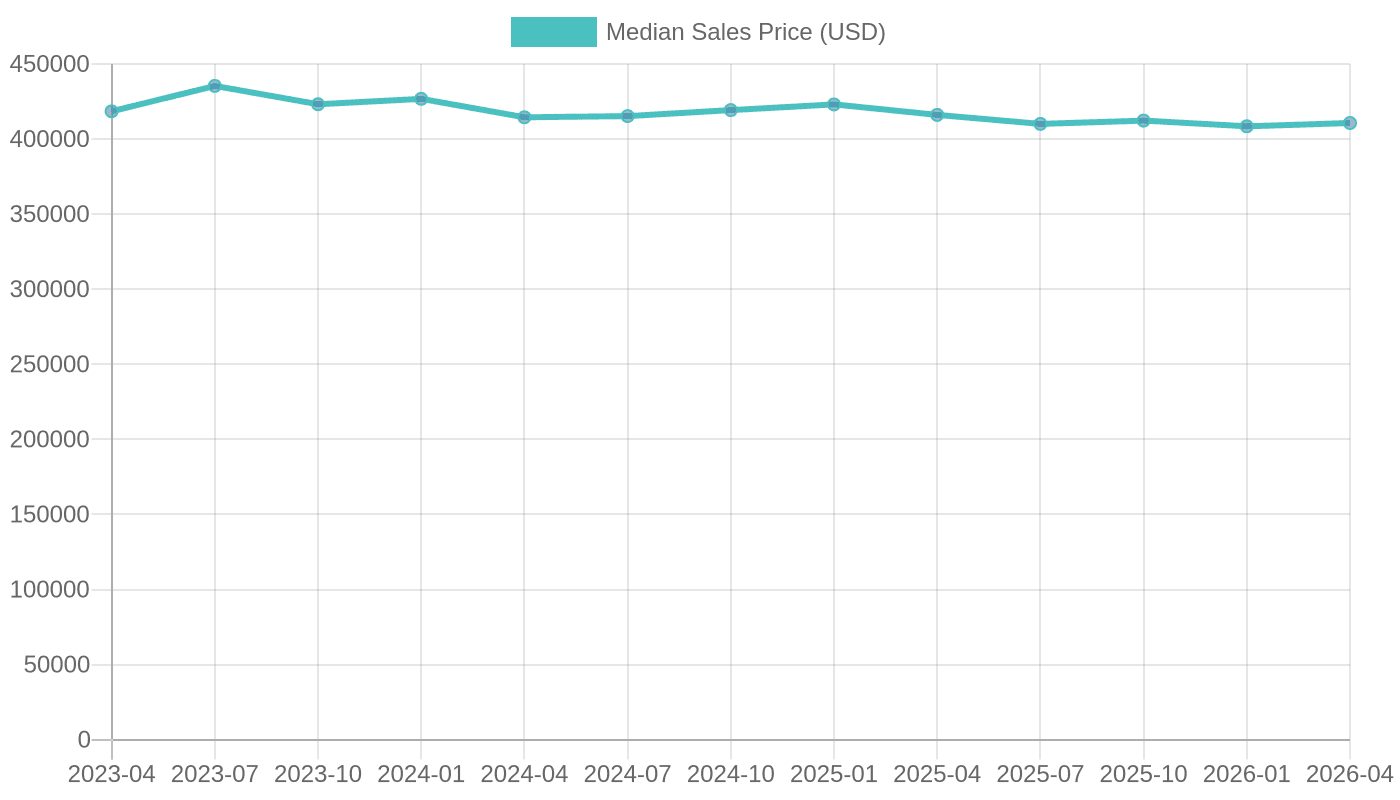
- The median US home price sits at $410,700 (as of April 2026), and days on market averages 53—both crucial for pricing your offers.
- Paid tools like PropStream and ATTOM Data offer deeper data, but you can start with free trials and limited plans.
- Always use at least 3-5 comparable sold comps within a 0.5-mile radius and adjust for differences in square footage, condition, and lot size.
- Combine free comps with a solid ARV calculation to make offers that sellers accept and buyers don't laugh at.
What Are Real Estate Comps?
Real estate comps (comparable sales) are recently sold properties that are similar to your subject property in location, size, condition, and features—used to estimate its market value.
Think of comps as the evidence you present to a seller to justify your offer, and to a buyer to justify your ARV. Without solid comps, you're just guessing, and guessing loses deals.
For wholesalers, comps are the backbone of your offer strategy. They tell you the after-repair value (ARV), which tells you your maximum allowable offer (MAO). Get the comps wrong, and you either overpay (killing your profit) or under-offer (killing the deal).
Why Free Comps Matter for Wholesalers
Free comps matter because they let you evaluate deals without eating into your margins—especially when you're just starting out or scaling your volume.
Let's face it: wholesaling is a numbers game. You might analyze 50 deals to close one. If you're paying $100/month for a data service, that's $1,200 a year before you even make a dime. Free tools keep your overhead near zero.
But free doesn't mean inferior. With the right approach, you can get comps that are just as accurate as paid services—you just have to do a little more legwork.
The Cost of Inaccurate Comps
A bad comp can cost you thousands. If you overestimate the ARV by $10,000, you might offer too much, leaving no room for assignment fees. If you underestimate, you'll lose the deal to another wholesaler.
That's why it's critical to use reliable data and verify it yourself.
Best Free Real Estate Comps Tools
The best free real estate comps tools are county assessor records, Zillow, Redfin, Realtor.com, and the FEMA flood map—each with its own strengths for wholesalers.
Here's a breakdown of the top free options and how to use them effectively.
1. County Assessor / Recorder Websites
County assessor sites are the gold standard for free, accurate comp data—they're the official source for sales history, property characteristics, and tax assessments.
Most counties offer free online search. You can find:
- Sold price and date
- Square footage, lot size, year built
- Bedrooms, bathrooms
- Tax assessment history
- Sometimes even photos and floor plans
The downside? The interface is often clunky, and data can be a few weeks behind. But it's the most reliable source for comps.
Pro tip: Bookmark your target county's assessor site. You'll use it constantly.
2. Zillow
Zillow is a great starting point for comps because it aggregates MLS data, but its Zestimate is not a reliable comp—always use actual sold listings.
Zillow's sold listings show you:
- Sold price and date
- Property details
- Price per square foot
- Days on market
You can filter by sold date, property type, and price range. It's fast and user-friendly.
Caveat: Zestimates can be off by 5-10% or more. Always verify with actual sold comps.
3. Redfin
Redfin offers similar features to Zillow but often has more accurate and up-to-date MLS data, especially in metro areas.
Redfin's sold data includes:
- Sold price and date
- Property details
- Price per square foot
- Days on market
- Sometimes listing history
Redfin also has a "sold" filter that's easy to use. It's a solid alternative to Zillow.
4. Realtor.com
Realtor.com is another free option with reliable sold data, and it's particularly good for finding off-market or expired listings.
You can search sold properties and filter by date, price, and property type. It also shows price history, which can be useful for understanding a property's value trend.
5. FEMA Flood Maps
FEMA flood maps are free and critical for checking whether a property is in a flood zone—a major value factor that can kill a deal.
Flood risk affects insurance costs and resale value. A property in a flood zone might be worth 10-20% less than a comparable one outside the zone. Always check.
6. Local Real Estate Investor Groups (Facebook, BiggerPockets)
Investor groups are a free source of comps and market intel—you can ask for recent sales in a specific area and get real-world feedback.
These communities are gold for learning what's actually selling and for finding off-market deals. Just be careful with unverified data.
How to Pull Comps for Free (Step-by-Step)
Here's a step-by-step process to pull accurate comps for free, using the tools above.
Step 1: Gather Subject Property Details
Start with the subject property's basics:
- Address
- Square footage
- Bedrooms/bathrooms
- Lot size
- Year built
- Condition (if known)
You'll need these to filter comps.
Step 2: Find Sold Comps Within 0.5 Miles
On Zillow, Redfin, or your county site, search for sold listings within 0.5 miles of your subject. If you can't find enough, expand to 1 mile.
Filter by:
- Sold in the last 6 months (or 12 if the market is slow)
- Similar square footage (±20%)
- Similar beds/baths
- Similar property type (SFR, condo, etc.)
Step 3: Verify the Comps
Cross-check each comp on at least two sources. For example, if Zillow says a house sold for $300,000, verify it on the county site. This catches errors.
Step 4: Adjust for Differences
No two houses are identical. Adjust the comp's price to match your subject:
- Square footage: $50-$100 per sq ft difference
- Bed/bath: $5,000-$10,000 per bedroom, $2,500-$5,000 per bath
- Condition: $10,000-$20,000 for updated vs. outdated
- Lot size: $10,000-$25,000 for larger lots
- Garage: $5,000-$10,000 for a garage
Step 5: Calculate the Average Adjusted Price
Add up the adjusted prices and divide by the number of comps. That's your estimated value.
Step 6: Determine ARV and MAO
Your ARV is the market value after repairs. Your MAO (Maximum Allowable Offer) is:
MAO = ARV × 0.70 - Repairs
This leaves room for your assignment fee and the buyer's profit.
Free vs. Paid Comps Tools: A Comparison
Free tools are great for basic comps, but paid tools like PropStream and ATTOM Data offer deeper data, automation, and speed—here's how they stack up.
| Feature | Free Tools (Zillow, County) | Paid Tools (PropStream, ATTOM) |
|---|---|---|
| Cost | $0 | $50-$200+/month |
| Data Accuracy | Good, but manual | High, often MLS-sourced |
| Speed | Slow (manual) | Fast (automated) |
| Data Depth | Basic | Advanced (owner info, liens, etc.) |
| Ease of Use | Varies | User-friendly |
| Best For | Starting out, low volume | Scaling, high volume |
If you're just starting, free tools are enough. As you scale, consider a paid tool to save time.
Common Mistakes to Avoid When Using Free Comps
Avoid these common mistakes to keep your comps accurate and your deals profitable.
- Using Zestimates as comps: Always use actual sold prices, not automated valuations.
- Ignoring days on market: A property that sat for 100 days might sell below market—adjust accordingly.
- Using expired or active listings: Only sold comps count.
- Not adjusting for condition: A renovated house is worth more than a fixer-upper.
- Using comps too far away: Stick to 0.5-1 mile radius.
- Forgetting flood zones: Check FEMA maps.
How to Verify Free Comps for Accuracy
Verification is key—here's how to make sure your free comps are accurate.
Cross-Reference Multiple Sources
Don't rely on one site. Check Zillow, Redfin, and the county assessor. If they agree, you're good.
Check the Sold Date
Comps should be recent—ideally within 6 months. Older sales may not reflect current market conditions.
Look at Price per Square Foot
Calculate the price per sq ft for each comp. If one is way off, it might be an outlier.
Drive the Properties
If possible, drive by the comps to see their condition. A comp that looks like a dump will need a bigger adjustment.
The Current Market: What the Numbers Say
The current market is stabilizing after a period of high prices and mortgage rates—here's what the data shows.
As of April 2026, the median US home price is $410,700, according to FRED. That's down slightly from the peak of $435,400 in July 2023.
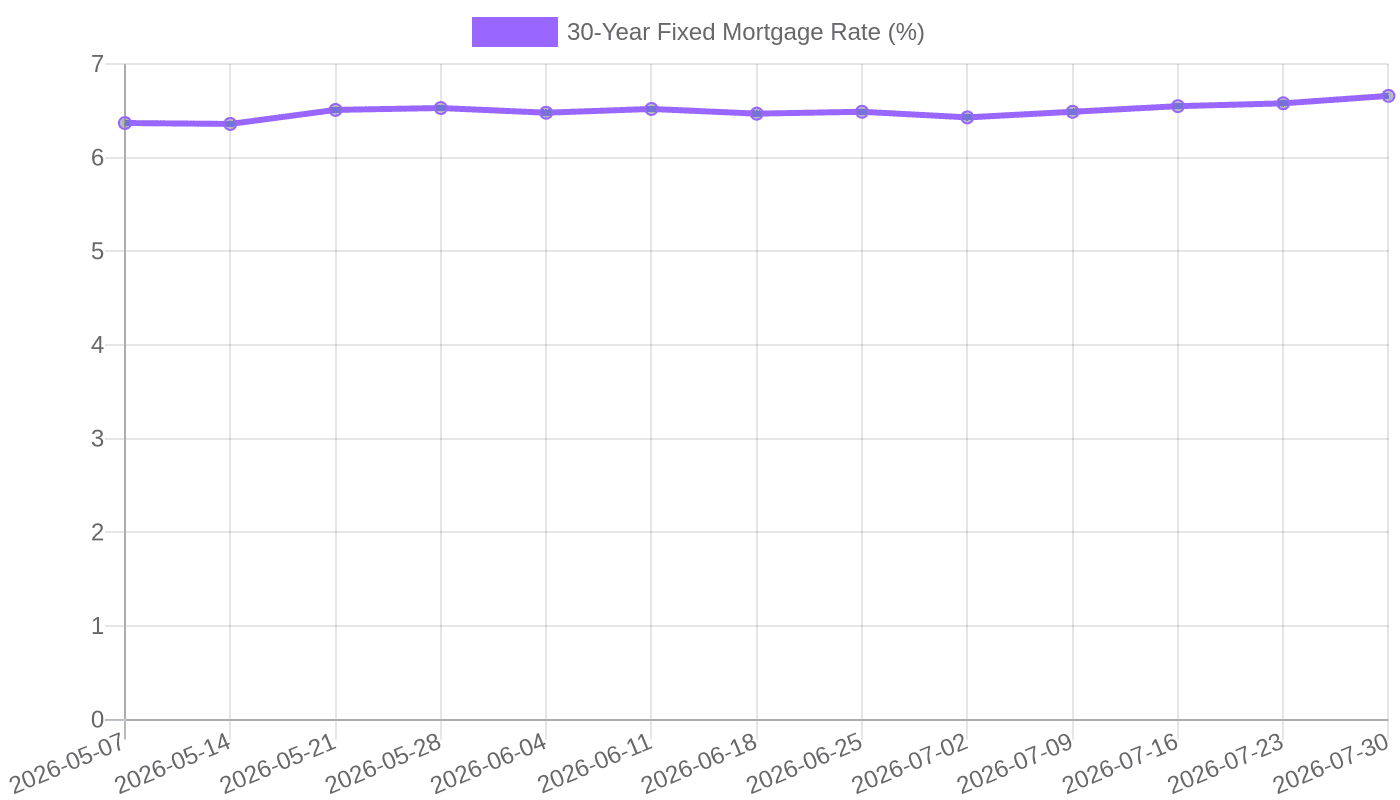
The 30-year fixed mortgage rate is 6.66% as of July 30, 2026, up from 6.37% in early May. Higher rates mean buyers are more cautious, which can slow price growth.
Homes are selling in a median of 53 days as of June 2026, up from 52 days in May. That's still a seller's market, but the days on market are creeping up, giving you more negotiating room.
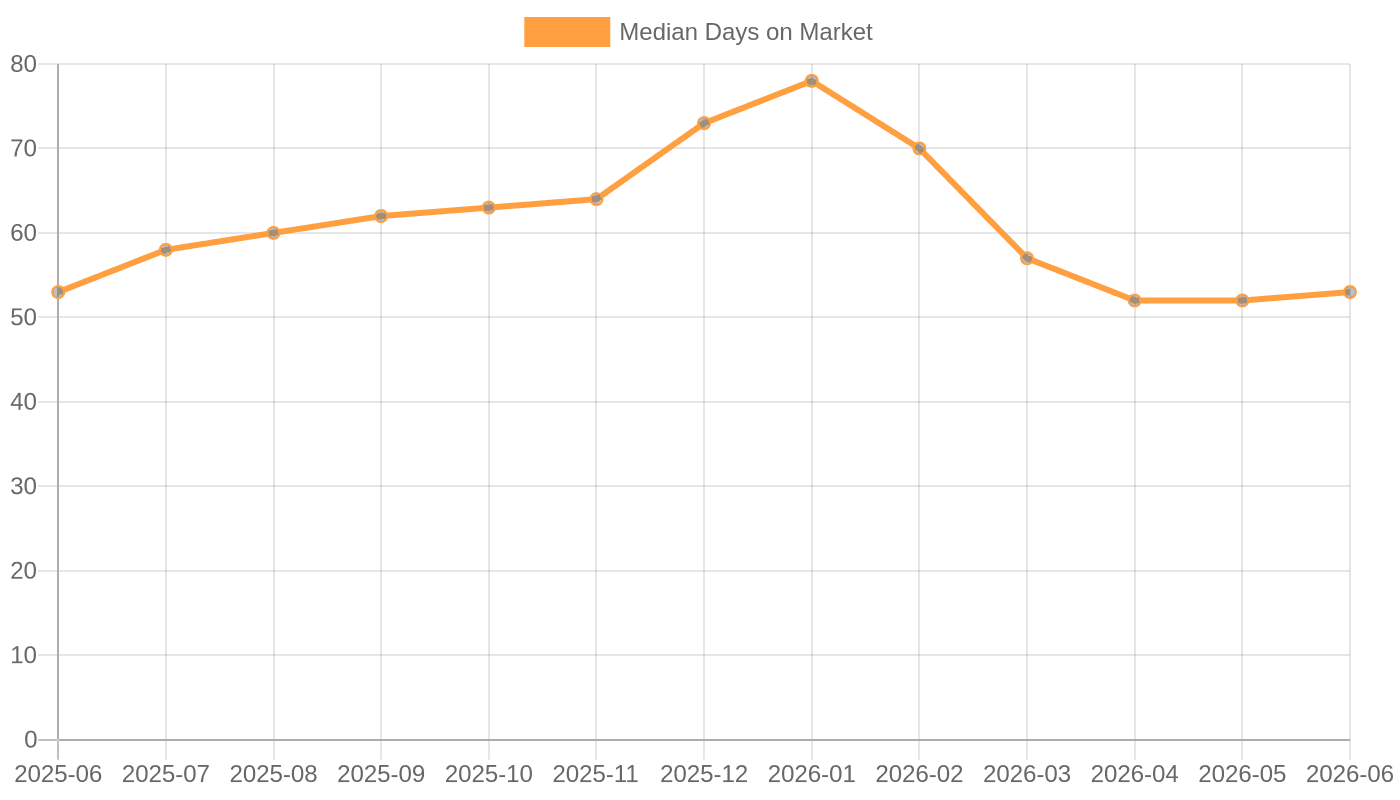
What does this mean for your comps? Use recent sales (last 3-6 months) to stay current. And factor in that homes are taking longer to sell—you might need to adjust your ARV down slightly.
How to Use Free Comps to Win More Deals
Free comps can help you win deals by making your offers credible and your ARV accurate—here's how to use them strategically.
Present Comps to Sellers
When you make an offer, bring a comp sheet. Show the seller that your offer is based on real data, not a lowball guess. This builds trust.
Negotiate with Confidence
If a seller pushes back, you can point to your comps. "The comps show homes in this area selling for $X, and after repairs, your house is worth $Y."
Find Undervalued Properties
By pulling comps on multiple properties, you can spot ones that are priced below market. Those are your best wholesale deals.
Use Comps to Set Your Assignment Fee
Your assignment fee is the difference between your contract price and the buyer's price. Comps help you set a realistic contract price that leaves room for your fee.
The Bottom Line
Free real estate comps are more than enough to get you started and even scale your wholesaling business—if you use them correctly.
Start with county records, Zillow, and Redfin, and follow the step-by-step process above. As you grow, consider upgrading to a paid tool to save time. And before you make your next offer, practice your pitch with our free AI Cold Call Trainer to nail the conversation with the seller.
Now go pull some comps and make an offer!
Frequently Asked Questions
What are real estate comps?
Real estate comps are recently sold properties similar to your subject property in location, size, condition, and features. They help estimate market value and ARV.
Can I get real estate comps for free?
Yes, you can use county assessor records, Zillow, Redfin, and Realtor.com to find sold comps for free. You'll need to verify the data manually.
How many comps should I use?
Use at least 3-5 sold comps within a 0.5-mile radius, sold in the last 6 months. Adjust for differences in square footage, condition, and features.
Are Zestimates reliable for comps?
No, Zestimates are automated estimates and can be off by 5-10% or more. Always use actual sold prices from the sold listings.
What is the MAO formula?
MAO (Maximum Allowable Offer) = ARV × 0.70 - Repairs. This leaves room for your assignment fee and the buyer's profit.
How do I adjust comps for differences?
Adjust for square footage ($50-$100/sq ft), beds/baths ($5,000-$10,000 per bed, $2,500-$5,000 per bath), condition, lot size, and garage. Add or subtract from the comp's price.
Sources
- Median Sales Price of Houses Sold — FRED (Federal Reserve Bank of St. Louis)
- 30-Year Fixed Mortgage Rate — FRED (Federal Reserve Bank of St. Louis)
- Median Days on Market — FRED (Federal Reserve Bank of St. Louis)
This article was researched and drafted with AI assistance, then reviewed and edited by Mark Anthony. Every statistic is sourced and cited. It's for informational purposes only and is not financial or legal advice. Read our editorial policy.