How to Wholesale Real Estate in Florida: A State-Specific Guide

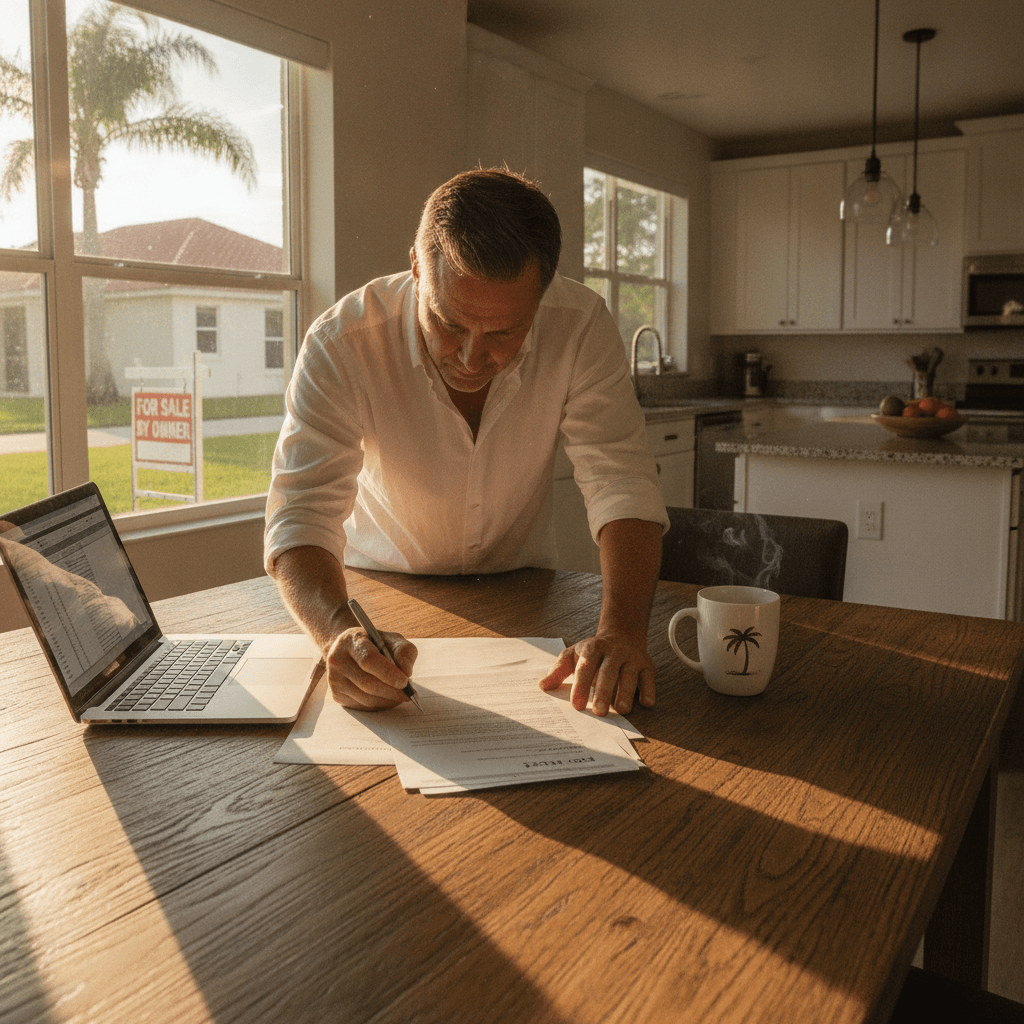
Wholesaling in Florida can be lucrative, but the state's contract laws and disclosure rules trip up more new investors than almost anywhere else. If you don't get the paperwork right, you can lose the deal—or worse, end up in court. This guide walks you through the Florida-specific steps so you can close with confidence.
Key Takeaways
- Florida requires specific contract disclosures and a 3-day cancellation period for certain residential contracts; missing them can void your deal.
- You can wholesale in Florida without a license as long as you never take title or act as a broker for others—but you must use an assignable contract.
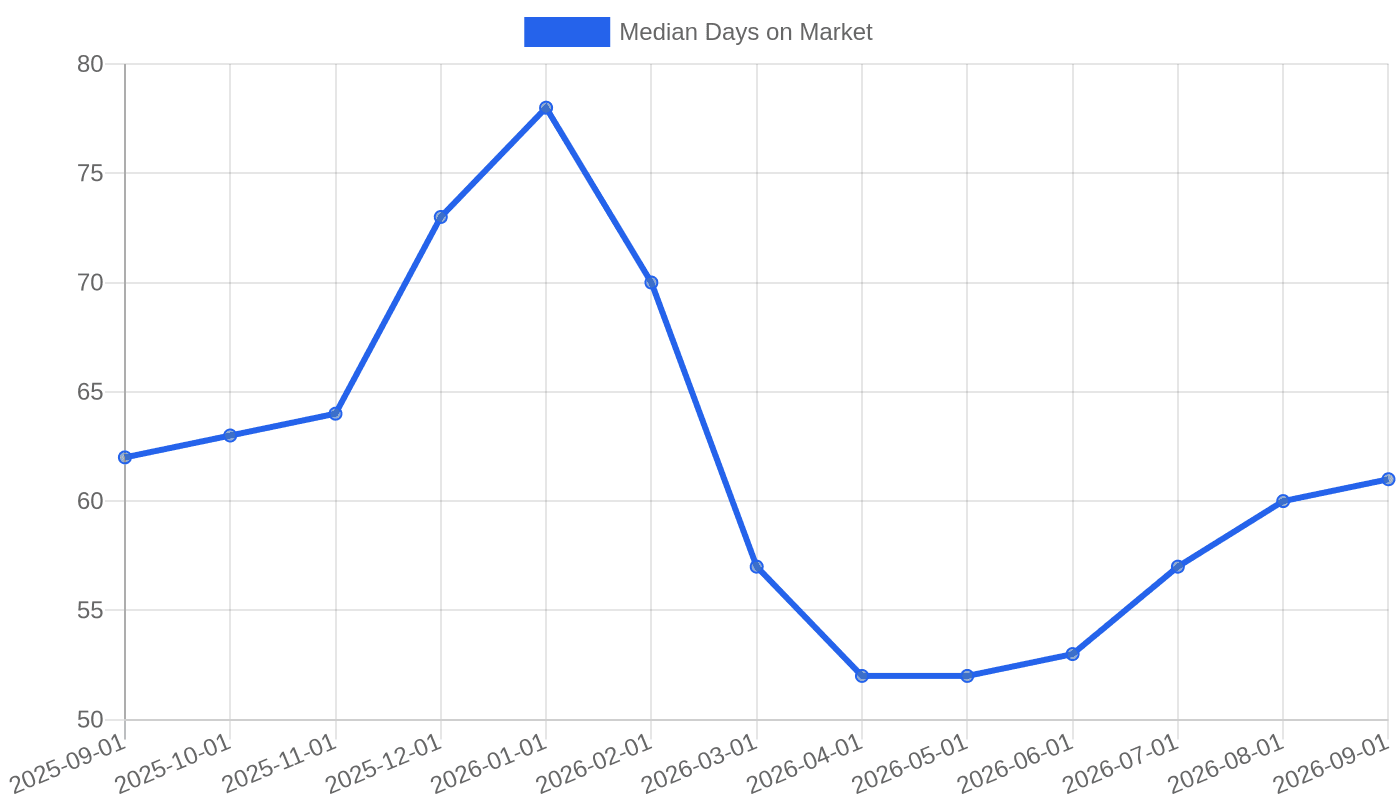
- The national median days on market is 61 as of September 2026, giving you a clear benchmark for how fast you need to move in Florida's competitive markets.
- A 30-year fixed mortgage rate of 7.32% (October 2026) means buyers are rate-sensitive, so your deals need to pencil out with strong cash flow or equity.
- The Wholesale REI directory tracks 65 software tools across 9 categories—enough to build a complete Florida wholesaling stack.
What is real estate wholesaling in Florida?
Real estate wholesaling in Florida is the practice of putting a property under contract and then assigning that contract to an end buyer for a fee, without ever taking ownership of the property. You're essentially selling the rights to buy the house, not the house itself.
In Florida, this is legal as long as you're not acting as a real estate broker for someone else. You're an investor negotiating your own contract. But the state has specific rules about how you market the property and what you must disclose to the seller.
The distinction matters more in Florida than in most states because the line between "investor" and "unlicensed broker" is enforced by the Florida Real Estate Commission (FREC). The core test is simple: are you contracting in your own name, for your own account, bearing your own risk? If yes, you're an investor. If you're matching other people's buyers and sellers for a fee, you're brokering—and that requires a license. Every operational decision you make downstream should reinforce the "principal" side of that line.
The three main players in a Florida wholesale deal
- The motivated seller – often facing foreclosure, divorce, or inherited property.
- You, the wholesaler – you negotiate a purchase contract with an assignment clause.
- The end buyer – typically a cash investor or fix-and-flipper who closes on the contract.
Your profit is the assignment fee—the difference between your contract price and what the end buyer pays. In Florida, that fee can range from a few thousand dollars to tens of thousands, depending on the deal.
It helps to think of each player's incentives, because your deal only closes if all three align:
- The seller wants certainty and speed—a clean cash close with no financing contingency and no repair requests. Your job is to solve their problem, not to squeeze the last dollar.
- You want a spread wide enough to cover your marketing, time, and risk, while still leaving the end buyer a reason to say yes.
- The end buyer wants a deal that works at their numbers—typically the 70% rule or better—so your assignment fee has to fit inside the equity you negotiated with the seller.
If any one leg of that triangle is weak, the deal stalls. Most failed wholesale deals in Florida fail at the buyer leg: the fee is too fat, the repairs were underestimated, or the contract wasn't cleanly assignable.
What wholesaling is not in Florida
- It is not listing a property for sale to the public. Advertising a home you don't own to the general public looks like brokerage.
- It is not collecting a fee to "connect" a seller with a buyer. That's the textbook definition of unlicensed brokerage.
- It is not taking title and flipping—that's a different business with different tax and financing implications.
Why Florida is different for wholesalers
Florida is different because its real estate contracts have strict disclosure and cancellation requirements that many other states don't impose. The Florida Residential Property and Motor Vehicle Disclosure Act, for example, requires sellers to disclose known defects. If you're wholesaling, you inherit that obligation when you put the property under contract.
Also, Florida law treats assignment fees as taxable income, and if you do too many deals without a license, the Florida Real Estate Commission (FREC) may take an interest. The key is to stay clearly on the investor side of the line: you buy contracts for your own account, not for others.
Beyond disclosures, several Florida-specific realities shape how you operate:
- It's a title state. Closings are typically handled by title companies rather than attorneys, though attorneys are common in some markets. That means your closing agent is your operational partner—brief them early on assignments.
- Hurricane and wind-mitigation codes. Roofs, windows, and structural repairs carry code-driven costs that inland or non-coastal states don't see. A roof replacement that looks like a line item on paper can trigger permitting and inspection timelines.
- Older housing stock in many metros. Pre-1978 homes trigger federal lead-based paint disclosure obligations, and older electrical and plumbing systems inflate repair budgets.
- No state income tax. Your assignment fees escape state income tax, but they remain fully taxable at the federal level—plan for it.
The 3-day cancellation rule
For certain residential contracts, Florida gives the buyer a 3-business-day right to cancel. That means your end buyer could back out within three days of signing. Smart wholesalers build that window into their timeline and don't spend the assignment fee until it expires.
Practically, this changes how you sequence a close:
- Get the assignment agreement fully executed.
- Confirm with your title agent when the cancellation window closes.
- Don't schedule contractor walkthroughs, spend marketing dollars on the next deal against this fee, or make promises to the seller based on funds until the window has passed.
- Keep written proof of the dates in your deal file.
Treat the cancellation window as a mandatory buffer in your calendar, not an inconvenience. A deal that "fell through on day two" is far cheaper than one you already spent.
How do you wholesale real estate in Florida step by step?
You wholesale in Florida by following a repeatable seven-step process: find motivated sellers, run the numbers, get a contract with an assignment clause, market to cash buyers, assign the contract, close, and collect your fee. Each step has Florida-specific wrinkles.
Step 1: Find motivated sellers
Start with public records. Florida county property appraiser websites are free and show ownership, tax status, and sometimes foreclosure filings. Look for out-of-state owners, probate listings, and properties with code violations.
A practical sourcing routine for a Florida market:
- Pull the county property appraiser data for your target ZIP codes and filter for out-of-state mailing addresses—absentee owners are a classic motivation signal.
- Check the clerk of courts for probate filings and lis pendens (foreclosure notices).
- Scan code enforcement records for violations that create pressure on owners.
- Cross-reference tax delinquency lists—owners behind on property taxes are often receptive.
You can also use data tools. The Wholesale REI directory lists tools like PropStream and ATTOM Data that let you filter by these exact criteria across Florida counties.
Once you have a list, the work shifts to outreach: direct mail, cold calling, and follow-up. Consistency beats volume—a smaller list worked repeatedly with a CRM outperforms a huge list touched once.
Step 2: Run your numbers
Use the 70% rule: your maximum offer is 70% of the after-repair value (ARV) minus repairs. In Florida, repairs can be higher due to hurricane codes and older housing stock, so pad your repair estimate by 10-15%.
For example, if a house has an ARV of $300,000 and needs $40,000 in repairs, your max offer is $170,000 (70% of $300k = $210k, minus $40k = $170k). Your assignment fee comes out of that spread.
Build a simple deal worksheet you run on every property:
- Estimate ARV from recent comparable sales—same subdivision, similar size, sold in the last few months, in updated condition.
- Build a line-item repair estimate (roof, HVAC, electrical, plumbing, kitchen, baths, flooring, paint, landscaping). Then add your 10-15% Florida pad.
- Apply the 70% rule to get your maximum allowable offer.
- Subtract your target assignment fee to arrive at the price you'll actually offer the seller.
- Sanity-check with the end buyer's lens: would a flipper still make money at your assignment price? If not, your fee is too high or your ARV is too optimistic.
The most common numerical error is inflated ARV. Be conservative—if the comps are split, use the lower end.
Step 3: Get a contract with an assignment clause
Use a Florida-specific purchase and sale agreement that includes an assignability clause. The contract should state that the buyer (you) may assign the contract to a third party. Also include an inspection period—typically 10-15 days—so you have time to find an end buyer.
Florida real estate attorneys can draft a custom contract for a few hundred dollars. That's cheap insurance compared to a deal falling apart.
Your contract should also address:
- Who pays closing costs and how title insurance is handled.
- The earnest money amount and holder (typically the title company).
- The inspection period terms—your exit ramp if the deal doesn't pencil out or you can't find a buyer.
- Clear assignment language naming your right to assign "to a third party or nominee."
Have the attorney review it once, then reuse the template across deals. Keep a clean, signed copy in every deal file.
Step 4: Market to cash buyers
Build a list of active cash buyers in your Florida market. Sources include local REIA meetings, Facebook groups, and tools like Launch Control or GoHighLevel for CRM and outreach. You can also pull cash buyer lists from data providers like ATTOM.
When you market a deal, be clear that you're selling the contract, not the property. Include photos, repair estimates, and your asking price for the assignment.
A deal package that gets responses typically includes:
- Property address and basic specs (beds, baths, square footage, lot size).
- Photos—exterior, roof, mechanicals, and any damage.
- Your repair estimate and the ARV with comps.
- Your assignment price and the projected buyer profit.
- Timeline to close and any known title issues.
Send it to your private list only. Keep a simple tracking sheet of who received it and who responded, and follow up—most buyers won't act on the first message.
Step 5: Assign the contract
Once you have a buyer, sign an assignment agreement. This transfers your rights in the purchase contract to the end buyer. The assignment fee is typically paid at closing from the buyer's funds.
In Florida, the title company or real estate attorney handles the closing. Make sure they know it's an assignment and have the assignment agreement in advance.
Best practice: introduce the assignment to your closing agent before you sign it. Confirm they've handled assignments before, confirm how the fee will be disbursed, and send the assignment agreement and the original purchase contract together. Surprises at closing are expensive.
Step 6: Close
Closing is usually handled by a title company. Florida is a title state, so title companies are common. The closing agent will collect the purchase price from your end buyer, pay off the seller, and cut you a check for the assignment fee.
Your job during closing is to stay responsive: clear title issues, provide any documents the title agent requests, and keep the seller informed so they don't get nervous and walk.
Step 7: Collect your fee
Your assignment fee is paid at closing. Keep records of every deal for tax purposes. In Florida, there's no state income tax, but you'll still owe federal taxes on your assignment fees.
Set aside a percentage of each fee for taxes, keep a deal ledger (property, dates, contract price, assignment price, fee), and retain your closing statements. Your future self—and your accountant—will thank you.
What are the legal requirements for wholesaling in Florida?
To wholesale legally in Florida, you must avoid acting as a real estate broker without a license. That means you can't negotiate deals on behalf of others for a fee. You must also comply with disclosure laws and use assignable contracts.
The Florida Real Estate Commission (FREC) regulates brokers and sales associates. If you market a property you don't own to the general public, you might be seen as acting as a broker. To stay safe, market only to your private list of cash buyers and always disclose your role as a principal in the transaction.
A simple compliance checklist for every deal:
- Contract is in your name as buyer, with an assignment clause.
- You are not negotiating on behalf of any other party for compensation.
- Marketing goes only to your private buyer list, not public listings.
- You disclose in writing that you are a principal investor and intend to assign.
- All seller disclosures are passed through to your end buyer.
- Lead-based paint disclosure included for pre-1978 homes.
- Contract drafted or reviewed by a Florida attorney.
Do you need a license to wholesale in Florida?
No, you don't need a real estate license to wholesale in Florida as long as you're buying and selling contracts for your own account. But if you help someone else buy or sell for a fee, that's brokerage and requires a license.
The bright-line test: whose money and whose risk? If it's yours, you're an investor. If you're earning a fee for facilitating someone else's transaction, you're brokering.
What disclosures are required?
Florida requires sellers to disclose known defects that materially affect the property's value. As a wholesaler, you're not the seller—you're assigning the contract—but you still need to pass along any disclosures the original seller provided. Also, if the property was built before 1978, federal lead-based paint disclosure rules apply.
Treat disclosures as a chain of custody: whatever the seller gives you, hand to your end buyer, in writing, and keep a copy. If a defect surfaces later, a clean paper trail is your defense.
How do you find cash buyers in Florida?
You find cash buyers in Florida by networking at local real estate investor associations (REIAs), using data tools to identify recent cash purchases, and building a CRM to stay in touch. Florida has active REIA chapters in Miami, Orlando, Tampa, Jacksonville, and other major metros.
You can also use tools like CallTools or TeleVista for lead generation and cold calling. The Wholesale REI directory lists 65 tools across 9 categories, so you can find the right fit for your buyer outreach.
A buyer list is an asset you build over months, not days. The most reliable approach combines:
- In-person networking at REIAs—collect cards, note what each investor buys (area, price range, condition tolerance).
- Data-driven identification of recent cash purchases in your target ZIP codes.
- A CRM so every buyer gets categorized and followed up with on a schedule.
The best software for Florida wholesalers
Here's a quick comparison of tools that Florida wholesalers commonly use:
| Tool | Best for | Key feature |
|---|---|---|
| PropStream | Property data | 120+ filters, including Florida-specific |
| ATTOM Data | Bulk data | County-level ownership and sales data |
| GoHighLevel | CRM & automation | All-in-one CRM with texting and email |
| Launch Control | Direct mail | Postcard and letter campaigns |
| CallTools | Cold calling | Power dialer with local numbers |
| TeleVista | Lead generation | Targeted seller leads |
Each tool serves a different part of the funnel. Most successful wholesalers combine a data tool, a CRM, and an outreach tool.
Building your stack in the right order
Don't buy everything at once. A sensible build order:
- Data (PropStream or ATTOM) so you can source and analyze deals.
- CRM (GoHighLevel) so leads and buyers don't fall through the cracks.
- Outreach (Launch Control for mail, CallTools for calls) once you have lists worth working.
Add tools only when a specific bottleneck demands it.
How do market conditions affect Florida wholesaling?
The national median days on market is 61 as of September 2026, which means homes are sitting longer than during the 2021 boom. That gives you more time to find a buyer, but it also means sellers may be more motivated.
Mortgage rates matter too. The 30-year fixed rate was 7.32% as of October 22, 2026, up from 6.66% in late July. Higher rates push some retail buyers out of the market, which can increase demand for your cash-buyer deals.
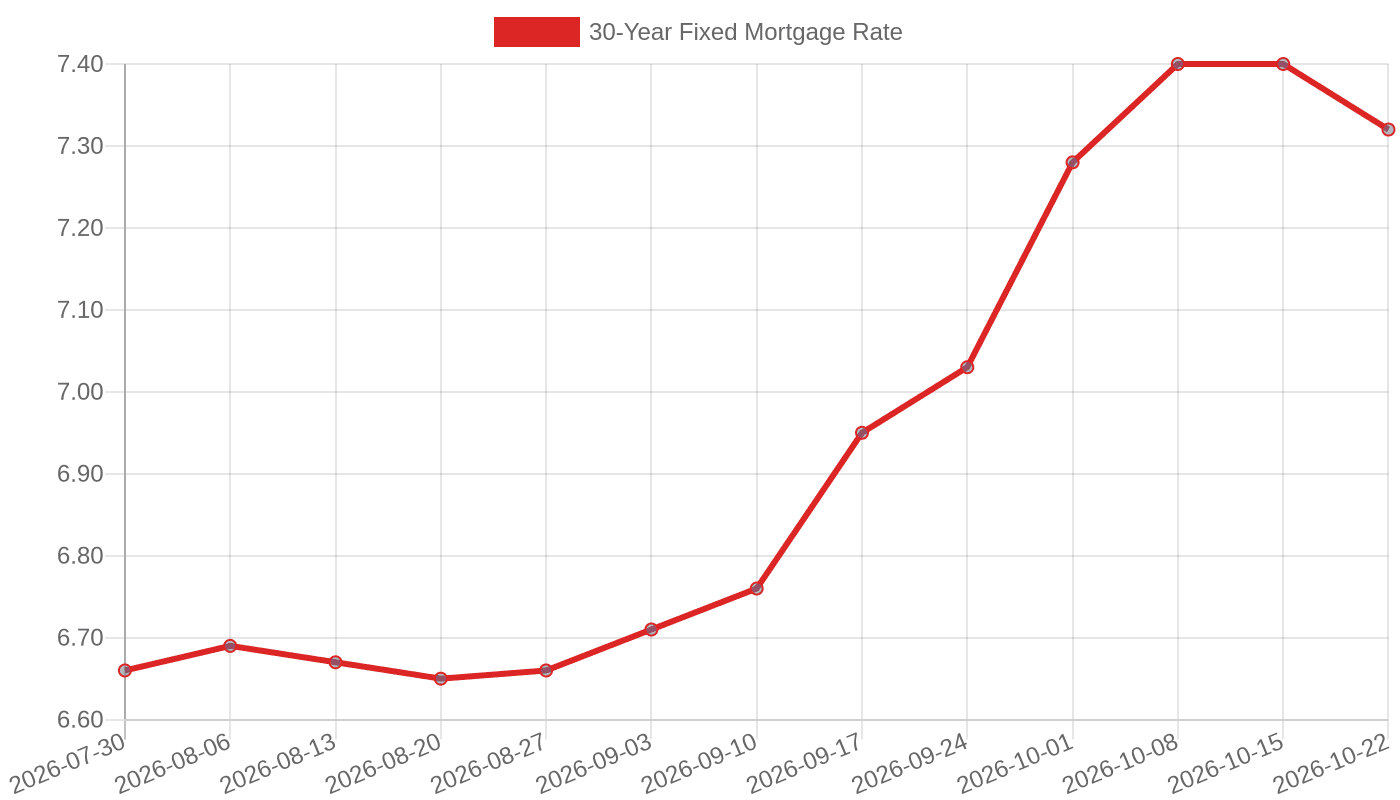
When rates rise, cash buyers have an advantage because they don't need financing. That's good for your assignment business—as long as your deals are priced right.
How to use these conditions in practice:
- Longer days on market means retail sellers face more competition and may accept investor offers they'd have rejected in a hot market. Your outreach should emphasize speed and certainty.
- Higher rates shrink the pool of financed retail buyers, which pushes more sellers toward cash offers—and makes your cash-buyer list more valuable.
- Rate sensitivity cuts both ways: your end buyers are also watching rates. Deals with thin equity get harder to move, so price conservatively and leave margin.
What are the biggest mistakes Florida wholesalers make?
The biggest mistakes are skipping disclosures, using non-assignable contracts, and marketing to the general public instead of a private buyer list. Each can void your deal or trigger legal trouble.
Another common mistake is underestimating repair costs. Florida's humidity, hurricanes, and older homes mean repairs can balloon. Always get a contractor's opinion or use a detailed repair estimator.
Other frequent missteps:
- Overpaying to win the contract, then discovering the spread won't support a fee.
- Not briefing the title company on the assignment until closing week.
- Spending the fee before the cancellation window closes.
- Skipping the attorney review to save a few hundred dollars—then losing thousands.
How to avoid these mistakes
- Use a Florida-specific contract drafted by an attorney.
- Always include an assignment clause.
- Keep your buyer list private and don't advertise properties publicly.
- Disclose your role as a principal in every transaction.
- Build a 10-15 day inspection period into every contract.
Add two habits that prevent most problems: run every deal through the compliance checklist above before you sign, and keep a complete deal file (contract, assignment, disclosures, closing statement) for every transaction.
How much can you make wholesaling in Florida?
Assignment fees in Florida typically range from $5,000 to $20,000 per deal, depending on the property's equity and your negotiation. In competitive markets like Miami or Tampa, fees can be higher, but so is competition.
Your profit depends on the spread between your contract price and the end buyer's price. To maximize it, focus on off-market deals where you're the only bidder.
Remember that your fee is gross, not net. Subtract marketing, lead costs, attorney fees, and taxes when you evaluate a deal—and set aside a portion of every fee for federal taxes.
The Bottom Line
Wholesaling in Florida is a viable business if you respect the state's contract and disclosure rules. Start by mastering the assignment contract, then build a reliable buyer list. When you're ready to practice your seller conversations, try our free AI Cold Call Trainer—it takes no signup to start and lets you rehearse realistic scenarios before you dial real sellers.
Frequently Asked Questions
Do I need a real estate license to wholesale in Florida?
No. You can wholesale in Florida without a license as long as you're buying and assigning contracts for your own account. Acting as a broker for others requires a license.
What is the 3-day cancellation rule in Florida real estate?
Florida gives buyers a 3-business-day right to cancel certain residential contracts. As a wholesaler, you should build that window into your timeline before counting on your assignment fee.
How do I find cash buyers in Florida?
Network at local REIAs, use data tools to identify recent cash purchases, and build a CRM to stay in touch. Tools like PropStream and ATTOM Data can help you filter for cash buyers.
What disclosures are required when wholesaling in Florida?
You must pass along any known defect disclosures from the seller. If the home was built before 1978, federal lead-based paint disclosure rules also apply.
How much can I make wholesaling in Florida?
Assignment fees typically range from $5,000 to $20,000 per deal, depending on equity and negotiation. In competitive markets, fees can be higher but so is competition.
Is wholesaling legal in Florida?
Yes, wholesaling is legal in Florida as long as you use assignable contracts, avoid acting as an unlicensed broker, and comply with disclosure laws.
Sources
- Software tools tracked in the Wholesale REI directory — Wholesale REI directory
- Tool categories in the Wholesale REI directory — Wholesale REI directory
- 30-Year Fixed Mortgage Rate (as of 2026-10-22) — FRED (Federal Reserve Bank of St. Louis)
- Median Sales Price of Houses Sold (as of 2026-04-01) — FRED (Federal Reserve Bank of St. Louis)
- Median Days on Market (as of 2026-09-01) — FRED (Federal Reserve Bank of St. Louis)
This article was researched and drafted with AI assistance, then reviewed and edited by Mark Anthony. Every statistic is sourced and cited. It's for informational purposes only and is not financial or legal advice. Read our editorial policy.