How to Wholesale Real Estate Step by Step: A Beginner's Guide


Most beginners fail at wholesaling because they chase deals before they have buyers. The fix is a repeatable, step-by-step process — and this guide walks you through every stage, from market conditions to your first assignment fee.
Key Takeaways
- Wholesaling is a 7-step system: pick a market, build a buyer list, market for sellers, run comps, contract the property, assign the contract, and close.
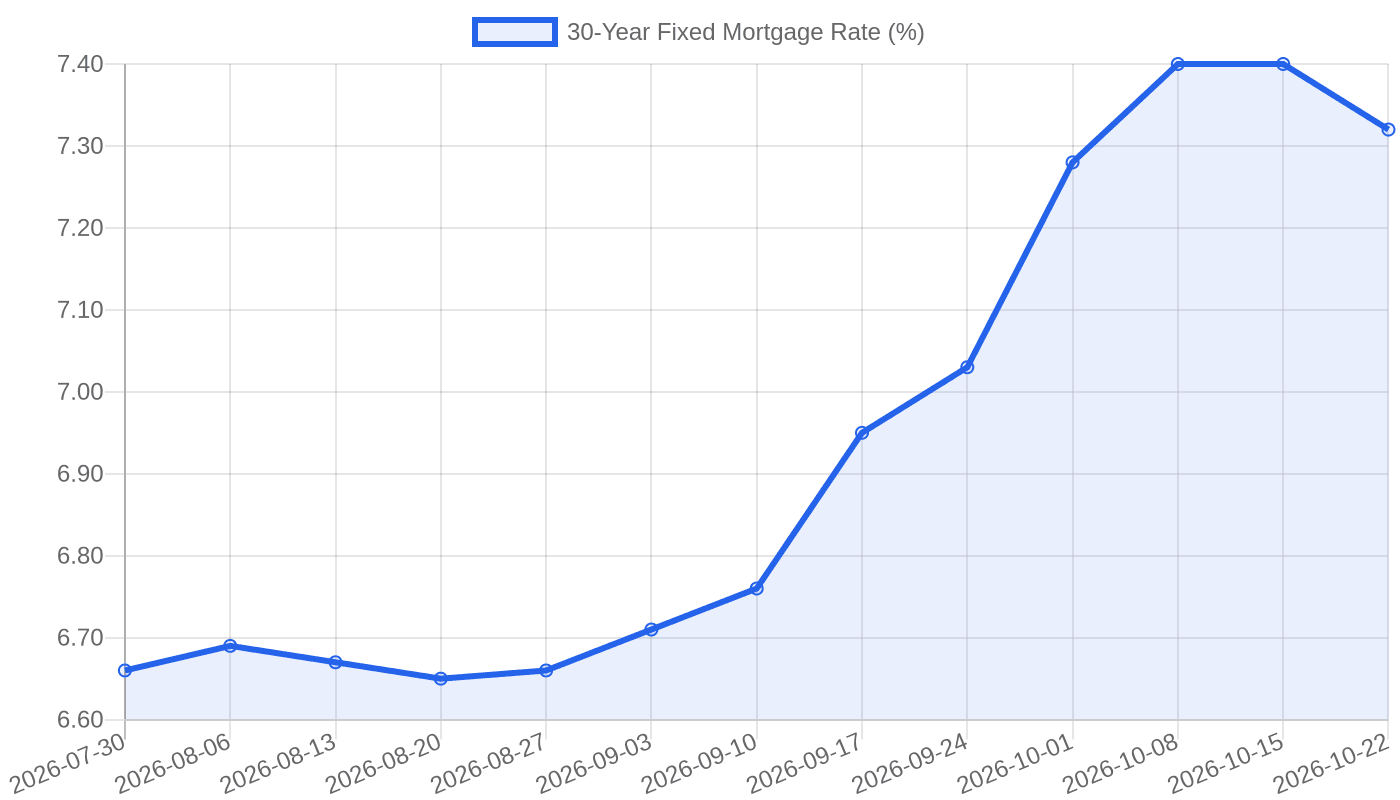
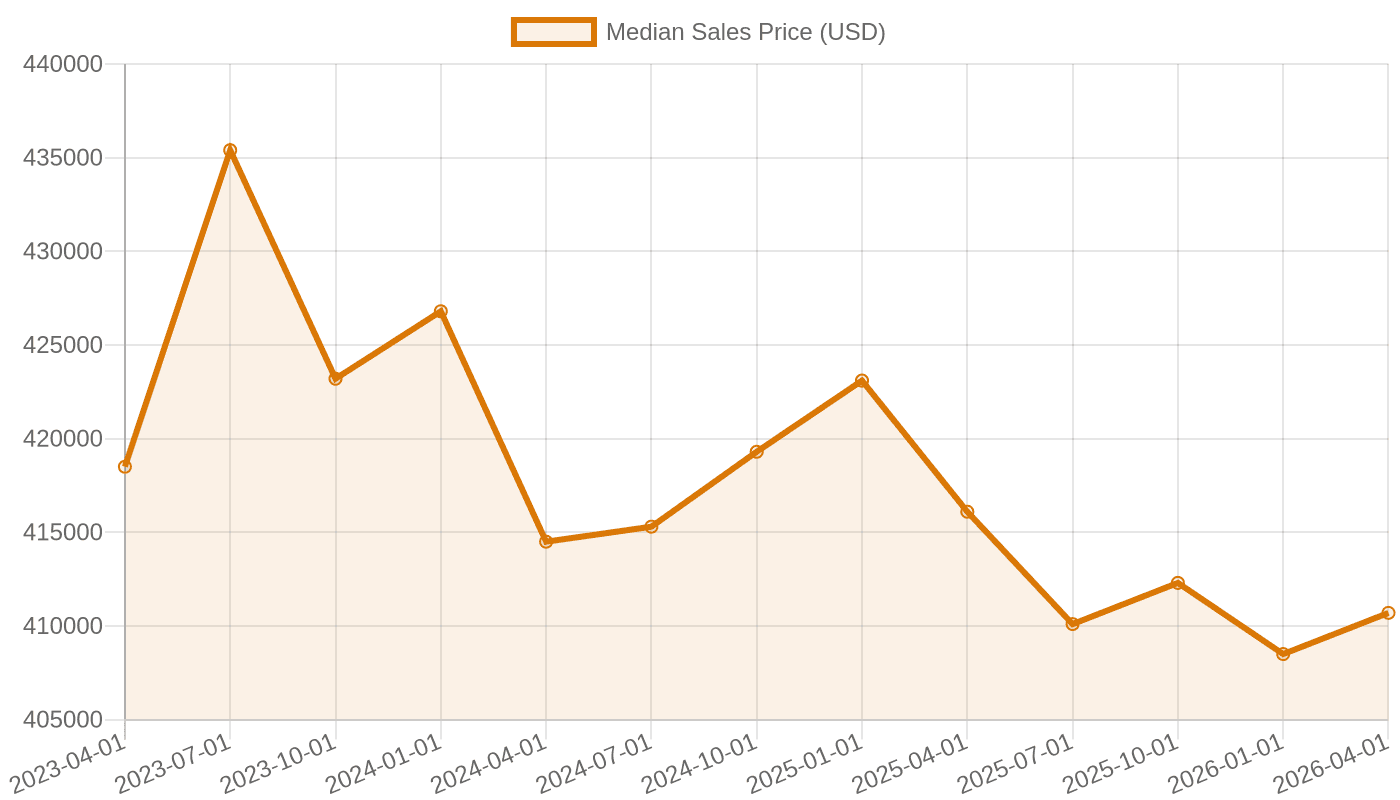
- The national median sales price for houses sold was $410,700 as of April 2026, and the 30-year fixed mortgage rate was 7.32% as of October 22, 2026 — both shape what your buyers can pay.
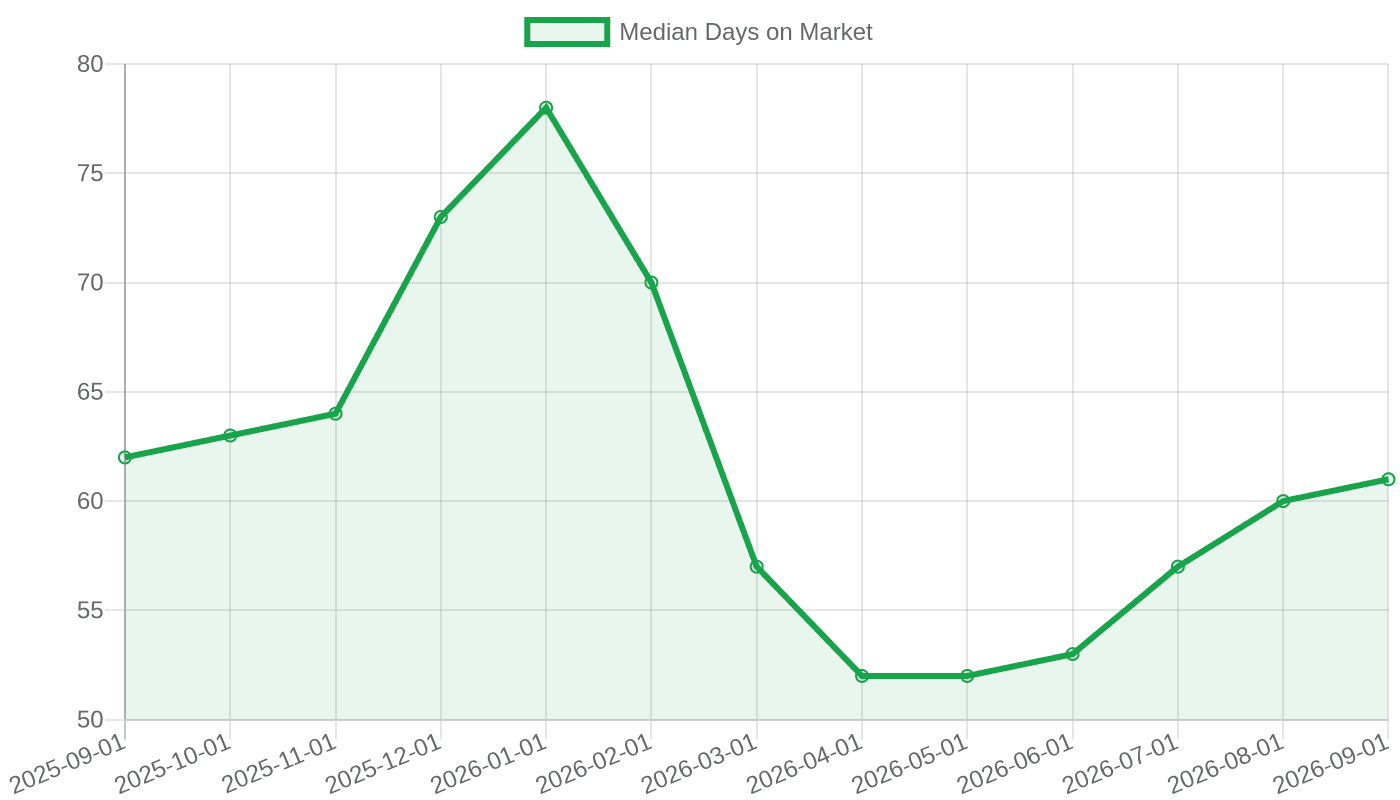
- Median days on market sat at 61 in September 2026, so deals need realistic timelines to move.
- You make money on the spread between your contract price and what a cash buyer will pay — not on the property itself.
- The Wholesale REI directory tracks 65 tools across 9 categories so you can build your stack without guessing.
What is wholesaling real estate?
Wholesaling real estate is a strategy where you contract a property at a discount, then assign that contract to a cash buyer for a fee — without ever owning the property. You are essentially a deal finder and matchmaker: you find a motivated seller, lock up the property with a purchase contract that allows assignment, and sell your position to an investor who closes.
You never take title. You never fix a toilet. Your profit is the assignment fee, which is the difference between your contract price and the price your end buyer agrees to pay.
How is it different from flipping?
A flipper buys the house, renovates it, and sells it for a profit. A wholesaler sells the right to buy the house before the closing date. That means less capital, less risk, and less time per deal — but also a smaller check per transaction.
Why the market matters more than the method
Wholesaling works best when there is a steady supply of motivated sellers and a deep pool of cash buyers. Right now, high rates are squeezing affordability, which pushes more sellers into creative situations — and makes cash buyers more valuable.
The 30-year fixed mortgage rate climbed from 6.66% in late July 2026 to 7.32% by October 22, 2026. That kind of move sends retail buyers to the sidelines and makes investor cash offers more competitive.
Step 1: Pick a market you can actually work
Start with one market you can drive in a weekend. Wholesaling is a local business — you need to know the neighborhoods, the price bands, and the buyer pool. Pick a metro or county where median prices and days on market tell a clear story.
Look for markets where homes sit long enough to negotiate. Nationally, median days on market was 61 in September 2026, up from 52 in April and May of the same year. That rise gives you more room to negotiate with sellers who are tired of waiting.
What to check before you commit
- Median sale price and whether it is trending up or flat.
- Days on market — longer means more seller flexibility.
- Investor activity — are cash buyers already active in the zip codes you want?
- Your own drive time — you will visit these properties.
Step 2: Build your cash buyer list before you find a deal
Build your buyer list first. This is the step beginners skip, and it is the reason most first deals die. A cash buyer list is a database of investors who buy in your market, what they buy, and what they will pay.
Aim for 50 to 100 active buyers before you make your first seller call. You can find them through local real estate investor associations, county records of recent cash purchases, and direct outreach.
What to track for each buyer
- Buy box: property type, beds/baths, price range, and zip codes.
- Proof of funds: do they close with cash or hard money?
- Speed: how fast can they close?
- Track record: have they actually closed deals in the last 90 days?
Tools like PropStream and ATTOM Data help you pull cash-sale records and ownership data so your list is based on real transactions, not guesses.
Step 3: Market for motivated sellers
Motivated sellers are the engine of your business. You need a consistent flow of leads from people who want to sell quickly — often because of divorce, probate, foreclosure, relocation, or tired-landlord situations.
Your job is not to convince someone to sell. It is to be the first person they call when they decide to.
The three channels that work for beginners
- Direct mail — targeted lists from data tools, sent consistently.
- Cold calling — the fastest feedback loop; you learn objections in real time.
- Digital leads — paid ads or lead-generation services that pre-screen sellers.
Tools like Launch Control and Televista Lead Generation can help you run outbound campaigns without building everything from scratch. A CRM like GoHighLevel keeps every lead, call, and follow-up in one place.
How many leads do you need?
There is no universal number, but the math is simple: the more conversations you have, the more offers you make, and the more contracts you sign. Track your conversion rate at each stage so you know where to improve.
Step 4: Run comps and make an offer
Run comps before you make an offer — never after. Comparable sales tell you what the property is worth and what a cash buyer will pay. Pull recent sales of similar homes within a close radius, adjusted for condition and size.
Use the national median sales price as a sanity check, not a valuation. The median sales price of houses sold was $410,700 as of April 2026, down from $418,500 in April 2023. That flat-to-soft trend means buyers are cautious, and your offer needs to reflect it.
The offer formula most wholesalers use
A common starting point is:
Maximum offer = (After-repair value × 70%) − repair costs − your assignment fee
That 70% rule is a guideline, not gospel. In a high-rate market, cash buyers often want a bigger discount, so your offer has to leave room for their profit too.
What to include in your offer
- Purchase price and earnest money.
- Inspection period — long enough to verify condition.
- Closing date — realistic and matched to your buyer's timeline.
- An assignment clause or the right to assign.
Step 5: Get the property under contract
Get the property under contract with clear assignment language. This is the moment your deal becomes real. Your purchase contract should state that you have the right to assign the contract to another party.
Work with a local real estate attorney or a title company to review your contract. Laws vary by state, and some states regulate wholesaling more tightly than others.
Contract terms that protect you
- Assignment clause — your right to sell your position.
- Inspection period — your exit if the property is worse than expected.
- Financing contingency — only if you need it; cash buyers may see it as a weakness.
- Clear closing timeline — usually 30 to 45 days.
Step 6: Assign the contract to a cash buyer
Assign the contract by matching the deal to a buyer on your list and signing an assignment agreement. Your assignment fee is the difference between your contract price and the buyer's price.
Example: you contract a property at $180,000 and assign it to a buyer at $190,000. Your assignment fee is $10,000, paid at closing.
How to present the deal to buyers
- Send a one-page deal sheet with photos, comps, and repair estimate.
- State your assignment fee clearly — buyers respect transparency.
- Give a deadline for response so deals do not sit.
Step 7: Close and get paid
Close at a title company or attorney's office, and get paid your assignment fee at closing. The title company handles the paperwork and disburses funds. You do not need to own the property to get paid.
Common closing mistakes to avoid
- Not verifying the buyer's proof of funds before you sign the assignment.
- Missing a lien or title issue during the inspection period.
- Promising a closing date you cannot meet.
How much can you make wholesaling real estate?
There is no fixed number — your fee depends on the deal, the market, and your negotiation. Beginners often start with smaller fees to build credibility, then increase as their buyer list strengthens.
What you can control is your process. A consistent lead flow, a vetted buyer list, and realistic offers are what turn a first deal into a repeatable business.
What tools do wholesalers actually need?
Wholesalers need four core tool types: lead generation, data and comps, CRM and follow-up, and dialing or outreach. The Wholesale REI directory tracks 65 tools across 9 categories, so you can compare options before you commit.
| Tool category | What it does | Example tools in the directory |
|---|---|---|
| Data & comps | Pull cash-sale records, ownership, and property data | PropStream, ATTOM Data |
| CRM & follow-up | Track leads, calls, and nurture campaigns | GoHighLevel |
| Dialing & outreach | Make calls and manage outbound campaigns | CallTools |
| Lead generation | Pre-screened seller leads and marketing | Launch Control, Televista Lead Generation |
Start with one tool per category. Adding more software before you have a lead flow just adds cost.
The Bottom Line
Wholesaling is a seven-step system, and the order matters: buyers first, then sellers, then contracts. The market backdrop — a 7.32% mortgage rate and 61 median days on market — rewards wholesalers who move fast and price realistically. Your next step: compare the tools in the directory, then practice your seller conversations with our free AI Cold Call Trainer before you dial a real lead.
Frequently Asked Questions
How much money do you need to start wholesaling real estate?
You need enough for marketing, earnest money, and closing costs — not the full purchase price. Many beginners start with a modest marketing budget and small earnest money deposits, then scale as deals close.
Do you need a real estate license to wholesale?
In most states, no — you are selling your contractual right to buy, not the property itself. However, some states regulate wholesaling more tightly, so always check local rules and work with a real estate attorney.
How long does a wholesale deal take?
From contract to closing, most deals take 30 to 45 days. Finding the seller and the buyer can take longer, which is why building a buyer list first speeds up the process.
What is an assignment fee?
An assignment fee is the difference between your contract price and the price your cash buyer agrees to pay. For example, contracting at $180,000 and assigning at $190,000 earns a $10,000 fee at closing.
Why do I need a cash buyer list before finding a deal?
Your buyer list is what makes the deal close. Without vetted buyers who have proof of funds, you risk signing a contract you cannot assign — which can cost you your earnest money.
What tools do wholesalers use most?
Most wholesalers rely on data and comps tools, a CRM for follow-up, dialing software, and lead generation services. The Wholesale REI directory tracks 65 tools across 9 categories so you can compare options.
Sources
- Software tools tracked in the Wholesale REI directory — Wholesale REI directory
- Tool categories in the Wholesale REI directory — Wholesale REI directory
- 30-Year Fixed Mortgage Rate (as of 2026-10-22) — FRED (Federal Reserve Bank of St. Louis)
- Median Sales Price of Houses Sold (as of 2026-04-01) — FRED (Federal Reserve Bank of St. Louis)
- Median Days on Market (as of 2026-09-01) — FRED (Federal Reserve Bank of St. Louis)
This article was researched and drafted with AI assistance, then reviewed and edited by Mark Anthony. Every statistic is sourced and cited. It's for informational purposes only and is not financial or legal advice. Read our editorial policy.