How to Wholesale Real Estate in South Carolina

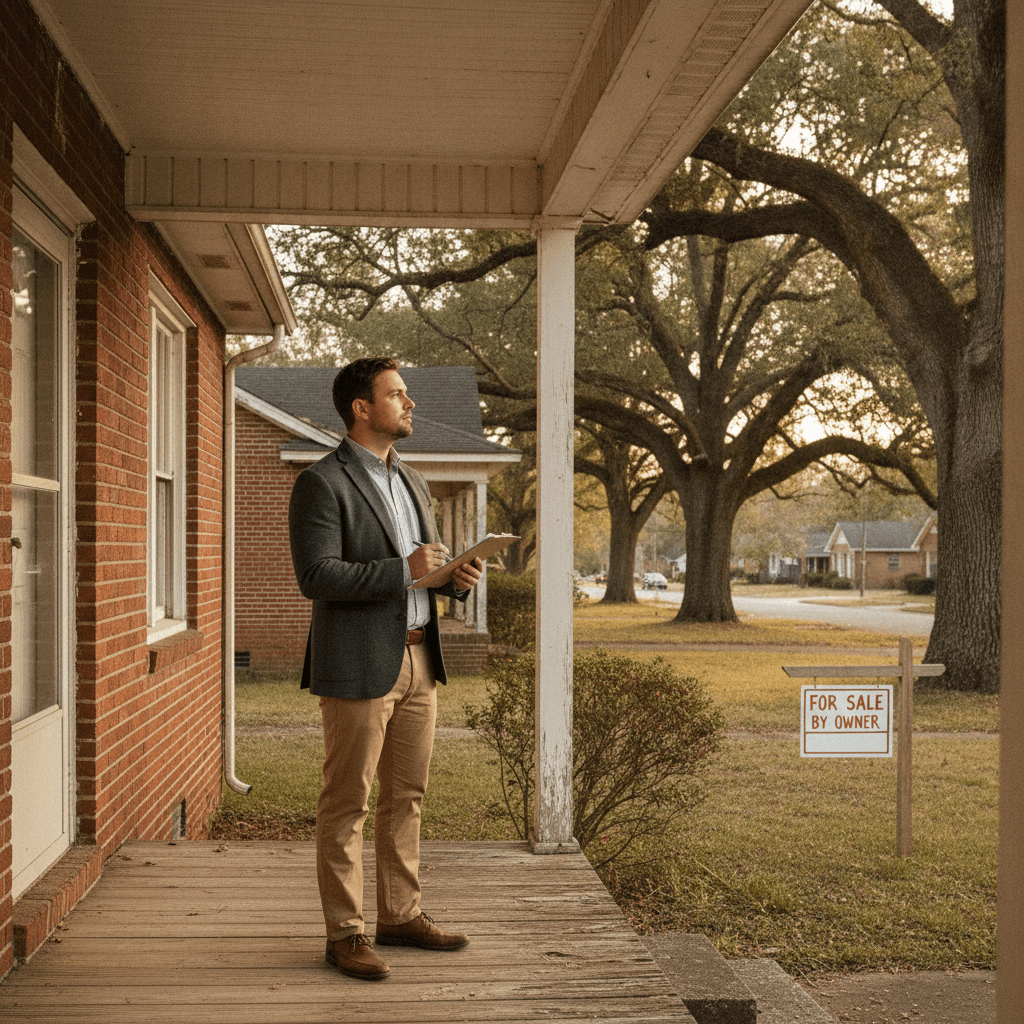
South Carolina is one of the friendliest states in the country for real estate wholesalers — no state license required, no transfer tax, and a steady flow of motivated sellers. But the wholesalers who actually get paid are the ones who understand the state's quirks before they sign a contract.
Key Takeaways
- South Carolina does not require a real estate license to wholesale, as long as you never market a property you don't have a contract on.
- The national median home sale price sat at $410,700 as of April 2026, and the 30-year fixed mortgage rate climbed to 7.03% by late September 2026 — higher rates mean more motivated sellers.
- Median days on market hit 60 in August 2026, up from a low of 52 in April and May — homes are sitting longer, which slows your exit strategy.
- The Wholesale REI directory tracks 65 software tools across 9 categories, so you can build a lean stack instead of guessing.
- Your biggest legal risk in SC is unlicensed brokerage activity — stay disciplined about assigning contracts, not selling property.
What Is Real Estate Wholesaling?
Real estate wholesaling is the practice of putting a property under contract and then assigning that contract to another buyer for a fee, without ever taking ownership of the property. You are selling the contract, not the house.
That distinction matters everywhere, but especially in South Carolina, where the line between "investor" and "unlicensed broker" is drawn by how you market and what you sell.
The Three-Part Wholesale Formula
Every wholesale deal comes down to three numbers:
- After Repair Value (ARV) — what the house is worth once it's fixed up.
- Repair costs — what it takes to get there.
- Your assignment fee — what you keep for finding and locking up the deal.
The classic formula: ARV × 0.70 − repairs − your fee = your maximum offer. In South Carolina, where labor and materials run cheaper than in coastal markets, that 70% rule often leaves more room than it does in California or New York.
Is Wholesaling Legal in South Carolina?
Yes — wholesaling is legal in South Carolina, and the state does not require you to hold a real estate license to do it. But the law is specific about how you do it.
South Carolina's real estate commission treats unlicensed activity seriously. The safe path is simple: you market the contract, not the property, and you never advertise a house you don't already control.
What Keeps You on the Right Side of the Line
- Never list a property you don't have under contract. No "coming soon" posts on houses you're still negotiating.
- Market your equitable interest, not the home itself. You're selling your right to buy.
- Use a clear assignment clause in every purchase agreement.
- Disclose your profit. If you're double-closing, disclose the spread to all parties.
- Work with a real estate attorney on your first few deals. South Carolina is an attorney-state for closings, so you'll have one anyway.
The Two Exit Strategies
| Strategy | How It Works | Best For |
|---|---|---|
| Assignment | You assign your contract to a cash buyer for a fee | Fast, low-capital deals |
| Double Close | You buy the property, then immediately resell it | Deals where the seller won't allow assignment |
Double closings cost more (two sets of closing costs, sometimes transactional funding), but they hide your fee from the end buyer and work when the seller refuses an assignment clause.
Why South Carolina Is a Strong Wholesaling Market
South Carolina combines three things wholesalers need: a growing population, relatively affordable housing, and a legal environment that doesn't require a license. That's a rare combination.
Metros like Columbia, Greenville, Spartanburg, Charleston, and Myrtle Beach all have active investor communities. Greenville and Charleston have seen strong inbound migration, which pushes rents and prices up — and pushes long-time owners toward selling.
The National Backdrop Matters
The broader market sets your exit speed. Median days on market across the U.S. sat at 60 days in August 2026, after dipping to 52 days in April and May.
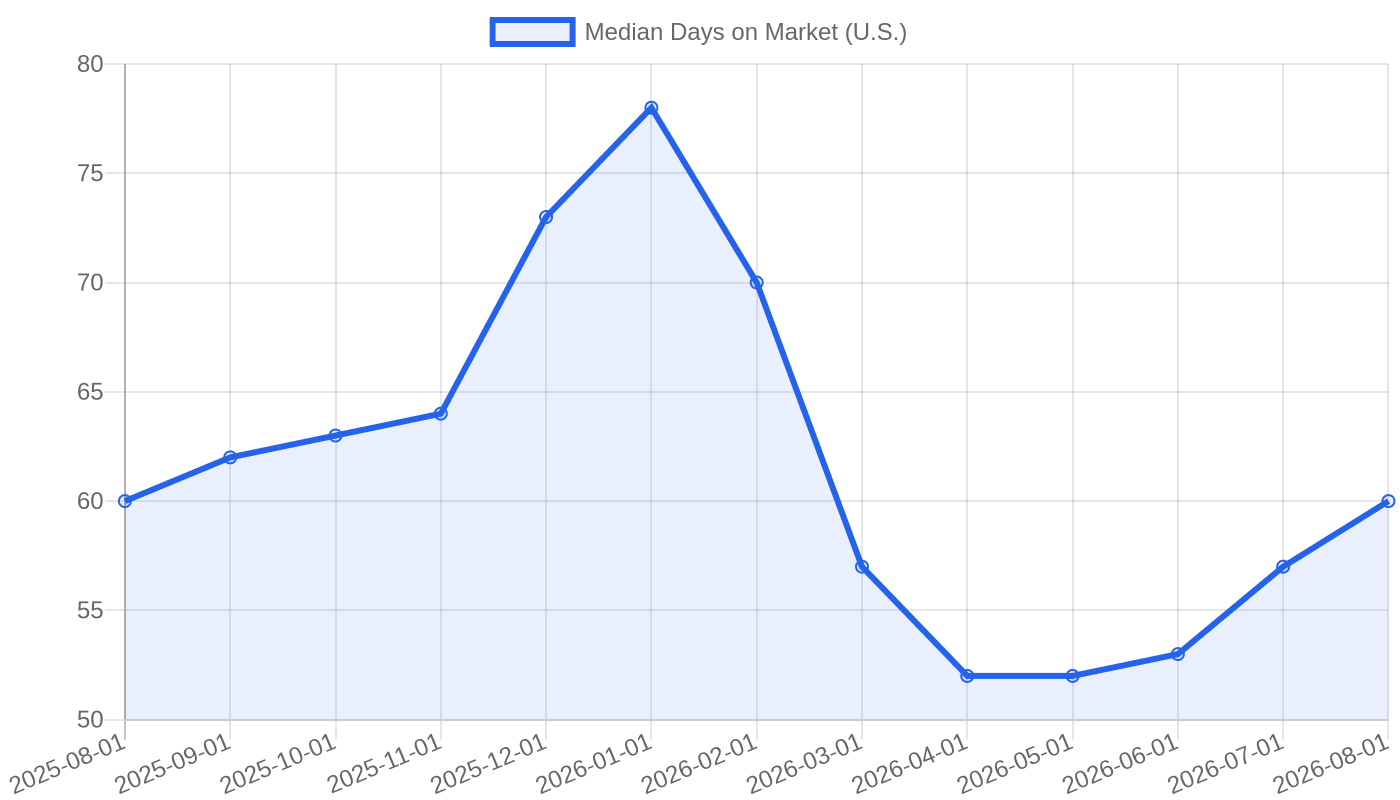
That rise from 52 to 60 days means your end buyers are holding inventory longer, which makes them pickier. Price your assignment realistically or you'll sit on a contract you can't move.
Mortgage rates matter too. The 30-year fixed rate climbed from 6.43% in early July 2026 to 7.03% by September 24, 2026.
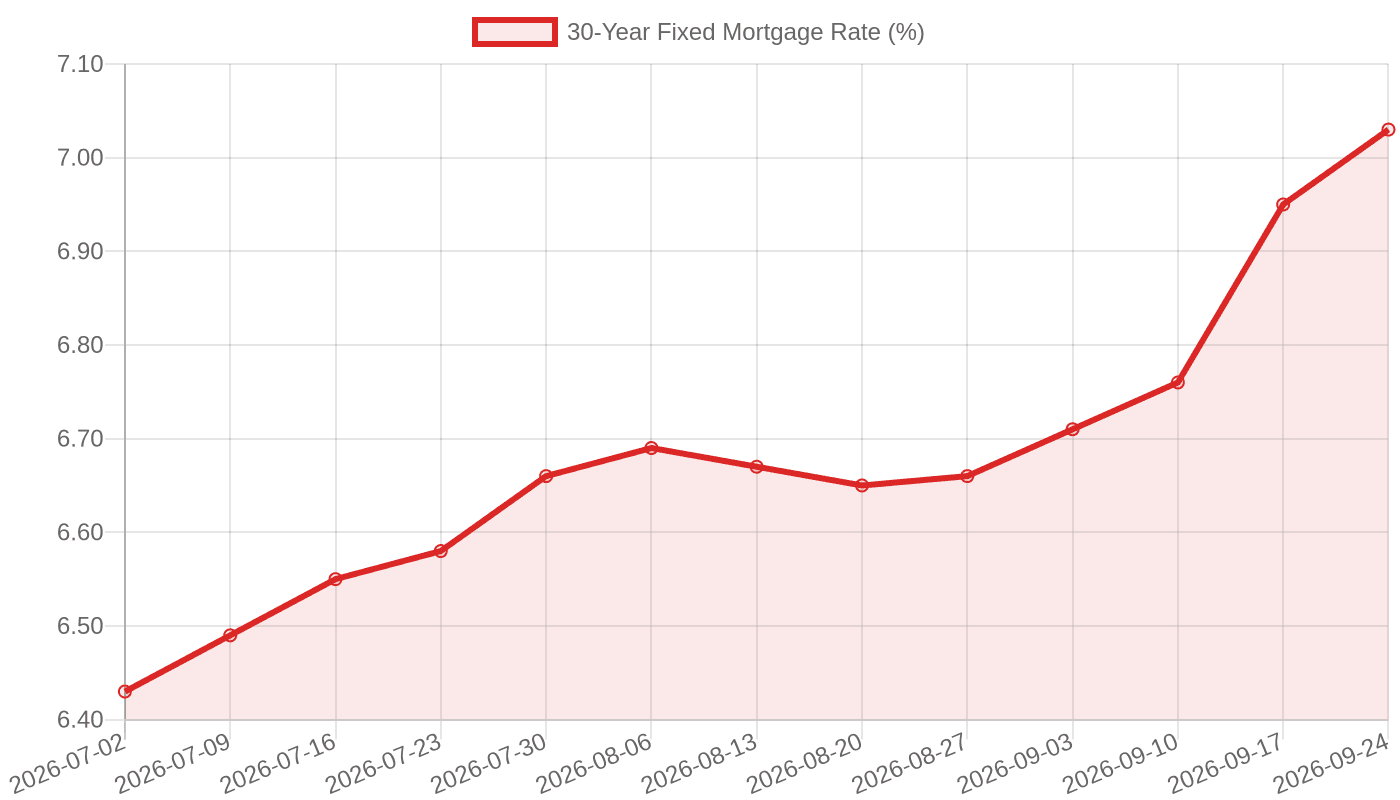
When rates rise, retail buyers get priced out and sellers get nervous. That's your opening — more motivated sellers, fewer competing retail offers.
How Do You Find Motivated Sellers in South Carolina?
You find motivated sellers by targeting the specific life events that force a sale — not by blasting generic ads. In South Carolina, the highest-converting lists tend to be probate, tax delinquency, pre-foreclosure, and tired landlords.
The Best Lead Sources for SC Wholesalers
- County tax delinquent lists. Every SC county publishes these. They're public, cheap, and full of out-of-state owners.
- Probate filings. Check county probate court records weekly. Estate sales are often priced for speed, not maximum value.
- Driving for dollars. Rural SC has thousands of vacant and distressed homes that never hit the MLS.
- Direct mail to absentee owners. Out-of-state landlords are the single best list in a state with this much migration.
- Cold calling. Still the fastest way to a conversation with a decision-maker.
Tools That Speed This Up
This is where a small software stack pays for itself. The Wholesale REI directory tracks 65 tools across 9 categories — from list building to dialers to CRM.
For SC specifically, you want:
- A data and list tool to pull absentee, probate, and equity filters by county.
- A dialer so you're not hand-dialing 200 numbers a day.
- A CRM to track follow-up, because most deals close on the 4th to 8th touch.
How Do You Analyze a South Carolina Deal?
You analyze a South Carolina deal by working backward from ARV, subtracting repairs and your fee, and checking that the result still leaves your cash buyer a profit. If the numbers don't work for the buyer, they don't work for you.
Step-by-Step Deal Analysis
- Pull comps. Use sold properties within a half-mile, same bed/bath count, sold in the last 6 months.
- Estimate repairs. In SC, a full gut runs roughly $40–$70 per square foot depending on the market. Get contractor bids on your first few.
- Calculate your max offer. ARV × 0.70 − repairs − your assignment fee.
- Sanity-check against the national median. The median U.S. home sale price was $410,700 as of April 2026.
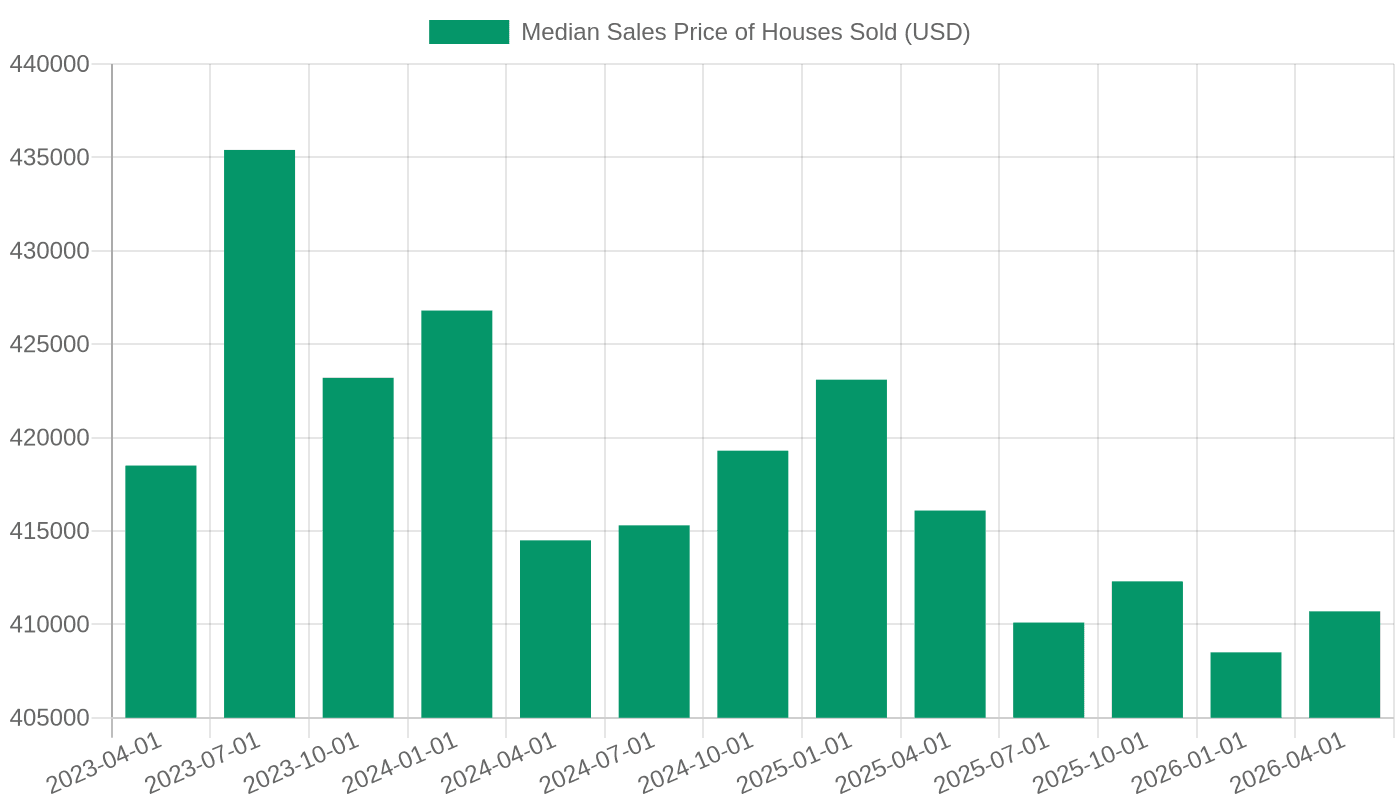
If your ARV is far above the national median, double-check your comps. Overpriced ARVs are the number one reason assignments fall apart.
- Confirm your buyer's margin. Your cash buyer needs at least 15–20% profit after repairs. If they don't get it, they walk.
A Quick Example
Say you find a 3/2 in Columbia. ARV is $220,000. Repairs are $35,000.
- $220,000 × 0.70 = $154,000
- $154,000 − $35,000 = $119,000
- Minus your $10,000 fee = $109,000 max offer
If you can get it under contract at $105,000, you've got a deal. If the seller wants $130,000, walk away.
How Do You Build a Cash Buyer List in South Carolina?
You build a cash buyer list by going where SC investors already gather — local REIA meetings, county auction rooms, and Facebook investor groups — and then qualifying each buyer on proof of funds and close speed.
Where to Find SC Cash Buyers
- Local REIA and meetup groups in Columbia, Greenville, Charleston, and Myrtle Beach.
- County courthouse steps. The regulars at foreclosure auctions are your buyers.
- Facebook groups for South Carolina real estate investors.
- Hard money lenders. They know exactly who's actively buying.
- Other wholesalers. Yes, really — many will buy your deal if the spread is right.
How to Qualify a Buyer
Ask three questions before you send them anything:
- What's your buy box (area, price, condition)?
- Can you show proof of funds today?
- How fast can you close — cash or hard money?
Track every answer in your CRM. A buyer list of 20 qualified investors beats 200 names you've never spoken to.
What Software Do South Carolina Wholesalers Actually Need?
South Carolina wholesalers need four core tools: a list/data platform, a dialer, a CRM, and a contract/e-sign tool. Everything else is optional until you're doing multiple deals a month.
The Core Stack
| Tool Type | What It Does | Why It Matters in SC |
|---|---|---|
| Data & list platform | Pulls absentee, probate, equity filters | SC county records are fragmented — good data saves weeks |
| Dialer | Dials multiple numbers at once | Volume matters; SC lists are large and cheap |
| CRM | Tracks leads, follow-up, buyers | Deals close on touch 4–8, not touch 1 |
| E-sign & contracts | Gets signatures fast | SC is an attorney-state; clean docs speed closing |
Where to Start
With 65 tools across 9 categories in the directory, it's easy to overspend. Start with one tool per category and only upgrade when a specific bottleneck shows up.
If your bottleneck is conversations, fix the dialer. If it's follow-up, fix the CRM. If it's lead quality, fix the data source.
What Are the Biggest Mistakes SC Wholesalers Make?
Most South Carolina wholesalers fail for the same five reasons, and none of them are about market conditions.
- Marketing properties they don't control. This is the fastest way to get a cease-and-desist — or worse.
- Overpricing ARV. Inflated comps kill assignments.
- Skipping the attorney. SC closings run through attorneys; use one early.
- No buyer list before contracting. Never sign a contract without knowing who you'll assign it to.
- Quitting at touch two. Most deals need four to eight follow-ups.
The Follow-Up Rule
If you're not following up at least five times, you're leaving money on the table. Set a cadence: call, text, mail, call, email. Then repeat.
How Long Does a South Carolina Wholesale Deal Take?
A typical South Carolina wholesale deal takes 30 to 90 days from first contact to assignment fee. The contract-to-close portion usually runs 14 to 30 days.
That timeline stretches when the market slows. With median days on market at 60 nationally in August 2026, your end buyer may need extra time to line up financing or a partner.
Build a 30-day cushion into every contract. If your buyer needs an extension, you want room to grant it without losing the deal.
The Bottom Line
Wholesaling in South Carolina comes down to three things: knowing the law, working the numbers honestly, and following up relentlessly. The state's no-license requirement and steady seller flow make it one of the best markets in the country — but only if you treat it like a business.
Your next step: pick one SC county, pull a tax delinquent list this week, and start making calls. Before you dial, practice a few conversations against a realistic AI seller with our free AI Cold Call Trainer — it takes no signup to start.
Frequently Asked Questions
Do you need a real estate license to wholesale in South Carolina?
No. South Carolina does not require a real estate license to wholesale, as long as you are assigning a contract you already hold and not marketing property you don't control. The key is to sell your equitable interest, not the house itself.
Is assignment or double closing better in South Carolina?
Assignment is faster and cheaper, and it works for most deals. Double closing costs more but hides your fee from the end buyer and works when the seller won't allow an assignment clause. South Carolina is an attorney-state, so your closing attorney can guide the choice.
How much can you make wholesaling in South Carolina?
Assignment fees typically range from $5,000 to $15,000 on average deals, and higher on larger spreads. Your fee depends on how far below ARV you can get the property under contract while still leaving your cash buyer a 15–20% profit margin.
What are the best markets in South Carolina for wholesaling?
Columbia, Greenville, Spartanburg, Charleston, and Myrtle Beach all have active investor communities and steady seller flow. Greenville and Charleston see strong inbound migration, which creates motivated sellers and strong rental demand.
How long does a wholesale deal take in South Carolina?
Most deals take 30 to 90 days from first contact to assignment fee, with the contract-to-close portion running 14 to 30 days. With national median days on market at 60 in August 2026, build a 30-day cushion into every contract.
What software do South Carolina wholesalers need?
Start with four core tools: a list and data platform, a dialer, a CRM, and an e-sign tool. The Wholesale REI directory tracks 65 tools across 9 categories, so you can pick one per category and upgrade only when a bottleneck appears.
Sources
- Software tools tracked in the Wholesale REI directory — Wholesale REI directory
- Tool categories in the Wholesale REI directory — Wholesale REI directory
- 30-Year Fixed Mortgage Rate (as of 2026-09-24) — FRED (Federal Reserve Bank of St. Louis)
- Median Sales Price of Houses Sold (as of 2026-04-01) — FRED (Federal Reserve Bank of St. Louis)
- Median Days on Market (as of 2026-08-01) — FRED (Federal Reserve Bank of St. Louis)
This article was researched and drafted with AI assistance, then reviewed and edited by Mark Anthony. Every statistic is sourced and cited. It's for informational purposes only and is not financial or legal advice. Read our editorial policy.