How to Wholesale Real Estate to Hedge Funds: A Step-by-Step Guide


Wholesaling to hedge funds sounds like a moonshot, but it's actually one of the most reliable ways to move large volumes of deals—if you know how they buy. Hedge funds have billions to deploy, and they need a steady pipeline of off-market properties. That pipeline can be you.
Key Takeaways
- Hedge funds buy distressed, off-market, and bulk residential properties, often through wholesale deals.
- The national median home price is $410,700, and days on market average 60, so speed and certainty matter to institutional buyers.
- You need a targeted list of fund contacts, a professional package, and a clear fee structure to close deals.
- Use data tools like PropStream and ATTOM to find properties that match fund criteria.
- Practice your pitch with an AI cold call trainer before reaching out to real funds.
What is Wholesaling to Hedge Funds?
Wholesaling to hedge funds means finding off-market properties and assigning the purchase contract to an institutional buyer for a fee. Instead of selling to a flipper or landlord, you're selling to a fund that buys dozens or hundreds of homes at a time.
These funds are looking for volume, predictability, and margin. They don't want to chase retail deals; they want a reliable source of inventory that meets their investment criteria.
Why Sell to Hedge Funds?
Hedge funds offer several advantages over traditional wholesale buyers:
- They buy in bulk. A fund might take 10 or 50 properties at once, which means multiple assignments from one relationship.
- They have deep pockets. Funds close quickly and rarely back out due to financing issues.
- They pay market rates for fees. You can often negotiate a higher assignment fee because the fund's per-unit profit is large.
- They provide repeat business. Once you prove you can deliver, they'll come back for more.
But there's a catch: they're picky. You need to bring them deals that fit their exact criteria, or they'll pass.
How to Find Hedge Funds That Buy Wholesale Real Estate
Finding the right funds is about research and targeting. You're not looking for every hedge fund; you're looking for those that specialize in residential real estate.
1. Use Your Network and Industry Directories
Start with your local REIA, investor meetups, and online forums. Often, other wholesalers have worked with funds and can share contacts.
You can also search for "real estate hedge funds" or "single-family rental funds" in your state. Many have websites with acquisition criteria and contact forms.
2. Leverage Data Tools
Tools like PropStream and ATTOM Data can help you identify properties that funds might want, but they don't directly list fund contacts. Instead, use them to build a portfolio of deals to pitch.
For contact discovery, consider using LinkedIn to find acquisition managers at funds. Search for titles like "Acquisitions" or "Director of Investments" at real estate investment firms.
3. Attend Industry Events
National conferences like the IMN Single-Family Rental Forum or local real estate summits often have fund representatives. These are goldmines for networking.
What Do Hedge Funds Look For in a Wholesale Deal?
Hedge funds aren't like retail buyers. They have specific criteria based on their investment strategy. Here's what they typically want:
- Distressed properties that can be renovated and rented or resold.
- Below-market purchase prices that leave room for profit.
- Clear titles and no major legal issues.
- Properties in targeted markets where they already have operations.
- Volume — they prefer to buy in portfolios rather than one-offs.
Example Criteria from a Hypothetical Fund
| Criteria | Typical Range |
|---|---|
| Purchase Price | 70-80% of ARV |
| ARV | $150,000 - $400,000 |
| Location | Specific metros or zip codes |
| Condition | Minor to moderate repairs |
| Deal Size | Minimum 5-10 properties |
Note: These are illustrative; each fund has its own numbers.
How to Pitch a Wholesale Deal to a Hedge Fund
Your pitch needs to be professional, data-driven, and concise. Funds see hundreds of deals a week, so you have seconds to grab their attention.
Step 1: Build a Deal Package
Create a one-page summary for each property, including:
- Address and photos
- Asking price and your estimated ARV
- Repair estimate
- Rent estimate (if they're a buy-and-hold fund)
- Comps and market data
- Proof of funds or assignment contract
Step 2: Use a Cold Call Script
Cold calling is still effective, but you need a script that speaks to an institutional buyer. Start with a clear value proposition:
"Hi, I'm [Your Name]. I source off-market residential properties in [Your Market]. I have a portfolio of 10 distressed homes that fit your buy-box. Can I send over the details?"
Step 3: Follow Up Persistently
Funds are busy. If you don't hear back, follow up after a few days. Use email and phone, but don't be a pest.
How to Structure Your Wholesale Fee
Your fee is typically the difference between the contract price with the seller and the price the fund pays. For example, if you get a property under contract at $100,000 and assign it to a fund for $110,000, your fee is $10,000.
Some funds prefer a flat assignment fee per property. Others may negotiate a percentage of the deal.
Wholesale Fee Comparison
| Fee Structure | Pros | Cons |
|---|---|---|
| Assignment Fee | Simple, transparent | You carry the risk if deal falls through |
| Double Close | You control the transaction | Need transactional funding |
| Percentage of Profit | Aligns incentives | Fund may lowball your fee |
Common Mistakes to Avoid When Wholesaling to Hedge Funds
- Not having a contract. Always get the property under contract before pitching to a fund.
- Ignoring their buy-box. Don't waste their time with deals that don't fit.
- Being unprofessional. Funds expect polished communication and accurate numbers.
- Giving up too soon. It can take months to build a relationship.
Tools to Help You Wholesale to Hedge Funds
You don't need a ton of software, but a few tools can streamline your process:
- PropStream for property data and comps.
- ATTOM Data for nationwide property intelligence.
- GoHighLevel for CRM and follow-up automation.
- Call Tools for call tracking and recording.
Software Comparison for Wholesalers
| Tool | Best For | Pricing |
|---|---|---|
| PropStream | Property research | Starts at $99/mo |
| ATTOM Data | Bulk data access | Custom pricing |
| GoHighLevel | CRM and marketing | Starts at $97/mo |
Note: Pricing is approximate and subject to change.
Market Context: Why Now Is a Good Time to Wholesale to Funds
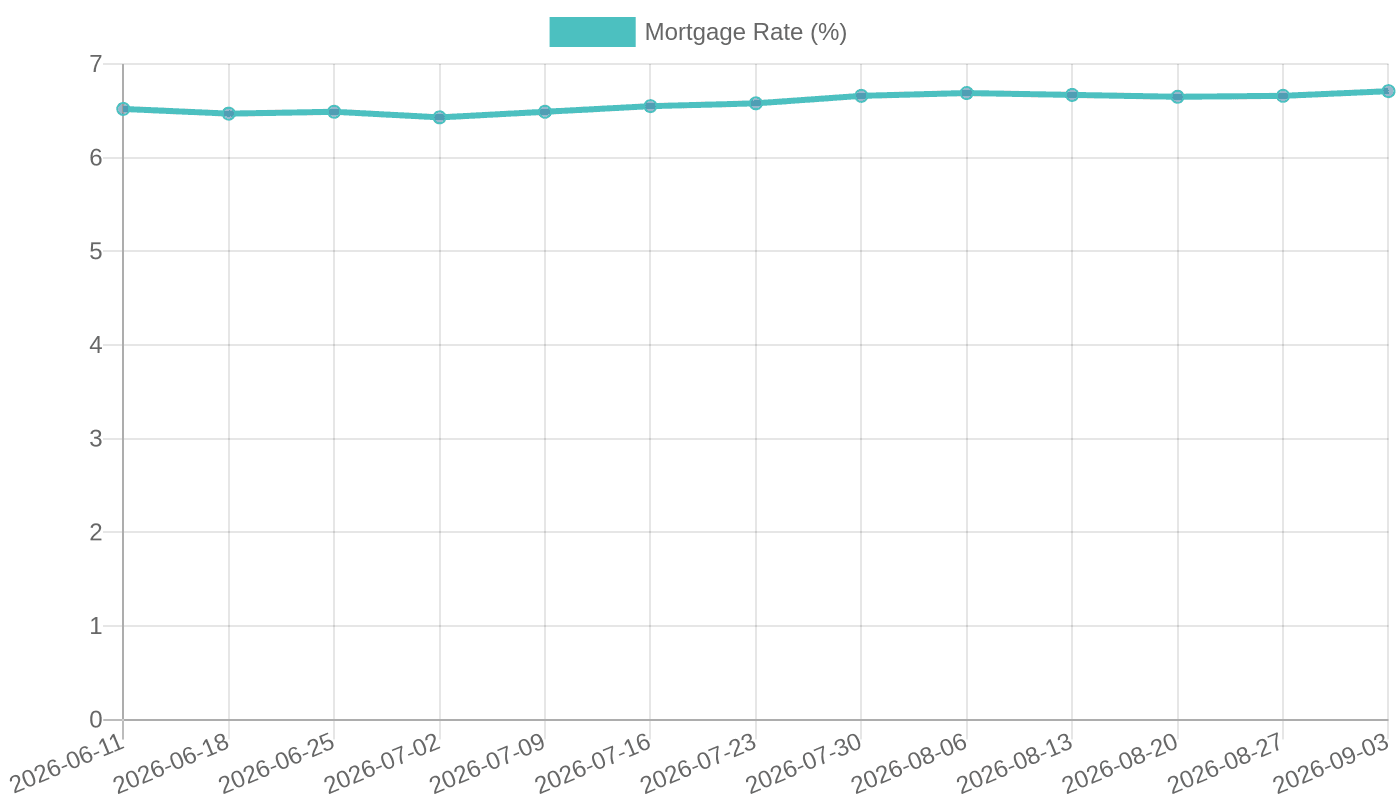
Mortgage rates have been hovering around 6.5-6.7% in recent months, which has slowed the retail market. As of September 3, 2026, the 30-year fixed mortgage rate is 6.71%. Higher rates mean fewer retail buyers, which pushes more sellers to consider wholesale offers.
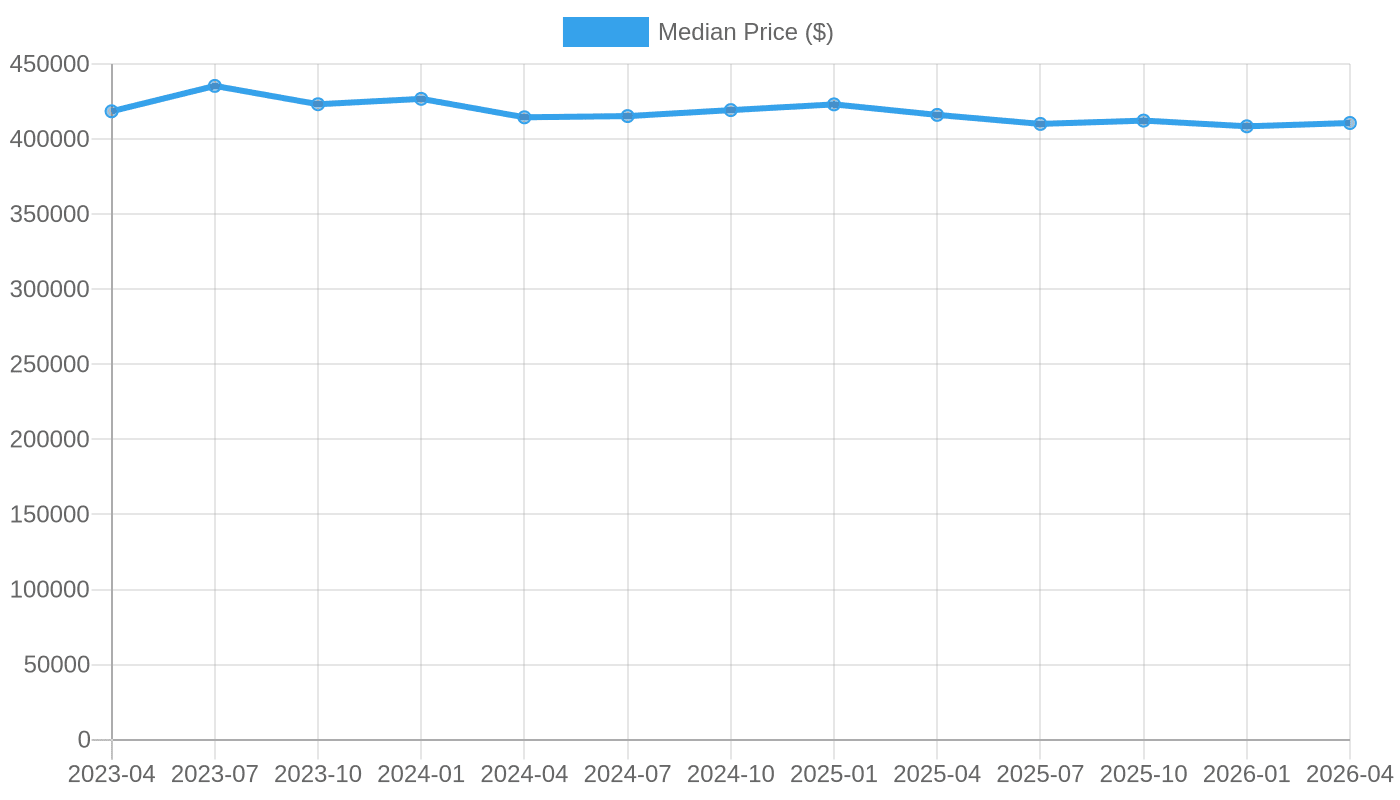
Meanwhile, the median home price has stayed high, at $410,700 as of April 2026. That's a slight dip from earlier peaks, but still elevated. Funds see this as an opportunity to buy at a discount and hold for long-term appreciation.
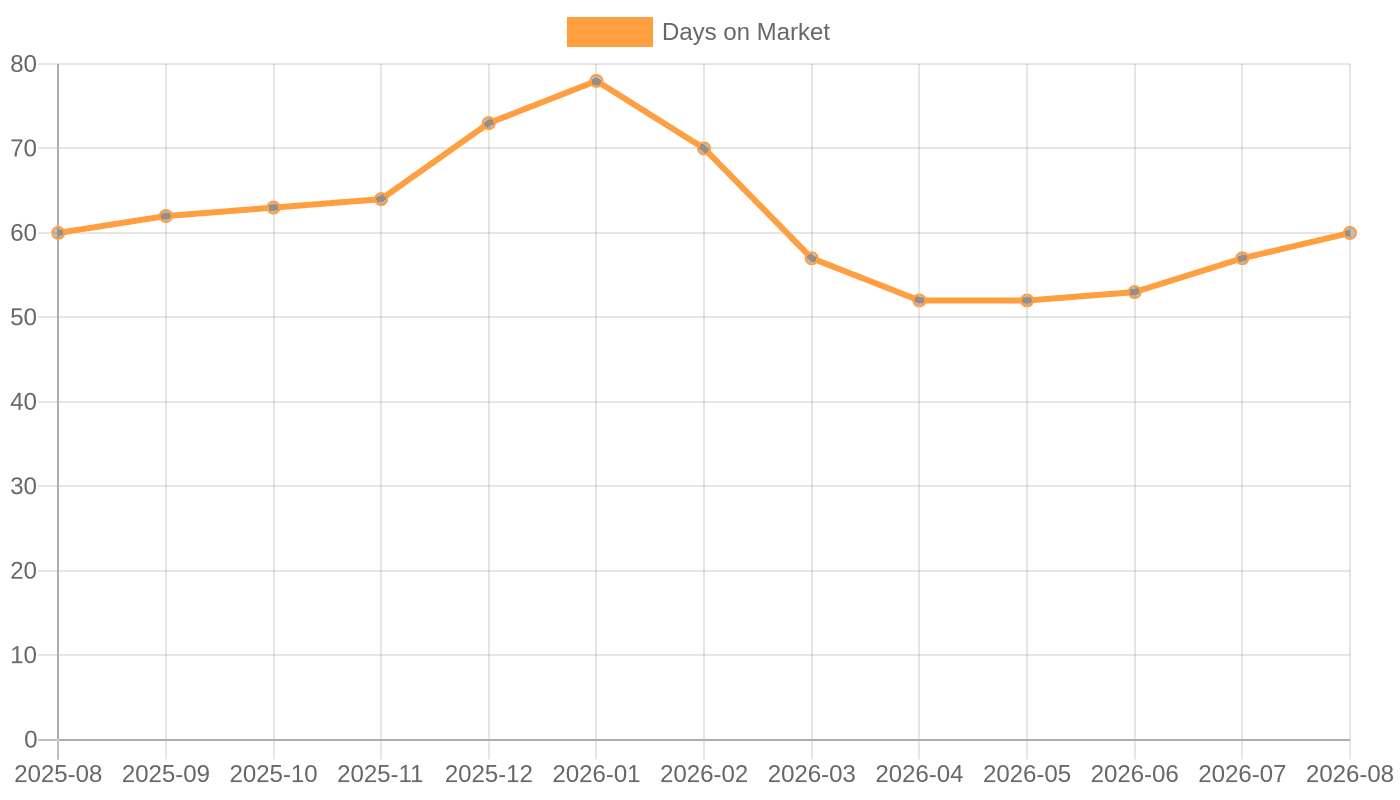
Days on market have averaged around 60 days as of August 2026, indicating a balanced market. For wholesalers, this means sellers are more willing to negotiate, and funds are ready to pounce.
How to Use Data to Find Hedge Fund Deals
Data is your best friend when sourcing deals for funds. Here's how to use it:
1. Identify Distressed Properties
Use PropStream or ATTOM to filter for properties with tax delinquencies, code violations, or pre-foreclosure status. These are prime targets for funds.
2. Analyze Comps
Pull recent sales of comparable properties to estimate ARV. Be conservative; funds will do their own analysis.
3. Estimate Repair Costs
Walk the property or use online estimates to get a repair range. Funds will verify, so be realistic.
How to Build Long-Term Relationships with Hedge Funds
One-off deals are nice, but recurring business is better. Here's how to become a trusted source:
- Deliver on your promises. If you say a property is under contract, make sure it is.
- Be transparent about your numbers. Don't inflate ARV or hide issues.
- Provide consistent inventory. Send them new deals on a regular schedule.
- Ask for feedback. If they pass on a deal, ask why. Use that to refine your sourcing.
The Bottom Line
Wholesaling to hedge funds is a viable strategy that can lead to larger fees and steady repeat business. It requires a professional approach, a solid understanding of what funds want, and persistence in building relationships. Start by researching funds in your area, building a targeted list, and practicing your pitch. Then use data tools to source deals that match their criteria. If you're new to cold calling, try our free AI Cold Call Trainer to practice your pitch before you dial. Compare the top tools in our directory to find the ones that fit your workflow.
Frequently Asked Questions
What is wholesaling real estate to hedge funds?
Wholesaling to hedge funds means finding off-market properties and assigning the purchase contract to an institutional buyer for a fee. Hedge funds buy in bulk, so you can move multiple deals at once.
How do I find hedge funds that buy wholesale real estate?
You can find them through industry events, networking with other wholesalers, and searching online for real estate investment funds. Look for acquisition managers on LinkedIn and pitch your deals.
What do hedge funds look for in a wholesale deal?
They typically look for distressed properties below market value, clear titles, and properties in their target markets. They often prefer to buy in portfolios rather than one-off deals.
How much can I make wholesaling to hedge funds?
Your fee is usually the difference between your contract price and the fund's purchase price. For example, if you contract at $100,000 and assign for $110,000, you earn $10,000. Some funds negotiate flat fees or percentages.
What tools do I need to wholesale to hedge funds?
You need property data tools like PropStream or ATTOM, a CRM like GoHighLevel for follow-up, and call tracking software like Call Tools. These help you source deals and manage communications.
Is it hard to sell to hedge funds?
It can be challenging because they have strict criteria and are busy. But with a professional approach, consistent follow-up, and deals that fit their buy-box, you can build profitable relationships.
Sources
- 30-Year Fixed Mortgage Rate — FRED
- Median Sales Price of Houses Sold — FRED
- Median Days on Market — FRED
This article was researched and drafted with AI assistance, then reviewed and edited by Mark Anthony. Every statistic is sourced and cited. It's for informational purposes only and is not financial or legal advice. Read our editorial policy.