Real Estate Wholesaling Platform vs. Spreadsheets: Which Scales?


Your spreadsheet isn't the problem — until it is. The day you forget to follow up with a motivated seller because their row got buried under three tabs is the day you start losing real money.
Key Takeaways
- Spreadsheets are free and flexible, but they break down on follow-up, team handoffs, and lead volume — the exact places wholesaling gets won.
- The Wholesale REI directory tracks 65 software tools across 9 categories, so there's a platform for nearly every stage of your pipeline.
- Market conditions reward speed: with the 30-year fixed rate at 7.28% and median days on market at 63, sellers need fast, organized follow-up.
- The right answer is usually a hybrid: keep a spreadsheet for one-off math, move your pipeline and follow-up into a platform.
What is a real estate wholesaling platform?
A real estate wholesaling platform is software that manages your deals end to end — lead capture, skip tracing, comps, follow-up, contracts, and buyer lists — in one connected system instead of scattered files.
Think of it as the operating system for your business. A spreadsheet stores data. A platform moves deals forward by reminding you who to call, logging what happened, and keeping your team on the same page.
Where spreadsheets still shine
Let's be fair to the spreadsheet. It's free, you already know it, and it does a few things beautifully:
- Quick deal math (the classic 70% rule calculation)
- A one-off buyer list you email twice a year
- Simple net-sheet estimates before you talk to a title company
If you're doing one or two deals a year solo, a spreadsheet genuinely works. The trouble starts when volume and complexity rise.
Where a platform takes over
A platform earns its keep when you have more leads than memory, more than one person touching deals, or more than one follow-up sequence running at once. That's when automation and a shared pipeline stop being nice-to-haves.
Why do spreadsheets stop scaling for wholesalers?
Spreadsheets stop scaling because they don't enforce follow-up, don't prevent duplicate work, and don't talk to your phone, email, or CRM. They store information; they don't act on it.
Here's the pattern most wholesalers hit. You start with one tab. Then a tab per lead source. Then a tab for buyers. Then a "hot leads" tab you swear you'll check daily. Within a few months, nobody trusts the sheet, so everyone keeps their own version.
The three failure points
- Follow-up falls through. A spreadsheet can't text a seller on day 3, 7, and 14 automatically. If you forget, the lead goes cold.
- Handoffs break. When a lead passes from acquisitions to dispositions, a spreadsheet has no clean status trail. Deals slip.
- Data gets stale. Skip-trace results, comps, and phone numbers change. Manual updates mean someone is always working from old info.
Why market speed makes this worse
When homes sit on the market longer, sellers get anxious — and anxious sellers call whoever follows up first. The median days on market sat at 63 as of October 2026, up from a spring low of 52 in April and May.
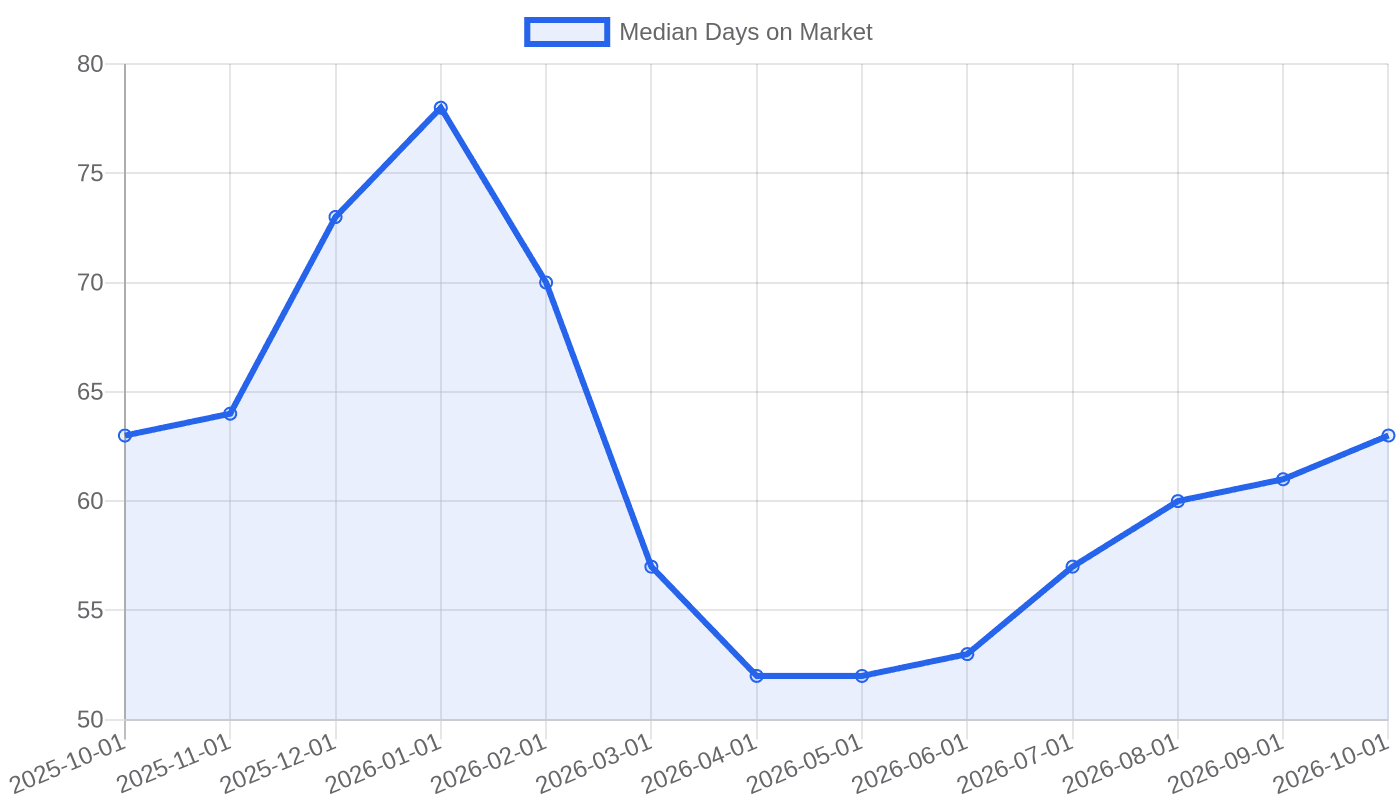
That swing matters. A lead that sits untouched in a spreadsheet for a week is a lead your competitor already called. Speed and consistency are exactly what a platform automates and a spreadsheet can't.
What does a real estate wholesaling platform actually do?
The core job of a wholesaling platform is to capture every lead, enrich it with data, and drive consistent follow-up until it becomes a contract — then hand it cleanly to your buyers.
Most platforms bundle a few of these functions. Very few do all of them, which is why the directory splits tools into categories.
The core functions to look for
- Lead capture from your website, ads, and cold-call lists
- Skip tracing and data enrichment to find owners and phone numbers
- Comps and property data to price offers fast
- CRM and follow-up automation for calls, texts, and email
- Dispositions to match contracts with cash buyers
How the directory maps to those functions
The Wholesale REI directory tracks 65 software tools across 9 categories, so you can match a tool to each job instead of forcing one app to do everything.
| Job to be done | Spreadsheet | Platform |
|---|---|---|
| Store lead info | Yes | Yes |
| Automated follow-up (calls/texts/email) | No | Yes |
| Skip tracing built in | No | Usually |
| Comps and property data | Manual | Built in |
| Team access and handoffs | Fragile | Yes |
| Cost | Free | Monthly fee |
| Scales past a few hundred leads | No | Yes |
That table is the whole argument in one place. A spreadsheet wins on cost. A platform wins on everything that touches speed and consistency.
How do you know when it's time to switch?
You're ready to switch when follow-up slips, when more than one person touches deals, or when you're juggling more leads than you can personally track. Those are the signals — not a specific deal count.
Here are the honest triggers to watch for:
- You've missed a follow-up on a seller you actually wanted.
- Two people have different versions of the same lead list.
- You're spending more time updating the sheet than talking to sellers.
- You can't tell which lead source is producing contracts.
- Your buyer list lives in your phone instead of a system.
If two or more of those sound familiar, the spreadsheet is already costing you more than a platform would.
A simple test before you buy
Before you commit, run a one-week test. Track every lead that goes cold and every follow-up you miss. If the number is higher than the monthly cost of a platform, the math answers itself.
Which platform features matter most for wholesaling?
Follow-up automation and clean data matter most, because those are the two things a spreadsheet can't do and the two things that directly produce contracts.
Everything else — dashboards, pretty reports, mobile apps — is secondary. Nice, but secondary.
Follow-up automation
This is the engine. A platform that texts and calls leads on a schedule, logs the outcome, and re-queues the next touch will beat a spreadsheet every single time. Look for multi-channel sequences and clear task lists.
Data and skip tracing
Accurate owner data and fast comps let you make offers in minutes instead of hours. In a market where the median sales price of houses sold was $393,300 as of July 2026, small pricing errors get expensive fast.
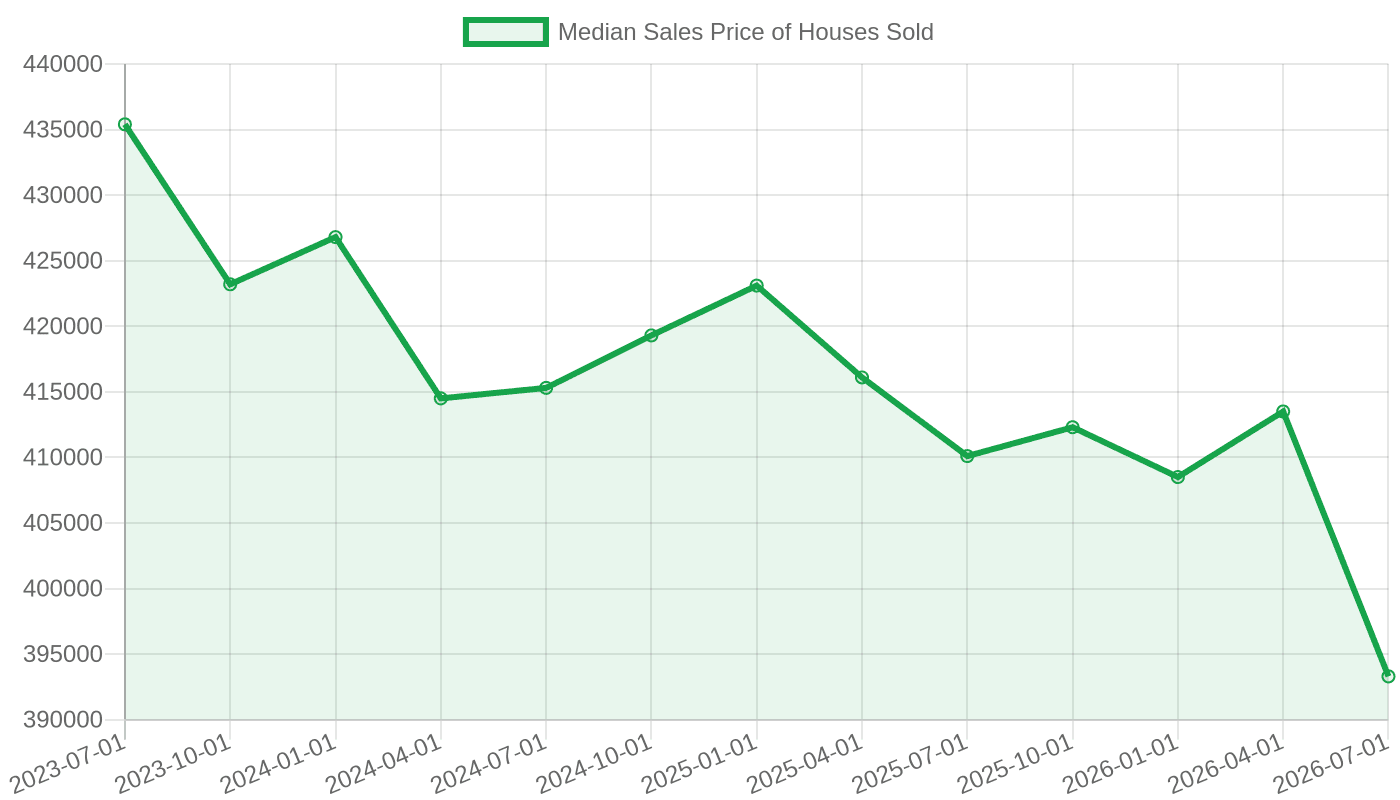
Notice the trend: that median price has drifted down from $435,400 in mid-2023. Tighter pricing means your offer math has to be sharp, and sharp math needs reliable comps — not a tab you updated last month.
Team access and handoffs
If you ever plan to hire a cold caller, an acquisitions manager, or a dispositions partner, choose a platform with roles and activity logs. A shared pipeline is the difference between a team and a group chat.
Spreadsheet vs. platform: side-by-side comparison
A spreadsheet is best for solo, low-volume wholesalers and quick math; a platform is best once you have steady lead flow, a team, or automated follow-up needs.
| Factor | Spreadsheet | Real estate wholesaling platform |
|---|---|---|
| Upfront cost | Free | Monthly subscription |
| Setup time | Minutes | Hours to days |
| Automated follow-up | None | Built in |
| Data enrichment | Manual | Often included |
| Team collaboration | Weak | Strong |
| Best for | 1-2 deals/year, solo | Growing pipelines, teams |
| Risk | Missed follow-ups, stale data | Monthly cost, learning curve |
The hidden cost of "free"
A spreadsheet has no invoice, but it has a price. Every missed follow-up and stale lead is money you never see on a receipt. That's the real comparison — not free versus paid, but visible cost versus invisible cost.
The hidden cost of a platform
A platform isn't free of tradeoffs either. You'll pay monthly, spend time on setup, and possibly pay for add-ons. The goal is to pick one that fits your actual workflow so you don't pay for features you'll never use.
How do you choose the right platform without overbuying?
Choose by job to be done, not by feature list length. Start with the one function that's costing you the most deals, buy for that, and add tools as you grow.
Here's a practical sequence:
- Diagnose your biggest leak. Is it follow-up, data, or dispositions?
- Match a category to that leak in the directory.
- Shortlist two or three tools and compare pricing and reviews.
- Run a trial on real leads for a week.
- Keep the spreadsheet for one-off math and move the pipeline into the platform.
A realistic hybrid setup
Most wholesalers I talk to end up hybrid. They keep a spreadsheet for net-sheet estimates and quick offer math, and they run the actual pipeline — leads, follow-up, buyers — inside a platform. That combination is cheap, fast, and hard to break.
Don't forget the human side
Software organizes your follow-up, but it doesn't make the call. The best platform in the world can't save a script that falls apart on the phone. Practice the conversation separately, then let the platform handle the scheduling and logging.
The Bottom Line
Spreadsheets are a fine starting point and a bad long-term home for your pipeline. Once follow-up, data, or team handoffs start slipping, a real estate wholesaling platform pays for itself in deals you stop losing.
Your next step: browse the directory's 9 categories and compare two or three tools against the leak that's costing you the most. And before you dial your next lead, try our free AI Cold Call Trainer — it's a no-signup way to practice the conversation the platform can't have for you.
Frequently Asked Questions
Is a spreadsheet or a platform better for real estate wholesaling?
A spreadsheet is fine for solo wholesalers doing one or two deals a year and for quick offer math. Once you have steady lead flow, a team, or automated follow-up needs, a platform wins because it enforces consistency and keeps data current.
When should I switch from a spreadsheet to a wholesaling platform?
Switch when you've missed a follow-up on a seller you wanted, when two people have different versions of the same list, or when updating the sheet eats more time than talking to sellers. Two or more of those signals means the spreadsheet is already costing you.
What features matter most in a real estate wholesaling platform?
Follow-up automation and clean data matter most, because those are the two things a spreadsheet can't do and the two that directly produce contracts. Dashboards and reports are secondary.
How many wholesaling software tools are out there?
The Wholesale REI directory tracks 65 software tools across 9 categories, so you can match a tool to a specific job like lead capture, skip tracing, comps, or dispositions instead of forcing one app to do everything.
Can I use both a spreadsheet and a platform?
Yes, and most wholesalers do. Keep a spreadsheet for one-off net-sheet estimates and quick offer math, and run your actual pipeline — leads, follow-up, and buyers — inside a platform.
Why does follow-up speed matter so much right now?
With the 30-year fixed rate at 7.28% and median days on market at 63, sellers are waiting longer and getting anxious. Anxious sellers call whoever follows up first, so consistent automated follow-up directly wins deals.
Sources
- Software tools tracked in the Wholesale REI directory — Wholesale REI directory
- Tool categories in the Wholesale REI directory — Wholesale REI directory
- 30-Year Fixed Mortgage Rate — FRED (Federal Reserve Bank of St. Louis)
- Median Sales Price of Houses Sold — FRED (Federal Reserve Bank of St. Louis)
- Median Days on Market — FRED (Federal Reserve Bank of St. Louis)
This article was researched and drafted with AI assistance, then reviewed and edited by Mark Anthony. Every statistic is sourced and cited. It's for informational purposes only and is not financial or legal advice. Read our editorial policy.