Wholesale Real Estate Contracts Georgia: What to Include


You've found a motivated seller in Georgia, negotiated a great price, and now you need a contract that protects your assignment fee and keeps you out of legal trouble. But Georgia's wholesale laws have specific requirements that can trip you up if you miss them.
Key Takeaways
- Georgia requires a written contract with specific disclosures, including the seller's right to cancel within three business days for certain transactions.
- Your purchase agreement must clearly state that you intend to assign the contract and include the assignment clause.
- Use a due diligence period to inspect the property and confirm your buyer before closing.
- Include an earnest money deposit to show good faith, but keep it reasonable (typically $500–$5,000).
- Always disclose your profit and any dual agency relationships in writing.
What is a wholesale real estate contract in Georgia?
A wholesale real estate contract in Georgia is a legally binding purchase agreement between you (the wholesaler) and the seller, with terms that allow you to assign your rights to an end buyer for a profit. It's the foundation of your deal—and in Georgia, it must comply with state real estate laws, including specific disclosure requirements.
Georgia is a lien theory state and uses attorney-closing for real estate transactions. That means a real estate attorney must handle the closing, and your contract should specify who pays for the attorney and title search. Unlike some states, Georgia doesn't require a real estate license to wholesale, but you must avoid acting as a broker without a license. That's why your contract should never promise to "sell" the property for the seller—you're buying it and then assigning your interest.
Why Georgia wholesalers need a solid contract
A weak contract can cost you your assignment fee, expose you to lawsuits, or even void the deal. Georgia courts enforce contracts strictly, so missing a required disclosure can give the seller grounds to cancel. Plus, with the median home sales price at $393,300 (as of July 2026), according to FRED, the stakes are high. A well-drafted contract protects your profit and keeps you compliant.
The three roles your contract has to satisfy
It helps to think of your purchase agreement as serving three masters at once, and a good contract balances all three:
- The seller. The contract has to be clear enough that a motivated but unsophisticated homeowner understands what they're signing—what they're selling, for how much, when they get paid, and what rights they're giving up. Confusion at signing is where cancellations and disputes are born.
- The end buyer. Your assignment must hand the end buyer a clean, assignable interest with enough time and information to close. If the contract is vague on title, access, or closing mechanics, your buyer walks.
- The state of Georgia. The contract must reflect lien theory, attorney-closing, and the disclosure regime described below. Compliance isn't paperwork for its own sake—it's what makes the contract enforceable.
How Georgia's attorney-closing model shapes your contract
Because Georgia closes through a real estate attorney (or a title company working under attorney supervision), your contract should name the closing agent and allocate costs up front. In practice that means spelling out:
- Who selects the closing attorney—you, the seller, or a named neutral party.
- Who pays for the attorney and the title search, and whether those costs come out of the purchase price or are paid separately.
- What "clear title" means for your deal, and what happens if a title defect surfaces during due diligence.
Getting these terms in writing prevents the classic closing-week surprise where a cost dispute stalls the deal and your assignment fee hangs in the balance.
Why Georgia wholesalers need a solid contract
A weak contract can cost you your assignment fee, expose you to lawsuits, or even void the deal. Georgia courts enforce contracts strictly, so missing a required disclosure can give the seller grounds to cancel. Plus, with the median home sales price at $393,300 (as of July 2026), according to FRED, the stakes are high. A well-drafted contract protects your profit and keeps you compliant.
What clauses must be in a Georgia wholesale contract?
Every Georgia wholesale contract should include these essential clauses to protect your interests and comply with state law:
- Parties and Property Description: Full legal names of buyer and seller, and the property's legal description and address.
- Purchase Price and Payment Terms: The agreed price, earnest money amount, and how the balance will be paid (typically cash or financing).
- Assignment Clause: Explicitly state that you have the right to assign the contract to another party. This is non-negotiable for wholesalers.
- Due Diligence Period: A set timeframe (e.g., 14–30 days) for you to inspect the property, review title, and confirm your buyer.
- Closing Date and Location: Specify the closing date and that closing will occur at an attorney's office or title company.
- Contingencies: Include contingencies for financing (if applicable), inspection, and clear title.
- Disclosures: Georgia requires specific disclosures, such as the seller's property disclosure statement and lead-based paint disclosure (for pre-1978 homes).
- Default and Remedies: Outline what happens if either party defaults, including forfeiture of earnest money.
- Attorney Fees and Costs: State who pays for attorney fees, title search, and other closing costs.
- Entire Agreement Clause: Ensures the written contract is the full agreement, superseding any verbal promises.
The assignment clause: your profit protector
The assignment clause is what allows you to sell your contract to an end buyer for a fee. In Georgia, your contract should clearly state that you have the unconditional right to assign the agreement. Without it, the seller could argue you're not allowed to assign, and you'd lose your fee. Include language like: "Buyer reserves the right to assign this Agreement to any third party without Seller's consent."
A strong assignment clause does more than grant permission—it removes friction. If the clause requires the seller's consent, you've handed the seller a veto over your profit, and a seller who gets cold feet at the last minute can simply refuse. Language that makes assignment unconditional (or "to any third party without Seller's consent") keeps you in control. Pair it with a notice provision so the seller is informed of the assignment without being able to block it, and confirm the clause survives any amendment to the contract.
Due diligence period: your escape hatch
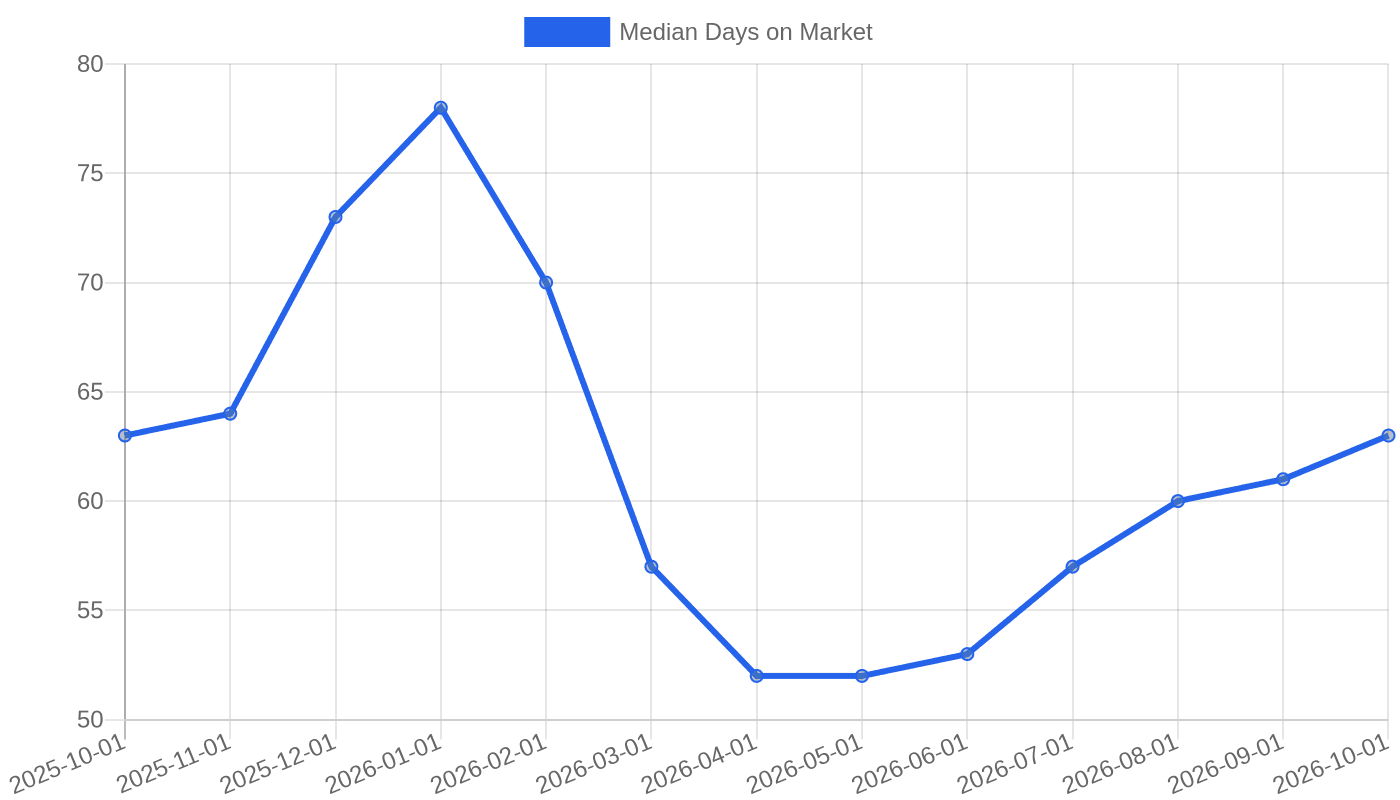
A due diligence period gives you time to inspect the property and find a buyer. In Georgia's market, where homes are sitting longer—the median days on market was 63 as of October 2026, per FRED—you need enough time to market the deal. Aim for 14–30 days, and make sure the contract allows you to cancel and get your earnest money back if you find something you don't like.
Treat the due diligence period as a checklist rather than a waiting game. During that window you should be:
- Inspecting the property for condition issues that would scare off a cash buyer.
- Ordering and reviewing title so you know what you're assigning.
- Marketing the deal to your buyer list and collecting interest.
- Confirming your end buyer's funds and timeline.
If any of those steps stalls, the cancellation right is what lets you walk away with your deposit intact instead of defaulting.
Earnest money, contingencies, and default terms
The earnest money clause, the contingency clauses, and the default-and-remedies clause work together as your risk-management system. Earnest money shows good faith; contingencies define the conditions under which you can exit; default terms define what happens if someone breaches. Make sure the contract states clearly that earnest money is refundable during the due diligence period and identify the specific events (failed inspection, title defect, inability to close) that trigger a refund. On the default side, spell out that forfeiture of earnest money is the seller's remedy for a buyer default—and that attorney fees follow the outcome of any dispute—so there are no surprises.
What disclosures are required in Georgia wholesale contracts?
Georgia requires several seller disclosures in residential real estate contracts. As a wholesaler, you must ensure these are included or you risk the seller canceling the deal.
- Seller's Property Disclosure Statement: Georgia law requires sellers to disclose known defects in the property. If you're buying from a homeowner, they must complete this form. If you're buying from another investor who has never lived in the property, they may be exempt, but you should still disclose what you know.
- Lead-Based Paint Disclosure: For homes built before 1978, federal law requires a lead-based paint disclosure and pamphlet. This is non-negotiable.
- Agency Disclosure: If you're working with a real estate agent, Georgia requires an agency disclosure form. Even if you're not represented, you should disclose that you're a wholesaler and not the end buyer.
- Right to Cancel: Georgia law gives homeowners a three-business-day right to cancel certain contracts, such as those signed at the home or during a home solicitation. Your contract should include this notice.
The three-day right to cancel
Georgia's Home Solicitation Sales Act gives consumers the right to cancel certain contracts within three business days if the contract was signed at their home or at a location other than the seller's place of business. If you're buying a home directly from a homeowner, this likely applies. Your contract must include a Notice of Cancellation form. If you fail to include it, the seller may have up to three years to cancel. That's a risk you can't afford.
Practically, this means you should build the cancellation notice into your standard packet rather than treating it as an afterthought. Hand the seller the notice at signing, walk them through what it means, and keep a signed acknowledgment in your file. A seller who understands the right to cancel is far less likely to invoke it later—and if they do, your documentation shows you complied.
How to disclose your profit
Georgia doesn't require you to disclose your assignment fee specifically, but you should be transparent that you're a wholesaler and intend to assign the contract. Hiding your profit can lead to accusations of fraud. Include a clause that states: "Buyer is a real estate investor and intends to assign this contract for a profit." This transparency builds trust and keeps you compliant.
Transparency also protects you at the closing table. When the end buyer's funds pay your assignment fee, the seller shouldn't be learning about your profit for the first time. A short, plain-language disclosure up front—that you're an investor, that you may assign, and that you'll earn a fee for doing so—converts a potential accusation into an understood term of the deal.
Dual agency and agency disclosure in practice
If a licensed agent is involved on either side, Georgia's agency disclosure rules kick in, and dual agency—where one agent represents both parties—must be disclosed in writing and consented to. As a wholesaler, your cleanest path is to know exactly who represents whom before you sign anything. If you're unrepresented, say so in writing. If an agent brings you the deal, confirm in writing which party they represent so there's no later claim that you benefited from an undisclosed relationship.
How do you structure an assignment in Georgia?
To structure an assignment in Georgia, you'll use a separate Assignment of Contract form that transfers your rights to the end buyer for a fee. The assignment agreement should include the original contract terms, the assignment fee, and the end buyer's information. You'll also need to notify the seller of the assignment, as required by your original contract.
Step-by-step assignment process
- Find a buyer: Market the property to cash buyers or investors.
- Negotiate the assignment fee: Typically 10–20% of the property's value, but it varies.
- Prepare the Assignment of Contract: Include the original contract, the assignment fee, and the end buyer's details.
- Get seller consent (if required): Some contracts require seller approval for assignment. If yours does, get it in writing.
- Close with an attorney: Georgia requires attorney-closing, so the assignment must be handled by a real estate attorney.
- Collect your fee: The assignment fee is usually paid at closing from the end buyer's funds.
What goes into the Assignment of Contract
The assignment document is short but unforgiving—every field matters. At minimum it should identify the original purchase agreement by date and property, name the assignor (you) and assignee (your end buyer), state the assignment fee and when it's payable, and confirm the assignee assumes all of your obligations under the original contract. Attach a copy of the original contract so the end buyer and the closing attorney are working from the same terms.
Common assignment mistakes to avoid
- Not having an assignable contract: If your contract doesn't explicitly allow assignment, you're stuck.
- Assigning without notifying the seller: Some contracts require notice; failing to notify can void the assignment.
- Underestimating closing costs: Attorney fees and title costs can eat into your fee. Budget for them.
- Skipping the due diligence period: Without it, you can't back out if you can't find a buyer.
What are the risks of wholesaling in Georgia without a proper contract?
Without a proper contract, you risk losing your assignment fee, facing legal penalties, and damaging your reputation. Georgia regulators have been cracking down on unlicensed wholesaling activity, and a poorly written contract can be used against you in court.
Legal risks
- Unlicensed brokerage: If your contract promises to sell the property for the seller, you may be acting as an unlicensed broker. Georgia law requires a license for brokerage activities.
- Failure to disclose: Missing required disclosures can give the seller the right to cancel or sue for damages.
- Equitable interest: Some Georgia courts have ruled that wholesalers who take equitable interest without proper disclosure may be subject to licensing requirements.
Financial risks
- Lost earnest money: If you default, you could lose your deposit.
- Double closing costs: If you can't assign and have to do a double closing, you'll pay two sets of closing costs.
- Attorney fees: If a dispute arises, you may be responsible for legal fees.
How to protect yourself
The defenses against these risks are mostly procedural, and they're cheap compared to a lawsuit:
- Keep your language as a buyer, never a broker. Your contract buys an interest; it never promises to sell on the seller's behalf.
- Document every disclosure with a signed acknowledgment and keep it in the deal file.
- Use an attorney to review your template before you use it repeatedly, so a single drafting error doesn't get replicated across dozens of deals.
- Carry the right insurance and entity structure so a single bad deal doesn't reach your personal assets.
How do market conditions affect your Georgia wholesale contract?
Market conditions affect your contract terms, especially due diligence periods and earnest money. In a slower market with more days on market, you need longer due diligence to find a buyer. As of October 2026, the median days on market was 63, up from 52 in April 2026, according to FRED. That means homes are taking longer to sell, so you should negotiate a longer due diligence period—30 days or more—to give yourself time.
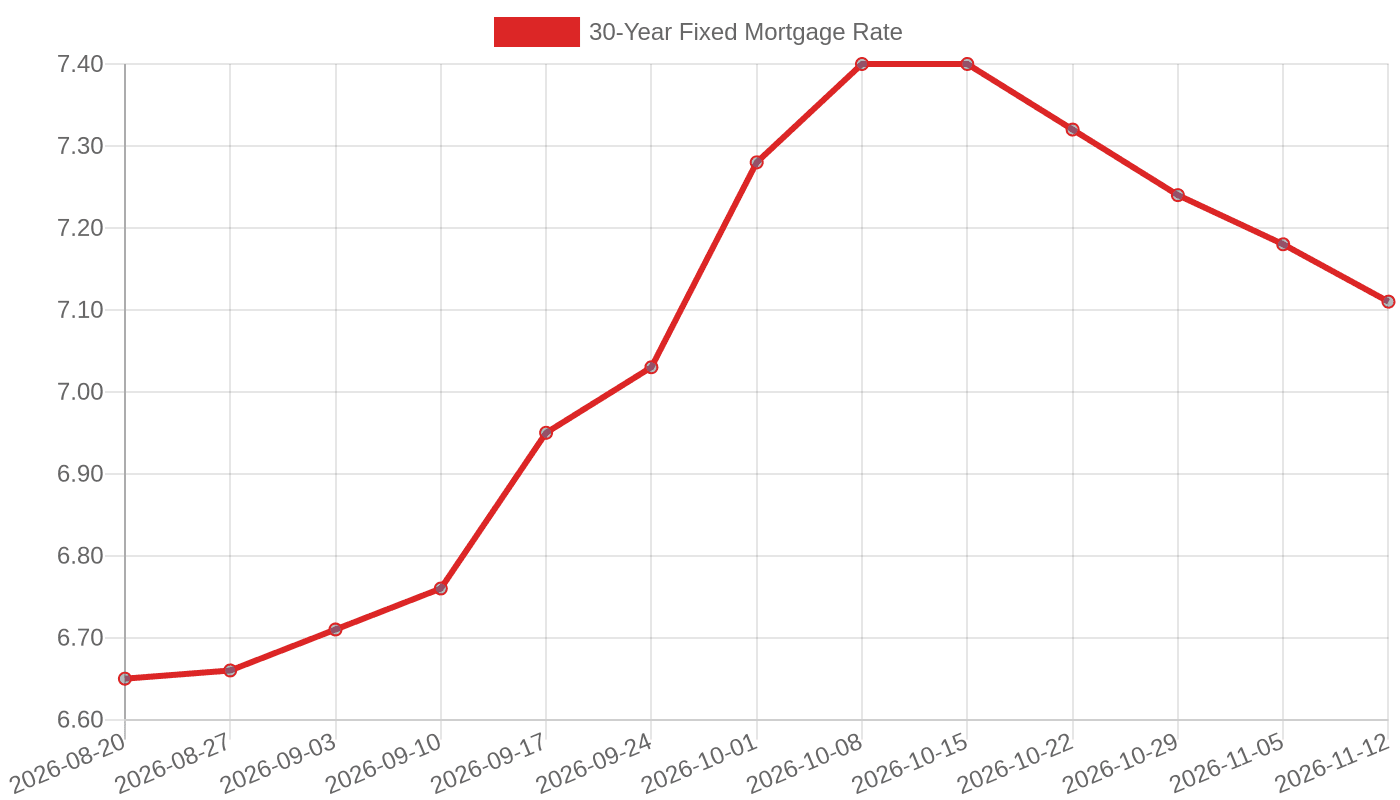
Mortgage rates also play a role. As of November 12, 2026, the 30-year fixed mortgage rate was 7.11%, per FRED. Higher rates mean fewer buyers, so your pool of end buyers may shrink. That's why your contract should allow for a longer marketing period and include an escape clause if you can't find a buyer.
Adjusting your contract for a slower market
- Extend due diligence: Go from 14 days to 30 days.
- Increase earnest money: Show sellers you're serious with a higher deposit (e.g., $5,000 instead of $1,000).
- Add a financing contingency: If your end buyer needs financing, include a contingency.
- Be flexible on closing date: Allow for extensions if needed.
Reading the two market signals together
Days on market and mortgage rates tell you different things, and your contract should respond to both. Rising days on market (from 52 in April 2026 to 63 in October 2026) tells you that even well-priced homes are taking longer to move—so your marketing window needs to stretch. A 7.11% thirty-year fixed rate tells you that financed buyers are thinner on the ground, which pushes you toward cash buyers and toward contract terms that don't depend on a retail buyer's loan approval. When both signals point the same direction, negotiate the longest due diligence period your seller will accept and build in an exit if your buyer pool doesn't materialize.
What tools help you manage Georgia wholesale contracts?
To manage contracts efficiently, use real estate investing software that includes contract templates, e-signatures, and CRM features. The Wholesale REI directory tracks 65 tools across 9 categories, so you can find the right fit. Here are some top options:
| Tool | Best For | Key Feature |
|---|---|---|
| GoHighLevel | All-in-one CRM & contracts | Built-in e-signature and pipeline management |
| PropStream | Property data & comps | Access to property records and valuation |
| ATTOM Data | Property data | Detailed property and ownership data |
| CallTools | Cold calling | Power dialer for lead generation |
| Launch Control | Marketing automation | Automate follow-ups and campaigns |
| TeleVista Lead Generation | Lead generation | Targeted lists for wholesalers |
How to choose the right software
- Look for Georgia-specific templates: Some tools offer state-specific contract templates.
- Check for e-signature integration: Saves time and reduces errors.
- Ensure CRM integration: Keeps all deal info in one place.
- Read reviews: See what other wholesalers say.
Building a repeatable contract workflow
Software earns its keep when it turns a one-off deal into a repeatable process. A practical workflow looks like this: capture the lead in your CRM, generate the contract from a Georgia-reviewed template, send it for e-signature, log the signed disclosures and cancellation notice in the deal file, track the due diligence deadline with an automated reminder, and store the assignment document alongside the original. When every deal follows the same path, nothing falls through the cracks—and when a dispute arises, your file tells the whole story.
How do you negotiate contract terms with Georgia sellers?
Negotiate by focusing on seller pain points and offering flexibility. Many sellers in Georgia are motivated by time, not just price. If you can close quickly or offer a rent-back option, you can get better terms.
Tips for negotiating
- Listen first: Understand the seller's timeline and motivation.
- Offer a quick close: If they need to move fast, a 14-day close is attractive.
- Be transparent about assignment: Explain that you're an investor and may assign the contract.
- Use earnest money as leverage: A higher deposit can justify a lower price.
- Get it in writing: Verbal promises mean nothing in court.
Turning seller pain points into contract terms
Negotiation isn't just about price—it's about trading contract terms for value the seller cares about. A seller facing foreclosure cares about speed, so a short closing date is worth more to them than a few thousand dollars. A seller who needs to stay in the home a few weeks cares about a rent-back, so offering one can win you a lower purchase price. A seller who is nervous about the process cares about certainty, so a clear, well-explained contract and a reasonable earnest money deposit can close the gap. Match the term to the pain point, and put every concession in writing.
The Bottom Line
A solid Georgia wholesale contract protects your profit and keeps you compliant. Use the clauses and disclosures outlined above, and adjust your terms based on market conditions. Next, compare the top contract and CRM tools in our directory to find one that fits your business.
Frequently Asked Questions
Do I need a real estate license to wholesale in Georgia?
No, Georgia does not require a real estate license to wholesale, as long as you are buying the property and assigning your interest, not acting as a broker for the seller. However, you must avoid marketing the property for sale on behalf of the seller without a license.
What is the three-day right to cancel in Georgia?
Georgia's Home Solicitation Sales Act gives homeowners three business days to cancel certain contracts signed at their home or away from the seller's place of business. Your wholesale contract must include a Notice of Cancellation form, or the seller may have up to three years to cancel.
How long should my due diligence period be in Georgia?
Aim for 14–30 days, but in a slower market with more days on market (median 63 days as of October 2026), consider 30 days or more to give yourself time to find an end buyer.
Can I assign my contract without the seller's consent in Georgia?
Only if your contract explicitly allows assignment without consent. Otherwise, you need the seller's written approval. Always include an assignment clause that grants you the unconditional right to assign.
What disclosures are required for pre-1978 homes in Georgia?
Federal law requires a lead-based paint disclosure and pamphlet for homes built before 1978. You must provide this to the buyer and keep a signed copy for at least three years.
Do I need an attorney to close a wholesale deal in Georgia?
Yes, Georgia is an attorney-closing state, so a real estate attorney must handle the closing. Your contract should specify who pays the attorney fees, typically the buyer or as negotiated.
Sources
- Software tools tracked in the Wholesale REI directory — Wholesale REI directory
- Tool categories in the Wholesale REI directory — Wholesale REI directory
- 30-Year Fixed Mortgage Rate (as of 2026-11-12) — FRED (Federal Reserve Bank of St. Louis)
- Median Sales Price of Houses Sold (as of 2026-07-01) — FRED (Federal Reserve Bank of St. Louis)
- Median Days on Market (as of 2026-10-01) — FRED (Federal Reserve Bank of St. Louis)
This article was researched and drafted with AI assistance, then reviewed and edited by Mark Anthony. Every statistic is sourced and cited. It's for informational purposes only and is not financial or legal advice. Read our editorial policy.