Assignment of Contract Form Real Estate: How to Fill It Out


You found a seller, locked up the deal, and now you need to hand it off and get paid. The assignment of contract form is the one page that makes that happen — and one sloppy field can cost you the whole fee.
Key Takeaways
- An assignment of contract form transfers your buyer's rights in a purchase agreement to an end buyer, who pays you an assignment fee at closing.
- The form needs five core pieces: the original contract date, the assignment fee, the closing deadline, the assignee's name, and your signature.
- With the median home sale price at $393,300 and the 30-year fixed rate at 7.21%, your end buyer's numbers are tight — so your fee has to be realistic.
- The median days on market sits at 63, which means you have real room to negotiate timelines, but you must spell those dates out on the form.
- Our directory tracks 65 software tools across 9 categories to help you find buyers, comps, and contracts in one place.
What is an assignment of contract form in real estate?
An assignment of contract form is a written document that transfers your rights and obligations under a purchase agreement to another buyer — the assignee — in exchange for a fee. You stay in the deal as the assignor, but the assignee steps in to close.
Here's the plain version. You sign a purchase contract with a seller. Before you close, you find an end buyer who wants the property. Instead of closing yourself, you assign your contract to that buyer. They pay the seller, and they pay you an assignment fee on top.
The form is the paper trail for that handoff. Without it, you're just hoping the buyer honors a handshake.
How is it different from a double close?
A double close means you actually buy the property and then resell it in two separate transactions. An assignment is one transaction — the end buyer closes directly with the seller.
Assignments are cheaper and faster. Double closes hide your fee from the seller but cost you two sets of closing costs. Most wholesalers start with assignments and only double close when the seller's contract forbids assignment.
Is an assignment of contract form legal everywhere?
No — it depends on your state and your original contract. Some purchase agreements include an anti-assignment clause that blocks you from transferring the deal. Others require the seller's written consent.
Always read the assignment clause in your original purchase contract before you sign anything with a buyer. If assignment is prohibited, you need a double close or a different exit.
Why does the assignment of contract form matter so much right now?
It matters because buyer margins are thinner than they were a couple of years ago, so your form has to be airtight and your fee has to be believable. When rates and prices squeeze your end buyer, a sloppy assignment form is the first thing that kills a deal.
Look at the mortgage rate trend. The 30-year fixed rate climbed from 6.71% on September 3, 2026 to 7.21% on November 25, 2026, with a peak of 7.40% in mid-October.
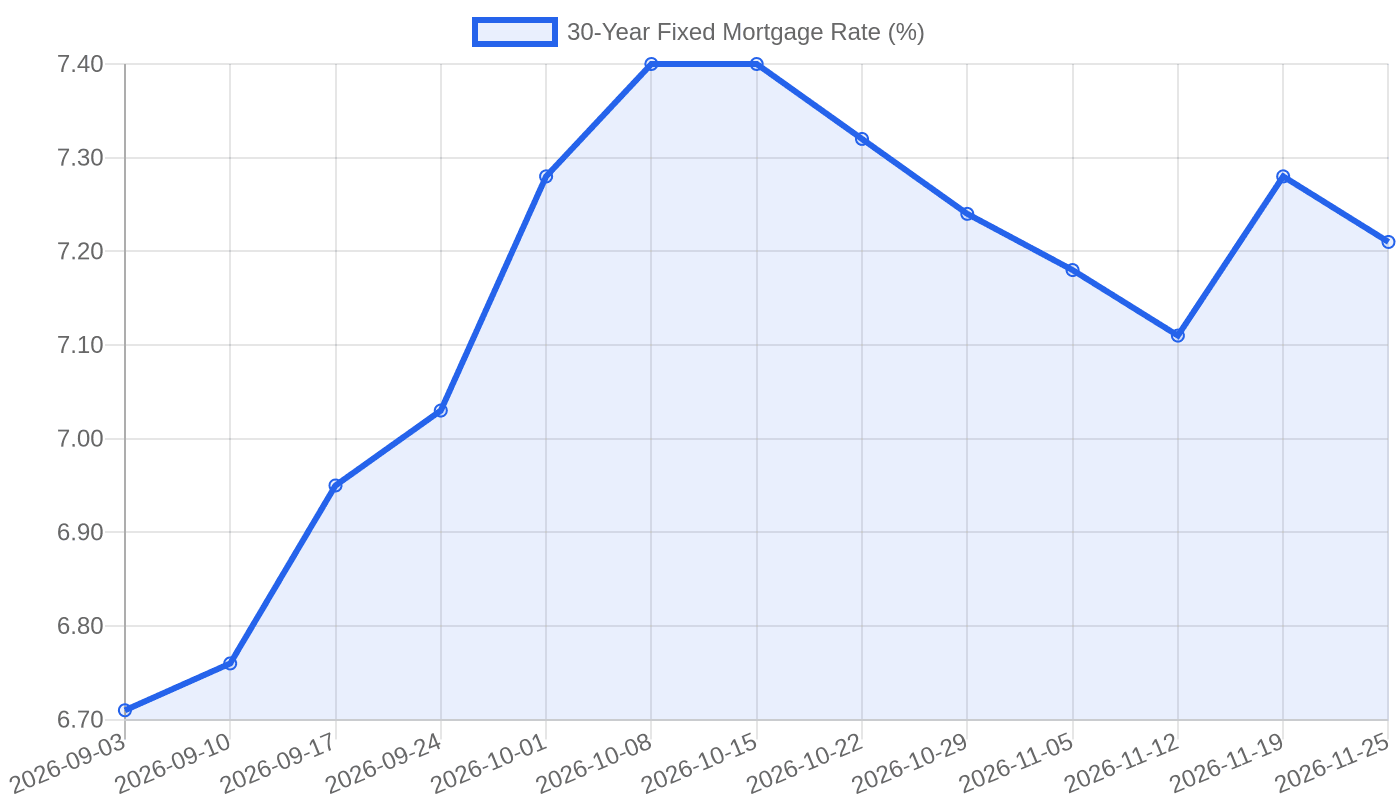
Every bump in that line raises your end buyer's monthly payment. That's why your assignment fee needs to leave room for their profit — not eat it.
The price side matters too
The median sales price of houses sold dropped from $435,400 in Q3 2023 to $393,300 in Q3 2026. That's a softer market, and buyers know it.
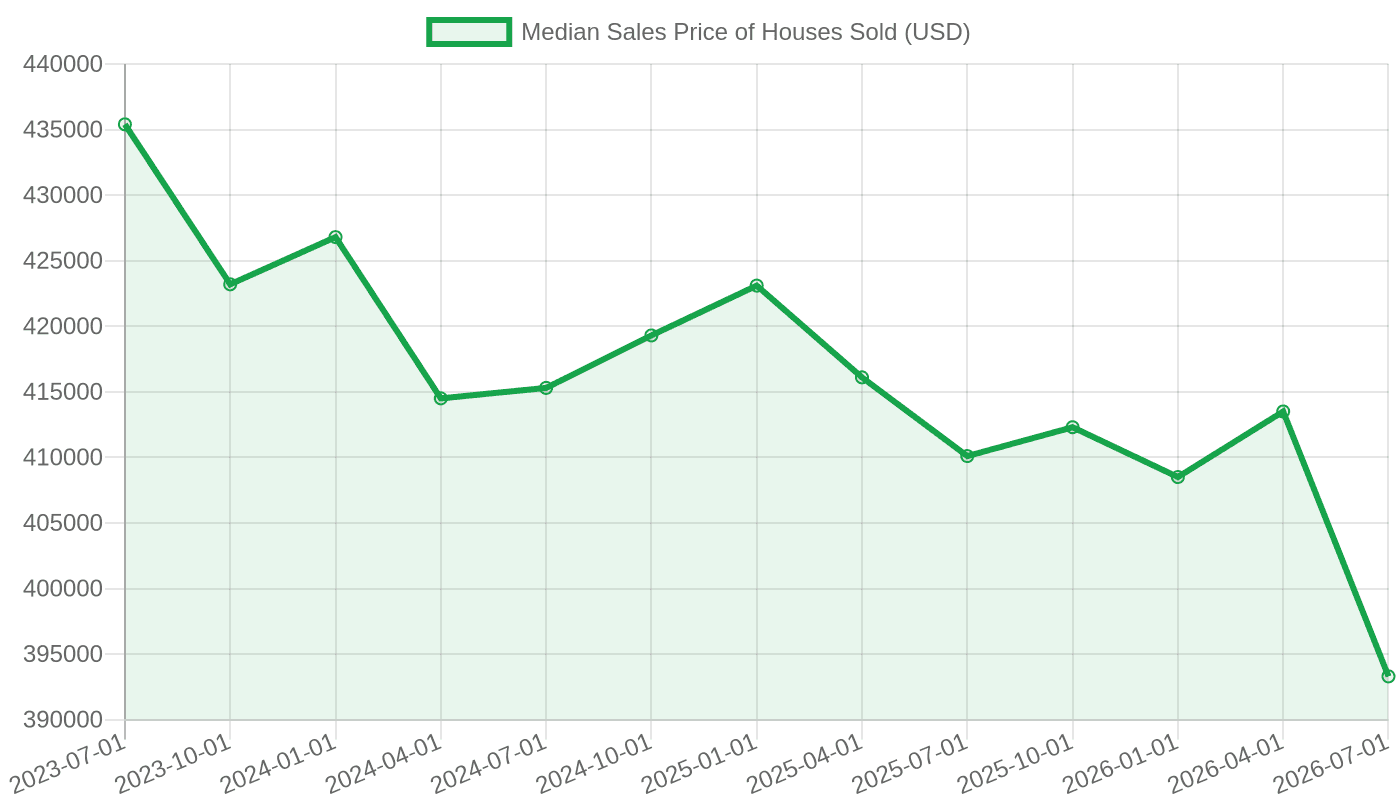
When prices slide, buyers get pickier. Your assignment form needs to show a clean, assignable contract with clear numbers, or they'll pass.
Days on market gives you negotiating room
The median days on market hit 78 days in January 2026 and settled at 63 days by October 2026. Longer marketing times mean sellers are more motivated — and more willing to give you a longer inspection window you can assign.
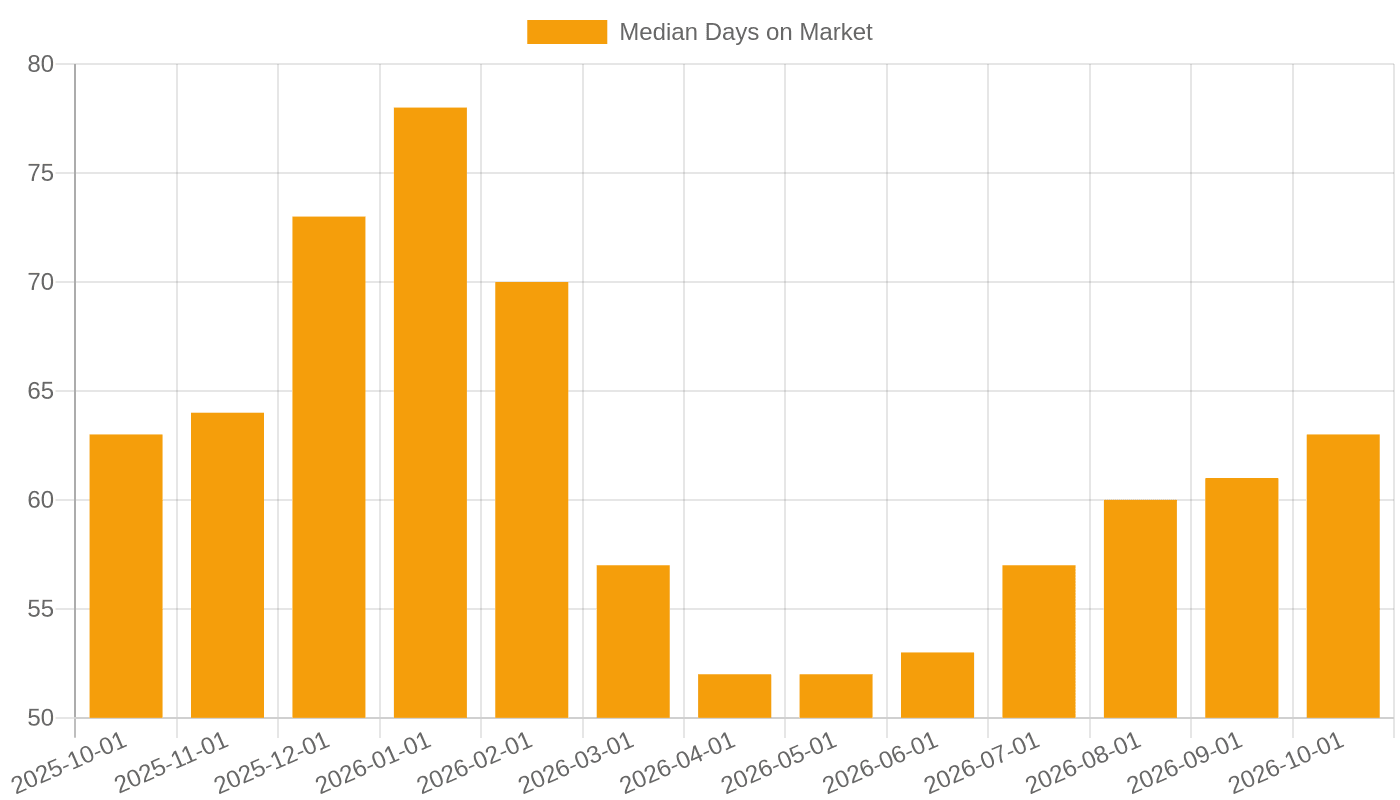
That extra time is your friend. Use it to find a buyer before your closing deadline hits.
What fields go on an assignment of contract form?
Every assignment form needs the same core fields, no matter which template you use. Here's the checklist you should run through before you send it to anyone.
- Assignor name and contact info — that's you or your entity.
- Assignee name and contact info — your end buyer, spelled exactly as it appears on their closing docs.
- Original purchase contract date — the date you and the seller signed.
- Property address — full legal address, matching the original contract.
- Assignment fee — the exact dollar amount you're charging.
- Payment terms — usually paid at closing from the settlement statement.
- Closing date and deadline — the date the assignee must close by.
- Earnest money terms — how much the assignee puts down and whether it's refundable.
- Signature blocks — assignor, assignee, and often the seller's acknowledgment.
- Notary block — if your state requires it.
The assignment fee field
This is the number everyone cares about. Write it as a specific dollar figure, not a percentage, unless your state requires otherwise.
Be realistic. If your end buyer is paying $393,300-level prices in a 7.21% rate environment, a $40,000 fee on a thin-margin deal will get rejected. A clean $8,000 to $15,000 fee that leaves the buyer room to profit closes far more often.
The closing deadline field
Put a real date here, not "TBD." Your assignee needs to know exactly when they must close, and your seller needs to know the deal won't drag on forever.
If your original contract gives you 45 days and the median home sits on the market 63 days, you have a buffer. Don't burn it — set the assignment closing date a few days before your contract deadline so you have room to fix problems.
The consent clause
If your original purchase contract requires the seller's written consent to assign, add a signature line for the seller. Get it signed before you collect any deposit from your buyer.
How do you fill out an assignment of contract form step by step?
Fill it out in this order: original contract details first, then assignee info, then the fee, then signatures. Doing it in sequence prevents the most common errors.
Step 1: Pull the original purchase contract
Lay your original contract next to the assignment form. Copy the property address, contract date, purchase price, and closing date exactly. Typos here are the number one reason assignments get challenged at closing.
Step 2: Enter the assignee's legal name
Use the name that will appear on the deed and the closing documents. If your buyer is an LLC, use the LLC's exact registered name. "John's Investments" and "John's Investments LLC" are not the same thing to a title company.
Step 3: State the assignment fee clearly
Write the dollar amount in both numbers and words. Example: $12,000 (Twelve Thousand and 00/100 Dollars). This prevents disputes and matches how title companies like to see it.
Step 4: Set the closing date and earnest money
Give a specific date. Then state how much earnest money the assignee is putting down and whether it's refundable. Most wholesalers make it non-refundable after the inspection period to protect the deal.
Step 5: Add your contingencies
Keep the ones from your original contract that still apply — inspection, financing if relevant, and title review. Don't add new contingencies you can't back up.
Step 6: Sign, notarize, and deliver
Sign as the assignor. Have the assignee sign. If your state requires notarization, get it done. Then deliver copies to your buyer, your title company, and your seller if consent was required.
What should a filled-out assignment form look like?
Here's a side-by-side of what goes in each field, so you can sanity-check your own form before you send it.
| Field | What to Write | Common Mistake |
|---|---|---|
| Assignor | Your name or LLC | Using a nickname |
| Assignee | Buyer's legal name | Missing "LLC" |
| Original contract date | Exact date from contract | Wrong month |
| Property address | Full legal address | Missing unit number |
| Assignment fee | Dollar amount + words | Percentage only |
| Closing date | Specific date | "TBD" |
| Earnest money | Amount + refundable? | Left blank |
| Seller consent | Signature if required | Skipped entirely |
| Notary | Signed and stamped | Missing seal |
Print this table and tape it to your desk. It's the fastest way to catch a mistake before it costs you a deal.
What are the most common mistakes on assignment forms?
Most assignment form mistakes come down to three things: wrong names, vague dates, and missing consent. Fix those and you'll close far more deals.
- Mismatched names. The assignee's name must match their closing documents exactly.
- Blank closing dates. "TBD" invites disputes. Always put a real date.
- No seller consent. If your contract requires it, skipping it can void the assignment.
- Fee written only as a percentage. Title companies prefer a fixed dollar amount.
- Missing notary block. Some states require it; check yours.
- No copy sent to title. Title needs the assignment form early, not at the closing table.
The mistake that costs the most
The costliest mistake is a fee that's too high for the buyer's margin. In a market where the median sale price is $393,300 and rates are at 7.21%, buyers run tight numbers. A fee that leaves them no room to profit gets rejected — and you're back to finding another buyer.
How do you find buyers who will sign your assignment form?
You find them by marketing the deal, not the form. Buyers sign assignment forms when the numbers work — so lead with the spread, then hand them the paperwork.
Here's what works:
- Build a cash buyer list using a data tool that filters for recent cash purchases and absentee owners.
- Send the deal to your list with the purchase price, rehab estimate, ARV, and your fee clearly stated.
- Qualify buyers fast — ask for proof of funds before you send the assignment form.
- Use a CRM to track who's seen the deal and who's ready to sign.
- Call your top buyers instead of waiting on email. A quick call closes more assignments than a mass text.
Our directory tracks 65 tools across 9 categories, so you can compare data providers, CRMs, and dialers side by side instead of guessing.
Practice the buyer conversation
Before you call a buyer about a deal, practice the pitch. The AI Cold Call Trainer lets you rehearse against a realistic AI seller or buyer — it's free and takes no signup to start.
The Bottom Line
An assignment of contract form is simple on its face — names, dates, a fee, and signatures — but the details decide whether you get paid. Fill it out in order, use exact legal names, put a real closing date on it, and keep your fee realistic for today's buyer margins.
Your next step: compare the data and CRM tools in our directory so you can build a buyer list and track every assignment from contract to closing.
Frequently Asked Questions
What is an assignment of contract form in real estate?
It's a document that transfers your rights under a purchase agreement to another buyer, called the assignee, in exchange for an assignment fee. You stay in the deal as the assignor, but the assignee closes with the seller.
How much should I charge as an assignment fee?
Most wholesalers charge a fixed dollar amount that still leaves the end buyer room to profit. With the median sale price at $393,300 and rates at 7.21%, a fee that's too high gets rejected — so keep it realistic for the deal's spread.
Do I need the seller's consent to assign a contract?
It depends on your original purchase contract and your state. Some contracts include an anti-assignment clause or require written seller consent, so read that clause before you sign anything with a buyer.
What's the difference between an assignment and a double close?
An assignment is one transaction where the end buyer closes directly with the seller. A double close means you actually buy the property and then resell it in two separate closings, which costs more but hides your fee.
Can I fill out an assignment form myself?
Yes, in most cases you can fill out a standard assignment form yourself. But have a real estate attorney review your template for your state's rules, especially around notarization and seller consent.
When does the assignee pay the assignment fee?
Usually at closing, paid from the settlement statement. That's why the fee should be written as a specific dollar amount on the form so the title company can disburse it cleanly.
Sources
- Software tools tracked in the Wholesale REI directory — Wholesale REI directory
- Tool categories in the Wholesale REI directory — Wholesale REI directory
- 30-Year Fixed Mortgage Rate (as of 2026-11-25) — FRED (Federal Reserve Bank of St. Louis)
- Median Sales Price of Houses Sold (as of 2026-07-01) — FRED (Federal Reserve Bank of St. Louis)
- Median Days on Market (as of 2026-10-01) — FRED (Federal Reserve Bank of St. Louis)
This article was researched and drafted with AI assistance, then reviewed and edited by Mark Anthony. Every statistic is sourced and cited. It's for informational purposes only and is not financial or legal advice. Read our editorial policy.