Best Driving for Dollars Apps Compared: A Wholesaler's Guide

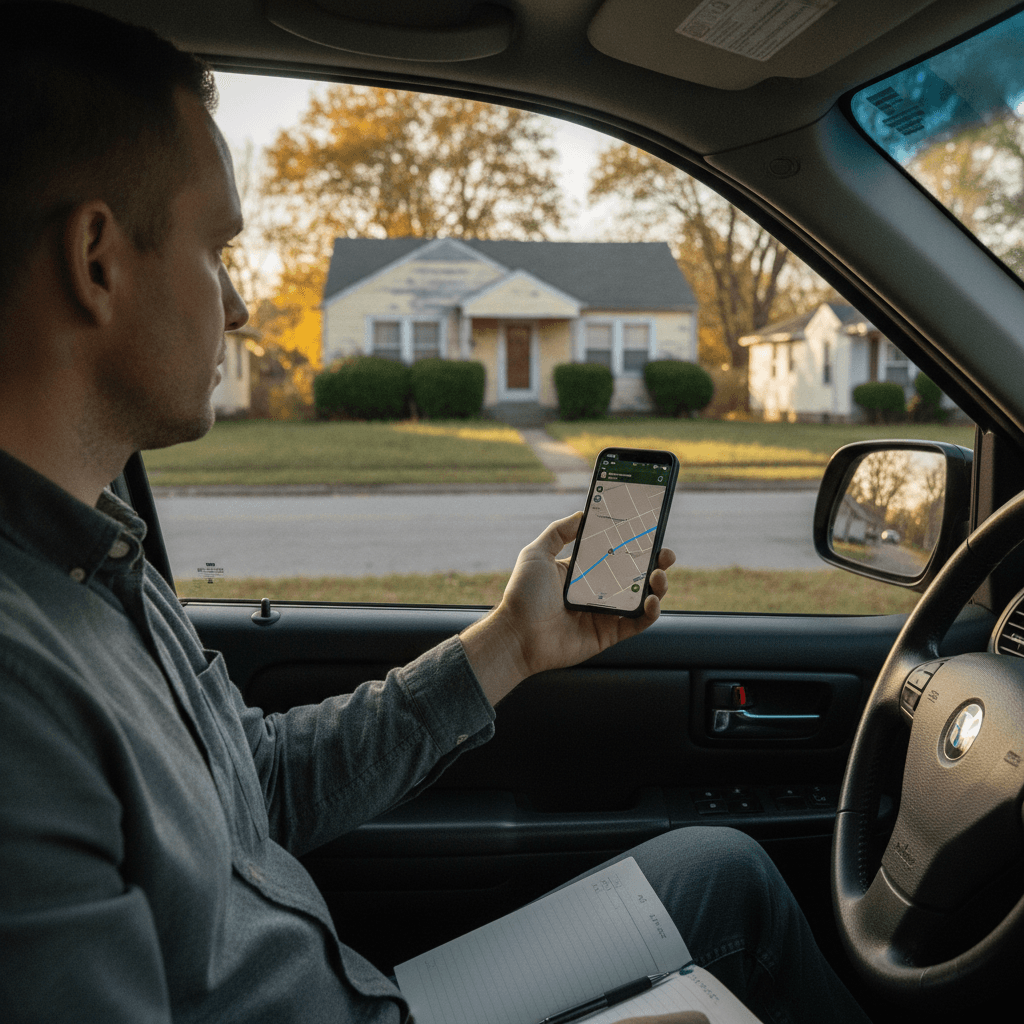
You can buy all the skip-traced lists you want, but the cheapest wholesale deal you'll ever close is usually the one you spot with your own eyes. The right driving for dollars app turns that windshield time into a repeatable pipeline — and this guide compares what you actually need.
Key Takeaways
- The Wholesale REI directory tracks 65 real estate investing tools across 9 categories, so you can compare capture apps, data providers, CRMs, and dialers before you pay.
- For wholesalers, the best "app" is really a stack: a property-data platform to identify owners, a CRM to track the deal, and a dialer to get you on the phone.
- Market conditions favor off-market hunting right now: the median U.S. home price is $410,700, the 30-year mortgage rate is 6.66%, and the median home sits on the market 53 days (as of June 2026).
- Compare apps on owner-data accuracy, mobile capture speed, skip tracing, and CRM integrations — not on flashy map features.
- Build a routine: drive one neighborhood, capture in bulk, skip trace the same evening, and call within 48 hours.
What Is a Driving for Dollars App?
A driving for dollars app is a mobile or web tool that lets you spot distressed or vacant properties from your car, capture the address, identify the owner, and track your follow-up without juggling spreadsheets and sticky notes.
The classic method hasn't changed: you drive block by block, looking for peeling paint, overgrown yards, boarded windows, and empty driveways. Then you write down the address and look up the owner later. The app removes the busywork — you tap a property, snap a photo, and the tool pulls the owner's name and mailing address, then moves the lead into your follow-up system.
For wholesalers, "driving for dollars app" is really a category, not a single product. The Wholesale REI directory tracks 65 tools across 9 categories, and the building blocks are all there: property-data platforms like PropStream and ATTOM Data, CRMs like GoHighLevel, and follow-up dialers like CallTools, Launch Control, and Televista. Most successful wholesalers pair two or three of these.
Why Do Wholesalers Use Driving for Dollars Apps?
Wholesalers use driving for dollars apps because they generate off-market leads at a lower cost per deal than cold lists — and the app makes the process repeatable instead of random.
The housing market is making that repeatable process more valuable. The national median sales price has hovered between roughly $408,500 and $435,400 since 2023, sitting at $410,700 as of April 2026.
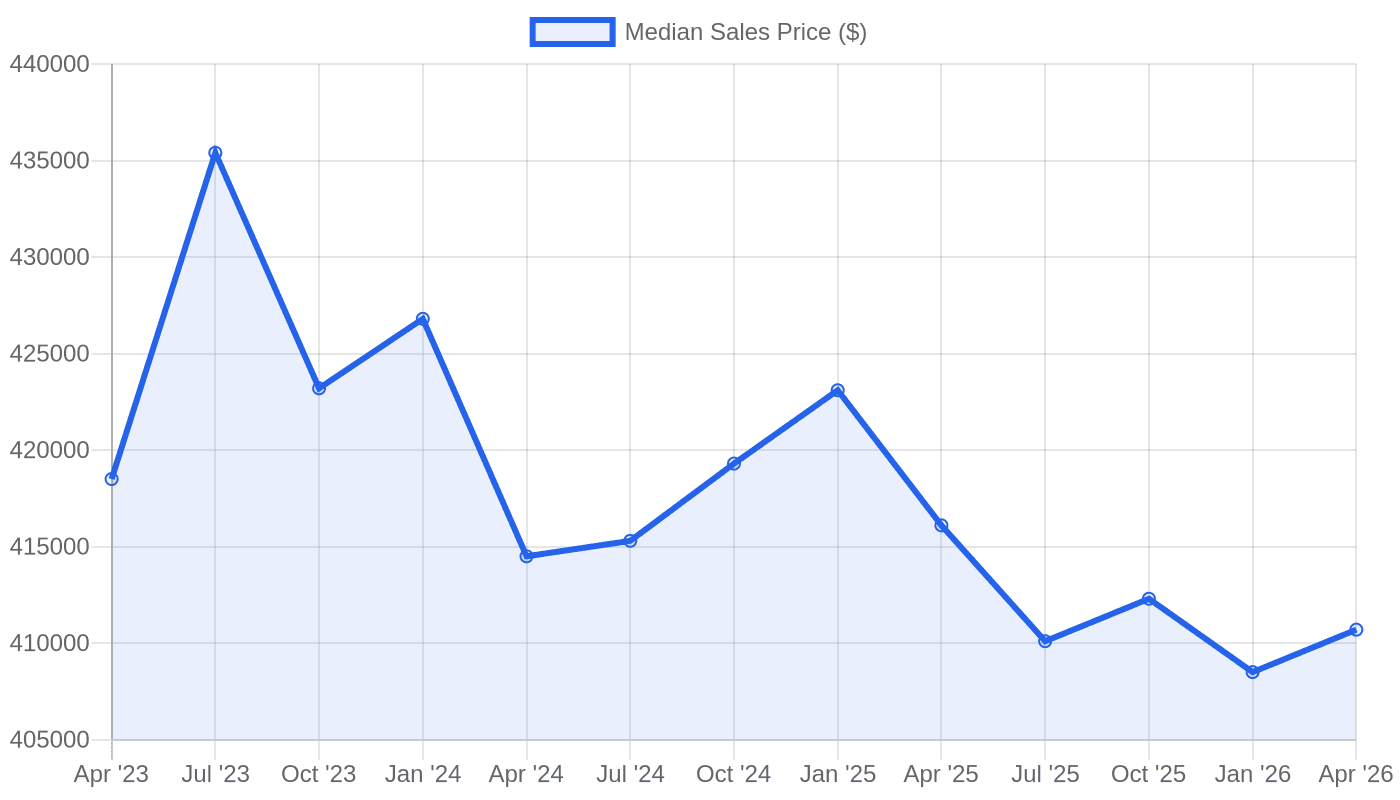
Prices that high mean retail buyers demand a discount — and the only sellers who can give one are motivated sellers, the same owners you're looking for from the driver's seat.
Mortgage rates add the pressure. The 30-year fixed mortgage rate climbed from 6.37% in early May 2026 to 6.66% by the end of July 2026.
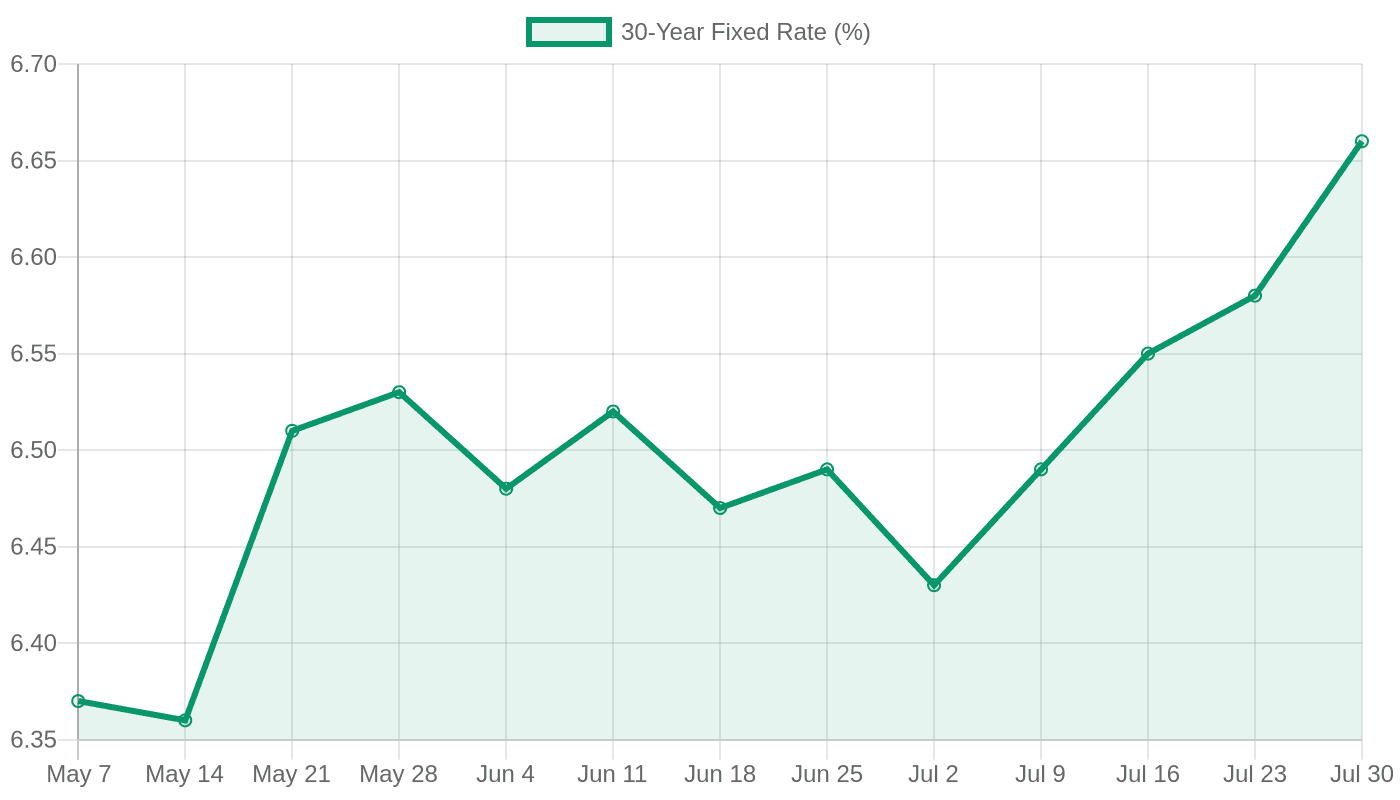
Every rate tick tightens a homeowner's budget. Owners who bought near their ceiling, who are carrying adjustable loans, or who just need out are the sellers who say yes to a fast cash close.
Timing helps you, too. Median days on market peaked at 78 days in January 2026 and settled to 53 days by June 2026 as spring inventory moved.
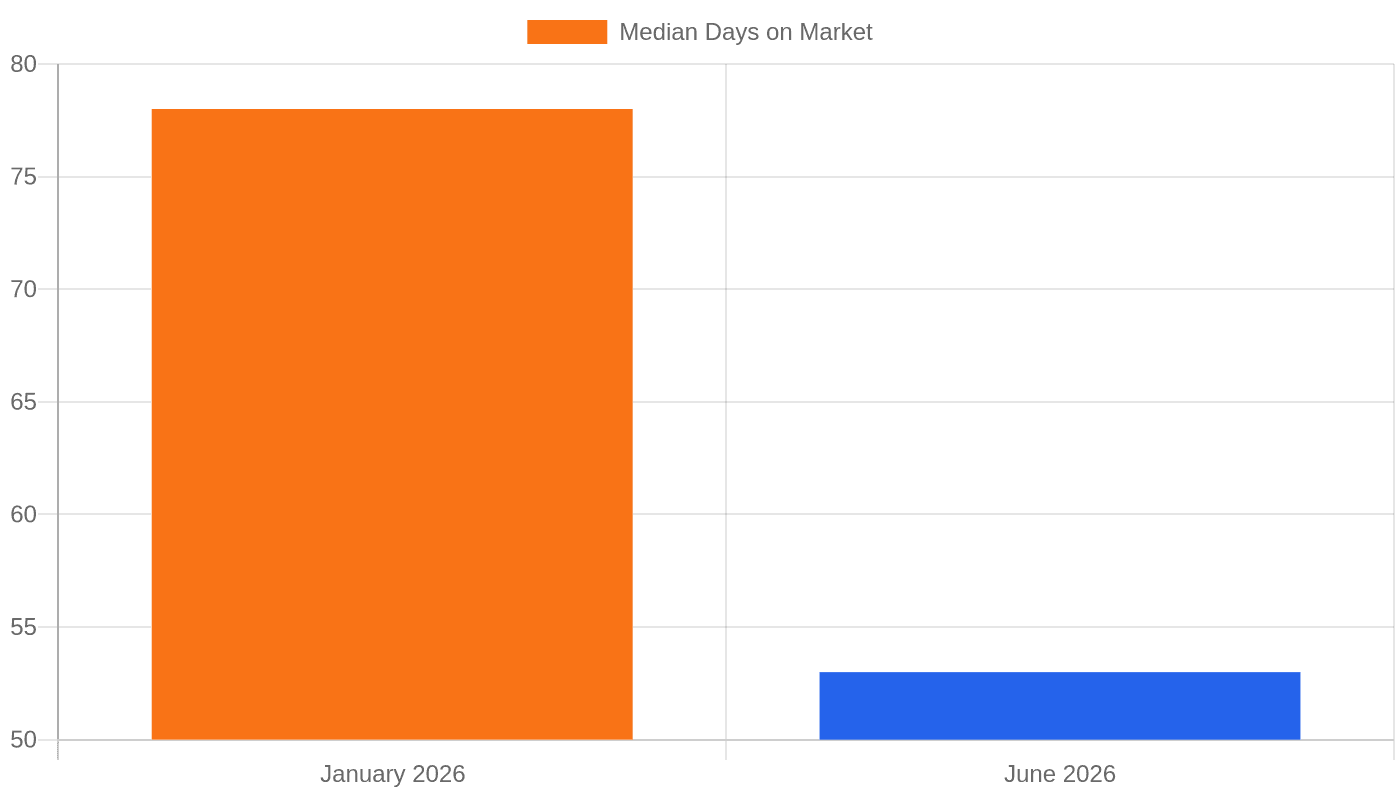
A seller who's watched their listing sit for two months is far more likely to take your offer than one who listed last week — and driving for dollars finds those listings before the agent's sign even goes up.
How Do Driving for Dollars Apps Work?
Most driving for dollars apps work the same way: you drive a route, mark the properties that look distressed or vacant, attach photos and notes, pull the owner's information, and move the lead into a follow-up sequence you actually track.
Step 1: Define your target area
Skip the random wandering. Pick one neighborhood, one ZIP code, or one school district and drive every street in a grid. Your time is the product, so a route you can finish in 90 minutes beats a "drive the whole city" plan.
Step 2: Capture the property
When you spot deferred maintenance, an overgrown lawn, a boarded window, or a faded FSBO sign, capture it. A good app lets you attach a photo and two or three notes in under 30 seconds: roof condition, vacancy clues (no car, stacked mail), and whether the house looks owner-occupied or rented.
Step 3: Pull the owner and skip trace
This is where a bare map app fails you. A real driving for dollars tool connects to property records and returns the owner's name and mailing address — skip tracing that used to mean a trip to the county recorder's office.
Step 4: Log the lead in your pipeline
The app or a connected CRM records the address, owner, photos, and notes, then schedules your next touch. This is where tools like GoHighLevel shine: every captured house becomes a lead with a task attached, not a scrap of paper on your dashboard.
Step 5: Track the outcome
The best apps log every call, text, and mailer, then mark each lead as a conversation, a motivated seller, a deal, or a dead end. That disposition history is the gold — it tells you which neighborhoods, property conditions, and messages actually make you money.
Which Driving for Dollars App Is Best for Wholesalers?
No single app wins for every wholesaler, because "driving for dollars app" spans three jobs: finding the property, finding the owner, and following up. The best setup is usually a small stack — and the directory's 65 tools in 9 categories exist to help you assemble it.
| Job in your workflow | Examples in the Wholesale REI directory | What it does |
|---|---|---|
| Property & owner data | PropStream, ATTOM Data | Owner lookups, property records, comps, and skip-trace data |
| CRM & lead pipeline | GoHighLevel | Stores captured leads, automates follow-up, tracks disposition |
| Dialing & follow-up | CallTools, Launch Control, Televista | One-click calling, voicemail drops, and call logging |
A common winning combo: capture with a mobile tool, skip trace through a data platform, manage the pipeline in the CRM, and do your calling with a dialer. If you buy only one thing first, buy the data piece — accurate owner information is what turns a house into a lead.
How to Choose the Right Driving for Dollars App
Choose the app that fits how you actually work, not the one with the prettiest map. Here are the six features that matter most for wholesalers:
- Mobile-first capture. If the app is clunky from the driver's seat, you won't use it. Look for one-tap capture, photo attachments, and voice notes.
- Owner data and skip tracing built in. Pulling county records manually kills the point. The app should return the owner's name and mailing address automatically.
- Pay-per-record pricing. For low-volume lead generation, paying per accurate record usually beats a fat monthly subscription. Don't pay enterprise prices for a volume you won't reach.
- CRM export or integration. Leads need to land somewhere you'll follow up. A native integration with a CRM like GoHighLevel is worth more than an in-app notes field.
- Disposition tracking. A checkbox for "called, no answer" and "motivated, sent offer" lets you measure what works.
- No punishing contracts. A month-to-month plan or free trial lets you test the app on your real streets before you commit.
Start with the directory: browse the 65 tools, filter by the 9 categories, and shortlist two or three that fit your budget. Then take each one on an afternoon drive and compare honestly.
How Does Driving for Dollars Compare to Other Lead Sources?
Driving for dollars is the best source of truly off-market, hyper-local inventory — but it's slower to scale than a bought list, so it works best as one lane of a multi-lane strategy.
- Skip-traced lists: Huge volume, fast to buy, but every other wholesaler has the same one. Driving for dollars finds houses your competitors literally drove past.
- Direct mail: Great for vacant and out-of-state owners, but it's a numbers game with weeks of lag. The house you spot today can be called tonight.
- Bandit signs and referrals: Cheap but unpredictable. Driving for dollars runs on your schedule.
The honest take: use a data platform to build and prioritize your lists, use the drive to find the houses, and use your follow-up stack — CRM plus dialer — to decide whether you close them.
How to Build a Driving for Dollars Routine That Actually Closes Deals
An app only works if you build the habit around it. Here's a weekly routine that works for full-time wholesalers and weekend operators alike.
Block the windshield time
Schedule two 90-minute drives a week, same days, same start time, and treat them like appointments. Consistency beats marathon sessions — neighborhoods change week to week, and the house that looked vacant in week one may be gutted by week four.
Drive one micro-market at a time
Don't zigzag across town. Pick one area and grid it. If you're new to a market, start with the blocks between a commercial strip and a school — investor favorites sit where daily traffic meets residential streets.
Set a capture goal
Every session should produce a research list. A good goal is 20 to 40 captures with photos and notes. Fewer and you're wasting the drive; more and you're probably capturing junk.
Skip trace the same evening
Batch your captures and run owner lookups while the houses are fresh in your mind. The data platforms in this directory earn their keep here — a house captured today should have an owner name tonight.
Call within 48 hours
Speed is your edge. A motivated seller this week is a different conversation next month. Work the list with a dialer like CallTools, Launch Control, or Televista, leave a short message, and log the result.
Follow up in a loop
Keep every lead in your CRM and touch it until you get a clear yes or no — a call, a text, and a piece of mail. Then mark the disposition. Over time, your own numbers will tell you which neighborhoods and conditions produce the most "motivated seller" conversations, and you can schedule your drives accordingly.
The Bottom Line
Driving for dollars is the oldest lead source in wholesaling for a reason: the house you spot with your own eyes is real, local, and usually nowhere near the MLS. The right stack — capture, owner data, and fast follow-up — turns a Saturday drive into a repeatable pipeline of off-market deals. Browse the 65 tools in the Wholesale REI directory, shortlist the data platform and CRM that fit your budget, and practice your pitch with the free AI Cold Call Trainer before you spend a single lead.
Frequently Asked Questions
What is a driving for dollars app?
A driving for dollars app is a mobile or web tool that lets you spot distressed or vacant properties from your car, capture the address, pull the owner's information, and track your follow-up. It turns windshield time into a repeatable pipeline of off-market leads.
What should I look for in a driving for dollars app?
Focus on mobile-first capture, built-in owner data and skip tracing, pay-per-record pricing, CRM integration, and disposition tracking. A bare map app isn't enough — accurate owner data is what turns a house into a lead.
Is one driving for dollars app enough, or do I need more than one tool?
Most wholesalers use a small stack: a property-data platform like PropStream or ATTOM Data to identify owners, a CRM like GoHighLevel to track the deal, and a dialer like CallTools, Launch Control, or Televista for follow-up. The Wholesale REI directory tracks 65 tools across 9 categories so you can compare them side by side.
How much does a driving for dollars app cost?
Pricing varies by tool — some charge a flat monthly subscription, others charge per record for owner data. Match the pricing model to how many properties you actually capture each week, and check each vendor's trial or pricing page from the directory.
How fast can I close a deal from driving for dollars?
It depends on your market and follow-up speed. The median home nationally sits on the market 53 days (as of June 2026), so sellers are used to waiting — wholesalers who skip trace the same evening and call within 48 hours consistently reach motivated sellers first.
Does driving for dollars still work in an expensive market?
Yes — arguably better. With the median U.S. home price at $410,700 and 30-year mortgage rates at 6.66%, buyers are hunting for discounts and more owners feel payment pressure. Off-market, motivated sellers are the cheapest source of that discount inventory.
Sources
- Software tools tracked in the Wholesale REI directory — Wholesale REI directory
- Tool categories in the Wholesale REI directory — Wholesale REI directory
- Median Sales Price of Houses Sold (2026-04-01) — FRED (Federal Reserve Bank of St. Louis)
- 30-Year Fixed Mortgage Rate (2026-07-30) — FRED (Federal Reserve Bank of St. Louis)
- Median Days on Market (2026-01-01) — FRED (Federal Reserve Bank of St. Louis)
This article was researched and drafted with AI assistance, then reviewed and edited by Mark Anthony. Every statistic is sourced and cited. It's for informational purposes only and is not financial or legal advice. Read our editorial policy.