3 Car-Free Ways to Find Off-Market Deals


You know the best deals never hit the MLS. That's why driving for dollars remains the most reliable way to find motivated sellers before your competition. This step-by-step guide will show you exactly how to do it — from picking a route to closing the deal.
Key Takeaways
- Driving for dollars is a low-cost, high-ROI method to find off-market properties by physically driving neighborhoods and identifying distressed homes.
- The national median home price is $403,200 (2026-01-01) and days on market are rising, creating more motivated sellers (FRED data).
- You need a systematic route plan, a data collection tool (like PropStream or a simple spreadsheet), and a consistent follow-up system.
- Pair driving for dollars with skip tracing and direct mail for maximum results.
- The Wholesale REI directory tracks 63 software tools across 9 categories to help you automate parts of this process.
What Is Driving for Dollars?
Driving for dollars is a real estate investing strategy where you physically drive through target neighborhoods to identify distressed, vacant, or poorly maintained properties — then contact the owners to negotiate a below-market purchase. It's one of the oldest and most effective ways to find off-market deals.
Why It Works for Wholesalers
Wholesalers love driving for dollars because it's cheap, direct, and doesn't rely on the MLS. You see the property with your own eyes, you can spot motivated sellers by the condition of the home, and you control the deal from start to finish.
How Do You Prepare for a Driving for Dollars Route?
Preparation is everything. You don't just hop in the car and drive. You need to pick the right areas, gather your tools, and plan your route.
Step 1: Choose Your Target Neighborhoods
Look for areas that meet these criteria:
- Older homes (built before 1980) — more likely to have deferred maintenance.
- Mixed ownership — a mix of owner-occupied and rentals often means more absentee landlords.
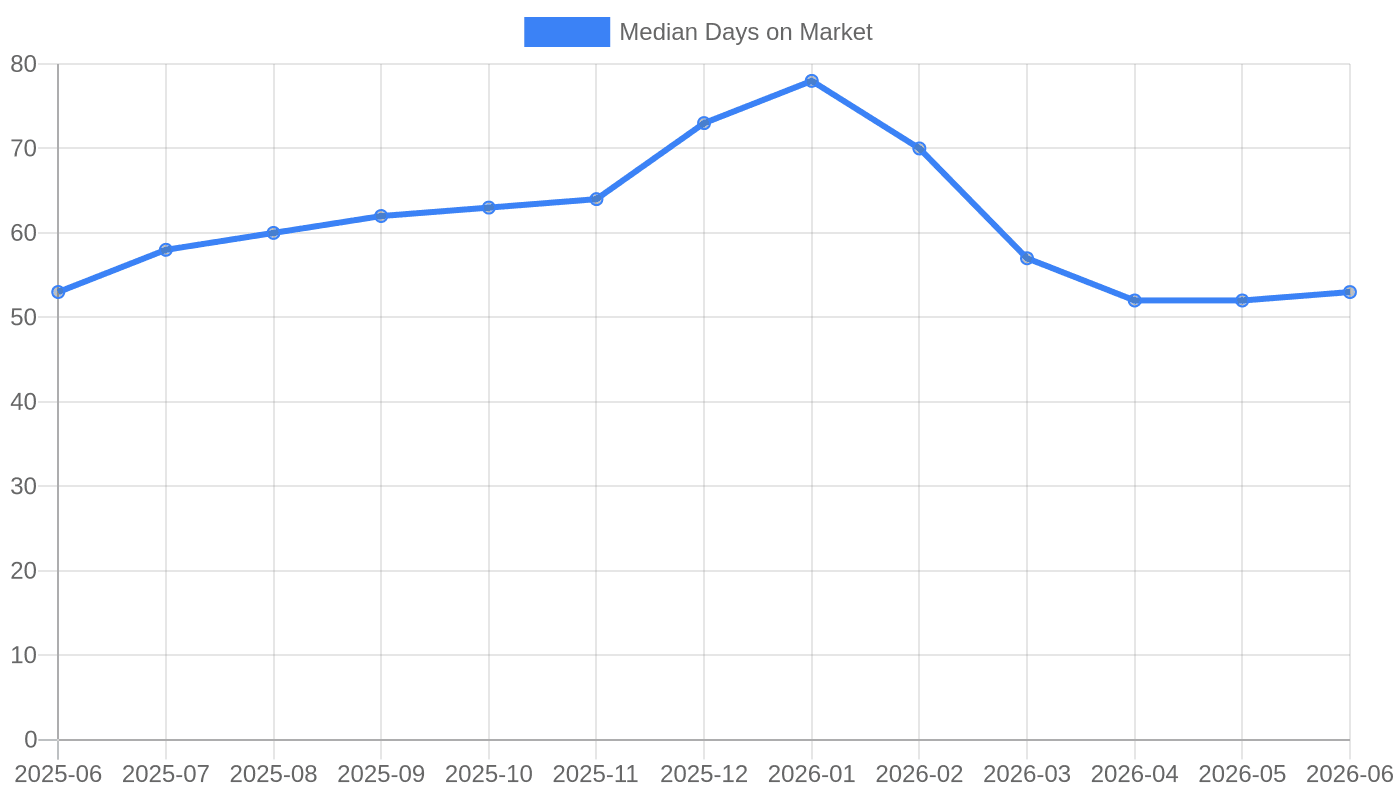
- Rising days on market — as of June 2026, the national median days on market is 53 days (FRED). Homes sitting longer signal potential motivated sellers.
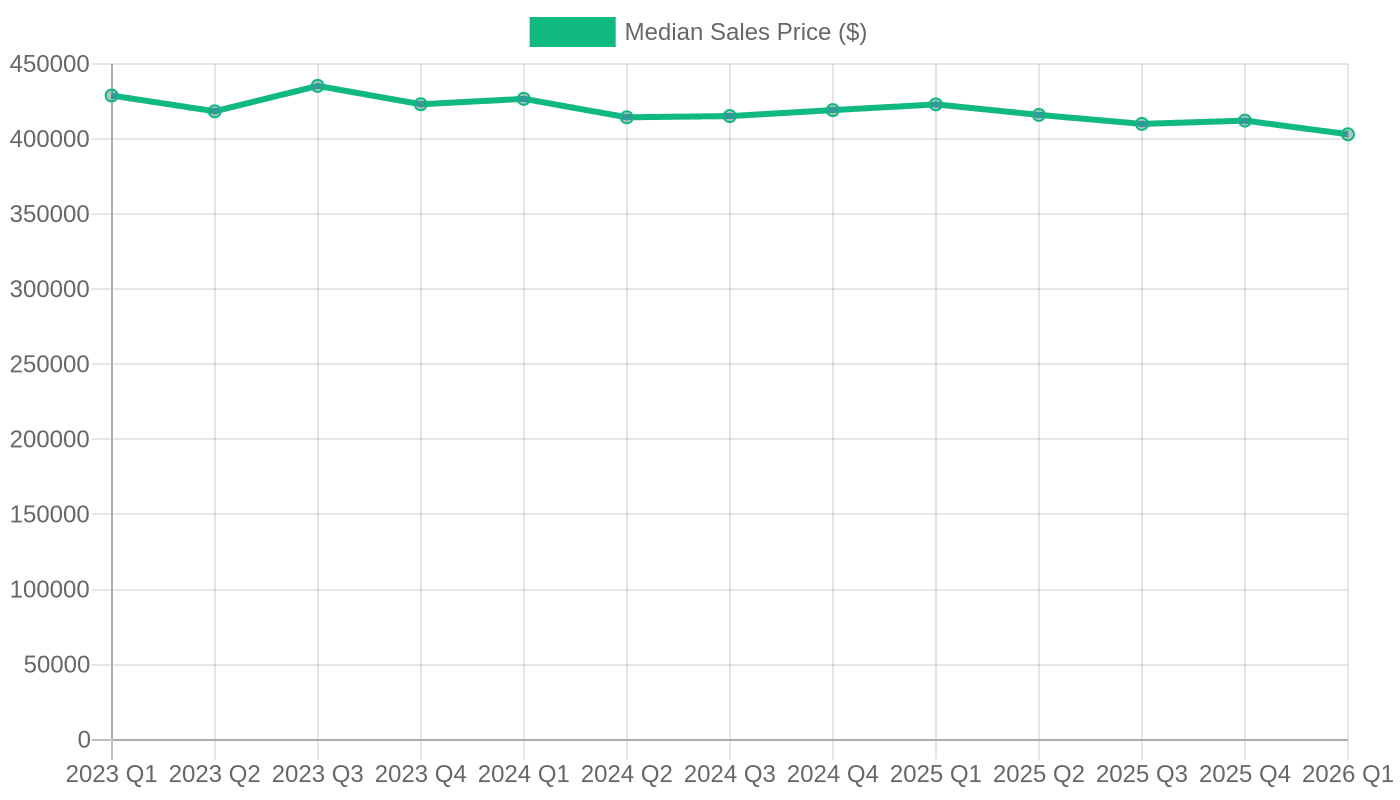
- Price range that fits your exit strategy — for wholesaling, focus on homes priced below the median. The national median sales price is $403,200 (2026-01-01) (FRED).
Step 2: Gather Your Tools
You don't need much to start, but having the right tools saves time.
| Tool | Purpose | Example |
|---|---|---|
| Vehicle | Reliable car or truck | Any fuel-efficient vehicle |
| Smartphone | Take photos, record addresses | iPhone or Android |
| Data collection app | Log properties on the go | PropStream, Google Sheets, or a simple notes app |
| Paper and pen | Backup if tech fails | Notebook and pen |
| Skip tracing service | Find owner contact info | Attom Data, CallTools |
| CRM | Track leads and follow-ups | GoHighLevel, Launch Control |
The Wholesale REI directory lists 63 software tools across 9 categories to help you automate data collection, skip tracing, and follow-ups.
Step 3: Plan Your Route
Divide your target area into manageable zones. Aim for 50–100 properties per session. Drive every street in a grid pattern — don't skip alleys or cul-de-sacs.
What Should You Look for While Driving?
Train your eye to spot these signs of a motivated seller:
- Overgrown lawn — indicates neglect or vacancy.
- Boarded windows or doors — clear vacancy.
- Peeling paint, broken gutters — deferred maintenance.
- Mail piled up — no one is collecting it.
- For rent signs that are faded or old — landlord may be tired of managing.
- Utilities disconnected — meter box missing or locked.
How to Record Properties
When you see a potential deal, do this immediately:
- Take a photo of the front of the property.
- Note the address — double-check the house number.
- Rate the condition — 1 (needs minor repairs) to 5 (gut job).
- Add notes — "overgrown lawn, boarded window, no car in driveway."
- Drop a pin on Google Maps for later.
How Do You Find the Owner's Contact Info?
Once you have a list of addresses, you need to find the owner. This is called skip tracing.
Free Methods
- County tax assessor website — look up owner name and mailing address.
- Property appraiser records — often free online.
- White pages or social media — search the owner's name.
Paid Skip Tracing Services
Paid services are faster and more accurate. Many are listed in the Wholesale REI directory. Expect to pay $0.05–$0.15 per record.
Pro tip: Run your list through a skip tracing service like Attom Data or CallTools to get phone numbers, emails, and mailing addresses in bulk.
How Do You Contact the Owner?
You have three main options: phone call, direct mail, or door knock. The best approach is a combination.
Phone Calls
Call the owner directly. Keep it short and respectful:
"Hi, this is [Your Name]. I'm a local real estate investor. I noticed the property at [Address] and I'm interested in buying it as-is. Are you open to selling?"
Direct Mail
Send a simple letter or postcard. Include:
- Your name and phone number.
- A clear offer to buy the property as-is.
- A call to action: "Call me for a no-obligation cash offer."
Door Knocking
This is the most personal but also the most time-consuming. Knock during daylight hours, be polite, and leave a business card if no one answers.
How Do You Follow Up?
Most deals come from follow-up, not the first contact. Use a CRM to track every lead.
Set a Follow-Up Schedule
- Day 1: Initial contact (call, mail, or knock).
- Day 7: Second contact (different method).
- Day 30: Third contact (send another letter or call again).
- Day 90: Final contact — ask if they're still interested.
Use a CRM
A CRM like GoHighLevel or Launch Control can automate reminders and keep your pipeline organized. The Wholesale REI directory has several CRMs that integrate with skip tracing and dialers.
How Do You Analyze the Deal?
Once an owner responds, you need to run the numbers. Use the 70% rule as a starting point:
Maximum allowable offer = (After-repair value × 70%) – Repair costs
Example
- After-repair value (ARV): $300,000
- Repair costs: $50,000
- Maximum offer: ($300,000 × 0.70) – $50,000 = $160,000
Check Comparable Sales
Use PropStream or the county assessor to find recent sales of similar homes in the area. Adjust for square footage, condition, and location.
What Tools Can Automate Driving for Dollars?
You don't have to do everything manually. Several software tools can help you find, track, and contact leads.
| Tool | Category | Key Feature |
|---|---|---|
| PropStream | Data & Analytics | Property data, skip tracing, and driving routes |
| Attom Data | Data & Analytics | Bulk property data and owner contact info |
| GoHighLevel | CRM & Marketing | Automated follow-ups and dialer |
| CallTools | Dialer & Tracking | Power dialer for cold calling |
| Launch Control | CRM & Marketing | Lead management and campaign automation |
| Rezzie | Data & Analytics | AI-powered lead generation and driving routes |
These are just a few of the 63 tools in the Wholesale REI directory. You can filter by category to find exactly what you need.
Why Is Driving for Dollars Still Effective in 2026?
Mortgage rates are at 6.55% (as of July 16, 2026) (FRED), and home prices are still high. That combination creates motivated sellers who can't afford to move or are sitting on properties they can't sell on the open market.
Days on Market Are Rising
As of June 2026, the median days on market is 53 days (FRED). That's up from earlier in the year, meaning homes are sitting longer. Sellers are getting nervous, and that's exactly when you want to reach out.
Home Prices Are Still Elevated
The median sales price is $403,200 (2026-01-01) (FRED). While prices have softened slightly, they're still high enough that many homeowners are equity-rich but cash-poor. They may be open to a quick cash sale.
How Do You Scale Driving for Dollars?
Once you've mastered the basics, you can scale up.
Hire a Driver
Pay a driver $15–$20 per hour to drive routes and collect data. You provide the vehicle, phone, and instructions. They send you the list at the end of each shift.
Use Virtual Driving
Some services let you "drive" neighborhoods using Google Street View. It's not as accurate as being there, but it's faster and cheaper.
Automate Skip Tracing
Use a bulk skip tracing service to process hundreds of addresses at once. Then import the data into your CRM for automated follow-up.
What Are Common Mistakes to Avoid?
- Not following up — most deals come after 3+ contacts.
- Skipping the numbers — don't make an offer without analyzing the deal.
- Driving too fast — you'll miss properties. Drive slowly and pay attention.
- Ignoring the back of the property — sometimes the front looks fine but the back is falling apart.
- Not tracking your results — use a spreadsheet or CRM to know what's working.
The Bottom Line
Driving for dollars is a proven, low-cost way to find off-market deals. With mortgage rates at 6.55% and days on market rising, motivated sellers are out there — you just need to find them. Start with a well-planned route, use the right tools, and follow up consistently. To get started, check out the 63 software tools in the Wholesale REI directory and find the ones that fit your workflow. And if you want to practice your pitch, try our free AI Cold Call Trainer at /cold-call-trainer — it's free and takes no signup to start.
Frequently Asked Questions
What is driving for dollars in real estate?
Driving for dollars is a strategy where you physically drive through neighborhoods to find distressed or vacant properties, then contact the owners to negotiate a below-market purchase. It's a low-cost way to find off-market deals.
What tools do I need to start driving for dollars?
You need a reliable vehicle, a smartphone to take photos and log addresses, a data collection app (like PropStream or Google Sheets), and a skip tracing service to find owner contact info. A CRM helps with follow-ups.
How do I find motivated sellers while driving?
Look for signs of distress: overgrown lawns, boarded windows, peeling paint, piled-up mail, faded 'for rent' signs, or disconnected utilities. These indicate the owner may be motivated to sell.
How do I contact the owner after finding a property?
Use skip tracing to get the owner's phone number, email, and mailing address. Then call, send a direct mail letter, or knock on the door. A combination of methods works best.
How often should I follow up with a lead?
Follow up at least 3-4 times over 90 days. Use a CRM to automate reminders. Most deals come from persistent follow-up, not the first contact.
Can I automate driving for dollars?
Yes, you can hire drivers, use virtual driving via Google Street View, and automate skip tracing and follow-ups with software. The Wholesale REI directory lists 63 tools that can help.
Sources
- Software tools tracked in the Wholesale REI directory — Wholesale REI directory
- Tool categories in the Wholesale REI directory — Wholesale REI directory
- 30-Year Fixed Mortgage Rate (as of 2026-07-16) — FRED (Federal Reserve Bank of St. Louis)
- Median Sales Price of Houses Sold (as of 2026-01-01) — FRED (Federal Reserve Bank of St. Louis)
- Median Days on Market (as of 2026-06-01) — FRED (Federal Reserve Bank of St. Louis)
This article was researched and drafted with AI assistance, then reviewed and edited by Mark Anthony. Every statistic is sourced and cited. It's for informational purposes only and is not financial or legal advice. Read our editorial policy.