Driving for Dollars Software: Top Picks Compared


You've got a car, a route, and a phone full of photos of ugly houses. What you don't have is a system that turns those drive-bys into signed contracts. That's where driving for dollars software comes in.
Key Takeaways
- Driving for dollars software helps you log, skip-trace, and follow up on distressed properties you spot in person.
- The Wholesale REI directory tracks 65 software tools across 9 categories, so you can compare options without guessing.
- Most tools charge per skip-trace or per contact, so your real cost depends on how many leads you pull each month.
- The best pick depends on your route style: solo drivers need mobile-first apps, while teams need CRM and routing built in.
- Pair your software with a simple follow-up sequence — the money is in the follow-up, not the drive.
What is driving for dollars software?
Driving for dollars software is a mobile or web app that lets you record distressed properties you find while driving, then skip-trace the owner, track outreach, and manage follow-up in one place.
In plain terms, it's the bridge between spotting a vacant house and getting the owner on the phone.
Without software, most wholesalers rely on a notes app and a spreadsheet. That works for ten houses. It falls apart at a hundred.
Here's what the software actually does:
- Capture — snap a photo, drop a pin, and log the address in seconds.
- Enrich — pull owner name, phone, email, and mailing address via skip tracing.
- Organize — sort leads by route, status, or priority.
- Follow up — send texts, emails, or direct mail on a schedule.
- Track — see which routes and lead types actually convert.
Why does driving for dollars still work in this market?
It works because the housing market has cooled enough that motivated sellers are easier to spot. When homes sit longer, distressed properties stand out.
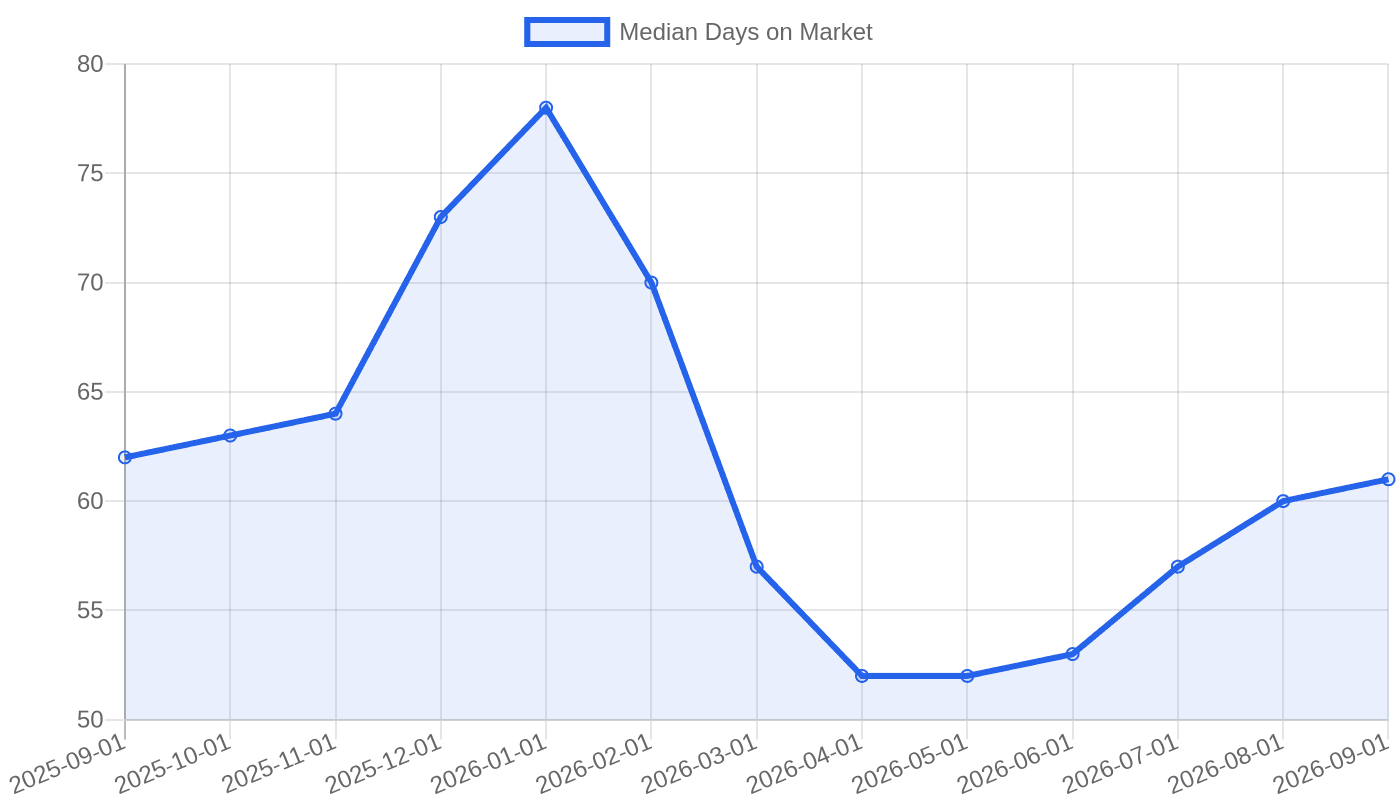
The median days on market hit 61 days as of September 2026, up from a low of 52 days earlier in the year. That means more houses are lingering — and lingering houses often mean tired owners.
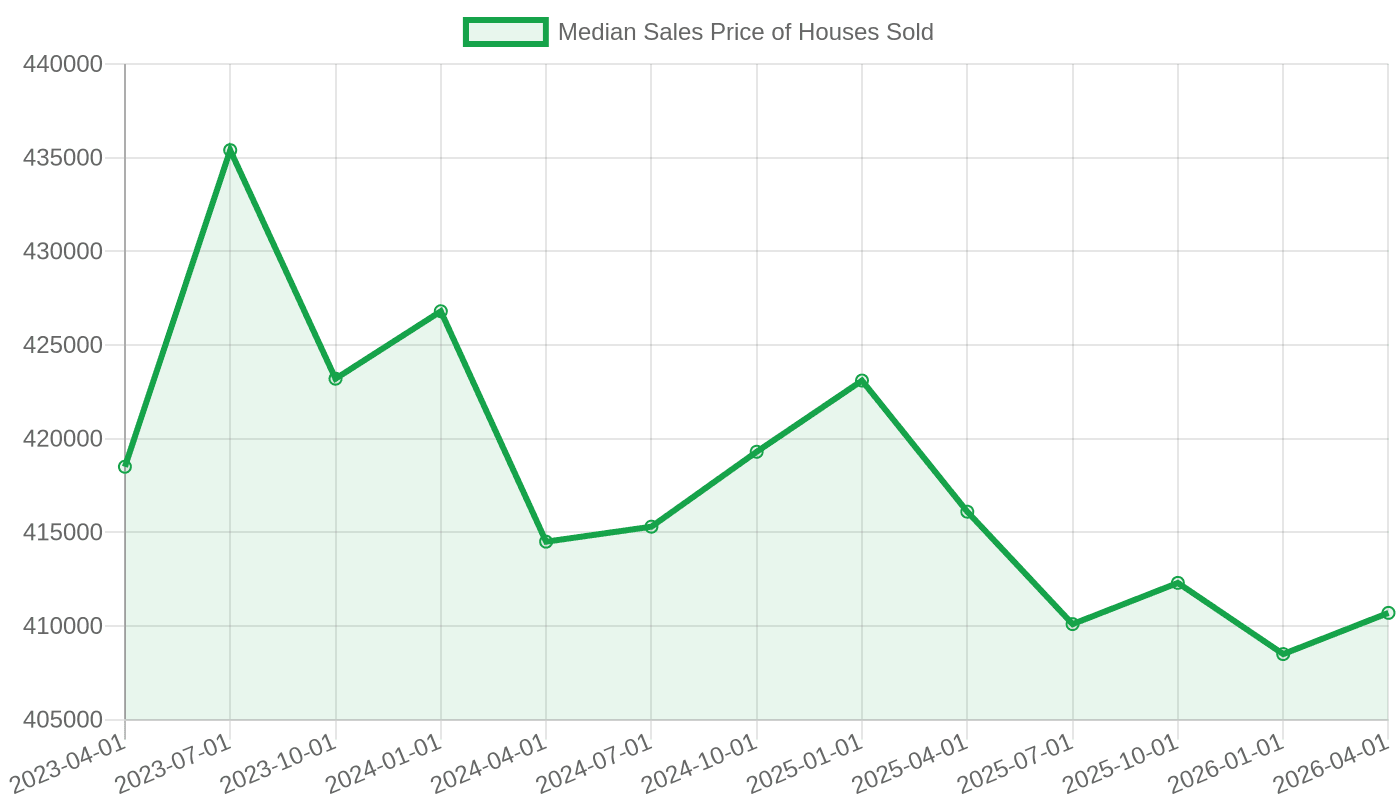
At the same time, the median sales price of houses sold was $410,700 as of April 2026, down slightly from $418,500 in April 2023. Prices have flattened, which squeezes margins and makes off-market deals more valuable.
And with the 30-year fixed mortgage rate at 7.28% as of October 2026, many homeowners are locked in and reluctant to sell — but the ones who are struggling financially still need a way out. That's your opportunity.
What features should you look for in driving for dollars software?
The must-have features are mobile capture, skip tracing, and follow-up automation. Everything else is a bonus.
Here's how to prioritize:
1. Mobile-first capture
You're in the car. The app needs to log an address in under 30 seconds. If it takes longer, you'll stop using it.
Look for:
- One-tap photo and GPS pin
- Offline mode for dead zones
- Voice notes for quick condition details
2. Built-in skip tracing
Skip tracing is what turns an address into a phone number. Some tools bundle it; others charge per lookup.
Ask two questions:
- How much per skip trace?
- How fresh is the data?
3. Follow-up automation
Most deals close after multiple touches. If your software doesn't automate texts, emails, or mailers, you'll forget to follow up.
4. Route planning
Good tools let you build a route around clusters of leads. That saves gas and time.
5. CRM and pipeline
You need to see where each lead stands: new, contacted, negotiating, under contract, dead.
How do the top driving for dollars software options compare?
They split into three buckets: dedicated driving-for-dollars apps, all-in-one CRMs, and data platforms with mobile capture. Here's a side-by-side look.
| Tool | Best For | Mobile Capture | Skip Tracing | Follow-Up Automation | CRM Built In |
|---|---|---|---|---|---|
| GoHighLevel | Teams wanting CRM + automation | Yes | Add-on | Yes | Yes |
| PropStream | Data-heavy investors | Yes | Yes | Limited | Partial |
| ATTOM Data | Property data at scale | No | Via partners | No | No |
| CallTools | High-volume calling | No | No | Yes (calling) | Partial |
| Launch Control | Direct mail + routes | Yes | Add-on | Yes (mail) | Partial |
| TeleVista Lead Generation | Lead gen + outreach | Yes | Yes | Yes | Partial |
GoHighLevel
Best if you want one system for CRM, texting, email, and pipelines. It's not built only for driving for dollars, but it handles the follow-up side better than most.
PropStream
Strong on property data and lists. You can filter by vacancy, equity, and distress — then drive to confirm. Skip tracing is built in.
ATTOM Data
A data source more than a driving app. Useful if you're building your own workflow or feeding another tool.
CallTools
Built for dialing at volume. Pair it with a capture app if your bottleneck is calls, not leads.
Launch Control
Good fit if your follow-up is direct mail. It ties routes and mailers together.
TeleVista Lead Generation
Combines lead gen with outreach. Handy if you want leads and follow-up in one place.
How much does driving for dollars software cost?
Most tools charge either a flat monthly fee or a per-contact fee. Your real cost depends on volume.
Here's the honest math:
- Flat monthly tools — predictable, good if you pull lots of leads.
- Per-skip-trace tools — cheap at low volume, expensive at scale.
- All-in-one CRMs — higher base price, but you drop separate subscriptions.
If you're pulling 50 leads a month, a per-lookup tool might cost less. At 500 leads, a flat fee usually wins.
How do you build a driving for dollars route that converts?
You build a route by clustering distressed-property signals into a tight geographic loop, then driving it on a fixed schedule.
Here's a simple process:
- Pull a list — filter for vacancy, high equity, or long ownership.
- Cluster by zip — group leads within a few miles of each other.
- Drive the loop — go during daylight, on a weekday if possible.
- Log every property — even the maybes. You can filter later.
- Skip trace same day — data goes stale fast.
- Start follow-up within 24 hours — speed matters.
- Re-drive every 30 days — conditions change.
What signals should you look for?
- Overgrown lawns and boarded windows
- Code violation stickers
- Vacant-looking mailboxes
- Out-of-state owner plates or tags
- Houses with "for rent" signs that look abandoned
How many leads do you need?
There's no magic number, but most wholesalers aim for a few hundred logged properties per month to get a handful of conversations. Quality beats quantity.
What mistakes kill driving for dollars results?
The biggest mistake is treating it as a one-time activity. Driving without follow-up is just sightseeing.
Other common mistakes:
- No skip tracing — you can't call an address.
- Slow follow-up — leads go cold in days, not weeks.
- No CRM — leads get lost in your phone.
- Driving too wide — a scattered route wastes hours.
- Ignoring data — don't drive without a filtered list first.
How does driving for dollars fit with other lead sources?
It fits best as a complement to list-based and digital marketing. It's not a replacement for either.
Use it to:
- Confirm vacancy on a list lead
- Add a personal touch that cold calls can't
- Find deals in areas too small for big data
Pair it with direct mail, cold calling, and SMS follow-up for the best results.
The Bottom Line
Driving for dollars software turns a windshield full of ugly houses into a pipeline you can actually work. Pick a tool that matches your volume and follow-up style, then commit to a route and a schedule. Want to sharpen the calls that come next? Try our free AI Cold Call Trainer to practice a few conversations before you dial real sellers.
Frequently Asked Questions
What is driving for dollars software?
It's a mobile or web app that lets you log distressed properties you spot while driving, skip-trace the owner, and manage follow-up in one place. It replaces the notes app and spreadsheet most wholesalers start with.
Do I really need software to drive for dollars?
You can start without it, but you'll lose leads fast. Software handles skip tracing, follow-up reminders, and pipeline tracking — the parts that actually turn a drive-by into a deal.
How much does driving for dollars software cost?
Most tools charge a flat monthly fee or a per-skip-trace fee. At low volume, per-lookup pricing is cheaper; at high volume, a flat monthly plan usually wins.
Which tool is best for a solo wholesaler?
Solo drivers usually do best with a mobile-first app that includes skip tracing and simple follow-up. Teams often need a full CRM like GoHighLevel instead.
Why does driving for dollars still work in 2026?
Homes are sitting longer — the median days on market was 61 as of September 2026 — so distressed properties stand out more. Flat prices and high mortgage rates also push some owners to sell off-market.
How many driving for dollars leads do I need each month?
There's no fixed number, but many wholesalers log a few hundred properties a month to get a handful of real conversations. A tight route and fast follow-up matter more than raw volume.
Sources
- Software tools tracked in the Wholesale REI directory — Wholesale REI directory
- Tool categories in the Wholesale REI directory — Wholesale REI directory
- Median Sales Price of Houses Sold (as of 2026-04-01) — FRED (Federal Reserve Bank of St. Louis)
- 30-Year Fixed Mortgage Rate (as of 2026-10-01) — FRED (Federal Reserve Bank of St. Louis)
- Median Days on Market (as of 2026-09-01) — FRED (Federal Reserve Bank of St. Louis)
This article was researched and drafted with AI assistance, then reviewed and edited by Mark Anthony. Every statistic is sourced and cited. It's for informational purposes only and is not financial or legal advice. Read our editorial policy.