Driving for Dollars: How to Spot a Deal-Ready Property Fast


You can drive past 200 houses and miss every deal — or spot three real opportunities in 20 minutes. The difference is knowing exactly what makes a property deal-ready before you ever knock on the door.
Key Takeaways
- Deal-ready driving for dollars properties show visible distress plus a motivated-owner signal — you need both, not one.
- The national median home sale price sits at $410,700, so your offer math has to start from a real anchor, not a guess.
- Homes are sitting longer: the median days on market hit 61 recently, which means more tired sellers and more chances to negotiate.
- Mortgage rates climbed to 7.4%, and that pressure pushes some owners toward a fast, clean cash sale.
- The Wholesale REI directory tracks 65 tools across 9 categories, so you can pair your drive-by list with data before you make a single offer.
What Is Driving for Dollars?
Driving for dollars is the practice of driving through neighborhoods to find distressed, vacant, or neglected houses that may be owned by motivated sellers — properties you will not easily find on the MLS.
Instead of waiting for a listing, you go looking. You note the address, snap a photo, and later research the owner. The goal is simple: find the house before it hits the market, when there is less competition and more room to negotiate.
It works because most sellers of distressed property never list. They are tired, overwhelmed, or simply do not want to fix things up. Your job is to spot them first.
Why It Still Works in a Slower Market
When homes sit longer, more owners get frustrated. The median days on market reached 61, up from a low of 52 earlier in the year.
That matters for you. A house that has been sitting is a house with a seller who is starting to feel the clock. Driving for dollars lets you catch that frustration before it turns into a price cut on the MLS.
What Makes a Property "Deal-Ready"?
A deal-ready property has two things at once: visible physical distress and a likely motivated owner. Miss either one and you are wasting your time.
A run-down house with a happy, well-funded owner is not a deal. A motivated owner in a perfect house may not need your help. You want the overlap.
Here is how to think about it:
- Distress you can see — the house is telling you something is wrong.
- Motivation you can infer — the situation suggests the owner wants out.
- Math that works — the numbers leave room for your fee and an end buyer.
The Distress Checklist
Scan for these on every pass:
- Overgrown lawn, tall weeds, or trash in the yard
- Boarded or broken windows
- Peeling paint, sagging gutters, or a damaged roof
- Mail piled up or an overflowing mailbox
- Cars that have not moved in months
- Tarps on the roof or obvious unfinished repairs
- "For rent" or "for sale by owner" signs that look old and faded
One or two of these is a maybe. Three or more is a strong candidate.
The Motivation Checklist
Physical clues hint at the story. Look for:
- Vacant or clearly abandoned homes
- Estate sale or probate indicators
- Out-of-state owner plates or long-empty driveways
- Code violation notices posted on the door
- A house that has been listed and relisted without selling
When distress and motivation line up, you have a lead worth researching.
How Do You Spot a Deal-Ready Property Fast?
You spot a deal-ready property fast by driving with a fixed route, a scoring system, and a phone — not by wandering. Speed comes from repetition and a simple filter.
Here is a repeatable process you can run in an afternoon.
Step 1: Pick Your Farm Area
Choose a few square miles with older housing stock, a mix of owner-occupied and rentals, and steady turnover. Smaller, familiar areas beat wide, random drives.
Drive the same routes weekly. You will notice changes — a new tarp, a fresh vacancy — that a one-time drive would miss.
Step 2: Score Every Candidate on the Spot
Give each house a quick 1-to-5 score based on distress signals. Anything scoring 3 or higher gets a photo and an address note.
Do not stop to research while driving. Capture, then research later.
Step 3: Snap a Photo and Log the Address
A photo plus the exact address is your raw lead. Use a simple note app or a dedicated driving-for-dollars app so nothing gets lost.
Step 4: Research the Owner the Same Day
Pull the owner name, mailing address, and any equity or lien info. Tools like PropStream and ATTOM Data can turn an address into a full owner profile in minutes.
Step 5: Skip-Trace and Reach Out
Once you have the owner, skip-trace to a phone number and start outreach. Speed matters — the first investor to reach a tired owner usually wins.
Why Mortgage Rates Change Your Driving Strategy
The 30-year fixed mortgage rate climbed to 7.4%, up from 6.55% in mid-July. Higher rates squeeze buyers and sellers alike.
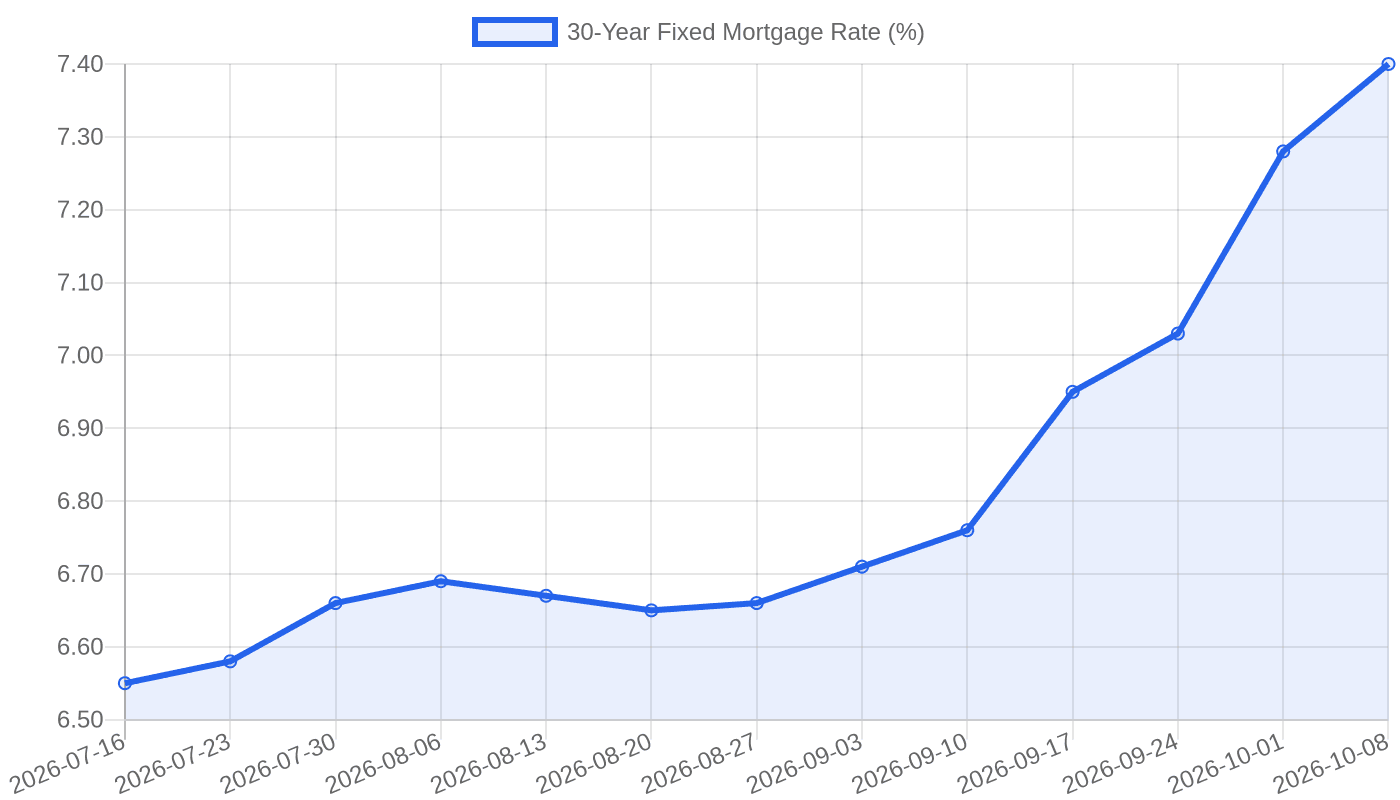
When rates rise that fast, some owners who wanted to sell the traditional way pull back. Others feel the pressure and want a clean cash exit. Your drive-by list becomes more valuable because you are reaching people who may not want to deal with a slow, financing-dependent sale.
What This Means for Your Offers
Higher rates mean end buyers are pickier. Your offer math needs a bigger cushion. Anchor your numbers to real market data, not wishful thinking.
The national median sale price is $410,700. Use that as a sanity check — if your all-in number is wildly above the local median, slow down and re-run it.
How Do You Use Market Data to Filter Leads?
You use market data to filter leads by checking days on market and price trends before you spend time on outreach. Data tells you which distress signals are worth chasing.
Reading Days on Market
The median days on market recently hit 61, after dropping to a low of 52 earlier in the year. A rising number means sellers are waiting longer — and waiting sellers get flexible.
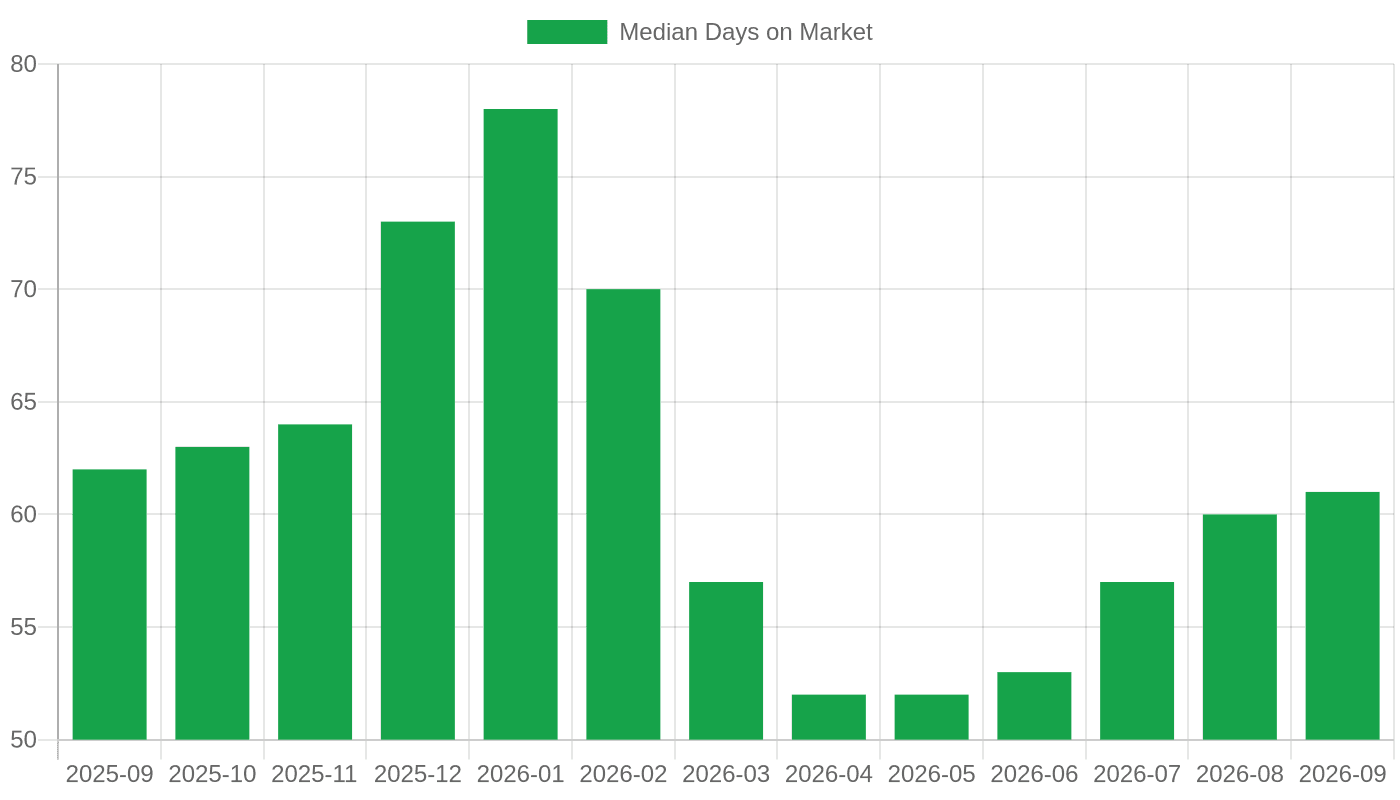
When you see a house that has clearly been sitting, combine that with visible distress. That pairing is one of the strongest deal signals you can find.
Reading Price Trends
The median sale price has moved in a narrow band, from $435,400 at a 2023 peak down to $410,700 most recently. Prices are not crashing — they are cooling and settling.
That is good news for you. A flat-to-soft market rewards investors who can move fast and close clean.
What Tools Help You Turn Drive-Bys Into Deals?
Tools help you turn drive-bys into deals by handling the research, skip-tracing, and follow-up that eats up your time. Your eyes find the house; software finds the owner.
Here is how the pieces fit together.
| Job to Be Done | What You Need | Example Tool Type |
|---|---|---|
| Find distressed properties | Property data and filters | PropStream, ATTOM Data |
| Get owner contact info | Skip-tracing | Data platforms |
| Manage leads and follow-up | CRM and pipelines | GoHighLevel, Launch Control |
| Make and track calls | Dialer and call tracking | CallTools, TeleVista |
| Automate outreach | Workflow automation | GoHighLevel |
The Wholesale REI directory tracks 65 tools across 9 categories, so you can match each step to the right software instead of guessing.
Build a Simple Stack
You do not need everything on day one. Start with:
- A property data tool to research owners.
- A CRM to keep leads from slipping.
- A dialer once your list gets long enough to need one.
Add automation only after your manual process works.
Keep Your Data Clean
Bad data kills deals. Verify owner names and addresses before you call. A wrong number wastes a call and a lead.
What Mistakes Slow Down New Wholesalers?
New wholesalers slow down by chasing every ugly house instead of filtering for motivation. Distress alone is not a deal.
The most common mistakes:
- Driving without a route or a scoring system
- Forgetting to photograph and log addresses
- Waiting days to research owners
- Ignoring market data on days on market and price
- Making offers before running the numbers
The Fix for Each One
- No route → Drive the same farm area weekly.
- No log → Capture every candidate with a photo and address.
- Slow research → Research owners the same day.
- Ignoring data → Check days on market before you commit.
- Skipping math → Anchor offers to real median prices.
Fix these and your lead quality jumps fast.
How Do You Follow Up Without Burning Out?
You follow up without burning out by batching your outreach and letting software handle the reminders. Consistency beats intensity.
Set two or three outreach blocks per week. Work your new drive-by leads first, then circle back to older ones. Most deals come from the fifth or sixth touch, not the first.
A Simple Weekly Rhythm
- Monday: Research owners from the weekend drive.
- Tuesday–Wednesday: Make calls and send texts.
- Thursday: Drive new routes and score candidates.
- Friday: Follow up on warm leads and update your CRM.
This rhythm keeps your pipeline full without overwhelming you.
The Bottom Line
Driving for dollars works when you filter for distress plus motivation and back it with real market data — the median sale price of $410,700 and median days on market of 61 give you a solid anchor. Start with one farm area, score every candidate, and research owners the same day. Then compare the property data and CRM tools in the directory to build a stack that turns your drive-bys into signed contracts.
Frequently Asked Questions
What does "driving for dollars" actually mean?
It means driving through neighborhoods to find distressed or neglected houses that may have motivated owners. You note the address, snap a photo, and research the owner later — finding deals before they hit the MLS.
How do I know if a property is deal-ready?
A deal-ready property shows both visible physical distress and a likely motivated owner. Look for overgrown yards, boarded windows, and piled-up mail, then confirm motivation through vacancy, probate, or a long-stale listing.
Why does days on market matter for driving for dollars?
The median days on market recently hit 61, meaning homes are sitting longer and sellers are getting more flexible. A house that has clearly been waiting, combined with visible distress, is one of the strongest deal signals you can find.
Do I need software to do driving for dollars?
You can start with just a car, a phone, and a notepad. But property data tools and a CRM make owner research, skip-tracing, and follow-up far faster once your lead list grows.
How fast should I follow up on a drive-by lead?
Research the owner the same day and reach out within 24 to 48 hours. The first investor to contact a tired owner usually wins, so speed matters more than a perfect script.
How do higher mortgage rates affect my driving strategy?
With the 30-year fixed rate at 7.4%, some sellers pull back while others want a clean cash exit. That makes your drive-by list more valuable because you reach owners who may not want a slow, financing-dependent sale.
Sources
- Software tools tracked in the Wholesale REI directory — Wholesale REI directory
- Tool categories in the Wholesale REI directory — Wholesale REI directory
- 30-Year Fixed Mortgage Rate (as of 2026-10-08) — FRED (Federal Reserve Bank of St. Louis)
- Median Sales Price of Houses Sold (as of 2026-04-01) — FRED (Federal Reserve Bank of St. Louis)
- Median Days on Market (as of 2026-09-01) — FRED (Federal Reserve Bank of St. Louis)
This article was researched and drafted with AI assistance, then reviewed and edited by Mark Anthony. Every statistic is sourced and cited. It's for informational purposes only and is not financial or legal advice. Read our editorial policy.