Driving for Dollars in Real Estate: The Complete How-To Guide

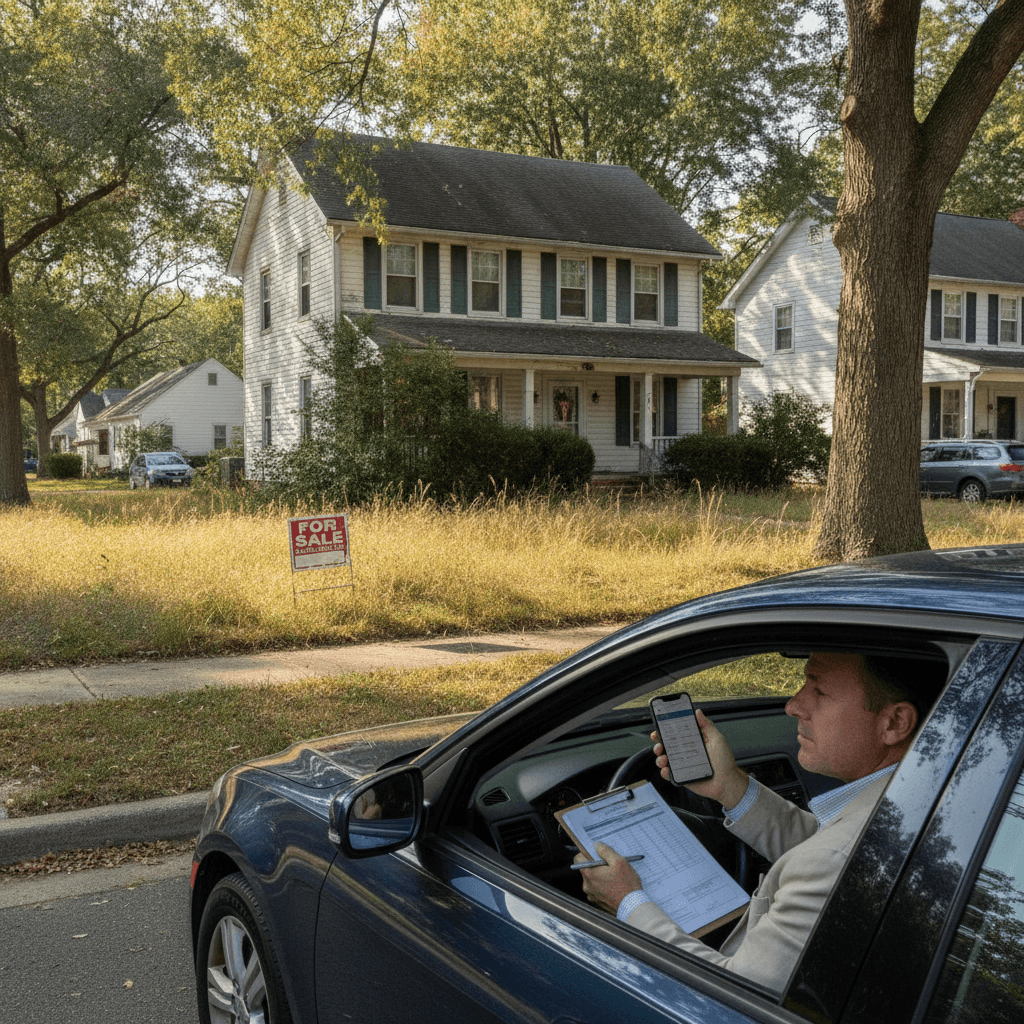
You know the feeling: you're scrolling through the MLS, but every deal is picked over, overpriced, or already under contract. Driving for dollars is the antidote — a low-cost, high-reward strategy where you hit the streets to find motivated sellers before anyone else does. In this guide, I'll show you exactly how to do it, step by step, with the tools and scripts you need to turn curb appeal into closed deals.
Key Takeaways
- Driving for dollars is a direct mail and door-knocking strategy to find off-market properties with visible signs of distress, like overgrown lawns or boarded windows.
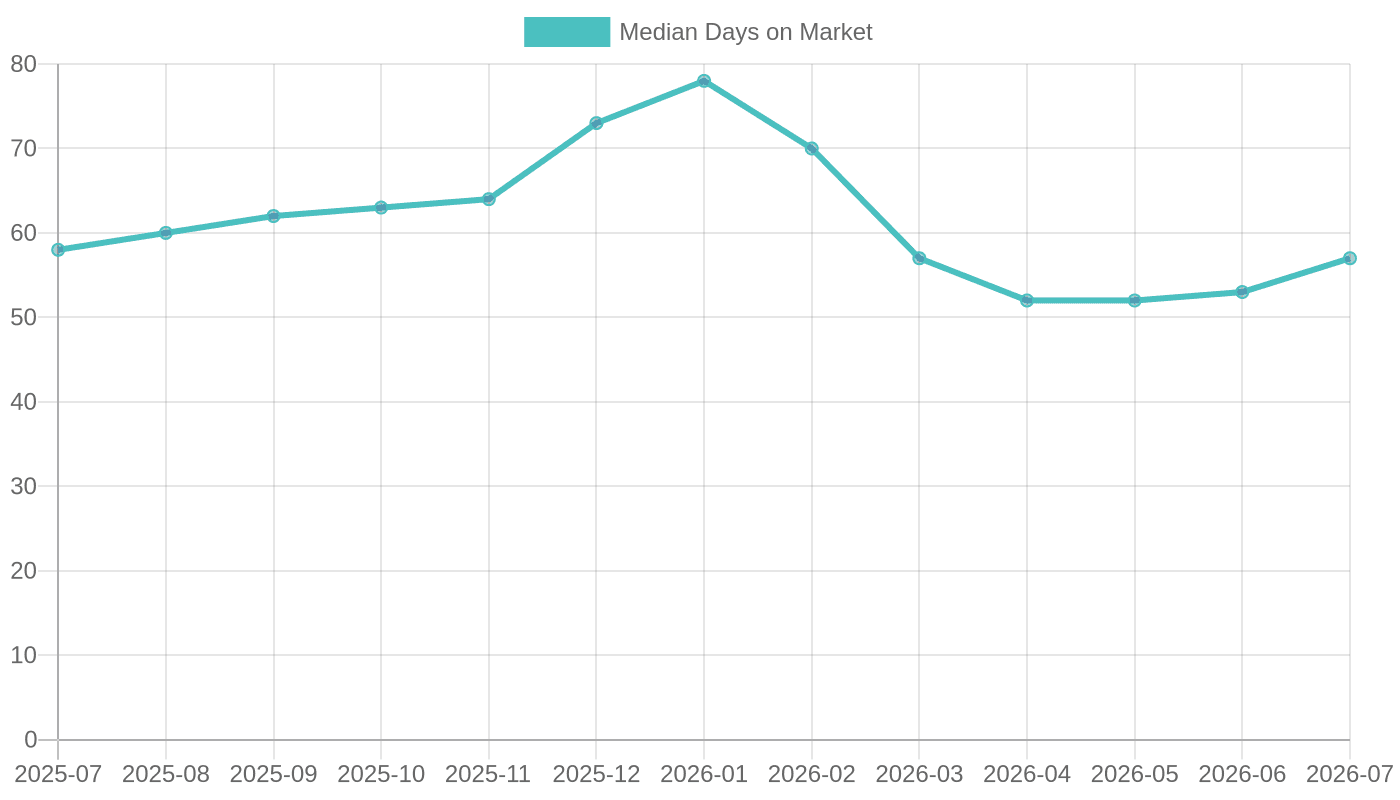
- The national median days on market is 57 days (as of July 2026), meaning homes are sitting longer — giving you more time to find and contact owners before they list.
- A simple spreadsheet, a map, and a camera are all you need to start; advanced tools like PropStream and ATTOM Data can scale your efforts.
- The 30-year fixed mortgage rate is 6.66% (as of August 27, 2026), which is squeezing sellers and creating more motivated sellers — perfect for your offers.
- Consistency beats intensity: a few hours each week, focused on one neighborhood, will build a pipeline of deals over time.
What Is Driving for Dollars in Real Estate?
Driving for dollars is a real estate investing strategy where you physically drive through neighborhoods to identify distressed, vacant, or otherwise motivated properties, then contact the owners to negotiate a below-market purchase. It's a classic wholesaling technique because it uncovers off-market deals that have little to no competition.
The idea is simple: you're looking for visual clues that a property might be in trouble. Overgrown lawns, boarded windows, peeling paint, or a pile of mail on the porch all suggest the owner might be willing to sell at a discount. You note the address, research the owner, and reach out with a personalized offer.
Why Driving for Dollars Works in 2026
Driving for dollars works because it targets sellers who are not actively marketing their home. In a market where the median sales price of houses sold is $410,700 (as of April 2026), and the median days on market is 57 days (as of July 2026), there's a window of opportunity.
Homes are sitting longer, which means sellers are getting anxious. That anxiety is your leverage. When you approach them with a cash offer, you're offering certainty in an uncertain market.
The Numbers Behind the Strategy
Let's look at the trends. The median days on market has been fluctuating. In January 2026, it hit 78 days — the highest in the series — before dropping to 57 days by July. That's a 21-day swing, and it tells you that timing matters.
Similarly, mortgage rates have been creeping up. The 30-year fixed rate went from 6.48% in early June 2026 to 6.66% by late August. Higher rates mean higher monthly payments, which can push more homeowners to sell — or to sell faster.
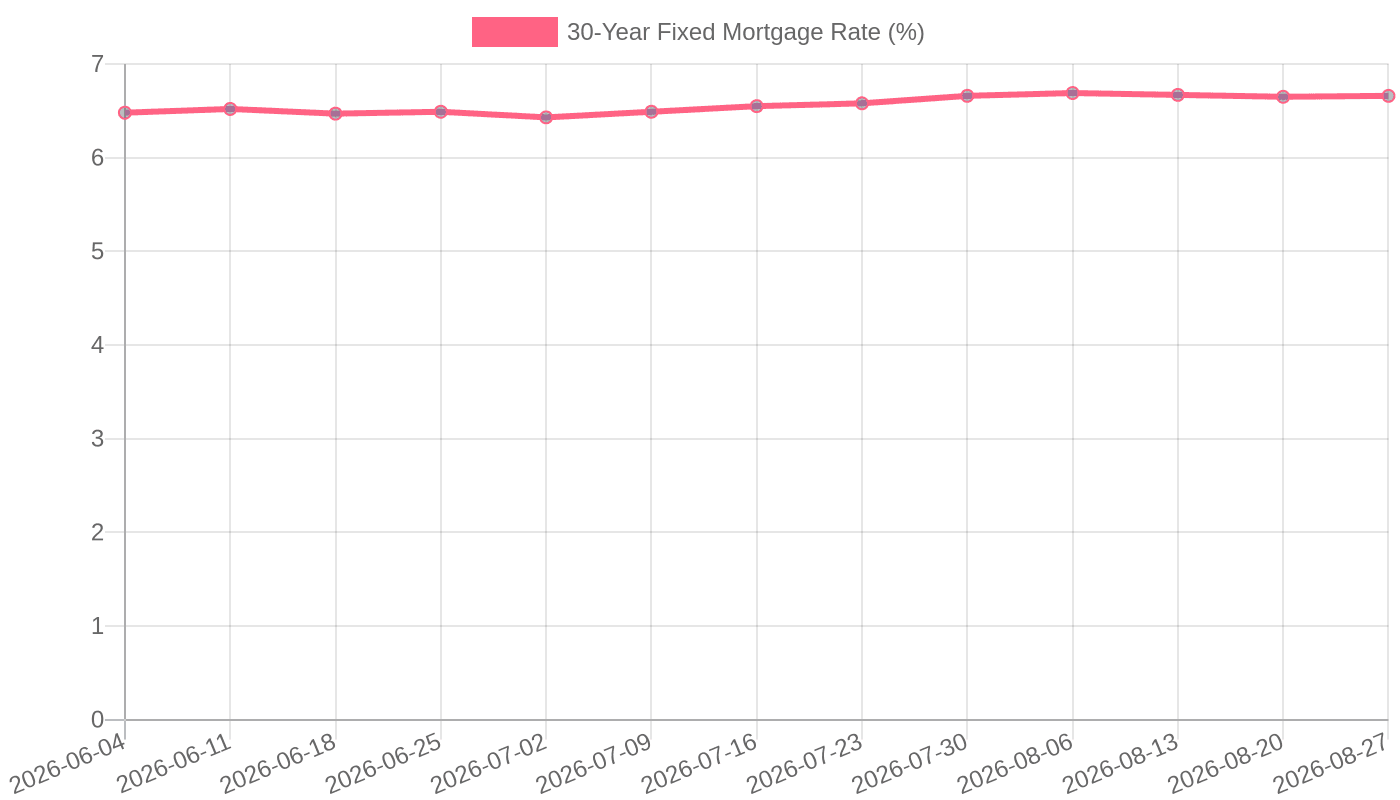
These two trends — longer days on market and rising rates — create a perfect storm for driving for dollars. You're finding sellers who are already motivated, and you're offering them a way out.
How to Drive for Dollars: Step-by-Step
Driving for dollars is more than just cruising around. It's a systematic process. Here's how to do it right.
Step 1: Choose Your Target Area
Don't just drive randomly. Pick a neighborhood or zip code where you want to invest. Look for areas with a mix of older homes, rental properties, and signs of turnover. You can use tools like PropStream or ATTOM Data to pull lists of properties that are likely distressed — like those with tax delinquencies or absentee owners.
Step 2: Get Your Tools Ready
You don't need much to start. Here's a minimal kit:
- A car — preferably one that doesn't scream "investor."
- A smartphone or camera — to take photos and notes.
- A spreadsheet — to track addresses, dates, and observations.
- A map app — to plan your route and avoid missing streets.
- A clipboard or voice recorder — for quick notes.
If you want to scale, consider using a driving for dollars app like PropStream's mobile app, which lets you log properties directly and even pulls owner data on the spot.
Step 3: Drive the Streets Methodically
Start with one street at a time. Drive slowly, but don't be creepy. Park and walk if you need a closer look. Look for these red flags:
- Overgrown grass or weeds
- Boarded or broken windows
- Peeling paint or roof damage
- Piles of mail or newspapers
- Utilities that are off (check for a meter)
- A "For Sale by Owner" sign that's faded
- Trash or debris in the yard
- A neglected look compared to neighbors
Step 4: Log Every Property
For each property you spot, record:
- Address
- Date and time
- Visual clues (e.g., "overgrown lawn")
- Photo (optional but helpful)
- Any notes (e.g., "looks vacant")
You'll later use this list to research the owner and send targeted mail.
Step 5: Research the Owner
Once you have a list, look up the owner information. You can use county records, tax assessor databases, or skip tracing services like ATTOM Data. Find out if the property is owned by an individual, an LLC, or a bank. Also check if it's in foreclosure or has any liens.
Step 6: Contact the Owner
Now comes the outreach. You can send a direct mail letter, make a phone call, or knock on the door. The key is to be respectful and persistent. Here's a simple script for a phone call:
"Hi, is this [Owner Name]? My name is [Your Name]. I'm a local real estate investor. I noticed your property at [Address] has some deferred maintenance, and I was wondering if you'd be open to a cash offer. No pressure — I'd love to chat if you're interested."
Step 7: Follow Up
Most deals don't happen on the first contact. Send a follow-up letter a week later, then a postcard a month after that. Consistency is key. Many wholesalers send a series of 3-5 touches before getting a response.
Best Tools for Driving for Dollars
While you can start with a pencil and paper, the right tools can save you hours. Here's a comparison of popular options:
| Tool | Best For | Key Feature | Price Range |
|---|---|---|---|
| PropStream | Property data & lead gen | Mobile app with driving for dollars mode | $99/month |
| ATTOM Data | Skip tracing & property records | Bulk data downloads | Custom pricing |
| GoHighLevel | CRM & follow-up automation | Automated SMS and email sequences | $97/month |
| CallTools | Phone systems & call tracking | Power dialer for cold calling | $50/user/month |
| Launch Control | Marketing & lead management | Direct mail campaign tracking | Custom pricing |
| Televista Lead Generation | Lead generation & data | Pre-foreclosure and absentee owner lists | Custom pricing |
These tools can be found in the Wholesale REI directory, which currently tracks 65 software tools across 9 categories — a great starting point for your research.
Driving for Dollars Scripts and Templates
Having a script ready makes outreach easier. Here are a few templates you can adapt.
Door-Knocking Script
"Hi, I'm [Your Name]. I'm a local investor looking to buy a home in this area. I noticed your property at [Address] and was wondering if you've ever thought about selling. I can make a cash offer and close quickly, no repairs needed on your end. Would you be open to a conversation?"
Voicemail Script
"Hi [Owner Name], this is [Your Name] from [Your Company]. I'm interested in buying a property you own on [Street]. I'd love to make you a fair cash offer. Please give me a call at [Your Number]. Thanks!"
Direct Mail Letter
"Dear [Owner], I'm writing to you because I'm interested in purchasing your property at [Address]. I'm a local investor and can offer a quick, hassle-free sale. If you're considering selling, I'd love to chat. You can reach me at [Your Number]. Sincerely, [Your Name]"
How to Scale Driving for Dollars
Once you've mastered the basics, you can scale up. Here's how.
Use Virtual Driving
You don't have to get in your car. Use Google Street View to "drive" neighborhoods from your computer. It's faster and covers more ground. But remember, nothing beats seeing a property in person — photos can be outdated.
Hire a Driver
If you have the budget, hire a virtual assistant or a local driver to do the driving for you. Give them a checklist and a spreadsheet, and they can cover multiple neighborhoods in a day.
Combine with Other Lead Gen
Driving for dollars works best when combined with other strategies like direct mail, bandit signs, and online marketing. Use a CRM like GoHighLevel to track all your leads in one place.
Common Mistakes to Avoid
Avoid these pitfalls to stay effective.
- Driving randomly — You'll waste time. Always have a plan.
- Ignoring follow-up — Most deals come from follow-up, not the first contact.
- Being too aggressive — You're building relationships, not making enemies.
- Not tracking your results — You can't improve what you don't measure.
The Bottom Line
Driving for dollars is a proven, low-cost way to find off-market deals, especially in a market where homes are sitting longer (57 days on average) and rates are climbing (6.66%). Start small, be consistent, and use the right tools to scale. Your next step? Compare the top driving for dollars tools in the Wholesale REI directory and pick one that fits your budget. And before you make your first call, practice your pitch with our free AI Cold Call Trainer — it's a great way to build confidence without risking a real lead.
Frequently Asked Questions
What is driving for dollars in real estate?
Driving for dollars is a strategy where investors drive through neighborhoods to find distressed or motivated properties, then contact the owners to negotiate a below-market purchase.
How much does it cost to start driving for dollars?
You can start with almost no cost using a car, phone, and spreadsheet. For advanced tools like PropStream, expect to pay around $99 per month.
What are the best signs of a motivated seller?
Look for overgrown lawns, boarded windows, peeling paint, piles of mail, or utilities off. These are visual clues that the owner may be willing to sell.
How do I find the owner of a property?
You can use county tax records, online databases, or skip tracing services like ATTOM Data to find owner information.
How many times should I follow up with a seller?
Most deals require multiple touches. Send a series of 3-5 letters or calls over a few weeks to increase your chances of a response.
Can I drive for dollars virtually?
Yes, you can use Google Street View to virtually drive neighborhoods, but it's not a substitute for in-person visits because photos may be outdated.
Sources
- 65 software tools — Wholesale REI directory
- 9 categories — Wholesale REI directory
- 30-year fixed mortgage rate 6.66% — FRED (Federal Reserve Bank of St. Louis)
- Median sales price $410,700 — FRED (Federal Reserve Bank of St. Louis)
- Median days on market 57 — FRED (Federal Reserve Bank of St. Louis)
This article was researched and drafted with AI assistance, then reviewed and edited by Mark Anthony. Every statistic is sourced and cited. It's for informational purposes only and is not financial or legal advice. Read our editorial policy.