Driving for Dollars Mastery: Tips to Maximize Results

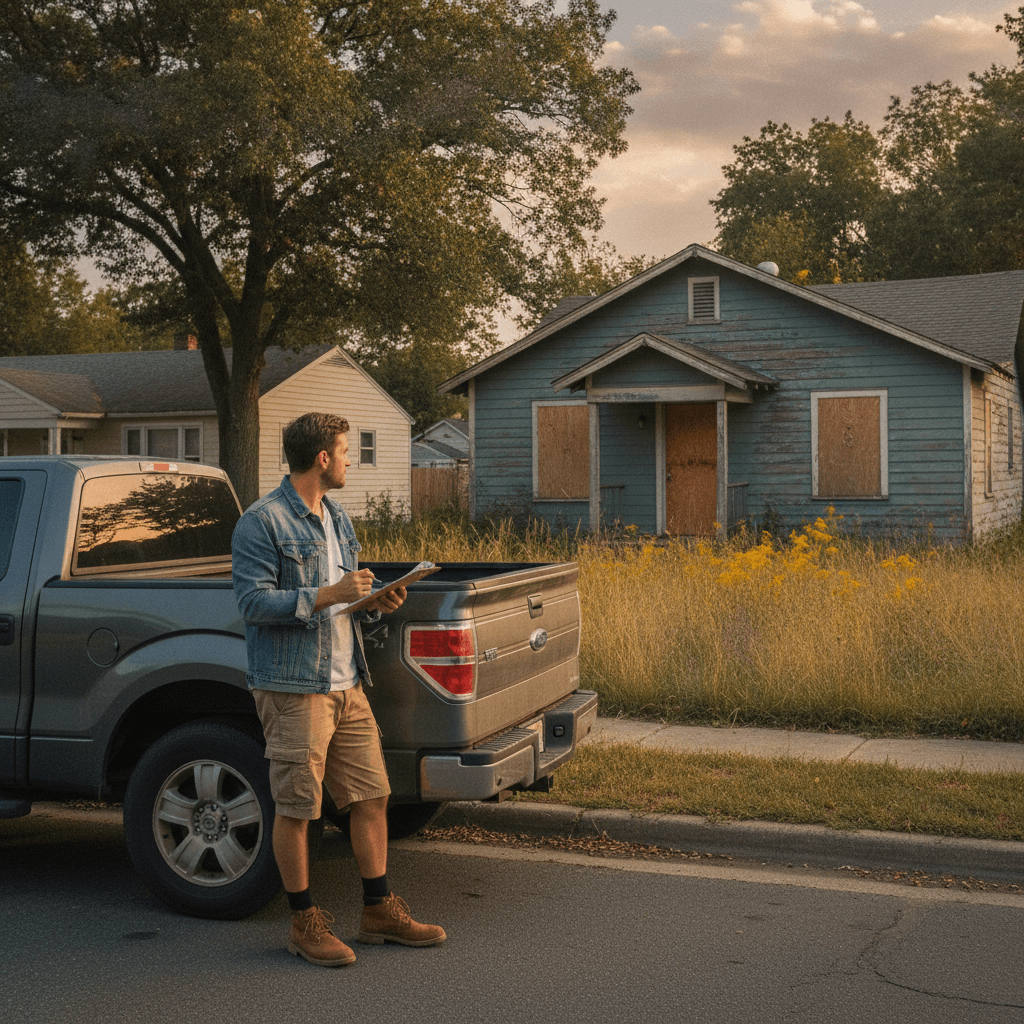
You're burning gas, squinting at porches, and coming home with three addresses that go nowhere. Driving for dollars mastery isn't about logging more miles — it's about building a repeatable system that turns neglected houses into signed contracts.
Key Takeaways
- A tight, repeatable route beats random driving — plan by zip code, not by mood.
- Distressed-property signals matter more than curb appeal: boarded windows, tall grass, code-violation stickers.
- Follow-up speed decides your conversion rate — same-day contact wins.
- The national median days on market was 63 as of October 2026, so sellers in slower markets are more open to creative offers.
- Track every lead in a CRM so no address slips through the cracks.
What is driving for dollars?
Driving for dollars is the practice of physically driving through neighborhoods to spot distressed or neglected properties that could become motivated-seller leads. You note the address, research the owner, and reach out with a solution.
It's old-school, but it still works because most wholesalers don't do it consistently. The ones who do — with a system — win.
Why it still works in 2026
Housing inventory is moving slower than the boom years. The median days on market sat at 63 in October 2026, up from 52 in April and May of the same year. That's a signal: more sellers are sitting on listings that aren't moving, and some of them are tired.
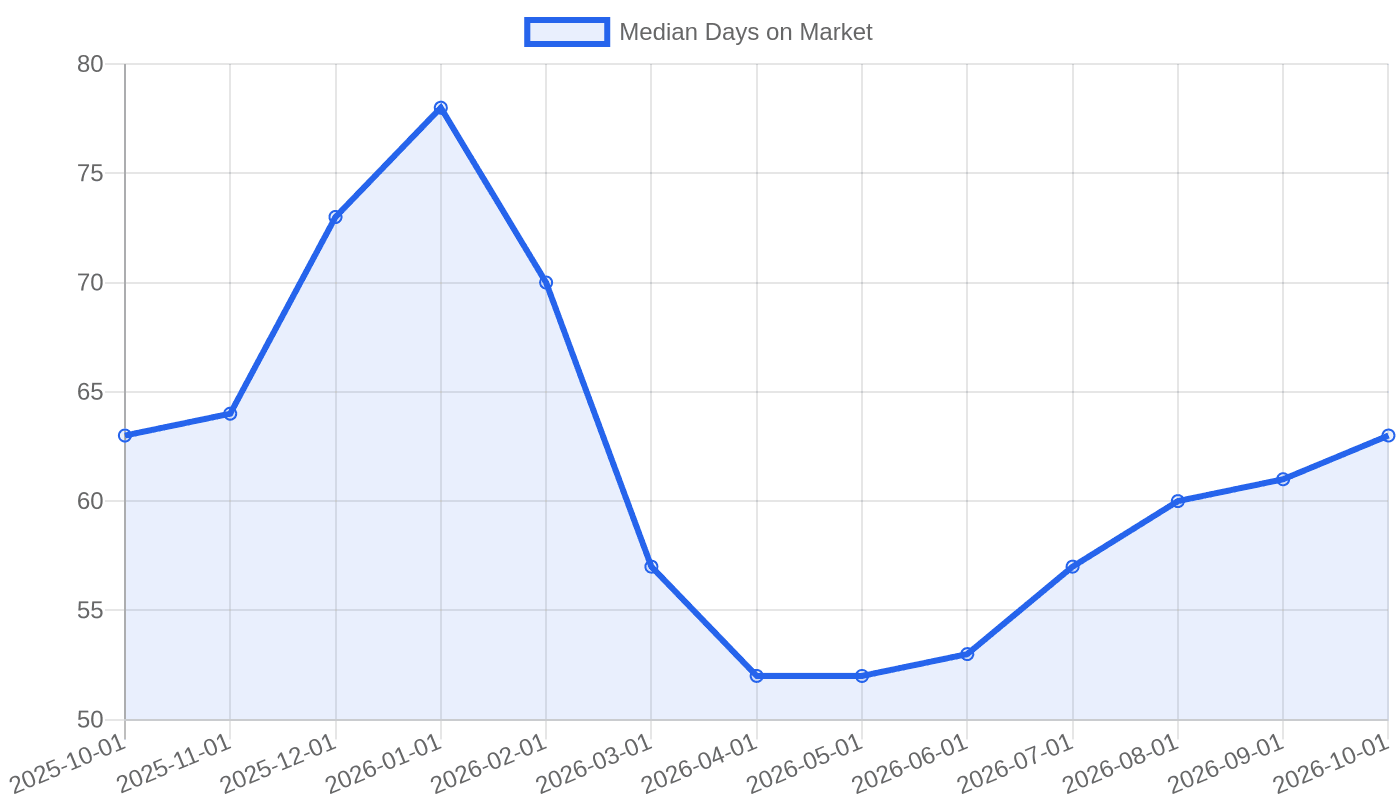
When homes sit longer, motivated sellers get more flexible. Your job is to find them before your competition does.
How do you plan a driving-for-dollars route that actually works?
You plan a driving-for-dollars route by picking a small geographic area, driving it at the same time each week, and logging every property that shows distress signals. Treat it like a paper route, not a road trip.
Step 1: Pick one zip code at a time
Don't try to cover a whole city. Choose a zip code with a mix of owner-occupied homes and older housing stock. Drive it until you know the streets.
Step 2: Go when people are home
Late afternoon and early evening on weekdays work best. You'll see cars in driveways, lights on, and sometimes catch the owner outside.
Step 3: Use a simple scoring sheet
Score each property on a 1–5 scale for:
- Visible distress (peeling paint, boarded windows, tarped roof)
- Yard condition (tall grass, junk, overgrown shrubs)
- Signs of vacancy (no curtains, piled mail, dark windows)
- Owner-occupancy clues (cars, kids' toys, recent repairs)
Anything scoring 3 or higher goes into your lead list.
Step 4: Drive the same route every two weeks
Consistency is the whole game. A house that looks rough in March might be vacant by June. Repeat drives catch the change.
What should you look for on a driving-for-dollars route?
You should look for signs of distress, vacancy, and deferred maintenance — not just ugly houses. The best leads show a combination of neglect and owner fatigue.
Top distress signals
- Boarded or broken windows
- Roof tarps or missing shingles
- Tall grass and weeds
- Piled-up mail or newspapers
- Code enforcement stickers on the door
- Cars on blocks or expired tags
- Gutters overflowing with leaves
What to skip
Skip houses that look distressed but are clearly occupied by a diligent owner. A well-kept yard with one peeling shutter isn't a lead. Focus on patterns, not single flaws.
How do you research a driving-for-dollars lead?
You research a lead by pulling the owner's name, mailing address, and property details from public records or a data tool, then checking for absentee ownership and equity. The faster you do this, the sooner you can reach out.
Use a data tool to skip the courthouse
Tools like PropStream and ATTOM Data let you pull owner info, lien history, and estimated equity in minutes. That saves hours of courthouse research.
Look for absentee owners
An out-of-state mailing address is a strong signal. Absentee owners are often more motivated to sell than owner-occupants.
Check for code violations
Many cities publish code enforcement records online. A property with active violations is a seller who's feeling pressure.
Why does follow-up speed matter more than route size?
Follow-up speed matters more than route size because motivated sellers often talk to multiple investors in the same week. The first credible offer usually wins.
Same-day contact wins
When you spot a lead, send a text or make a call the same day. Don't wait until the weekend.
Use a CRM to stay organized
A CRM like GoHighLevel or Launch Control keeps every lead, note, and follow-up task in one place. You'll never lose an address again.
Script your first call
Keep it simple: introduce yourself, mention you saw the property, and ask if they've considered selling. Listen more than you talk.
What tools help you maximize driving-for-dollars results?
The right tools help you plan routes, research owners, and follow up fast. The Wholesale REI directory tracks 65 software tools across 9 categories, so you can compare options without guessing.
Comparison table: tools for driving-for-dollars mastery
| Tool | Best for | Why it helps |
|---|---|---|
| PropStream | Property research | Owner info, liens, and equity estimates in one place |
| ATTOM Data | Data depth | Broad property and ownership datasets |
| GoHighLevel | CRM and follow-up | Automates texts, calls, and pipeline tracking |
| Launch Control | Lead management | Keeps driving-for-dollars leads organized |
| CallTools | Outbound calling | Power dialer for fast follow-up |
| TeleVista Lead Generation | Lead sourcing | Supplements your driving routes |
How to choose
Start with a data tool and a CRM. Those two cover 80% of the work. Add a dialer once your lead volume grows.
How do market conditions affect driving-for-dollars results?
Market conditions affect results because they shape seller motivation. Higher rates and slower sales push some owners toward creative deals.
The 30-year fixed mortgage rate was 7.21% as of November 25, 2026. It climbed from 6.71% in early September to a peak of 7.40% in mid-October before easing slightly.
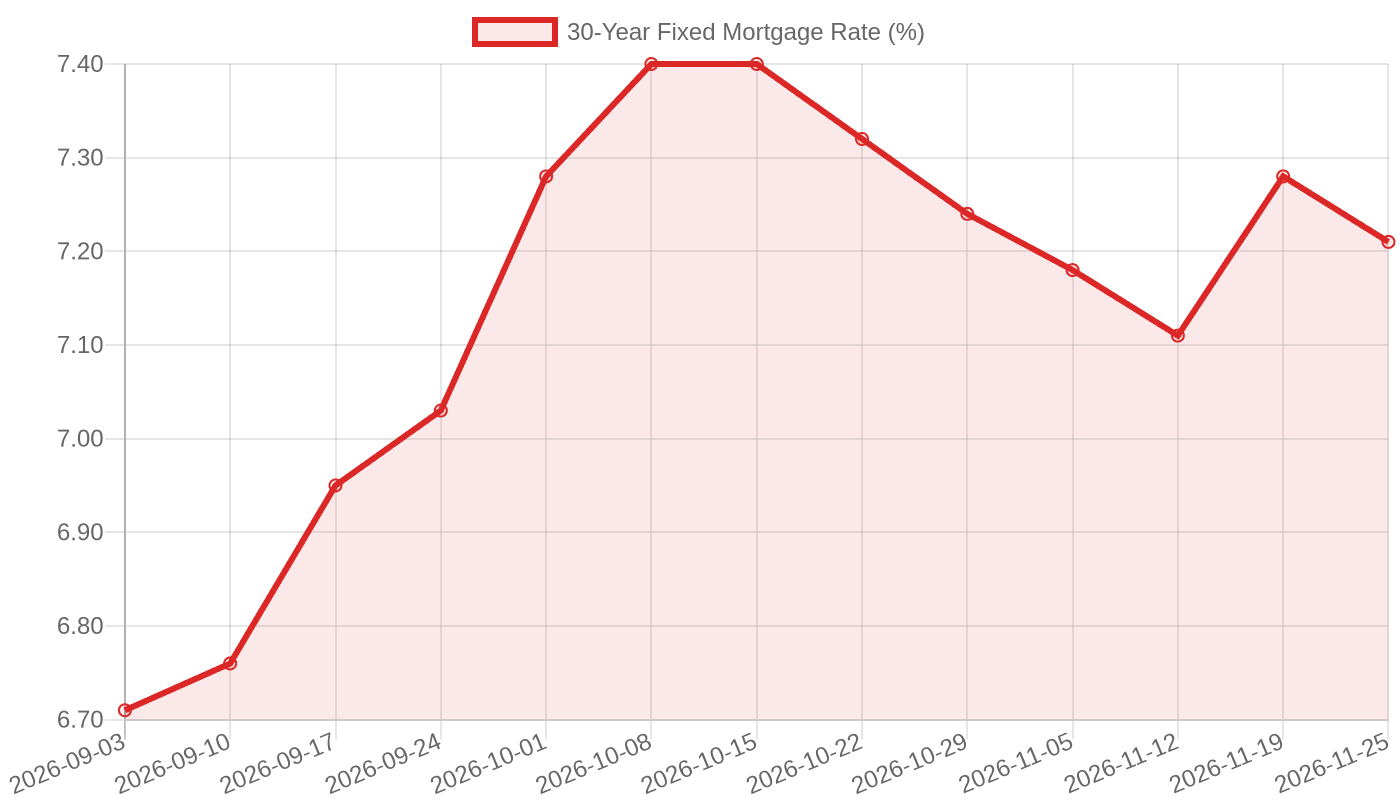
Higher rates mean fewer retail buyers can afford to buy. That leaves more room for investors who can offer cash or terms.
What this means for your route
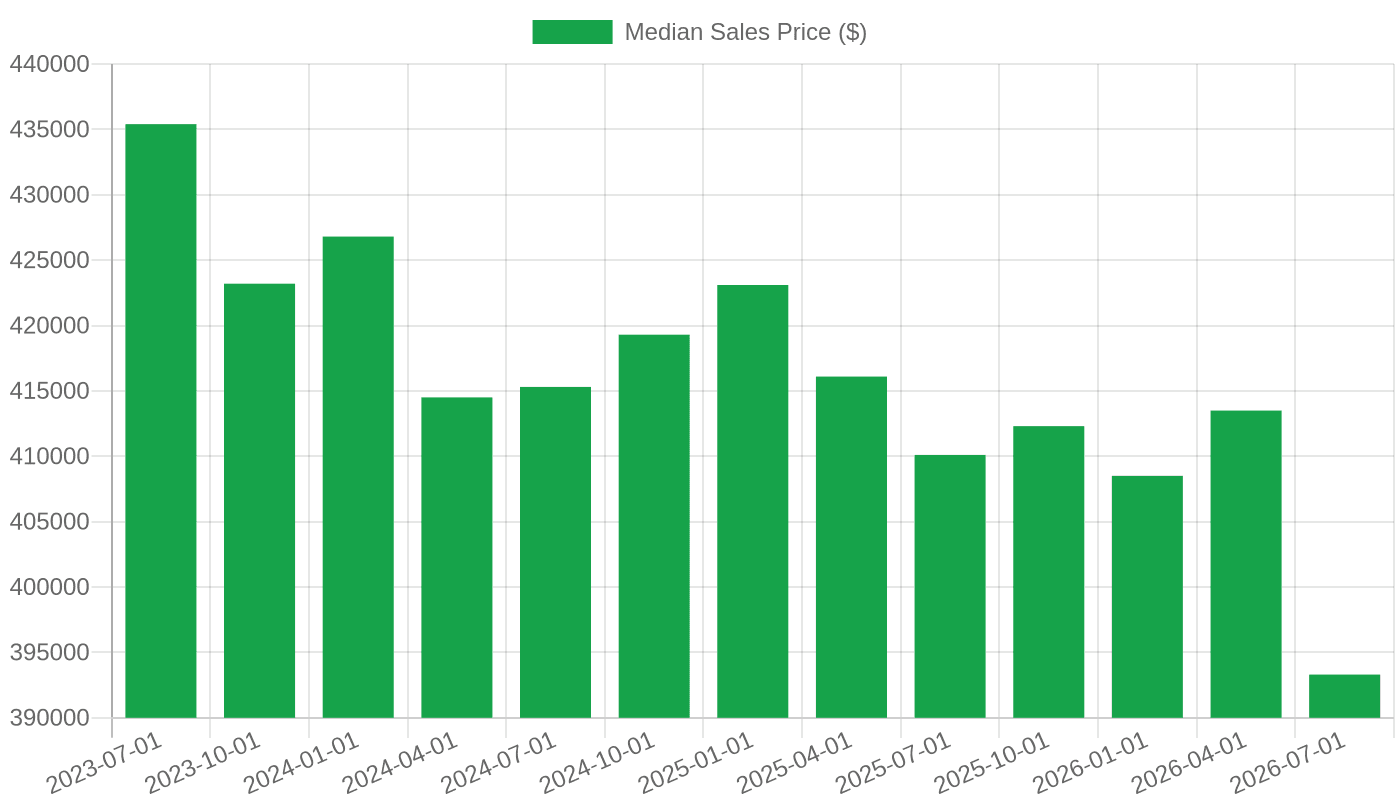
Target neighborhoods where homes are sitting. The national median sales price was $393,300 as of July 2026, down from $435,400 in July 2023. Slower price growth can make sellers more realistic about offers.
What are the most common driving-for-dollars mistakes?
The most common mistakes are driving without a plan, skipping follow-up, and failing to track leads. Each one wastes gas and time.
Mistake 1: Random driving
Driving without a route means you cover the same streets twice and miss others. Plan first.
Mistake 2: No follow-up system
If you don't have a CRM, leads slip away. Use one from day one.
Mistake 3: Ignoring data
Curb appeal isn't enough. Pull owner and lien data before you knock.
Mistake 4: Giving up too soon
Driving for dollars works over months, not days. Stay consistent.
How do you scale driving for dollars without burning out?
You scale by systemizing your route, delegating research, and automating follow-up. You don't have to do everything yourself.
Hire a driver
Pay a trusted driver to run routes and log leads. You focus on calls and offers.
Automate outreach
Use a CRM to send automatic texts and emails to new leads. You'll respond faster without lifting a finger.
Track your numbers
Measure leads per route, contact rate, and conversion rate. Double down on what works.
The Bottom Line
Driving for dollars mastery comes down to a tight route, fast research, and same-day follow-up. Pick one zip code, drive it consistently, and track every lead in a CRM. When you're ready to compare tools, browse the Wholesale REI directory to find the right data and CRM software for your route.
Frequently Asked Questions
What is driving for dollars in real estate?
Driving for dollars is the practice of driving through neighborhoods to find distressed or neglected properties that could be motivated-seller leads. You note the address, research the owner, and reach out with an offer.
How often should you drive the same route?
Every two weeks is a good rhythm. It's frequent enough to catch changes like a new vacancy or code violation, but not so often that you burn time and gas.
What tools do you need for driving for dollars?
At minimum, you need a property data tool like PropStream or ATTOM Data and a CRM like GoHighLevel or Launch Control. A dialer like CallTools helps once your lead volume grows.
Why does follow-up speed matter so much?
Motivated sellers often talk to several investors in the same week. The first credible offer usually wins, so same-day contact gives you a real edge.
Does driving for dollars still work when the market is slow?
Yes. Slower markets can actually help because more sellers get tired of waiting. The median days on market was 63 in October 2026, which means more listings are sitting and some owners are ready to deal.
Sources
- Software tools tracked in the Wholesale REI directory — Wholesale REI directory
- Tool categories in the Wholesale REI directory — Wholesale REI directory
- 30-Year Fixed Mortgage Rate (as of 2026-11-25) — FRED (Federal Reserve Bank of St. Louis)
- Median Sales Price of Houses Sold (as of 2026-07-01) — FRED (Federal Reserve Bank of St. Louis)
- Median Days on Market (as of 2026-10-01) — FRED (Federal Reserve Bank of St. Louis)
This article was researched and drafted with AI assistance, then reviewed and edited by Mark Anthony. Every statistic is sourced and cited. It's for informational purposes only and is not financial or legal advice. Read our editorial policy.