Real Estate Comps AI: Top Tools for Wholesalers


You found a seller who wants out fast — and now you need a number you can defend. Real estate comps AI can hand you that number in seconds instead of the two hours you'd spend clicking between tabs.
But not every tool that says "AI comps" actually does the work. Some just relabel a basic search. Here's how to tell them apart, and which ones are worth your money.
Key Takeaways
- Real estate comps AI pulls sold, active, and off-market data, then ranks the closest matches by similarity — not just by distance.
- The Wholesale REI directory tracks 65 software tools across 9 categories, so you can compare comps tools against CRMs, dialers, and data providers in one place.
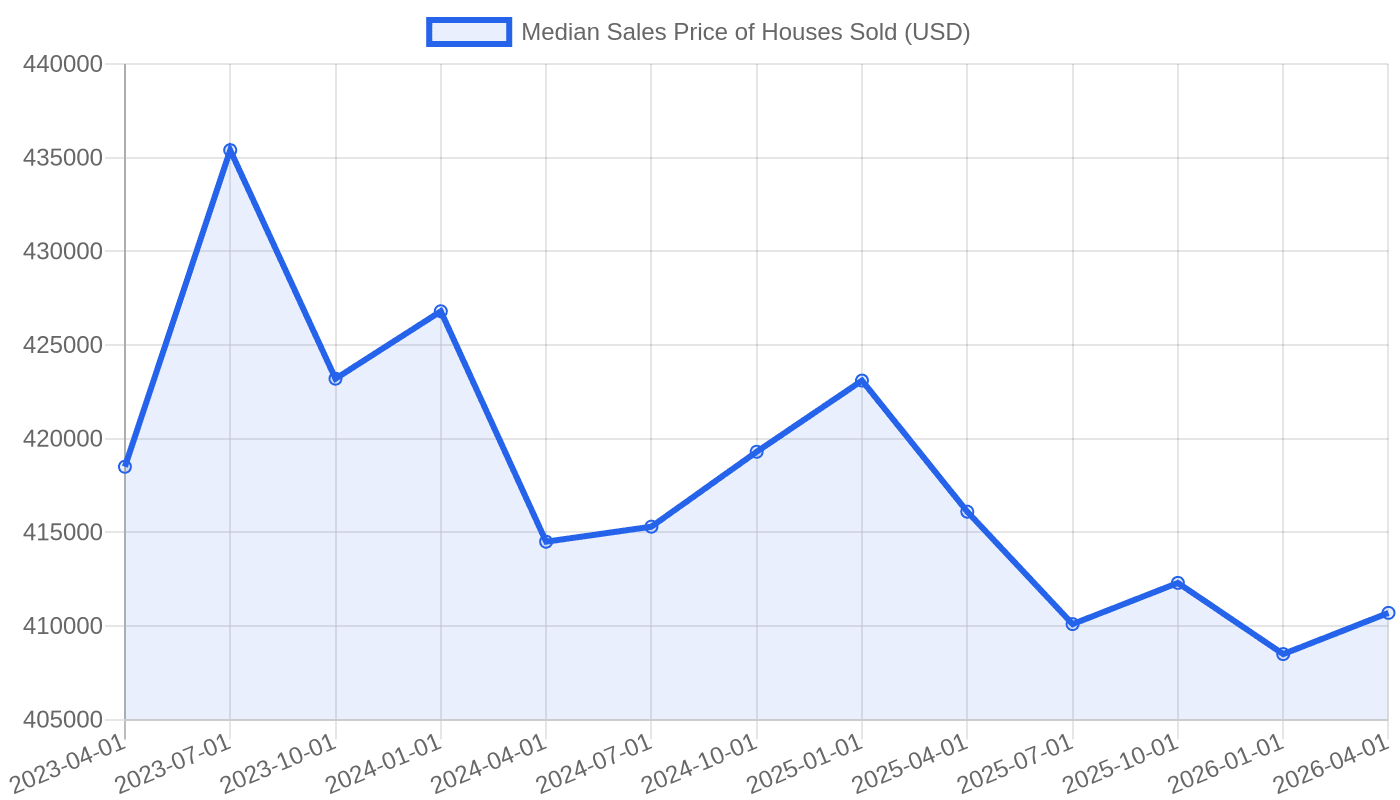
- The median sales price of houses sold sat at $410,700 as of 2026-04-01, while the 30-year fixed mortgage rate hit 6.76% by 2026-09-10 — tight numbers mean your comp accuracy matters more than ever.
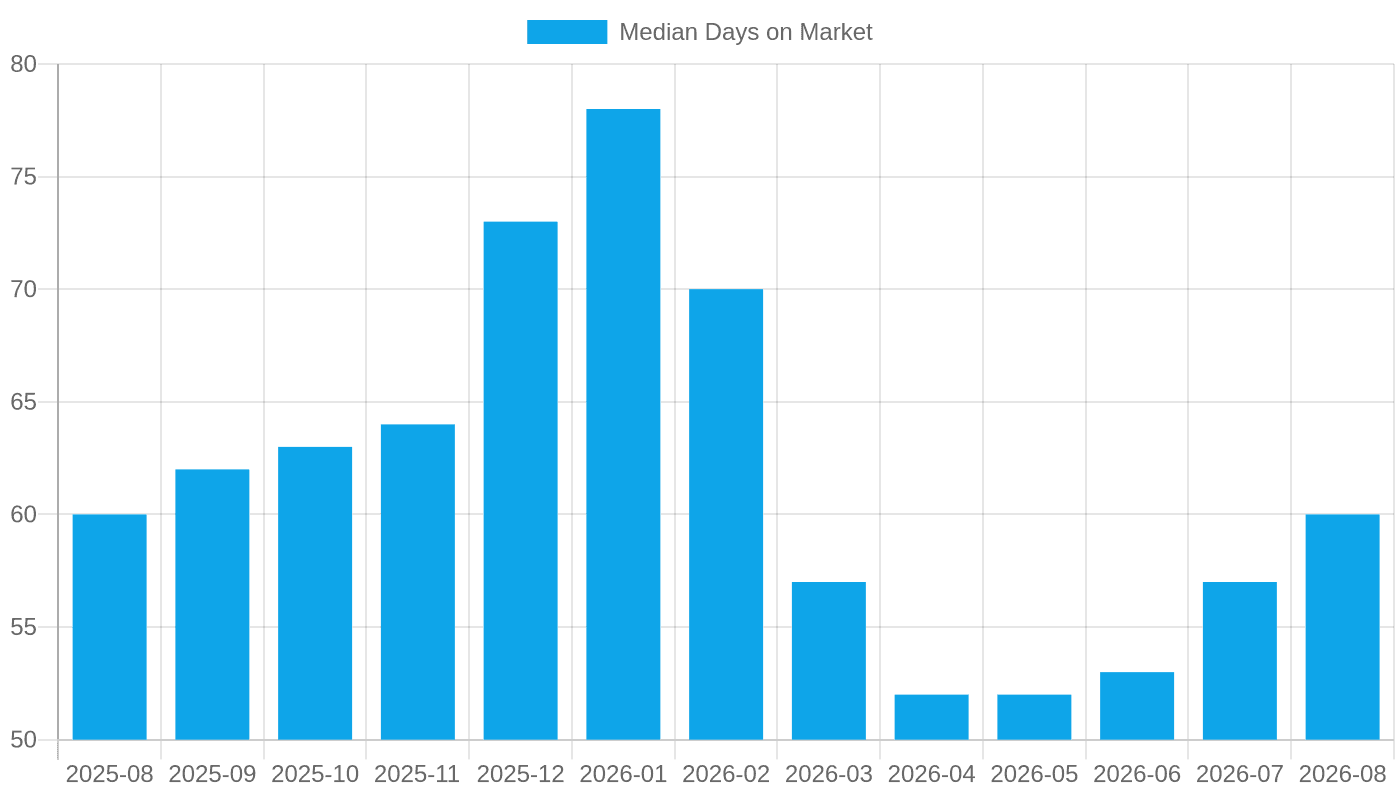
- Median days on market landed at 60 days as of 2026-08-01, up from a low of 52 days in spring 2026 — a slower market rewards tools that flag stale listings.
- The best comps tool is the one that matches how you actually work: drive-for-dollars, MLS-heavy, or fully automated.
What is real estate comps AI?
Real estate comps AI is software that uses machine learning to find, filter, and rank comparable sales for a property — automatically adjusting for square footage, condition, lot size, and market timing instead of relying on a manual search.
Traditional comping means you open your MLS, draw a radius, filter by beds and baths, and eyeball the results. It works, but it's slow and it's biased toward whatever you happened to notice first.
AI comps tools flip that. You drop in an address. The tool pulls recent sales, active listings, and sometimes off-market data. Then it scores each one for how similar it really is to your subject property.
What AI actually changes
Three things, mainly:
- Speed. What took 30–60 minutes now takes under a minute.
- Consistency. Every property gets scored the same way, so your offers don't drift based on your mood or how tired you are.
- Coverage. Good tools look beyond the MLS — public records, tax data, and sometimes off-market signals.
What AI does not do is replace your judgment. You still decide the final number. The tool just gets you to a defensible starting point faster.
Why comps accuracy matters more in a slower market
Comps accuracy matters more right now because homes are sitting longer and prices are flat to slightly soft — so a bad comp can leave you holding a deal you can't move.
Look at the national picture. The median sales price of houses sold was $410,700 as of 2026-04-01. That's down from $418,500 in 2023-04-01 — roughly flat over three years, not climbing.
Meanwhile, the 30-year fixed mortgage rate climbed from 6.47% on 2026-06-18 to 6.76% on 2026-09-10. Higher rates squeeze buyer budgets, which squeezes what you can pay.
And homes are taking longer to sell. Median days on market hit 60 days as of 2026-08-01 — after dipping to 52 days in April and May 2026.
Here's why that matters for comps. In a fast market, almost any reasonable comp works because everything sells. In a slower market, the difference between a great comp and a lazy comp is the difference between a deal and a dud.
The three comp mistakes AI helps you avoid
- Using active listings as sold comps. Active listings show asking prices, not reality. AI tools separate them.
- Ignoring days on market. A house that sat 90 days tells a different story than one that sold in 10.
- Skipping condition adjustments. A renovated kitchen and a 1990s kitchen are not the same comp, even at the same square footage.
Top real estate comps AI tools for wholesalers
There's no single best tool — the right pick depends on whether you're a data-first wholesaler, a volume dialer, or someone running a full pipeline. Here's how the main options stack up.
PropStream
PropStream is the workhorse for most wholesalers. It combines property data, filters, and comps in one dashboard, and it's built for the kind of list-pulling wholesalers do daily.
Best for: Wholesalers who want comps and lead lists in the same tool.
ATTOM Data
ATTOM is the data layer underneath a lot of other tools. If you want raw property, mortgage, and sales data to feed your own comping process, this is the source.
Best for: Investors and small teams who want to build custom comp logic.
Launch Control
Launch Control leans into automation — pulling data, running comps, and pushing results into your workflow without manual steps.
Best for: Wholesalers running higher volume who want less clicking.
GoHighLevel
GoHighLevel isn't a comps tool by itself, but it's the CRM many wholesalers bolt comps data onto. If your comps live next to your follow-up, deals move faster.
Best for: Teams that want comps, CRM, and outreach in one system.
CallTools and TeleVista
CallTools and TeleVista handle the dialing and lead-gen side. They matter here because comps only pay off if you're actually talking to sellers.
Best for: Wholesalers whose bottleneck is conversations, not data.
Quick comparison
| Tool | Primary strength | Comps depth | Best fit |
|---|---|---|---|
| PropStream | Data + list pulling | Strong | Most wholesalers |
| ATTOM Data | Raw property data | Deep (raw) | Custom workflows |
| Launch Control | Automation | Strong | High-volume |
| GoHighLevel | CRM + outreach | Add-on | Teams |
| CallTools | Dialing | N/A | Cold calling |
| TeleVista | Lead gen | N/A | Lead sourcing |
How do you choose the right comps AI tool?
Choose based on your bottleneck, not on the longest feature list. If you can't find deals, you need data. If you can't close deals, you need conversations.
Ask yourself these five questions:
- Where does your data come from? MLS, public records, or both?
- Does it separate sold from active? This is non-negotiable.
- Can you export comps into your CRM? Manual re-typing kills momentum.
- How does it handle condition? Look for adjustment logic, not just square footage.
- What does it cost per deal, not per month? A $200/month tool that closes one extra deal a year pays for itself.
Match the tool to your workflow
- Drive-for-dollars wholesalers: You need mobile-friendly comps. PropStream-style tools win here.
- List-first wholesalers: You need deep filters and exports. ATTOM-style data wins.
- Volume shops: You need automation. Launch Control-style tools win.
- Team builders: You need comps inside your CRM. GoHighLevel-style wins.
What should you check before trusting an AI comp?
Never trust an AI comp without a sanity check. The tool is a starting point — you're still the one signing the contract.
Run this quick checklist every time:
- Verify the sale actually closed. Pending and active listings are not comps.
- Check the date. A sale from eight months ago in a shifting market is a weak comp.
- Confirm square footage. Public records are often wrong. Cross-check.
- Look at days on market. Long DOM means the seller was motivated — or the price was wrong.
- Drive the street if you can. AI can't see a railroad track in the backyard.
When to override the AI
Override the AI when you have local knowledge it doesn't. If you know the block, you know things a model can't.
That's not a flaw in the tool. It's the whole point. AI handles the grunt work so you can spend your time on judgment calls.
How many comps do you actually need?
Three to five strong comps beat ten weak ones. More data isn't better if the data isn't similar.
A good rule: pull six to eight candidates, then narrow to the three or four that genuinely match on size, condition, and location. Use the rest as context, not as anchors.
The comp quality test
Ask of each comp: If I showed this to a buyer, would they nod or squint? If they'd squint, cut it.
The Bottom Line
Real estate comps AI won't make the offer for you — but it will get you to a defensible number in minutes instead of hours, which matters a lot when the median sales price is sitting at $410,700 and homes are taking 60 days to move. Start by comparing the comps and data tools in the directory side by side, then pick the one that matches your actual bottleneck. And if your bottleneck is conversations rather than comps, practice a few calls against a realistic AI seller first with our free AI Cold Call Trainer — it takes no signup to start.
Frequently Asked Questions
What is real estate comps AI?
It's software that uses machine learning to find, filter, and rank comparable sales for a property automatically — adjusting for size, condition, and market timing instead of relying on a manual MLS search. You still make the final call, but you get to a defensible number much faster.
Do I still need the MLS if I use an AI comps tool?
Often yes, especially for the most recent local sales. Many AI comps tools pull from MLS plus public records and tax data, so they broaden your coverage — but the freshest, most accurate sold data usually still lives in the MLS.
How many comps should I use for a wholesale offer?
Three to five strong comps beat ten weak ones. Pull six to eight candidates, then narrow to the three or four that genuinely match on size, condition, and location, and use the rest only as context.
Why does comps accuracy matter more in a slower market?
When homes sit longer, a bad comp can leave you with a deal you can't move. Median days on market was 60 as of 2026-08-01, up from a low of 52 in spring 2026, so buyers have more choices and less patience for overpriced properties.
Which comps AI tool is best for wholesalers?
It depends on your bottleneck. PropStream suits most wholesalers who want data and list-pulling together, ATTOM Data fits custom workflows, Launch Control fits high-volume automation, and GoHighLevel works for teams that want comps inside their CRM.
Can AI comps replace my own judgment?
No. AI handles the grunt work — pulling data and scoring similarity — but it can't see a railroad track in the backyard or know the block like you do. Treat it as a fast starting point, then verify and override where your local knowledge says otherwise.
Sources
- Software tools tracked in the Wholesale REI directory — Wholesale REI directory
- Tool categories in the Wholesale REI directory — Wholesale REI directory
- Median Sales Price of Houses Sold (as of 2026-04-01) — FRED (Federal Reserve Bank of St. Louis)
- 30-Year Fixed Mortgage Rate (as of 2026-09-10) — FRED (Federal Reserve Bank of St. Louis)
- Median Days on Market (as of 2026-08-01) — FRED (Federal Reserve Bank of St. Louis)
This article was researched and drafted with AI assistance, then reviewed and edited by Mark Anthony. Every statistic is sourced and cited. It's for informational purposes only and is not financial or legal advice. Read our editorial policy.