Real Estate Comps Calculator: 7 Free Tools to Price Deals Fast


You're staring at a property, and you know it's a deal—but you can't prove it without solid comps. A real estate comps calculator does the heavy lifting, pulling recent sales and listing data so you can estimate after-repair value (ARV) with confidence. In this guide, I'll show you 7 free tools that help wholesalers price deals fast, plus how to use them like a pro.
Key Takeaways
- A real estate comps calculator estimates a property's value by comparing it to similar recent sales, called comps.
- The Wholesale REI directory tracks 65 software tools across 9 categories, making it easy to find the right comps tool for your workflow.
- Free comps calculators vary: some pull live MLS data, others use public records, and a few are fully manual—know the difference.
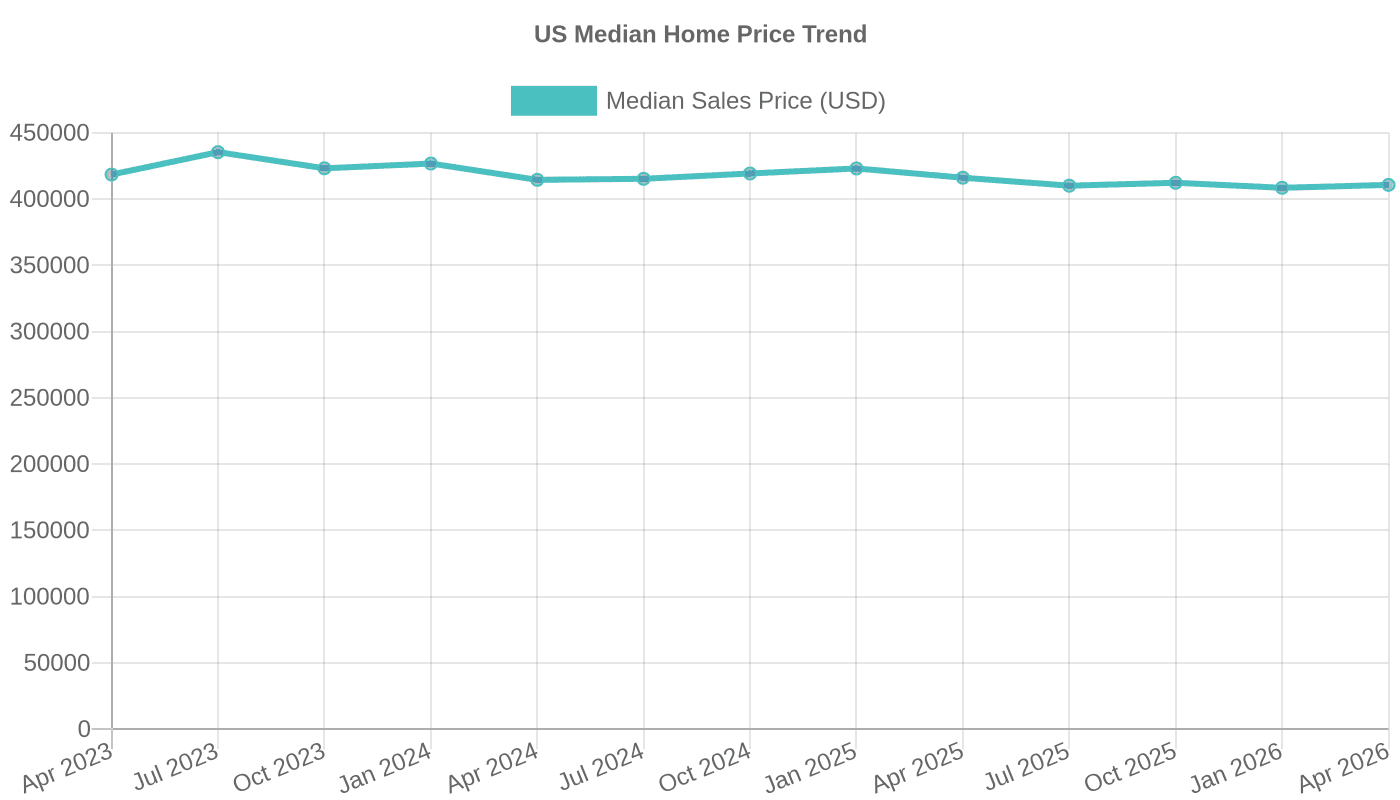
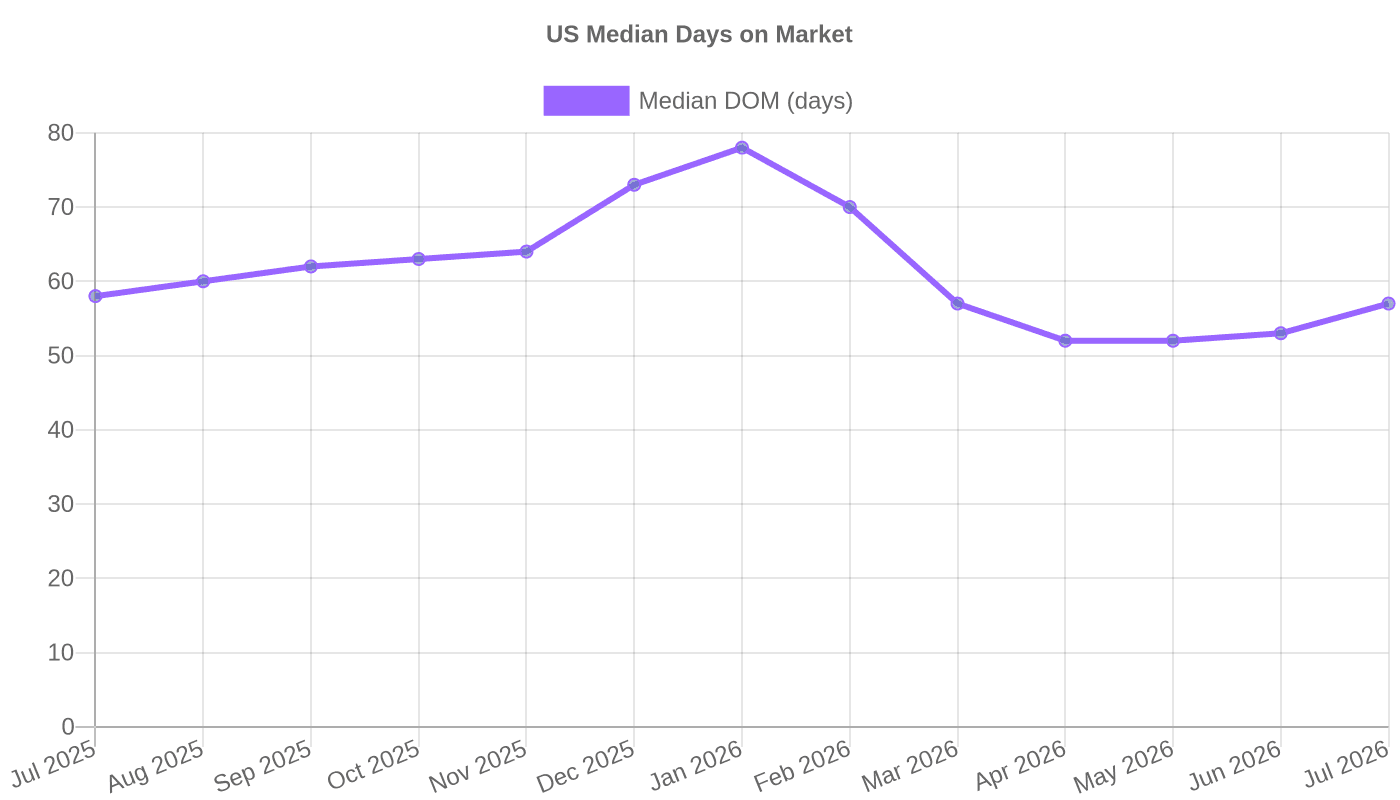
- The national median home price is $410,700 (as of April 2026), and the median days on market is 57 days—both affect your comps analysis.
- For wholesalers, the best free comps calculator is one that lets you adjust for condition, square footage, and location—not just a raw average.
What is a Real Estate Comps Calculator?
A real estate comps calculator is a tool that estimates a property's market value by comparing it to recently sold, similar properties—known as comparables or "comps." It typically uses data like sale price, square footage, bedrooms, and location to generate an estimated value, often called an after-repair value (ARV) when you factor in renovations.
For wholesalers, this is your bread and butter. You need accurate comps to determine your maximum allowable offer (MAO), so you can lock in a contract that leaves room for profit. A good comps calculator doesn't just give you a number—it shows you the data behind it, so you can defend your offer to a seller or buyer.
Why Do Wholesalers Need a Comps Calculator?
Wholesalers need a comps calculator because it turns a hunch into a data-backed offer. Without comps, you're guessing at ARV, and guessing is how you end up with a contract you can't assign. A calculator gives you the confidence to make a firm offer and the evidence to negotiate with sellers.
It also saves time. Instead of manually pulling comps from county records or calling agents, you can run a quick analysis and move to the next lead. In a market where the median home sells in 57 days (as of July 2026), speed matters. If you're slow, another investor beats you to the deal.
The Cost of Bad Comps
Bad comps cost you money in two ways: you overpay for a property and eat your profit, or you underprice it and lose the deal to a higher offer. A calculator helps you avoid both by using consistent criteria—like comparable square footage, age, and location—so you're not comparing apples to oranges.
How Do You Calculate Comps Manually?
To calculate comps manually, you find 3-5 recently sold properties that are similar to your subject property, then adjust for differences like square footage, bedrooms, and condition. Here's a simple step-by-step:
- Identify your subject property's key features: square footage, beds, baths, lot size, year built, and condition.
- Find 3-5 comparable sales within a 1-mile radius (or your market's norm), sold in the last 3-6 months.
- Adjust for differences: add or subtract value for each feature that differs. For example, if a comp has an extra bedroom, subtract its value from that comp's price.
- Average the adjusted prices to get your estimated value.
- Apply a repair estimate if you're calculating ARV—add the cost of renovations to the estimated value.
This manual process works, but it's slow and error-prone. That's where a comps calculator shines—it automates the math and pulls data instantly.
Best Free Real Estate Comps Calculators for Wholesalers
Here are 7 free tools that help wholesalers run comps without breaking the bank. I've grouped them by how they work, so you can pick the one that fits your workflow.
1. Zillow (Zestimate)
Zillow's Zestimate is the most well-known free comps tool. It gives you an instant value estimate based on public data and user-submitted info. It's a great starting point, but it's not always accurate—especially for off-market or distressed properties. Use it as a ballpark, not gospel.
2. Redfin (Redfin Estimate)
Redfin's estimate is similar to Zillow's but often more accurate in markets where Redfin has strong MLS data. It also shows you recent sales and active listings, which you can use to build your own comps. Free to use, but again, it's an estimate—not a full comps analysis.
3. Realtor.com (Home Value)
Realtor.com's home value tool pulls from MLS data and public records. It's a solid free option, and it shows you comparable homes nearby. You can drill into the details to see how the estimate was calculated, which is helpful for understanding the comps.
4. PropertyRadar (Free Trial)
PropertyRadar offers a free trial that includes comps and property data. It's more geared toward investors, with features like owner info and foreclosure data. The trial is limited, but it's enough to run a few comps and see if it fits your needs.
5. Mashvisor (Free Trial)
Mashvisor is designed for rental property analysis, but it also provides comps and ARV estimates. The free trial gives you a taste of their data, which includes neighborhood trends and rental estimates. It's useful if you're analyzing buy-and-hold deals alongside flips.
6. REIPro (Free Demo)
REIPro is a full real estate investing CRM with a comps tool built in. They offer a free demo, so you can test the comps feature before committing. It's more than a calculator—it's a complete deal analysis platform, which might be overkill if you just need comps.
7. Wholesale REI Directory Tools
The Wholesale REI directory lists 65 software tools across 9 categories, including several that offer free versions or trials with comps features. Tools like PropStream and ATTOM Data provide extensive property data and comps, and they often have free trials. You can browse the directory to compare options and find the one that fits your budget.
How to Choose the Right Comps Calculator
When choosing a comps calculator, consider three things: data source, accuracy, and ease of use. Here's a quick comparison:
| Tool | Data Source | Free? | Best For |
|---|---|---|---|
| Zillow | Public + user data | Yes | Quick estimates |
| Redfin | MLS + public | Yes | Accurate estimates in Redfin markets |
| Realtor.com | MLS + public | Yes | Detailed comps breakdown |
| PropertyRadar | Public records | Trial | Investor data |
| Mashvisor | Public + rental data | Trial | Rental analysis |
| REIPro | Multiple | Demo | Full deal analysis |
| Wholesale REI Directory | Various | Varies | Finding the right tool |
Data Source Matters
Tools that pull from MLS data (like Redfin and Realtor.com) tend to be more accurate than those relying solely on public records. But even MLS-based estimates can be off for unique properties. Always cross-check with your own comps.
Accuracy vs. Speed
A calculator that gives you a number in seconds is convenient, but it might not account for the property's condition. If you're wholesaling distressed homes, you need to adjust for repairs. Some tools let you input repair costs, which is a huge plus.
How to Use a Comps Calculator for Wholesaling
Using a comps calculator for wholesaling is straightforward: enter the property address, get an estimated value, then subtract repair costs and your desired profit to find your max offer. Here's a step-by-step:
- Enter the property address into your chosen calculator.
- Review the estimated value (ARV if it includes repairs).
- Adjust for condition: if the property needs work, subtract repair costs.
- Calculate your MAO: MAO = ARV - repairs - your profit margin (usually 70% of ARV minus repairs).
- Make your offer based on that number.
Example: Pricing a Deal
Let's say the calculator gives you an ARV of $200,000. You estimate $30,000 in repairs. Your MAO would be $200,000 - $30,000 - $20,000 (your profit) = $150,000. That's your max offer. This formula ensures you leave room for profit and unexpected costs.
Common Mistakes to Avoid When Using Comps
Even with a calculator, you can make mistakes. Here are the most common ones wholesalers make:
- Using too few comps: Always use at least 3-5 comps to get a reliable average.
- Ignoring condition: A comp that's renovated is worth more than one that's dated. Adjust for condition.
- Comparing different property types: Don't compare a single-family home to a condo. Stick to similar types.
- Using stale data: Comps older than 6 months may not reflect the current market.
- Forgetting market trends: The median home price has been fluctuating—it was $418,500 in April 2023 and $410,700 in April 2026. Use recent comps to stay current.
How Market Trends Affect Your Comps
Market trends directly impact your comps. When prices are rising, older comps may understate value; when falling, they may overstate it. The national median home price has hovered around $410,000-$435,000 over the past few years, so it's relatively stable, but local markets can vary widely.
Median Price Trends
Looking at the national median sales price, it peaked at $435,400 in July 2023, then dipped to $410,100 in July 2025, and recovered slightly to $410,700 by April 2026. This shows a plateau, meaning you should rely on recent comps within the last 3 months for accuracy.
Days on Market
Days on market (DOM) tells you how long homes sit before selling. The national median DOM was 57 days in July 2026, up from 52 days in April 2026. A higher DOM means buyers have more negotiating power, which can lower your ARV. Use this to adjust your offers.
Mortgage Rates
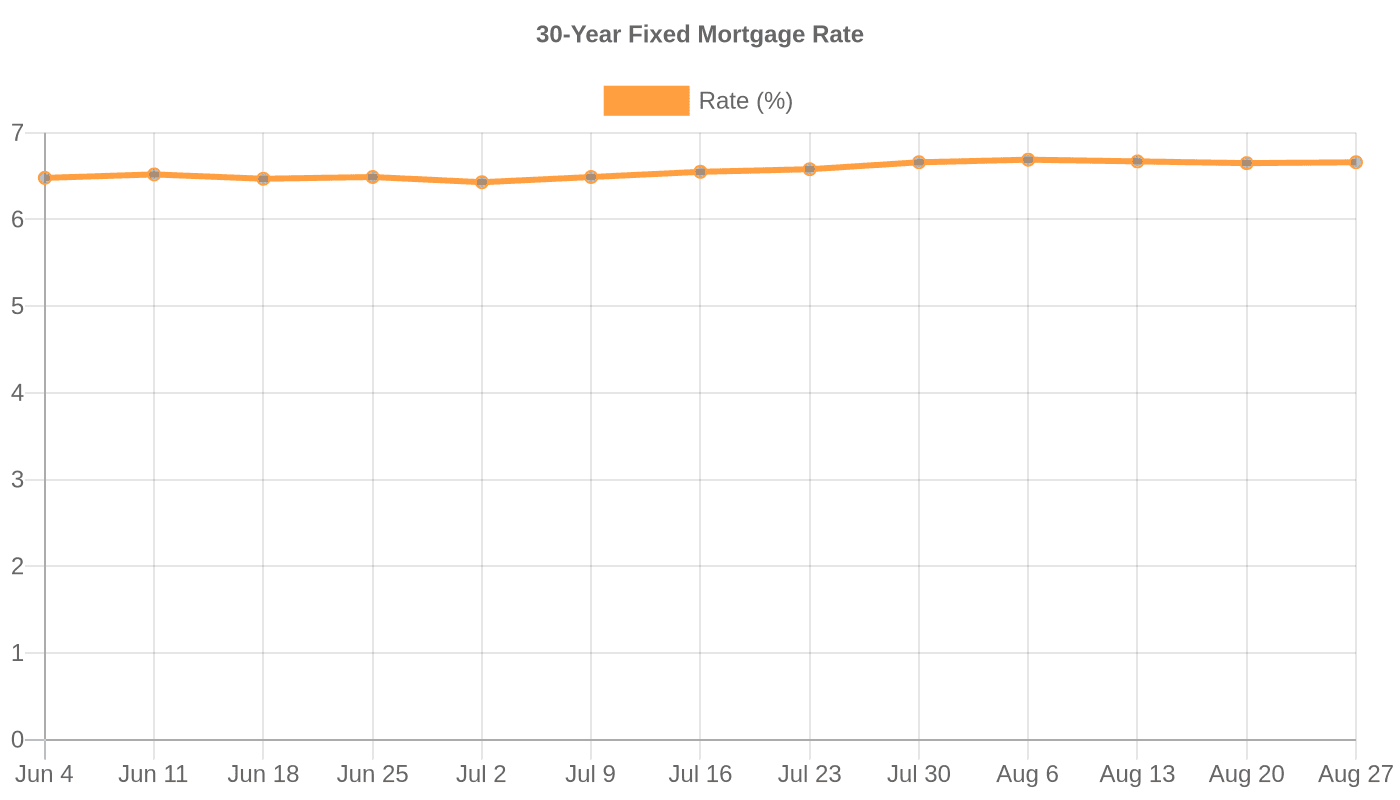
Mortgage rates affect buyer demand. As of August 2026, the 30-year fixed rate is 6.66%, up from 6.48% in June. Higher rates can cool the market, reducing ARV. Keep an eye on rates to time your deals.
Free vs. Paid Comps Tools
Free comps tools are great for getting started, but they have limitations. Paid tools like PropStream or ATTOM Data offer more accurate, real-time data and advanced features like comps reports and property history. If you're serious about wholesaling, consider upgrading once you've closed a few deals.
When to Upgrade
If you're doing 1-2 deals a month, free tools are fine. But if you're scaling, a paid tool pays for itself in time saved and better data. The Wholesale REI directory can help you compare paid options and read reviews.
The Bottom Line
A real estate comps calculator is essential for wholesalers who want to price deals accurately and fast. Start with a free tool like Zillow or Redfin to get a ballpark, then refine with your own comps analysis. Remember to adjust for condition and market trends, and always use recent data.
Your next step: compare the tools in the Wholesale REI directory to find one that fits your workflow. And if you want to practice your negotiation skills, try our free AI Cold Call Trainer to rehearse your pitch before you talk to a real seller.
Frequently Asked Questions
What is a real estate comps calculator?
A real estate comps calculator estimates a property's value by comparing it to similar recently sold properties, using data like sale price, square footage, and location.
How do wholesalers use comps to price deals?
Wholesalers use comps to determine after-repair value (ARV), then subtract repair costs and profit margin to calculate their maximum allowable offer (MAO).
Are free comps calculators accurate?
Free calculators like Zillow and Redfin provide estimates that are useful for ballpark figures, but they may not account for property condition. Always cross-check with your own comps analysis.
What is the best free comps calculator for wholesalers?
The best free tool depends on your market. Redfin and Realtor.com use MLS data and are often more accurate, while Zillow is a good starting point for quick estimates.
How many comps should I use?
Use at least 3-5 comparable sales within the last 3-6 months to get a reliable average and avoid skewed results.
How do market trends affect comps?
Market trends like median price, days on market, and mortgage rates influence buyer demand and property values. Recent comps are more accurate in changing markets.
Sources
- Software tools tracked in the Wholesale REI directory — Wholesale REI directory
- Tool categories in the Wholesale REI directory — Wholesale REI directory
- Median Sales Price of Houses Sold (as of 2026-04-01) — FRED (Federal Reserve Bank of St. Louis)
- 30-Year Fixed Mortgage Rate (as of 2026-08-27) — FRED (Federal Reserve Bank of St. Louis)
- Median Days on Market (as of 2026-07-01) — FRED (Federal Reserve Bank of St. Louis)
This article was researched and drafted with AI assistance, then reviewed and edited by Mark Anthony. Every statistic is sourced and cited. It's for informational purposes only and is not financial or legal advice. Read our editorial policy.