Real Estate Comps Near Me: How to Find Them


You need comps to know what a house is worth, but pulling them wrong can cost you a deal or leave money on the table. Here's how to find real estate comps near you that actually hold up when you're making an offer or estimating ARV.
Key Takeaways
- Comps are recently sold, similar homes near your subject property—not active listings or your own opinion.
- The best comps are within 0.25–0.5 miles, sold in the last 3–6 months, and similar in size, beds, baths, and condition.
- Use at least 3–5 comps for a reliable estimate; more is better when the market is shifting.
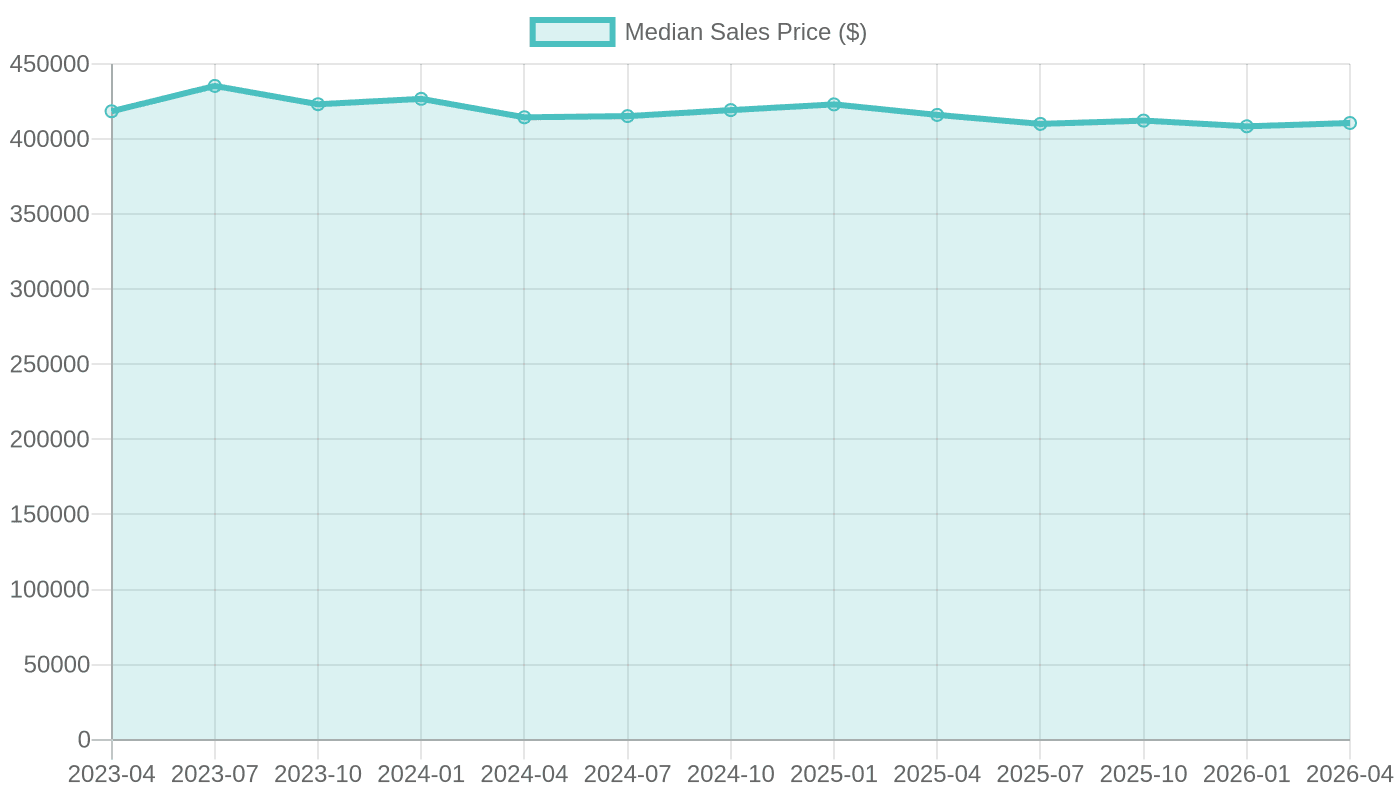
- National median home price is $410,700 (as of April 2026), but your comps should be hyper-local.
- Tools like PropStream and ATTOM Data can automate comp pulling and save you hours.
What Is a Real Estate Comp?
A real estate comp (comparable sale) is a recently sold property that is similar to your subject property in location, size, condition, and features. It's the foundation of any CMA (comparative market analysis) and the key to pricing a flip, determining ARV, or making a wholesale offer.
Comps are not active listings, pending sales, or asking prices. They are closed sales—actual transactions where a buyer and seller agreed on a price. That's why they're the most reliable indicator of what a buyer will pay today.
Why Finding Good Comps Matters for Wholesalers
Good comps protect your profit margin. If you overestimate ARV, you might pay too much and get stuck with a deal that won't sell. If you underestimate, you might lose the deal to another investor.
For wholesalers, comps are used in two critical places: the offer you make to the seller and the ARV you present to your buyer. Both need to be defensible with real data.
The Cost of Bad Comps
A single bad comp can swing your ARV by thousands of dollars. For example, if you use a comp that's 500 square feet larger or has a renovated kitchen, you might overpay by $10,000 or more. That's the difference between a profitable deal and a money-loser.
How to Find Real Estate Comps Near Me (Step-by-Step)
Finding comps is a systematic process. Here's a step-by-step method you can use for any property.
Step 1: Define Your Subject Property
Start with the basics: address, square footage, beds, baths, year built, lot size, and condition. Also note any unique features like a pool, garage, or finished basement. These will be your filters when searching for comps.
Step 2: Set Your Search Radius
The closer, the better. For most properties, a 0.25-mile radius is ideal in urban and suburban areas. In rural areas, you may need to expand to 1–2 miles because there are fewer sales.
If you can't find enough comps within 0.25 miles, gradually expand to 0.5 miles, then 1 mile. But always prioritize proximity over other factors.
Step 3: Filter for Recent Sales
Look for sales in the last 3–6 months. In a fast-moving market, older sales may not reflect current prices. In a slower market, you might need to go back 6–9 months to get enough data.
Step 4: Match Key Features
Filter for properties that are similar in:
- Square footage (within 10–15%)
- Bedrooms and bathrooms (same or within 1)
- Year built (within 10–20 years)
- Lot size (similar)
- Condition (comparable)
If you have to choose between a comp that's closer in distance but older, or one that's farther but newer, it's usually better to prioritize the closer one—location drives value more than age.
Step 5: Pull at Least 3–5 Comps
Use 3–5 comps minimum to get a reliable range. More comps give you a better picture, especially if the market is volatile. If you can't find 3, expand your radius or time frame.
Step 6: Adjust for Differences
No two homes are identical, so you'll need to adjust for differences. For example, if a comp has a pool and your subject doesn't, subtract the value of a pool (typically $10,000–$30,000 depending on the market). If your subject has a newer roof, add value.
Step 7: Calculate the Average or Median
Once you have your adjusted comp values, average them or take the median to get your estimated value. The median is more robust if you have outliers.
Where to Find Comps (Free and Paid Sources)
You can find comps from public records, real estate agents, or paid software. Here's a breakdown of your options.
Free Sources
- County assessor records: Public data on sales, often available online.
- MLS via agent: A real estate agent can pull comps for you, often free if you're a potential client.
- Zillow/Redfin: Useful for a quick look, but not always accurate—use as a starting point only.
Paid Sources for Wholesalers
| Tool | Cost | Best For |
|---|---|---|
| PropStream | $99/month | Nationwide comps, property data, skip tracing |
| ATTOM Data | Custom pricing | Bulk data, API access, professional use |
| GoHighLevel | $97+/month | CRM + marketing, not a comp tool |
| CallTools | Custom | Call tracking, not comps |
| Launch Control | Custom | Marketing automation, not comps |
| Televista | Custom | Lead generation, not comps |
As you can see, only PropStream and ATTOM Data are true comp tools. The others are for marketing and CRM, but you can integrate them with comp data.
How to Use Comps to Estimate ARV (After Repair Value)
ARV is the price a renovated property will sell for. To estimate it, you use comps of similar renovated homes, not distressed ones.
Step 1: Find Renovated Comps
Look for homes that have been updated recently and sold within the last 3–6 months. These are your best indicators of what your flipped property will bring.
Step 2: Adjust for Condition
If your comps are in better condition than your subject will be after renovation, adjust down. If they're in worse condition, adjust up. Be conservative.
Step 3: Use the 70% Rule
A common wholesaling rule is to pay no more than 70% of ARV minus repair costs. For example, if ARV is $300,000 and repairs are $50,000, your max offer is $160,000 (0.7 × $300,000 – $50,000).
Common Mistakes When Pulling Comps (and How to Avoid Them)
Avoid these pitfalls to keep your comps accurate.
Using Active Listings as Comps
Active listings are asking prices, not sales. They can be inflated. Always use closed sales.
Ignoring Market Trends
If home prices are falling, using older comps can overvalue your property. Check the median sales price trend in your area.
Not Adjusting for Square Footage
A 2,000 sq ft comp vs. a 1,800 sq ft subject needs adjustment. Use a per-square-foot value to adjust.
Overlooking Days on Market
Homes that sit longer may sell for less. Check the median days on market in your area to gauge demand.
How Market Conditions Affect Your Comps
Market conditions change how you interpret comps. Here's what the national data shows.
Median Sales Price Trends
The median sales price of houses sold in the U.S. has been fluctuating. As of April 2026, it's $410,700. Over the past three years, it peaked at $435,400 in July 2023 and dipped to $408,500 in January 2026.
Mortgage Rates and Buyer Demand
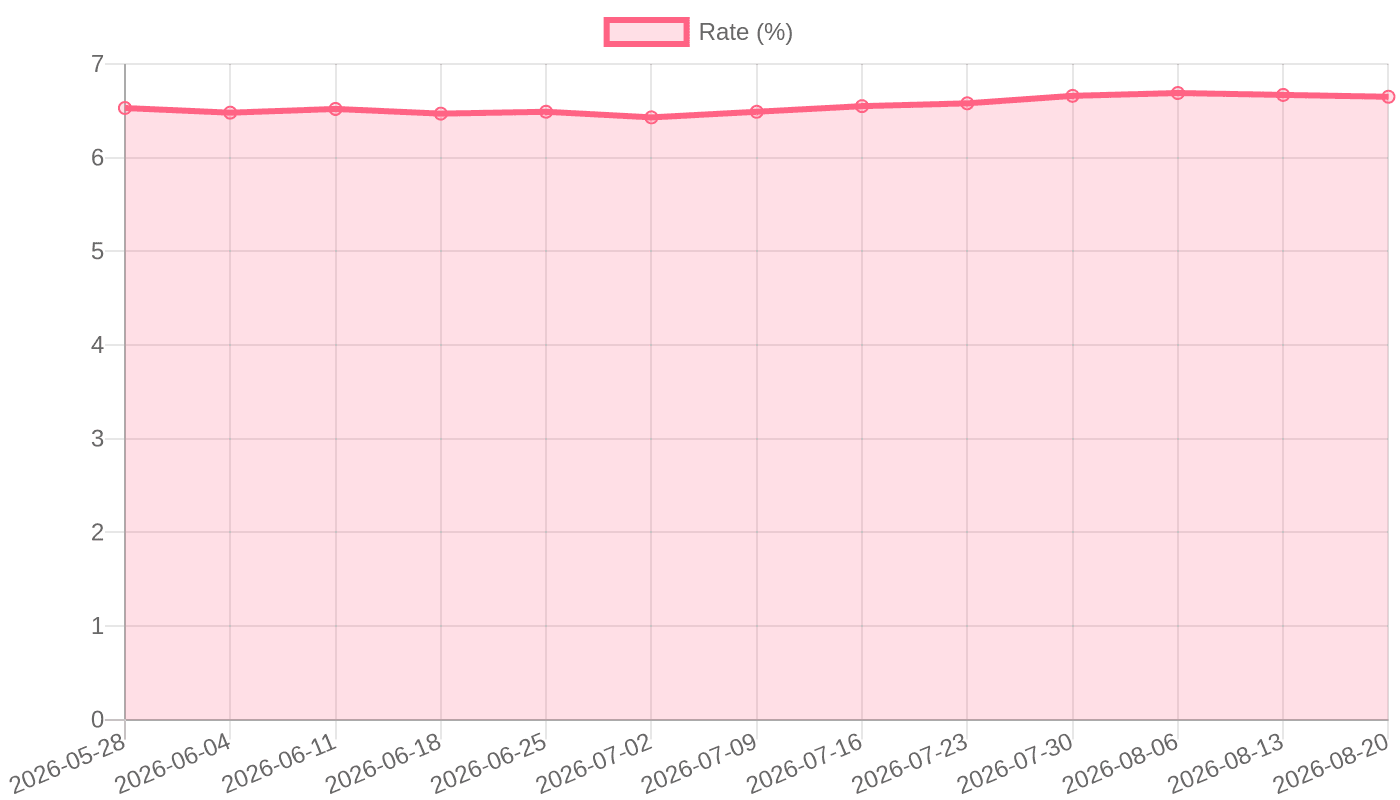
The 30-year fixed mortgage rate is currently 6.65% (as of August 2026). Higher rates reduce buyer purchasing power, which can slow price growth. Keep an eye on rates because they affect how many buyers can afford your flip.
Days on Market
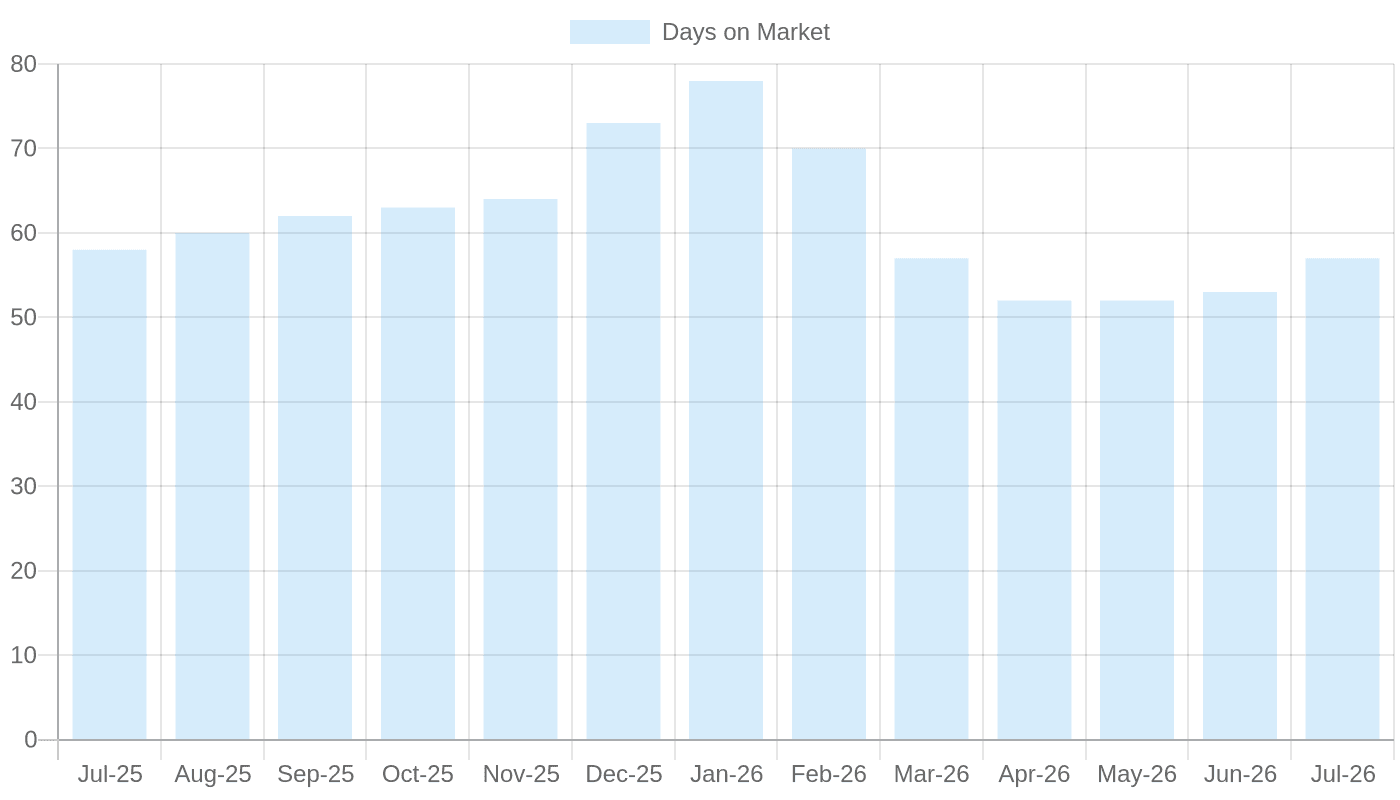
Nationally, the median days on market is 57 days (as of July 2026). If your area is higher, you may need to price more aggressively or expect a longer hold.
Tools to Automate Your Comp Research
Pulling comps manually is time-consuming. Here are the best tools to speed it up.
PropStream
PropStream is a favorite among wholesalers. It gives you access to nationwide property data, including comps, ownership, and liens. You can pull comps in minutes and even run comp reports for your buyers.
ATTOM Data
ATTOM Data offers robust property data and analytics, including comps. It's more geared toward professionals who need bulk data or API access.
Other Tools in the Directory
If you're looking for a full stack, check out GoHighLevel for CRM and marketing, CallTools for call tracking, and Launch Control for automation. While they don't pull comps, they help you manage your leads and deals.
How to Present Comps to Sellers and Buyers
When you present comps to a seller, you want to justify your offer. Show them the closed sales, explain the adjustments, and be respectful. For buyers, present the ARV with comps that support it.
For Sellers
- Show 3–5 comps that are similar to their home.
- Explain that you're using closed sales, not listings.
- Highlight any repairs needed and how they affect value.
For Buyers
- Provide a comp report with photos and details.
- Show the ARV and your repair estimate.
- Be ready to defend your numbers.
The Bottom Line
Finding real estate comps near you is a skill you can master with practice. Use recent, similar, closed sales within a tight radius, adjust for differences, and always keep market trends in mind. Start by pulling comps for a few properties using free sources, then consider investing in a tool like PropStream to save time. And if you want to practice your pitch to sellers, try our free AI Cold Call Trainer to rehearse your comp presentation before you make the call.
Frequently Asked Questions
What is a real estate comp?
A real estate comp is a recently sold property similar to your subject property in location, size, condition, and features. It's used to estimate market value.
How many comps should I pull?
You should pull at least 3–5 comps to get a reliable estimate. More comps give you a better picture, especially in volatile markets.
How far back should comps be?
Ideally, use sales from the last 3–6 months. In slower markets, you may need to go back 6–9 months to find enough data.
What is the 70% rule in wholesaling?
The 70% rule says you should pay no more than 70% of the ARV minus repair costs. For example, if ARV is $300,000 and repairs are $50,000, your max offer is $160,000.
What tools can help me find comps?
PropStream and ATTOM Data are popular tools for pulling comps. Free sources include county assessor records and real estate agents.
Sources
- Median Sales Price of Houses Sold (April 2026) — FRED (Federal Reserve Bank of St. Louis)
- 30-Year Fixed Mortgage Rate (August 2026) — FRED (Federal Reserve Bank of St. Louis)
- Median Days on Market (July 2026) — FRED (Federal Reserve Bank of St. Louis)
- Software tools tracked in the Wholesale REI directory — Wholesale REI directory
- Tool categories in the Wholesale REI directory — Wholesale REI directory
This article was researched and drafted with AI assistance, then reviewed and edited by Mark Anthony. Every statistic is sourced and cited. It's for informational purposes only and is not financial or legal advice. Read our editorial policy.