How to Find Real Estate Comps in Your Neighborhood (The Right Way)


Your offer is only as good as your comps. Pull the wrong three sales and you'll either leave money on the table or scare off a seller with a number that makes no sense.
Key Takeaways
- Real estate comps are recent, nearby sales of homes that closely match your subject property in size, condition, and features.
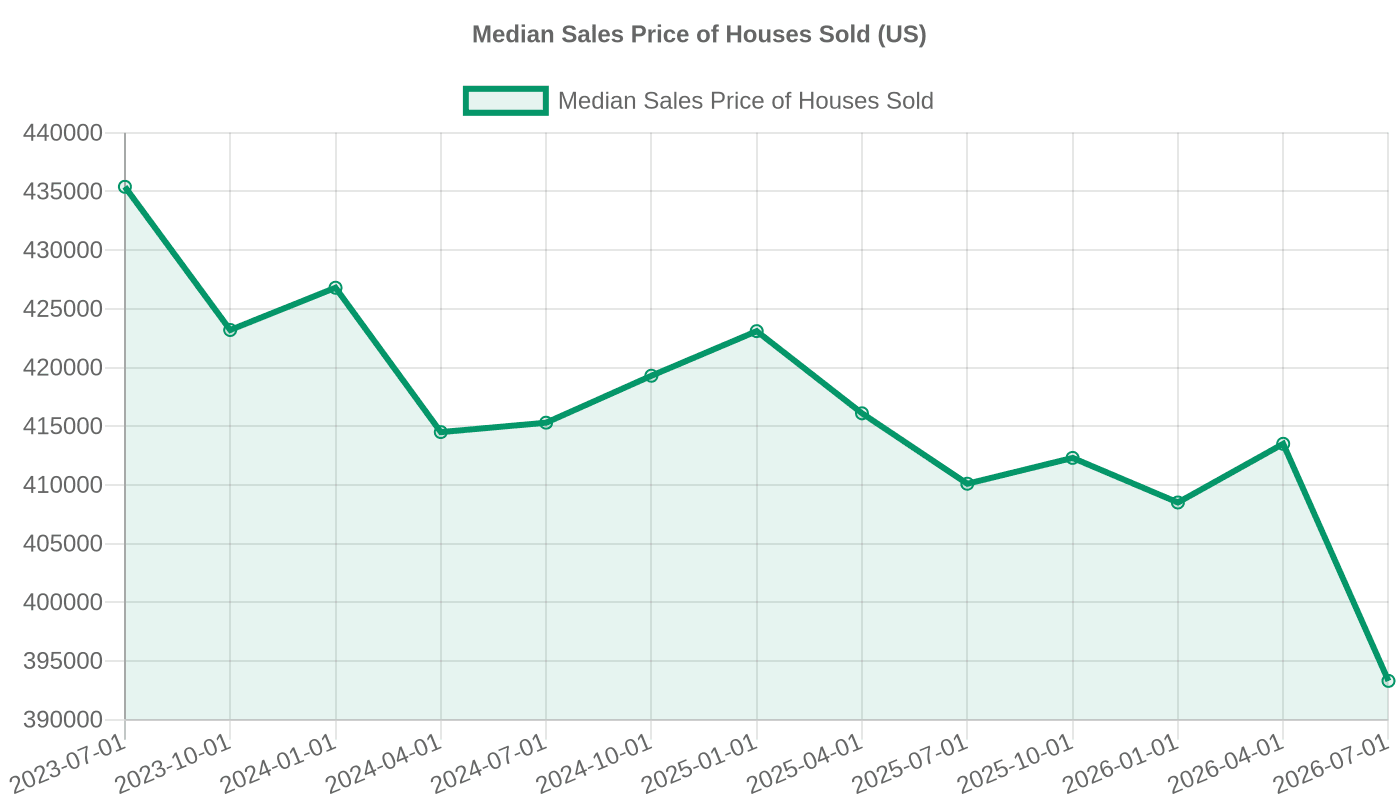
- The national median sales price of houses sold sits at $393,300 as of 2026-07-01 — a useful anchor, but your neighborhood will tell a different story.
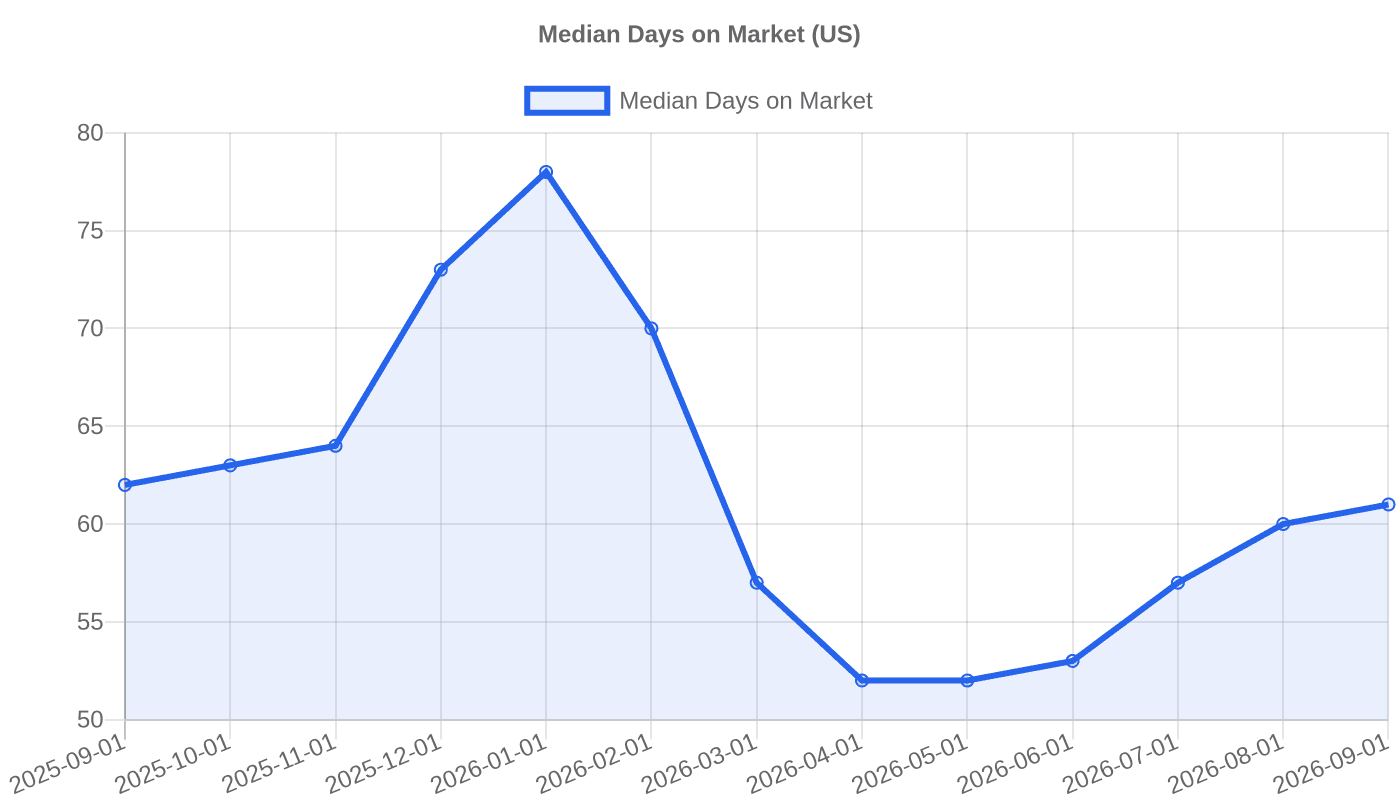
- Homes are taking longer to sell: the national median days on market was 61 as of 2026-09-01, so recency windows need to stretch a little.
- With the 30-year fixed rate at 7.24% as of 2026-10-29, buyer purchasing power is tighter — and that shows up in your comp values.
- The Wholesale REI directory tracks 65 software tools across 9 categories, several of which pull comps and property data for you.
What are real estate comps?
Real estate comps are recent sales of properties that are similar to the one you're evaluating, located close by, and sold under normal market conditions. You use them to estimate what a property is worth today.
"Similar" is doing a lot of work in that sentence. It means comparable in square footage, bedroom and bathroom count, lot size, age, condition, and style. A 1,400-square-foot ranch is not a comp for a 2,600-square-foot two-story, even if they're on the same street.
Why comps matter more for wholesalers than for agents
Agents use comps to price a listing. You use them to decide whether a deal is worth pursuing at all.
Your comps drive three numbers at once: your after-repair value (ARV), your maximum allowable offer, and your exit strategy. Get them wrong and the whole deal falls apart — sometimes after you've already put it under contract.
The three rules every comp has to pass
Before a sale counts as a comp, it should pass three tests:
- Proximity. It's in the same neighborhood or a genuinely similar one nearby.
- Recency. It sold recently enough to reflect today's market.
- Similarity. It matches your subject property on the features buyers actually pay for.
If a sale fails one of these, it's not a comp. It's a data point.
How do you find real estate comps in your neighborhood?
You find comps by pulling recent nearby sales from the MLS, public records, or a property data tool, then filtering down to the handful that truly match your subject property. The filtering is where most people get lazy — and where deals get priced wrong.
Here's the process, step by step.
Step 1: Define your subject property precisely
Write down the facts before you look at a single sale: square footage, beds, baths, lot size, year built, garage, and condition. Note anything unusual — a corner lot, a busy street, a recent renovation.
You can't judge similarity if you haven't defined the baseline.
Step 2: Set your search radius
Start tight. Look at sales within a half mile in a dense suburban area, or within a few miles in a rural one. Neighborhood boundaries matter more than raw distance — a highway or a school district line can split two very different price tiers.
Step 3: Set your recency window
In a normal market, three to six months is a reasonable window. When homes are sitting longer, you may need to stretch it.
The national median days on market was 61 as of 2026-09-01, up from a low of 52 in April and May of 2026. That's a market where a six-month window makes more sense than a 60-day one.
Step 4: Filter hard on similarity
Now cut the list down. A practical filter set:
- Square footage within roughly 20% of your subject
- Same bed and bath count, or off by one
- Similar lot size and age
- Same property type (don't comp a condo against a single-family home)
- Similar condition — a gut rehab is not a comp for a dated but livable house
Step 5: Adjust for the differences that remain
No comp is perfect, so you adjust. If your subject has an extra bathroom and the comp doesn't, the comp's value goes up to reflect what your property offers. If the comp has a finished basement and yours doesn't, it goes down.
Keep adjustments modest and defensible. Big adjustments mean you picked the wrong comp.
Step 6: Weight your comps and land on a range
Don't average everything blindly. Give the most weight to the sales that are closest, most recent, and most similar. Then produce a range, not a single number.
A range protects you. It tells you where the market probably is and how much uncertainty you're carrying into your offer.
Where can you find comp data for free?
You can find free comp data through county property records, public tax assessor sites, and agent-facing tools that share sold data. None of them are perfect on their own, so cross-check.
Here's what each source gives you:
- County recorder and assessor sites. Sale prices and dates from recorded deeds. Free, official, but often slow to update and light on property details.
- Public tax records. Square footage, beds, baths, and lot size. Good for verifying facts, not for pricing.
- MLS access. The gold standard for sold data, but usually requires a license or a relationship with an agent.
- Property data platforms. Paid tools that combine public records, sales history, and estimates in one place.
The cross-check habit that saves you from bad comps
Pull the same sale from two sources. If the price or the square footage disagrees, dig in before you trust either one.
Public records get updated, re-recorded, and corrected. A sale that looks like a bargain sometimes turns out to be a quitclaim deed between family members — not an arm's-length sale at all.
What makes a sale a bad comp?
A sale is a bad comp when it wasn't a normal market transaction or when the property is meaningfully different from yours. Those sales will drag your ARV in the wrong direction.
Watch for these red flags:
- Foreclosures and short sales, which often sell below market.
- Family transfers and quitclaim deeds, which may not reflect real value.
- Distressed or gut-renovated properties, which sit at the extremes.
- New construction, which carries a builder premium.
- Sales that are too old, especially in a shifting rate environment.
Why the rate environment changes your comp values
Buyers shop on monthly payment, not just sticker price. When rates move, purchasing power moves with them.
The 30-year fixed mortgage rate was 7.24% as of 2026-10-29, after climbing from 6.65% in late August 2026. That's a meaningful jump in a matter of weeks.
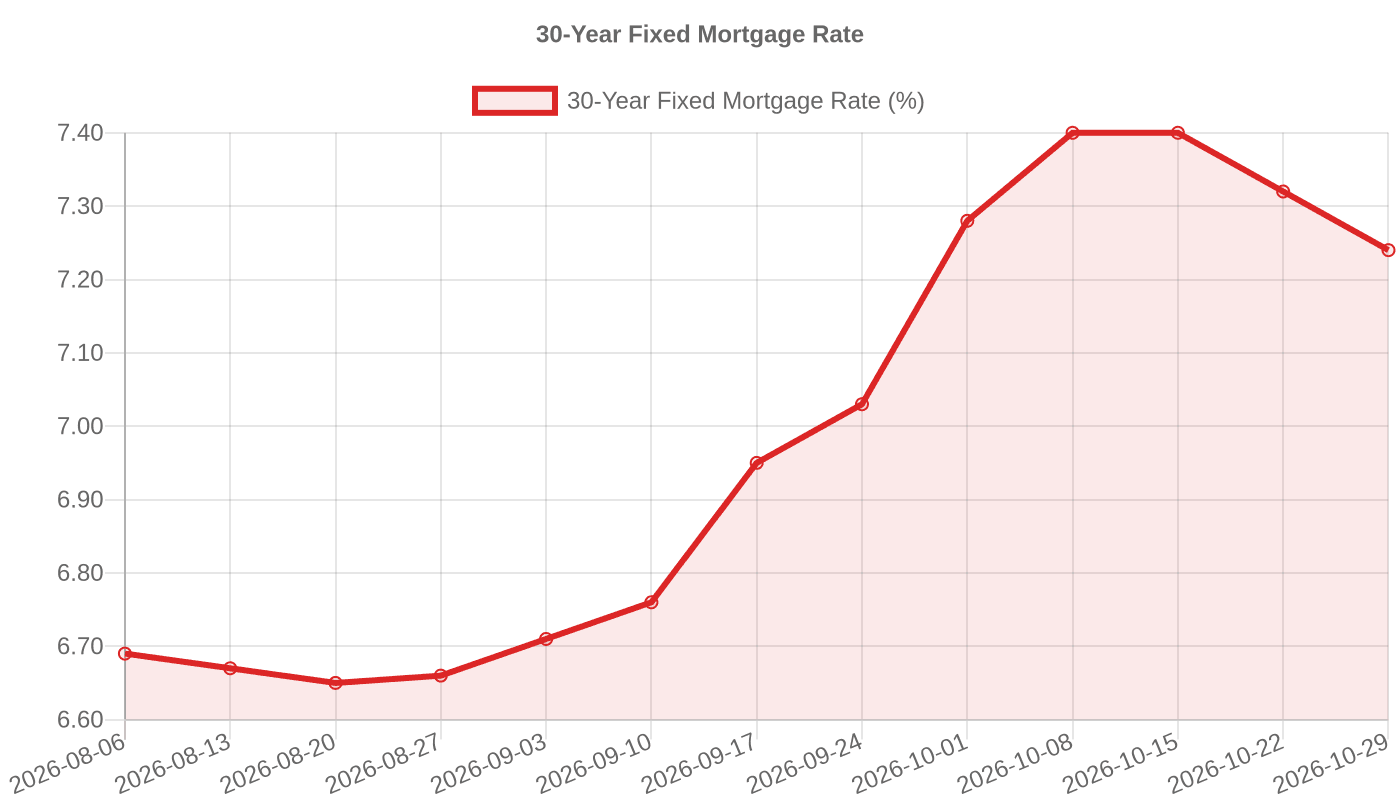
When rates rise that fast, buyer demand softens and prices often follow with a lag. That's why a sale from six months ago may overstate what your property is worth today.
How do you adjust comps for market conditions?
You adjust comps for market conditions by comparing the sale date to today and applying a market trend, not a guess. The goal is to translate an old sale into today's dollars.
Start with the national picture. The median sales price of houses sold was $393,300 as of 2026-07-01, down from $435,400 in 2023-07-01. Prices have been drifting lower, not higher.
Pull the trend down to your zip code
National numbers set context. Your neighborhood sets the price.
Pull median sale prices for your specific area over the same period. If your neighborhood is falling faster or slower than the national trend, use your local number. Then apply that percentage to older comps to bring them forward.
Build a simple adjustment table
Here's how a working adjustment sheet looks in practice:
| Comp | Sale Price | Sold | Adjustment | Adjusted Value |
|---|---|---|---|---|
| Comp 1 (closest match) | $310,000 | 2 months ago | +1% market | $313,100 |
| Comp 2 (one fewer bath) | $295,000 | 4 months ago | +2% market, +$8,000 bath | $308,900 |
| Comp 3 (dated kitchen) | $280,000 | 5 months ago | +3% market, +$12,000 condition | $300,400 |
Your adjusted values cluster around $300,000 to $313,000. That's your ARV range. Now you can build an offer with confidence instead of hope.
Which tools help you find comps faster?
The fastest way to find comps is a property data platform that combines public records, sales history, and neighborhood trends in one dashboard. That's where the Wholesale REI directory earns its keep.
The directory tracks 65 software tools across 9 categories, and several of them are built specifically for property research and comp analysis.
What to look for in a comp tool
Not every tool is worth your money. Check for these features:
- Sold data with sale dates and prices
- Square footage, beds, baths, and lot size on each record
- Map-based search with radius and boundary filters
- Comparable-sale suggestions you can edit
- Export to a spreadsheet or your CRM
Where comp tools fit in your workflow
Comps aren't a one-time task. They feed your lead list, your offers, and your follow-up.
Many wholesalers run comps inside a property data tool, then push the numbers into their CRM so the deal record stays current. That's why tools like GoHighLevel and Launch Control show up alongside data platforms in the same stack — the comp is the input, the follow-up is the output.
How do you use comps to make a wholesale offer?
You use comps to set your ARV, then work backward to a maximum offer that leaves room for repairs and profit. The comp is the ceiling; your offer is what's left after everyone gets paid.
A simple formula:
- Start with your adjusted ARV range.
- Subtract estimated repair costs.
- Subtract your desired assignment fee or profit margin.
- Subtract closing and holding costs.
- What's left is your maximum allowable offer.
A quick example
Say your adjusted ARV range is $300,000 to $313,000. You use the conservative end: $300,000.
Repairs come in at $40,000. You want a $20,000 assignment fee, and closing costs run about $6,000. That leaves a maximum offer of roughly $234,000.
Notice what happened: using the low end of the range instead of the high end gave you $13,000 of cushion. That cushion is what keeps a deal alive when the inspection turns up a surprise.
Why conservative comps win more deals
A slightly conservative ARV protects you in two ways. It keeps your offer defensible when a seller pushes back, and it keeps your end buyer interested when you assign the contract.
Buyers walk away from deals priced on optimistic comps. They don't walk away from deals with room to breathe.
What mistakes should you avoid when pulling comps?
Most comp mistakes come from laziness, not bad data. The data is usually fine — the filtering isn't.
Here are the ones that cost wholesalers the most:
- Using the three closest sales instead of the three best matches. Distance is not similarity.
- Ignoring condition. A renovated house and a dated one are not the same product.
- Skipping the adjustment step. Unadjusted comps give you a false sense of precision.
- Trusting one source. Cross-check every sale that drives your offer.
- Forgetting the market trend. A six-month-old sale in a rising-rate market is stale.
- Rounding up your ARV to make the deal work. The deal works or it doesn't — the comp doesn't care.
The one habit that fixes most of these
Write your comp criteria down before you search. Then hold yourself to them.
When you define your filters first, you can't quietly loosen them because you want the deal to pencil. That single habit will save you more money than any software subscription.
The Bottom Line
Finding real estate comps in your neighborhood is a filtering job, not a searching job. Define your subject property, set a tight radius and a realistic recency window, adjust for differences, and land on a range instead of a single number.
Your next step: browse the property data and CRM tools in the Wholesale REI directory, compare a few side by side, and run your next three deals through the same comp process. Consistency is what turns comps into confidence.
Frequently Asked Questions
How many comps do I need to price a wholesale deal?
Aim for three to five strong comps that pass the proximity, recency, and similarity tests. Fewer than three and you can't spot a trend; more than five and you're usually padding the list with weaker matches.
How far back should real estate comps go?
Three to six months is standard, but stretch the window when homes are sitting longer. The national median days on market was 61 as of 2026-09-01, so a six-month window is often more realistic than a 60-day one.
Can I find comps for free without an MLS license?
Yes. County recorder and assessor sites publish recorded sale prices and dates, and public tax records give you square footage and bed/bath counts. Cross-check each sale against a second source before you trust it.
Why do rising mortgage rates affect my comps?
Buyers shop on monthly payment, so higher rates reduce purchasing power and soften demand. With the 30-year fixed rate at 7.24% as of 2026-10-29, older sales may overstate what your property is worth today.
What is the difference between a comp and an ARV?
Comps are the individual recent sales you collect. Your ARV is the value estimate you derive after adjusting those comps for differences and market trends. Comps are the evidence; ARV is the conclusion.
Should I use the highest or lowest comp for my offer?
Use the conservative end of your adjusted range. Pricing off the low end leaves cushion for repair surprises and keeps your assignment attractive to an end buyer.
Sources
- Median Sales Price of Houses Sold (as of 2026-07-01) — FRED (Federal Reserve Bank of St. Louis)
- 30-Year Fixed Mortgage Rate (as of 2026-10-29) — FRED (Federal Reserve Bank of St. Louis)
- Median Days on Market (as of 2026-09-01) — FRED (Federal Reserve Bank of St. Louis)
- Software tools tracked in the Wholesale REI directory — Wholesale REI directory
- Tool categories in the Wholesale REI directory — Wholesale REI directory
This article was researched and drafted with AI assistance, then reviewed and edited by Mark Anthony. Every statistic is sourced and cited. It's for informational purposes only and is not financial or legal advice. Read our editorial policy.