Real Estate Comps by Zip Code: How to Get Accurate Comps in Your Area


You found a house, ran the numbers, and then hit the wall every wholesaler hits: what is this thing actually worth? Pull comps by zip code the wrong way and you either lowball the seller or hand your cash buyer a deal that won't appraise.
Key Takeaways
- Comps by zip code are the fastest starting filter, but zip codes are too broad on their own — you still need to narrow by beds, baths, square footage, and sale date.
- The national median sales price of houses sold was $410,700 as of April 2026, so your zip-level comps need to be checked against that anchor.
- Median days on market sat at 60 as of August 2026, which tells you how fresh your comps need to be to stay credible.
- The 30-year fixed mortgage rate hit 7.28% as of October 2026 — higher rates mean buyers are pickier, so your comps have to be tight.
- The Wholesale REI directory tracks 65 tools across 9 categories, and a handful of them do zip-level comp pulls for you automatically.
What Are Real Estate Comps by Zip Code?
Real estate comps by zip code are recently sold properties in the same zip code as your subject property that share similar size, condition, and features — they're the benchmark you use to estimate market value. A "comp" is short for comparable sale, and the zip code is simply your first geographic filter.
Here's the catch. A zip code can cover a few blocks or several square miles. It can straddle a highway, a school district line, or a flood zone. So the zip code gets you in the neighborhood — it doesn't finish the job.
When you pull comps by zip code, you're really doing two things:
- Narrowing the universe of sales down to your immediate market.
- Setting a price ceiling and floor so you know what a cash buyer will pay.
Get this right and your offers get sharper. Get it wrong and you'll sit on a contract nobody wants.
Why Do Zip Code Comps Matter So Much for Wholesalers?
Zip code comps matter because they set your after repair value (ARV), and your ARV drives your entire offer. If your ARV is off by 10%, your offer is off by 10% — and that's the difference between a deal that assigns and one that dies in your pipeline.
Think about the math. You buy at 70% of ARV minus repairs. If the real ARV is $300,000 and you priced it at $330,000, you just overpaid by $30,000 on paper. Your cash buyer sees that instantly and walks.
The National Backdrop You're Pricing Against
The national median sales price of houses sold was $410,700 as of April 2026. That's your sanity check. If your zip code comps come in wildly above or below that, you'd better know exactly why.
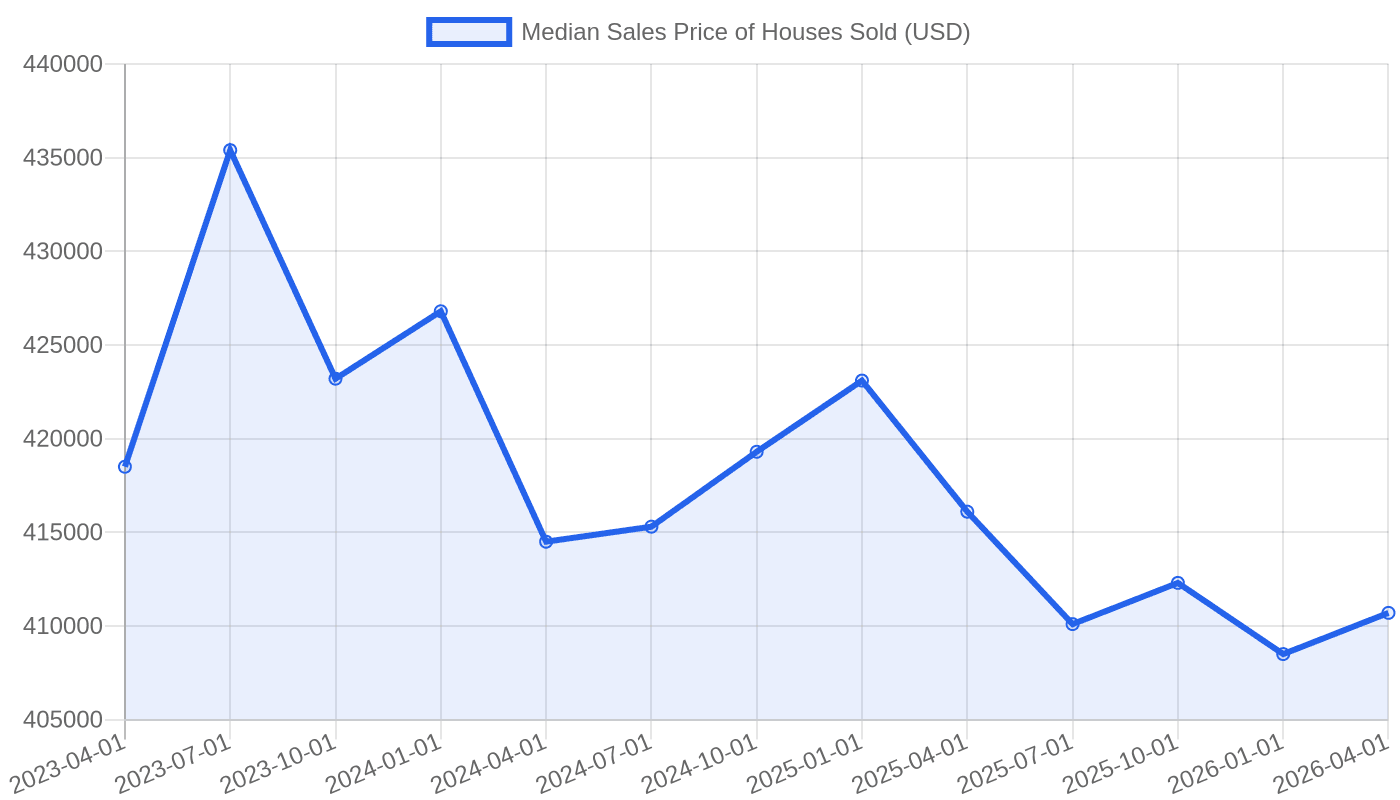
That line shows the national median drifting from $418,500 in April 2023 down to $410,700 in April 2026 — a slow, choppy flattening rather than a crash. Translation for you: prices aren't running away, so sloppy comps won't get rescued by a hot market.
Speed Matters More Than Ever
Median days on market was 60 as of August 2026. That's the national figure, and it tells you buyers are taking their time. When homes sit for two months, your comps need to be recent — a six-month-old sale in a slow market is basically ancient history.
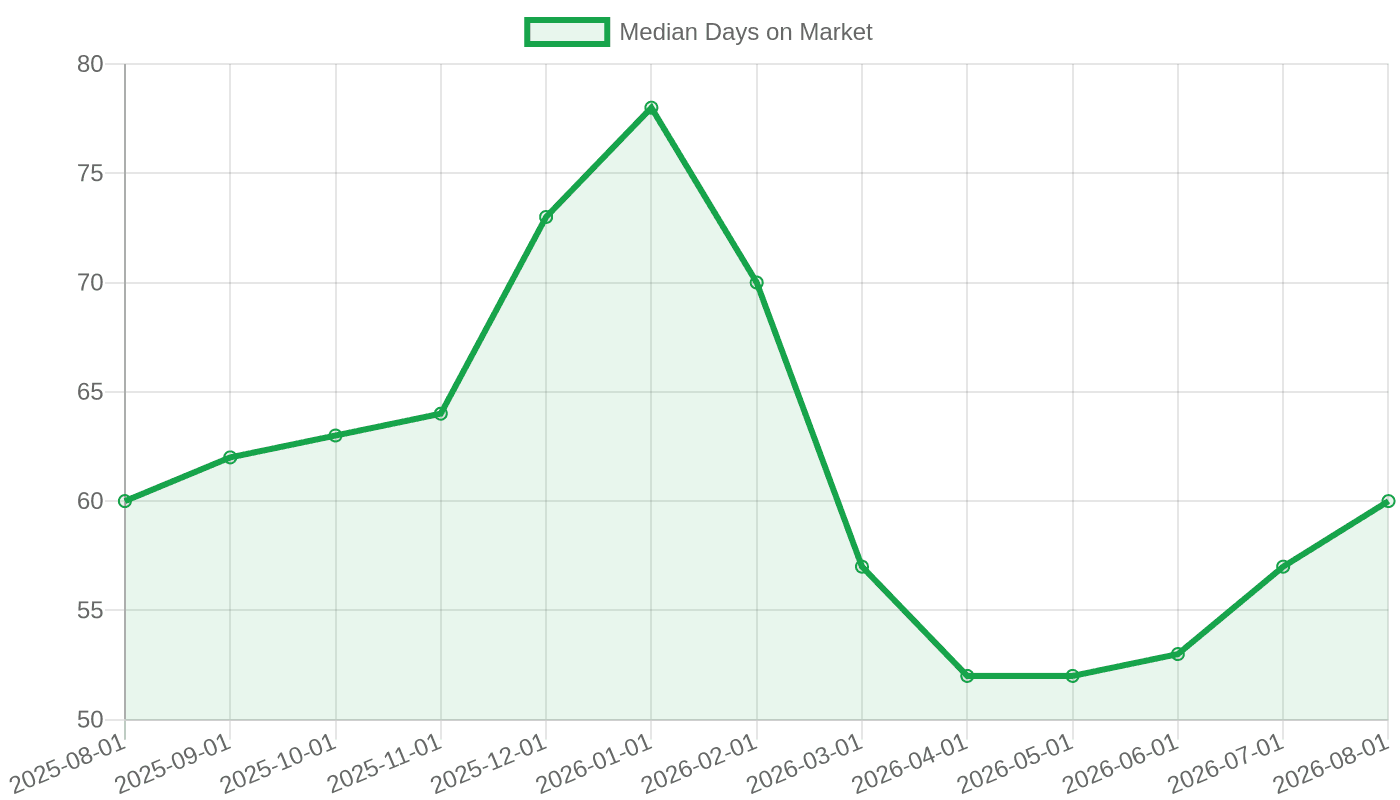
Notice the swing: days on market ran from 52 in April 2026 up to 60 by August 2026, after peaking at 78 in January 2026. That seasonality is real, and it's why you should always date-stamp your comps.
Financing Costs Change What Buyers Will Pay
The 30-year fixed mortgage rate reached 7.28% as of October 2026. When money costs that much, buyers negotiate harder and appraisals get tighter. Your comps need to reflect what's actually closing, not what sellers are hoping for.
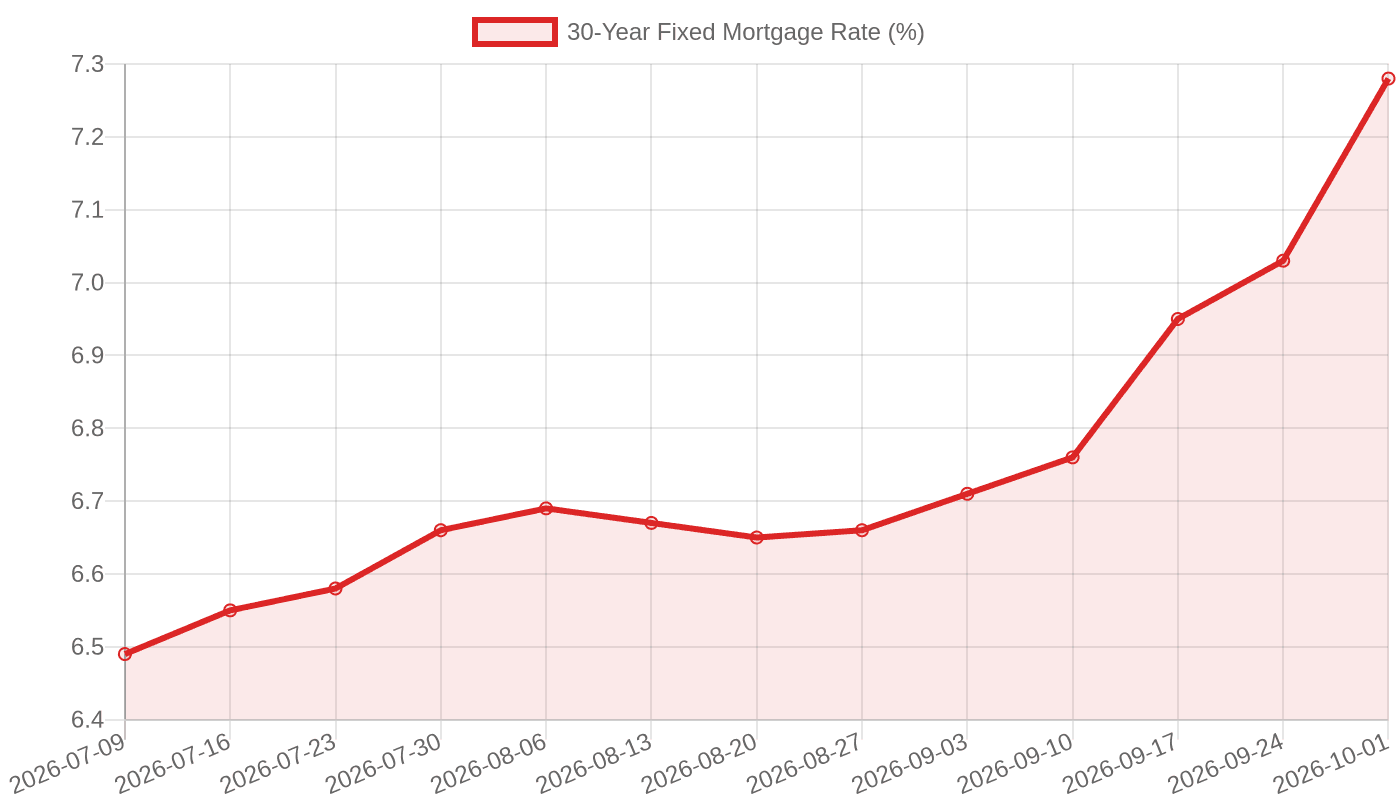
That climb from 6.49% in July 2026 to 7.28% in October 2026 is a fast move. Rate jumps like that cool buyer demand within weeks, so pull your comps fresh before you make an offer.
How Do You Get Real Estate Comps in My Area by Zip Code?
You get comps by zip code by pulling recent sold data from a property data tool, MLS access, or county records, then filtering down to the closest matches. Here's the exact sequence that works.
Step 1: Start With the Zip Code
Enter the subject property's zip code into your data tool. This gives you every recorded sale in that zip.
Don't stop here. This is your starting pile, not your answer.
Step 2: Set a Tight Date Window
Pull sales from the last 3 to 6 months. In a market where median days on market is running around 60, anything older than six months is a different market.
If you can't find enough comps in six months, widen to twelve — but flag those older sales as weaker support.
Step 3: Match the Basics
Filter for properties that match your subject on:
- Square footage — within about 10% to 15%
- Bedrooms and bathrooms — same count, or one off
- Property type — single-family to single-family, not condo to house
- Year built — within a decade if possible
Step 4: Shrink the Geography
Zip code is step one. Now zoom in. Ideally your comps sit within half a mile to a mile of the subject.
If you have to go beyond a mile, stay inside the same subdivision, school zone, or side of the highway. Those boundaries move price more than the zip line does.
Step 5: Adjust for Condition and Upgrades
A renovated house and a dated house in the same zip are not comps. Adjust:
- Add value for updated kitchens, new roofs, and renovated baths
- Subtract value for deferred maintenance, old systems, and dated finishes
- Note pools, garages, lot size, and views
Step 6: Check the Numbers Against the National Anchor
Compare your zip-level ARV to the national median of $410,700 as of April 2026. If your number is far off, dig into why before you trust it.
Step 7: Sanity-Check With a Local Agent
Call an agent who works that zip every week. Ask what's actually closing and what's sitting. Their answer beats any algorithm.
What Makes a Good Comp? (Comparison Table)
A good comp matches your subject property on location, size, age, condition, and sale date — and it closed recently in an arm's-length transaction. Here's how to grade the comps you pull.
| Comp Factor | Strong Comp | Weak Comp |
|---|---|---|
| Distance from subject | Same block or subdivision | Same zip, different neighborhood |
| Sale date | Last 3 months | 9–12+ months ago |
| Square footage | Within 10% | Off by 20%+ |
| Beds / baths | Exact match | One or more off |
| Condition | Similar updates | Renovated vs. dated |
| Transaction type | Arm's-length sale | Foreclosure, family transfer |
Use three to five strong comps. Two great comps beat six mediocre ones every time.
Which Tools Pull Comps by Zip Code?
Property data platforms pull comps by zip code for you, and the Wholesale REI directory tracks 65 tools across 9 categories so you can compare them side by side. The right pick depends on whether you want raw data, marketing automation, or dialing built in.
Here's what to look for in a comp tool:
- Sold data coverage in your target zips
- Filter depth — beds, baths, sq ft, year built, sale date
- ARV estimates you can adjust
- Export options so you can share comps with cash buyers
- Integration with your CRM and dialer
Matching the Tool to the Job
Some tools are built for data. Others handle follow-up. Most wholesalers end up with two or three working together — one for comps, one for outreach, one for closing.
Don't buy five tools on day one. Start with the one that solves your comp problem, then add as your pipeline grows.
Common Mistakes When Pulling Comps by Zip Code
Most bad comps come from three mistakes: using listings instead of solds, ignoring condition, and stretching the geography too far. Fix those and your ARV gets dramatically more accurate.
Watch out for these:
- Using active listings as comps. Listings are asking prices, not sales. They're aspirational.
- Ignoring sale date. A sale from 14 months ago in a shifting market is misleading.
- Crossing major boundaries. Highways, school lines, and flood zones split value fast.
- Skipping condition adjustments. A flip and a fixer are not the same house.
- Trusting one comp. One sale is an anecdote. Three to five is a market.
- Forgetting closing costs and holding time. Your cash buyer factors those in, so you should too.
How Do You Verify Comps Before You Make an Offer?
You verify comps by cross-checking at least two data sources, confirming the sale was arm's-length, and walking the comp properties when you can. Verification is what separates a confident offer from a guess.
Cross-Check Two Sources
Pull the same zip code in two different tools. If the sold prices disagree, dig into county records for the truth.
Confirm the Transaction Type
Foreclosures, family transfers, and distressed sales aren't valid comps. Filter them out.
Drive the Comps
Photos lie. A quick drive through the comp neighborhood tells you about traffic, upkeep, and noise — things no data field captures.
Recheck Before You Close
Markets move. With the 30-year fixed at 7.28% as of October 2026, buyer behavior can shift in weeks. Re-pull your comps right before you finalize terms.
The Bottom Line
Comps by zip code are your starting filter, not your final answer — narrow by date, size, condition, and distance, then sanity-check against the national median of $410,700 and the market's 60 median days on market. Do that and your ARV holds up when a cash buyer kicks the tires. Your next step: browse the comp and data tools in the directory and compare two or three side by side before you pick one.
Frequently Asked Questions
How many comps should I pull by zip code?
Aim for three to five strong comps. Two excellent matches beat six mediocre ones, because every weak comp drags your ARV toward a number a cash buyer won't accept.
How recent do comps need to be?
Pull sales from the last three to six months. With median days on market running around 60 nationally, anything older than six months reflects a different buyer pool.
Can I use active listings as comps?
No. Listings show asking prices, not what buyers actually paid. Use closed, arm's-length sales only, and filter out foreclosures and family transfers.
What if there aren't enough comps in my zip code?
Widen your date window to twelve months first, then expand slightly beyond the zip line — but stay inside the same subdivision, school zone, or side of a major road.
How do I check my ARV against the national market?
Compare your zip-level ARV to the national median sales price of houses sold, which was $410,700 as of April 2026. If your number is far off, find out why before you trust it.
Do I need paid software to pull comps by zip code?
Not always, but paid property data tools save hours and give you better filters. The directory tracks 65 tools across 9 categories so you can compare options before you buy.
Sources
- Software tools tracked in the Wholesale REI directory — Wholesale REI directory
- Tool categories in the Wholesale REI directory — Wholesale REI directory
- Median Sales Price of Houses Sold (as of 2026-04-01) — FRED (Federal Reserve Bank of St. Louis)
- Median Days on Market (as of 2026-08-01) — FRED (Federal Reserve Bank of St. Louis)
- 30-Year Fixed Mortgage Rate (as of 2026-10-01) — FRED (Federal Reserve Bank of St. Louis)
This article was researched and drafted with AI assistance, then reviewed and edited by Mark Anthony. Every statistic is sourced and cited. It's for informational purposes only and is not financial or legal advice. Read our editorial policy.