How to Start Real Estate Wholesaling With No Money or Experience


You want to wholesale a house but you have no cash and no deals under your belt. Good news: that's exactly how most wholesalers start — and the barrier is lower than you think.
Key Takeaways
- You can start wholesaling with $0 by using free lead sources, free contracts, and assignment fees instead of buying property.
- The Wholesale REI directory tracks 65 software tools across 9 categories — you don't need all of them to start.
- The median U.S. home price was $393,300 as of July 2026, so even a small assignment fee can be meaningful.
- Mortgage rates sat at 7.18% as of November 5, 2026, which keeps buyer demand selective — your deal must be priced right.
- Your first 90 days should focus on one market, one lead source, and daily outreach — not on buying software.
What is real estate wholesaling?
Real estate wholesaling is when you contract a property at a discount and then assign that contract to an end buyer for a fee — without ever owning the house. You're paid for finding the deal and putting it under control, not for fixing it up or funding it.
Here's the simple version:
- You find a motivated seller.
- You sign a purchase contract at a price below market.
- You find a cash buyer who wants that deal.
- You assign your contract to that buyer for an assignment fee.
- You get paid at closing — and the buyer buys the house.
You never take title. You never need a down payment. That's why wholesaling is one of the few real estate strategies you can start with no money and no experience.
Why wholesaling works with no cash
Your only real investment is time and hustle. The contract gives you control of the property, and the assignment fee is paid by the buyer at closing. You're essentially a deal finder and marketer.
That said, you do need to be organized. You'll need a way to track leads, a simple purchase agreement, and a buyer list. None of that has to cost money on day one.
How do you start real estate wholesaling with no money?
You start by picking one local market, building a list of distressed or motivated sellers, and making contact every day. Everything else — contracts, buyers, fees — follows from that first conversation.
Here's a realistic 90-day plan.
Step 1: Pick one market and learn it cold
Choose a single metro or county within driving distance. You need to know its price ranges, neighborhoods, and what cash buyers are paying. Don't spread across five cities.
Use free county records and public data to see recent sales. Then compare that to the national picture. The median sales price of houses sold in the U.S. was $393,300 as of July 2026, and it has been trending down from $435,400 in July 2023.
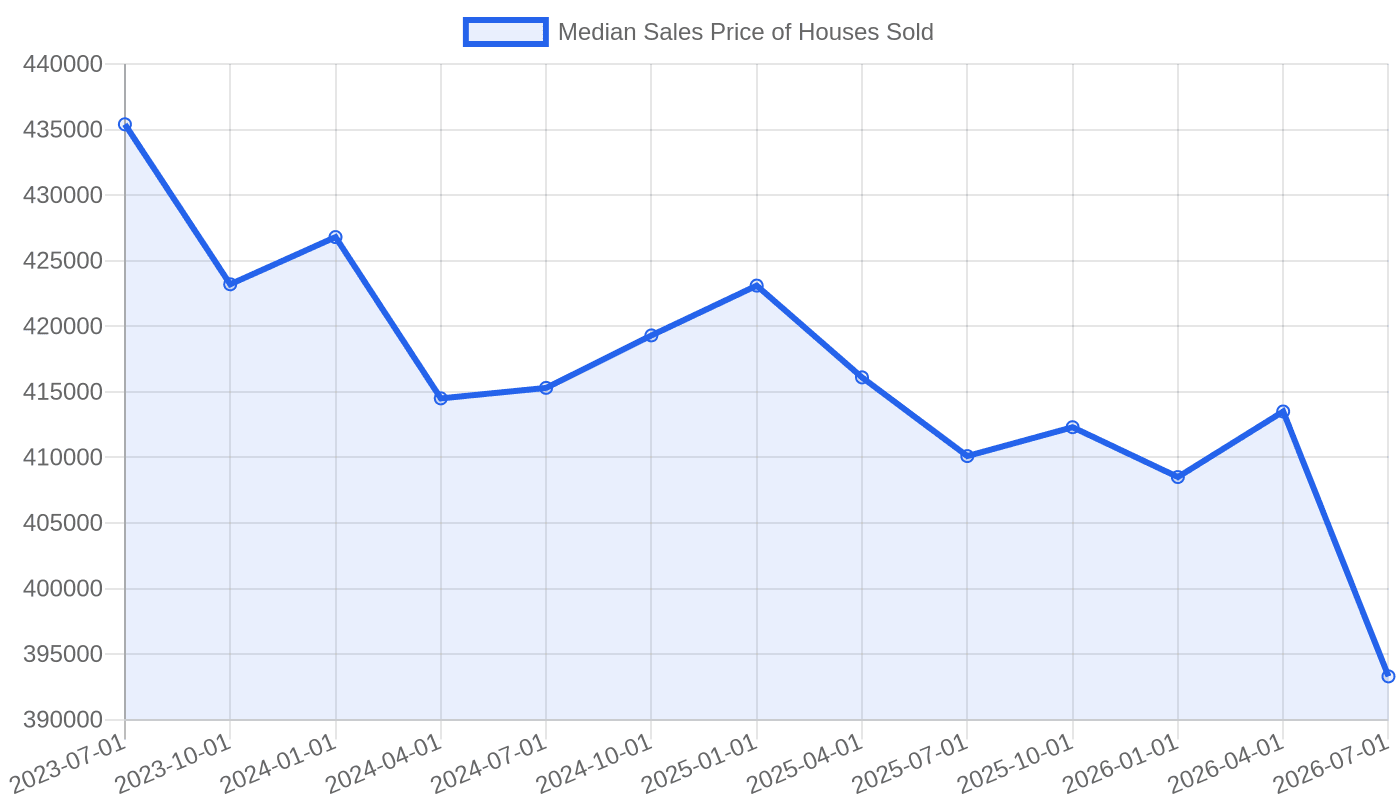
That downward drift matters. Falling prices mean buyers are more cautious, so your contract price has to leave real room for their profit.
Step 2: Build a free lead list
Start with free sources:
- Driving for dollars — note vacant, boarded, or overgrown houses.
- County pre-foreclosure and probate lists — often free or low cost.
- Facebook groups and local classifieds — look for "sell my house fast" posts.
- Referrals from local investors — ask what they don't want.
You can also use paid data tools later. The directory lists data providers like PropStream and ATTOM Data when you're ready to scale.
Step 3: Make contact every day
This is where most beginners quit. You need consistent outreach — calls, texts, door knocks, or direct mail. Even 10 conversations a day adds up fast.
Keep a simple spreadsheet of every lead: name, address, phone, status, and next follow-up date. That's your first CRM.
Step 4: Learn to talk to sellers
The skill that separates wholesalers who close from those who don't is conversation. You need to ask about the property, the seller's timeline, and their price expectations without being pushy.
Practice before you call a real seller. A free tool like our AI Cold Call Trainer lets you rehearse against a realistic AI seller with no signup — so your first live call isn't your first attempt.
Step 5: Get a simple contract and find a buyer
Use a standard purchase agreement and an assignment clause. Many states have free or low-cost templates, and a local real estate attorney can review yours for a flat fee.
Then build a cash buyer list. Call local landlords, post in investor groups, and ask other wholesalers who buys in your area. When you have a contract, you send it to your buyers and negotiate your assignment fee.
How much money do you need to start wholesaling?
You can start with $0, but most beginners spend a small amount on marketing, contracts, and gas. The core activities — lead generation, outreach, and negotiation — cost time, not cash.
Here's a realistic first-90-day budget comparison:
| Expense | Free route | Paid route |
|---|---|---|
| Lead list | County records, driving for dollars | Paid data tool subscription |
| Contracts | Free template + attorney review | Custom contract package |
| Marketing | Social posts, door knocking | Direct mail, PPC ads |
| CRM | Spreadsheet | Paid CRM |
| Buyer list | Local investor groups | Paid buyer database |
Start on the free route. Upgrade only when a specific bottleneck is costing you deals.
Why does the current housing market matter for wholesalers?
It matters because your buyer's math changes with rates and prices. When rates are high, cash buyers are pickier and resale timelines stretch.
The 30-year fixed mortgage rate was 7.18% as of November 5, 2026, after climbing from 6.67% in mid-August 2026.
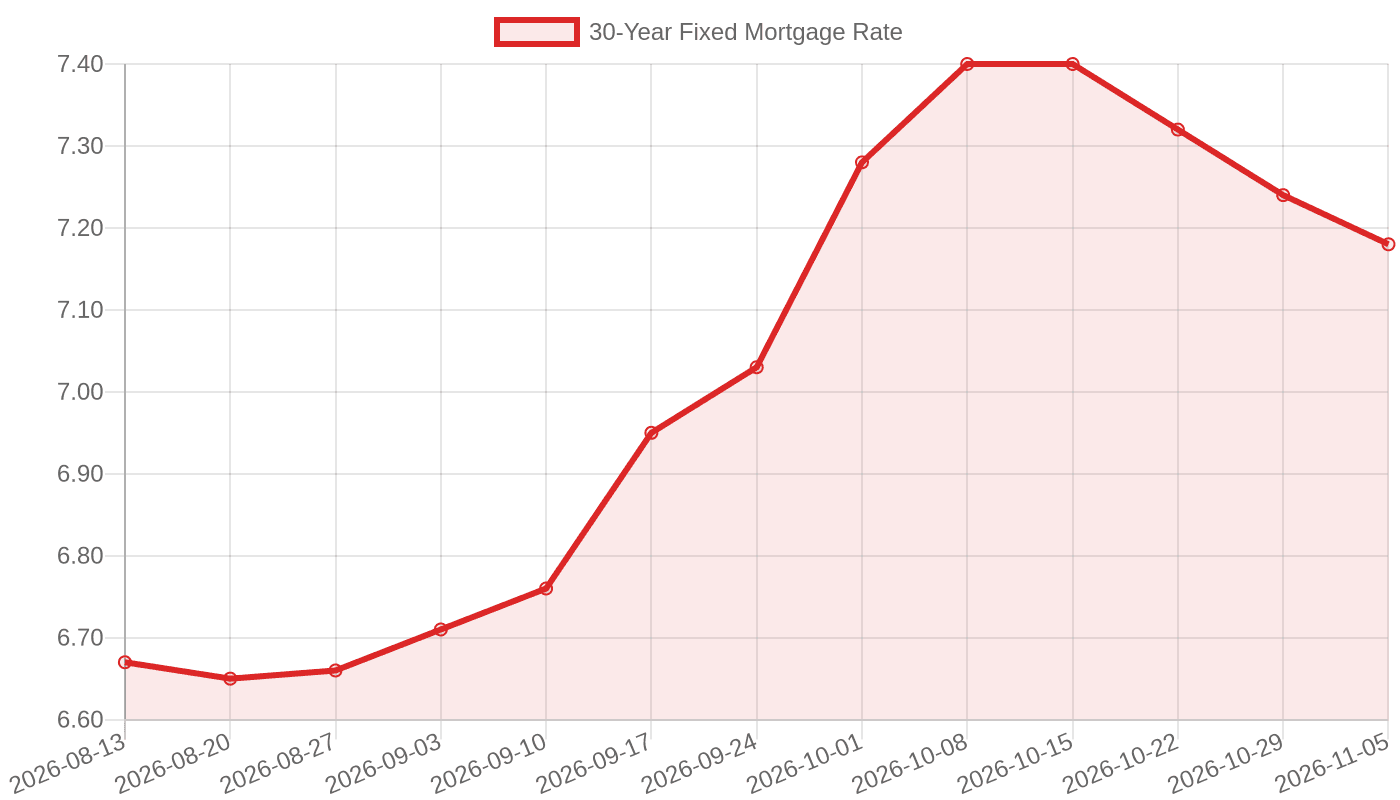
Higher rates push some retail buyers out of the market, which can actually help wholesalers — more sellers get motivated, and cash buyers face less competition. But your deal still has to be a clear discount.
Housing starts were 1,221 as of September 1, 2026, down from 1,522 in March 2026. Less new construction can mean more demand for existing homes, especially fixer-uppers.
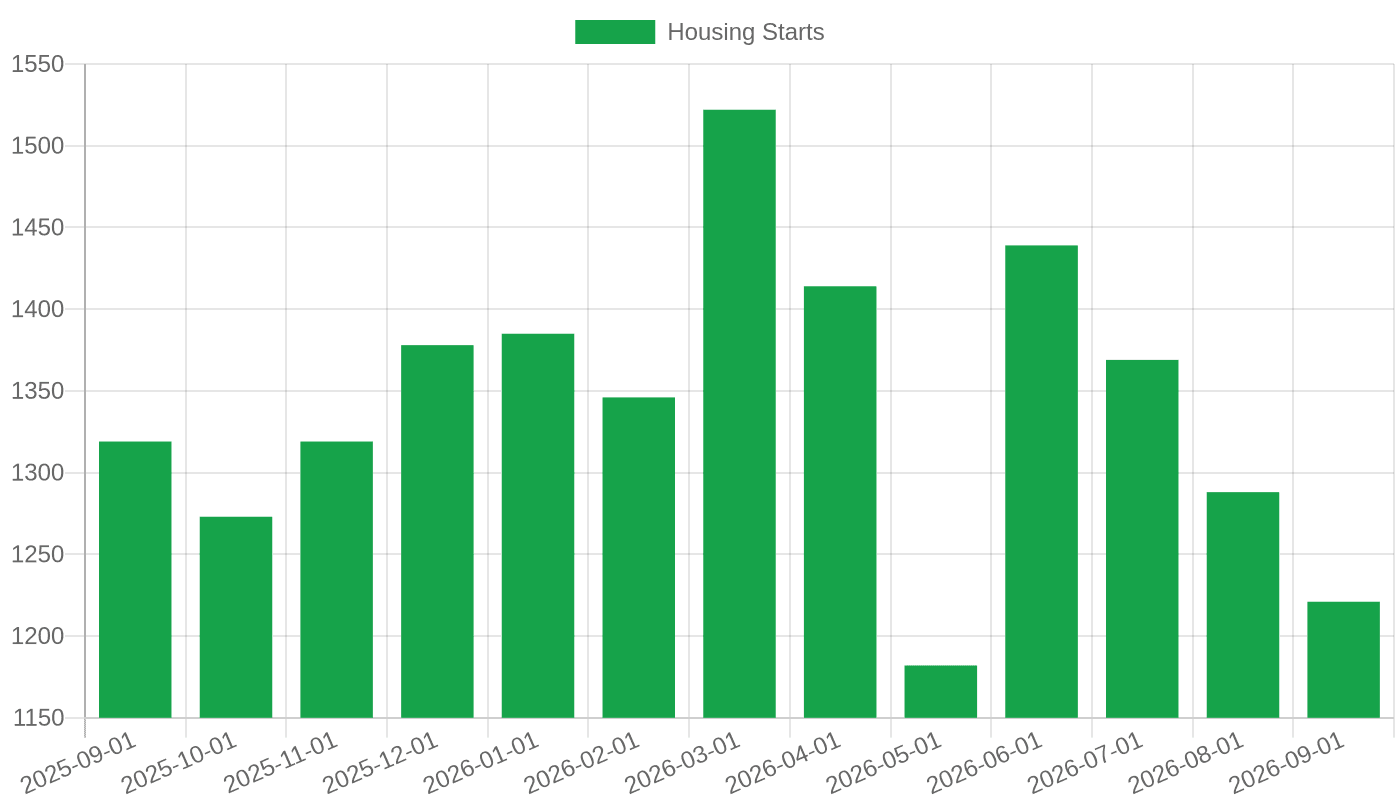
For you, that's a signal to focus on distressed existing inventory rather than new builds.
What skills do you need to wholesale with no experience?
You need three skills: lead generation, seller conversations, and buyer relationships. None require a license or a degree, and all three improve with repetition.
Lead generation
Learn where motivated sellers show up. Start with free lists and consistent daily prospecting.
Seller conversations
Practice asking questions and handling objections. Record your calls (with permission) and review them.
Buyer relationships
Know what your cash buyers want: price range, condition, and area. The better you know them, the faster you can assign a contract.
What tools do you actually need as a beginner wholesaler?
You need very few tools at the start: a spreadsheet, a phone, a contract template, and a way to track follow-ups. The Wholesale REI directory tracks 65 software tools across 9 categories, but you don't need most of them on day one.
Here's a simple starter stack:
- CRM / follow-up: a spreadsheet first, then a tool like GoHighLevel when volume grows.
- Data and leads: PropStream or ATTOM Data when you're ready to buy lists.
- Dialing: CallTools or Launch Control for outbound calls.
- Lead generation: Televista Lead Generation for additional seller leads.
Start free. Add one paid tool only when it solves a real bottleneck.
How long does it take to close your first wholesale deal?
Most beginners take 60 to 120 days to close their first deal if they prospect consistently. Some close faster; many take longer. The variable is almost always outreach volume, not market conditions.
Track your activity weekly:
- Leads added
- Conversations had
- Offers made
- Contracts signed
- Buyers contacted
If your conversations are low, fix your lead flow. If your offers are low, fix your follow-up. If your contracts are low, fix your seller conversations.
The Bottom Line
You can start real estate wholesaling with no money and no experience by picking one market, building a free lead list, and talking to sellers every day. Your first deal is a volume and skill game, not a capital game. Before you call a real seller, practice a few calls against a realistic AI seller first with our free AI Cold Call Trainer — it takes no signup to start.
Frequently Asked Questions
Can you really start real estate wholesaling with no money?
Yes. You don't buy the property — you contract it and assign the contract to a cash buyer for a fee. Your main costs are time and a small marketing budget, and you can start with free lead sources and a simple contract template.
Do you need a real estate license to wholesale?
No. Wholesaling is a contract assignment, not a brokerage activity, so most states don't require a license. Rules vary by state, so check your local regulations and have an attorney review your contract.
How long does it take to close your first wholesale deal?
Most beginners who prospect consistently close their first deal in about 60 to 120 days. The biggest factor is how many seller conversations you have each week, not market conditions.
What tools do beginner wholesalers actually need?
Start with a spreadsheet, a phone, a purchase contract, and a way to track follow-ups. The Wholesale REI directory lists 65 tools across 9 categories, but you only add paid tools when a specific bottleneck costs you deals.
How does the current housing market affect wholesaling?
With the 30-year fixed mortgage rate at 7.18% as of November 5, 2026, and the median home price at $393,300 as of July 2026, buyers are more selective. Your contract price needs to leave clear room for a cash buyer's profit.
Sources
- Software tools tracked in the Wholesale REI directory — Wholesale REI directory
- Tool categories in the Wholesale REI directory — Wholesale REI directory
- Median Sales Price of Houses Sold (as of 2026-07-01) — FRED (Federal Reserve Bank of St. Louis)
- 30-Year Fixed Mortgage Rate (as of 2026-11-05) — FRED (Federal Reserve Bank of St. Louis)
- Housing Starts (as of 2026-09-01) — FRED (Federal Reserve Bank of St. Louis)
This article was researched and drafted with AI assistance, then reviewed and edited by Mark Anthony. Every statistic is sourced and cited. It's for informational purposes only and is not financial or legal advice. Read our editorial policy.