What Is Real Estate Wholesaling? A Simple Explanation


You've heard people say they made $10,000 on a house they never owned — and you want to know if that's real. It is, and the real estate wholesaling meaning is simpler than the gurus make it sound: you get a property under contract at a discount, then sell that contract to a cash buyer for a fee.
Key Takeaways
- Real estate wholesaling means assigning a purchase contract, not buying the house. You control the property, find a cash buyer, and collect an assignment fee at closing.
- You need three numbers to work: a discounted contract price, a buyer's maximum offer, and your fee in between.
- The market sets your margin. With the median sale price at $393,300 and homes sitting 61 days on market, deals take longer to move and buyers are pickier.
- Software does the heavy lifting. The Wholesale REI directory tracks 65 tools across 9 categories — from skip tracing to dialers to CRM.
- Wholesaling is legal in most states, but it's regulated. Some states require a license or limit assignments, so check your state's rules before you sign anything.
What is real estate wholesaling?
Real estate wholesaling is a strategy where an investor puts a property under contract at a below-market price and then assigns that contract to another buyer for a fee, without ever taking ownership. You're not the buyer. You're the middleman who connects a motivated seller with a cash investor.
The contract is the product. You sign a purchase agreement with the seller that includes an assignment clause — the right to hand your position to someone else. Then you market that contract to your buyer list. When a buyer says yes, you assign the contract, and at closing the title company pays you your fee out of the buyer's funds.
What wholesalers actually sell
They sell equitable interest — the right to buy the property on your terms. The seller gets their agreed price. The end buyer gets a deal. You get the spread.
What wholesaling is not
It's not flipping. A flipper closes on the house, renovates it, and resells it. A wholesaler never closes on the purchase side. It's also not a get-rich-quick scheme — you still have to find sellers, negotiate, and manage contracts.
How does a real estate wholesale deal work, step by step?
A wholesale deal runs through six steps: find a motivated seller, negotiate a discounted contract, market the contract to cash buyers, assign it, and get paid at closing. Here's the sequence in detail.
- Find a motivated seller. Look for pre-foreclosure, probate, tired landlords, and distressed properties. This is where lead generation software earns its keep.
- Run the numbers. Estimate repairs, then calculate a maximum offer. A common rule is 70% of after-repair value minus repairs — but your buyer's criteria matter more than any formula.
- Get it under contract. Sign a purchase agreement with an assignment clause and a due diligence period long enough to find a buyer.
- Market the contract. Send the deal to your cash buyer list — fix-and-flippers, landlords, and buy-and-hold investors.
- Assign the contract. Sign an assignment agreement with the buyer. The title company handles the paperwork.
- Close and get paid. The end buyer funds the purchase, and your assignment fee comes out at closing.
A simple example
Say you contract a house for $200,000. Your cash buyer agrees the property is worth $230,000 to them at that condition. You assign the contract for $15,000. The buyer pays $215,000 total at closing, the seller gets $200,000, and you collect $15,000. No mortgage, no repairs, no title in your name.
Why does the housing market matter to wholesalers?
Market conditions decide how fast your contract sells and how big a discount buyers demand. When rates rise and homes sit longer, cash buyers get cautious — and your assignment fee shrinks or your deal stalls.
The 30-year fixed mortgage rate climbed from 6.66% in late July 2026 to 7.32% by October 22, 2026. That's a meaningful jump in a few months.
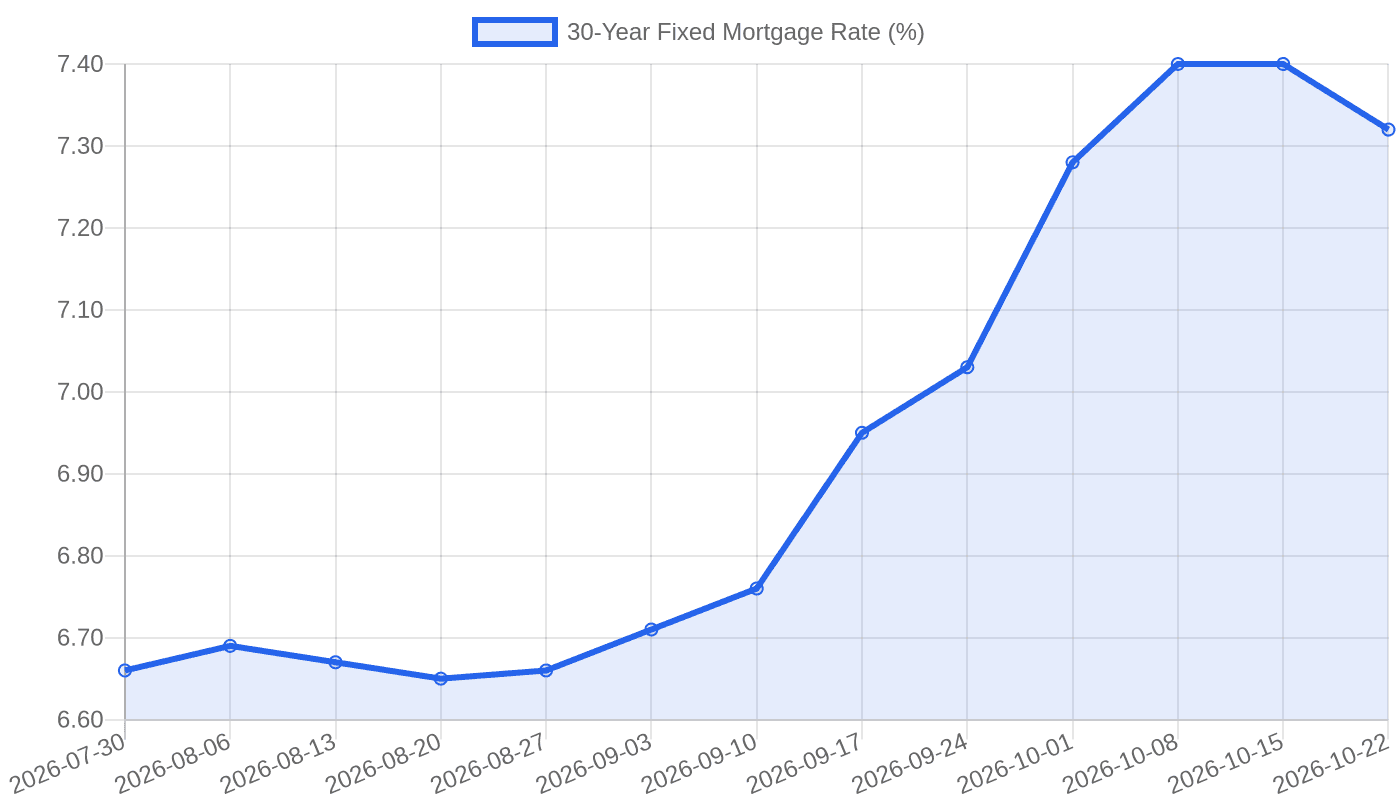
Higher rates push retail buyers out of the market, which raises demand for rentals and cash deals. That can help wholesalers — but only if the discount is real.
Days on market tell you how motivated sellers are
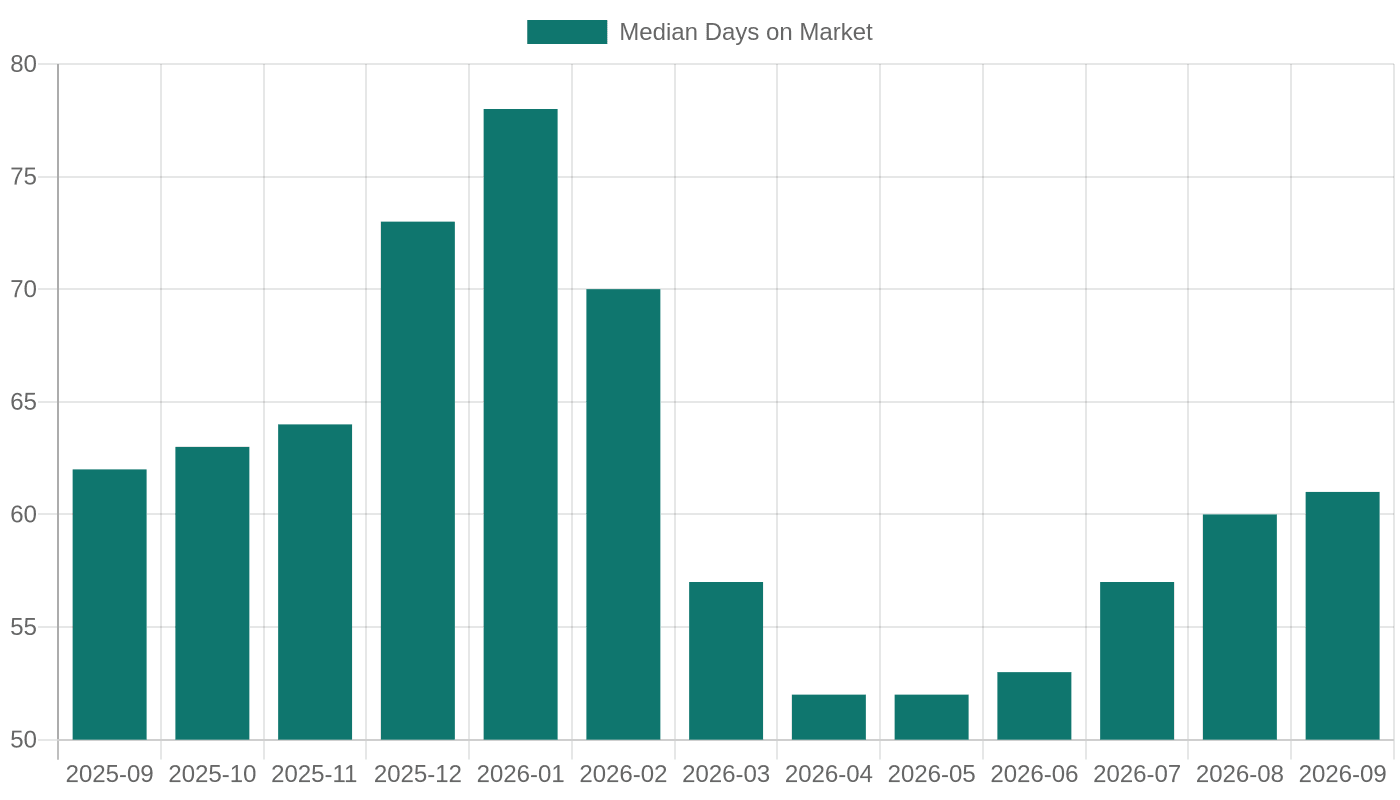
The median days on market sat at 61 days as of September 2026, after peaking at 78 days in January 2026. Longer market times mean more sellers feel pressure, which is where wholesale opportunities come from.
Prices set the ceiling on your fee
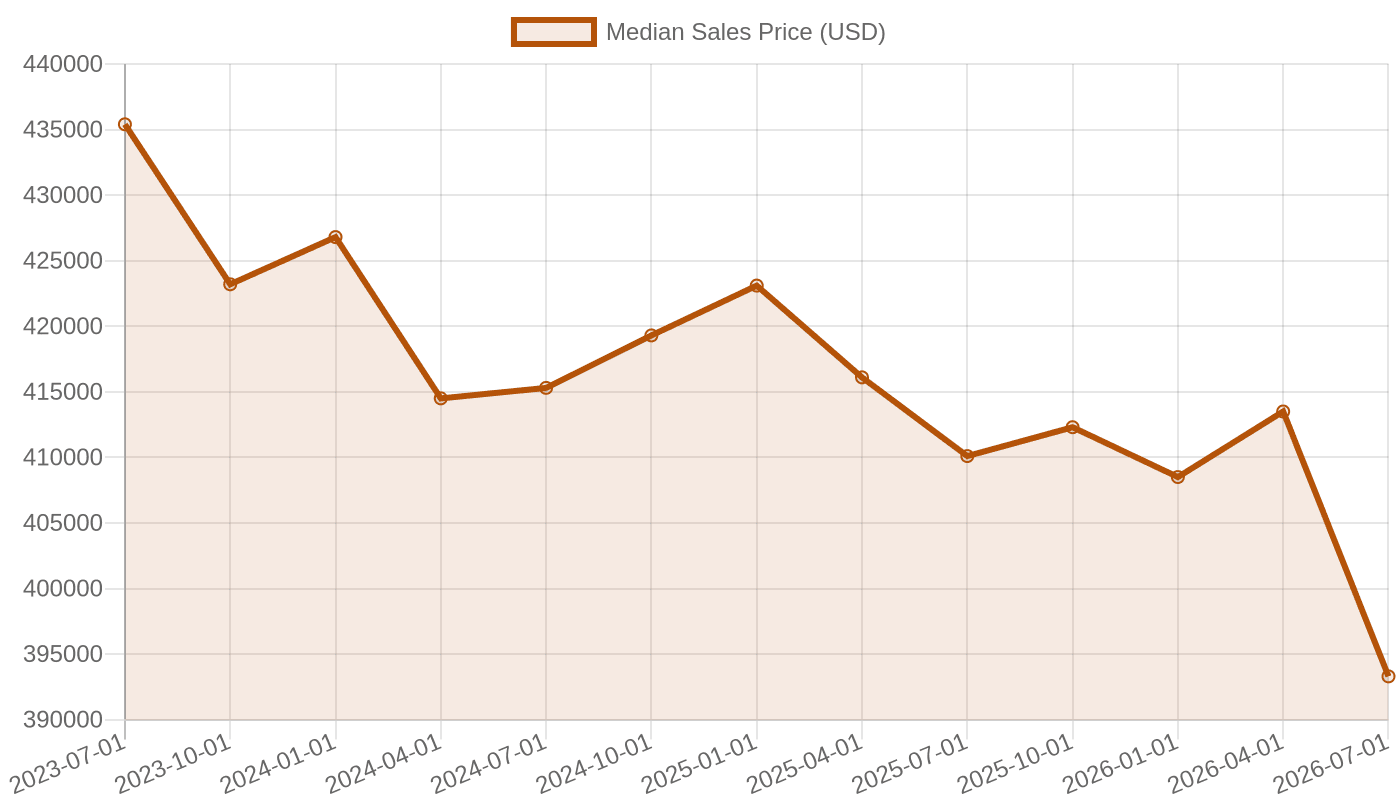
The median sales price of houses sold was $393,300 as of July 2026, down from $435,400 in July 2023. Falling prices mean buyers are more careful about what they'll pay — and your fee has to fit inside a tighter spread.
What does a wholesaler actually do all day?
A wholesaler spends most of their time on three activities: marketing for sellers, talking to sellers and buyers, and managing contracts and follow-up. The deal itself is the easy part. The work is the pipeline.
- Lead generation: direct mail, cold calling, SMS, paid ads, and list pulls from data tools.
- Lead qualification: skip tracing to find phone numbers, then calling to screen for motivation.
- Follow-up: most deals close after multiple touches, so a CRM is not optional.
- Buyer list management: keeping cash buyers warm and matching deals to their criteria.
- Dispositions: marketing the contract and negotiating the assignment fee.
The software stack behind a wholesale business
The Wholesale REI directory tracks 65 tools across 9 categories, which tells you how many moving parts a wholesale operation has. Most wholesalers need at least a CRM, a data or skip-tracing tool, and a dialer.
| Job to be done | Tool category | Example tools in the directory |
|---|---|---|
| Find property and owner data | Data & skip tracing | PropStream, ATTOM Data |
| Call sellers at scale | Dialers | CallTools |
| Manage leads and follow-up | CRM & automation | GoHighLevel, Launch Control |
| Generate motivated seller leads | Lead generation | Televista Lead Generation |
How much can you make wholesaling real estate?
There's no fixed number — your fee is whatever a cash buyer will pay above your contract price. In practice, assignment fees are negotiated deal by deal and depend on the spread between your contract and the buyer's maximum offer.
What you can control is your cost per deal. Marketing, data, dialing, and CRM costs add up, and most beginners underestimate them. Track cost per lead and cost per contract, not just revenue per deal.
What eats into your profit
- Marketing spend that produces leads but not contracts.
- Software subscriptions you don't use.
- Earnest money you lose if you walk away from a contract.
- Legal and title costs on assignments.
Is real estate wholesaling legal?
Yes, wholesaling is legal in most U.S. states — but it's regulated, and the rules vary. Some states require a real estate license for certain assignment activity, and others have disclosure or marketing restrictions.
Before you sign your first contract, confirm three things with a local real estate attorney: whether assignment fees are allowed in your state, what disclosures you owe the seller, and how your purchase agreement should handle assignment. This is not a place to guess.
Common compliance mistakes
- Marketing a property you don't own without disclosure.
- Using a purchase contract with no assignment clause.
- Skipping the attorney review on your first few deals.
What are the biggest risks in wholesaling?
Wholesaling risks fall into three buckets: the deal falls apart, the contract is unenforceable, or the numbers were wrong. Each one is preventable with process.
- No buyer: your due diligence period expires and you lose earnest money.
- Bad contract: no assignment clause means you can't assign at all.
- Overpaying: your contract price leaves no room for the buyer's profit.
- Legal trouble: state rules you didn't check.
How to reduce risk
Build a real buyer list before you contract anything. Use a contract reviewed by a local attorney. And run your numbers with a cushion — if the deal only works at the perfect price, it doesn't work.
How do you start wholesaling with no experience?
Start by learning one market, building a small buyer list, and making seller conversations a daily habit. You don't need a big budget — you need reps.
- Pick one market and learn its prices, neighborhoods, and buyer pool.
- Build a buyer list of 20–50 active cash investors before you contract anything.
- Practice seller conversations until your qualifying questions are automatic.
- Get a contract reviewed by a local attorney.
- Track every lead in a CRM from day one.
Practice before you spend
Seller calls are the skill that decides whether you close. You can rehearse the awkward parts — the opening, the motivation questions, the objections — without burning real leads. Our free AI Cold Call Trainer lets you practice against a realistic AI seller with no signup, which is a cheap way to get your first 20 calls out of the way.
The Bottom Line
Real estate wholesaling means controlling a property through a contract and assigning that contract to a cash buyer for a fee — you never own the house. The work is finding motivated sellers, running honest numbers, and building a buyer list before you need one. Your next step: compare the tools in the Wholesale REI directory so your lead generation, dialing, and follow-up are ready before your first contract.
Frequently Asked Questions
What is the meaning of real estate wholesaling in simple terms?
It means you get a house under contract at a discount and then assign that contract to a cash buyer for a fee. You never take ownership of the property — you sell your right to buy it.
Do you need money to start wholesaling real estate?
You need less than a flip, but not zero. Expect costs for marketing, data and skip tracing, dialing, and a CRM, plus earnest money on contracts. Budget for cost per lead and cost per contract, not just the assignment fee.
Is real estate wholesaling legal in every state?
It's legal in most states, but rules vary. Some states require a license for certain assignment activity or impose disclosure requirements, so confirm your state's rules with a local real estate attorney before your first contract.
How is wholesaling different from flipping?
A flipper closes on the property, renovates it, and resells it. A wholesaler never closes on the purchase — they assign the contract to an end buyer and get paid a fee at closing.
What software do real estate wholesalers use?
Most use a CRM for follow-up, a data or skip-tracing tool to find owners and phone numbers, and a dialer for seller calls. The Wholesale REI directory tracks 65 tools across 9 categories so you can compare options by job.
How long does a wholesale deal take to close?
It depends on your buyer list and the contract's due diligence period. In a slower market — median days on market was 61 as of September 2026 — expect to work harder to place the contract, so build your buyer list before you sign.
Sources
- Software tools tracked in the Wholesale REI directory — Wholesale REI directory
- Tool categories in the Wholesale REI directory — Wholesale REI directory
- 30-Year Fixed Mortgage Rate (as of 2026-10-22) — FRED (Federal Reserve Bank of St. Louis)
- Median Sales Price of Houses Sold (as of 2026-07-01) — FRED (Federal Reserve Bank of St. Louis)
- Median Days on Market (as of 2026-09-01) — FRED (Federal Reserve Bank of St. Louis)
This article was researched and drafted with AI assistance, then reviewed and edited by Mark Anthony. Every statistic is sourced and cited. It's for informational purposes only and is not financial or legal advice. Read our editorial policy.